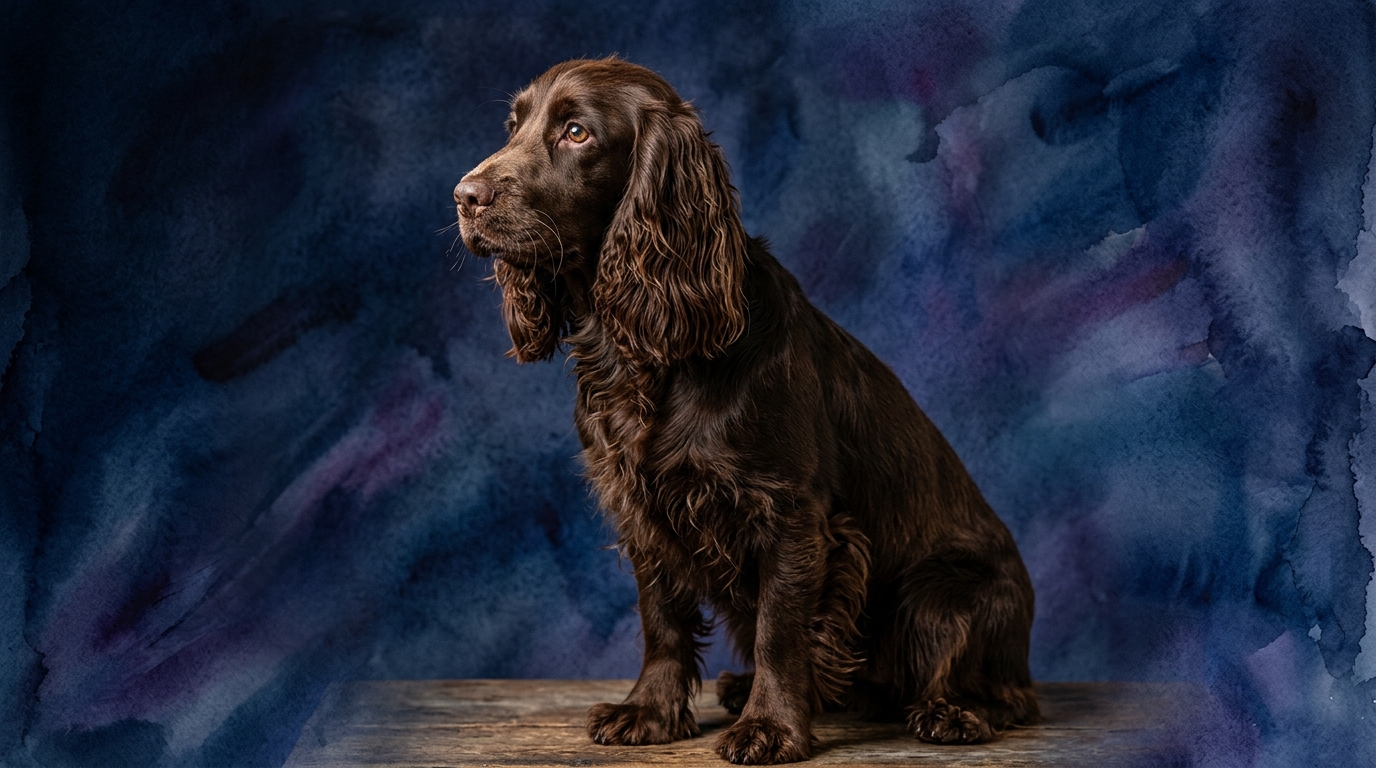
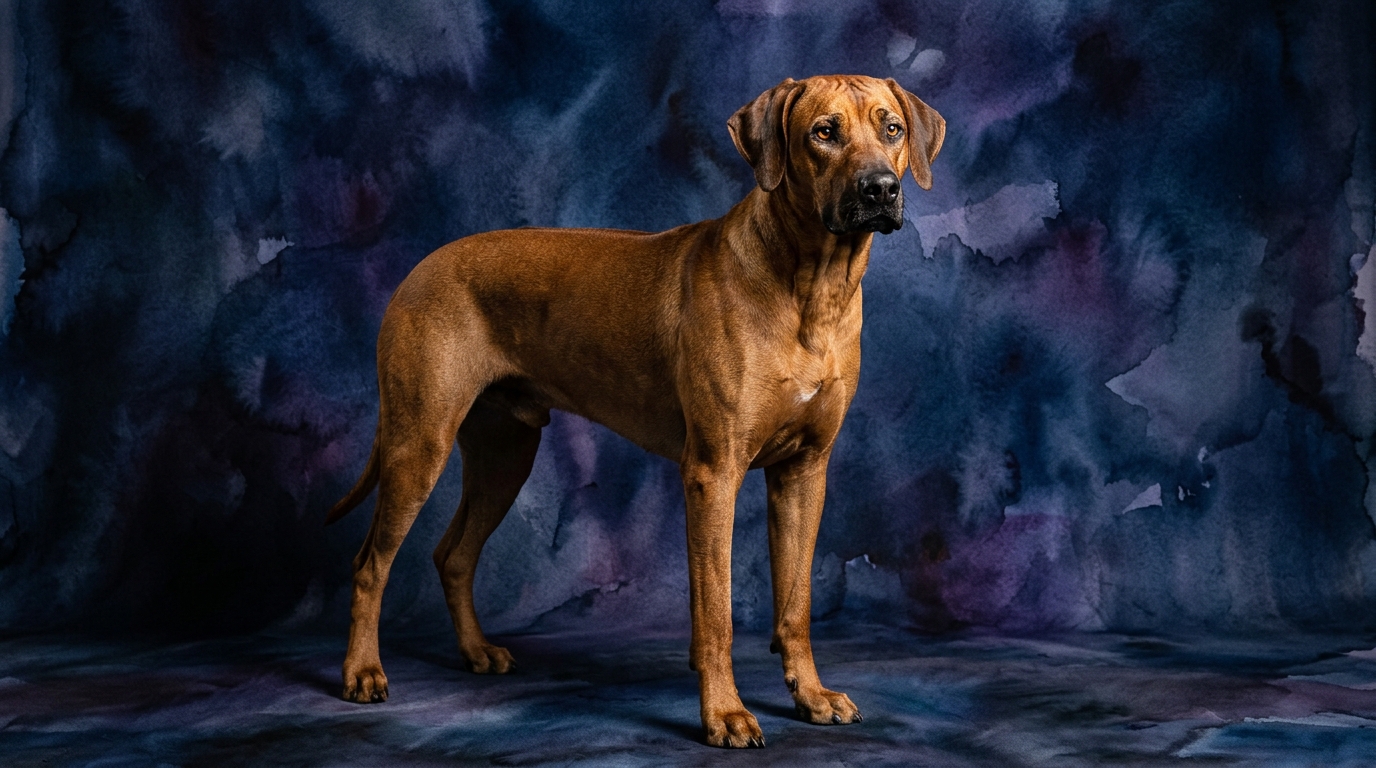
Side-by-Side Cognitive Profiles
At first glance, The Cosmic Pet Pet IQ Lab data presents a fascinating parity: both the Field Spaniel and the Rhodesian Ridgeback score 3/5 in Problem Solving, Training Speed, Social Intelligence, Instinctive Drive, and Memory. However, these identical scores don't imply identical minds; rather, they signal a comparable level of aptitude expressed through fundamentally different lenses shaped by their breed heritage. The Field Spaniel, a member of the Sporting group, was developed in England to flush and retrieve game, typically in dense cover, requiring a cooperative and persistent nature. The Rhodesian Ridgeback, originating from Southern Africa, belongs to the Hound group, bred for tracking and cornering large game, including lions, which demanded independent thought, resilience, and discernment.
For the Field Spaniel, a 3/5 in Problem Solving often translates to a methodical approach to handler-directed tasks, such as navigating complex terrain to find a hidden retrieve or figuring out how to open a puzzle toy with focused effort. Their 3/5 Training Speed indicates a willingness to learn and retain commands, particularly when motivated by praise or a reward, though not with the lightning-fast acquisition of top-tier obedience breeds. Social Intelligence at 3/5 means they are generally responsive to human cues and capable of forming strong bonds, understanding household dynamics without overly complex social maneuvering. Their Instinctive Drive, also 3/5, is geared towards scent work and retrieving, a persistent pursuit of game that is both focused and manageable. Finally, a 3/5 in Memory allows them to reliably recall commands, learned routes, and the locations of favored objects or people.
The Rhodesian Ridgeback's 3/5 in Problem Solving, conversely, typically manifests as independent decision-making, such as discerning a scent trail amidst distractions or assessing a novel situation with a degree of self-reliance. Their 3/5 Training Speed suggests they are capable learners, but often require a clear purpose and consistent, engaging methods, as rote repetition may not hold their interest as readily as it would for a more biddable breed. Their Coren rank of #52 in Working & Obedience Intelligence affirms their capacity for learning, albeit with a preference for understanding the 'why' behind a command. Social Intelligence at 3/5 means they are deeply attuned to their family unit, often reserved with strangers, and possess a nuanced understanding of their social hierarchy. The 3/5 Instinctive Drive in a Ridgeback is powerful and focused on tracking and pursuit, requiring careful channeling due to its historical purpose. A 3/5 in Memory enables them to remember complex routes, specific scents, and the faces and intentions of both familiar and unfamiliar individuals, crucial for their historical guardian role.
Where the Field Spaniel Wins Cognitively
Despite identical scores, the Field Spaniel's cognitive strengths shine particularly in cooperative, handler-centric tasks where sustained focus and a desire to work alongside their human are paramount. Their 3/5 Problem Solving, when applied to activities like agility courses or advanced retrieving drills, allows them to methodically navigate obstacles and remember sequences, often seeking guidance and reassurance from their handler. This collaborative problem-solving style is a hallmark of the Sporting group, where success is often a shared endeavor.
Furthermore, their 3/5 Instinctive Drive, specifically tailored for flushing and retrieving, gives them an edge in activities demanding persistent, yet controlled, engagement with a task. Whether it's meticulously quartering a field for a hidden dummy or patiently waiting for a 'send' command, their cognitive framework supports a directed, purposeful work ethic that is less about independent judgment and more about executing a learned role within a team. This specific manifestation of their drive and problem-solving makes them particularly adept at canine sports that mimic their historical function.
Where the Rhodesian Ridgeback Wins Cognitively
The Rhodesian Ridgeback's cognitive strengths lie in their capacity for independent judgment and discerning evaluation, traits forged by their history of tracking dangerous game and guarding homesteads. Their 3/5 Problem Solving manifests as a robust ability to assess complex environmental cues, make decisions without constant human intervention, and persist in a task based on their own internal motivation, such as following a challenging scent trail through varied terrain. This self-reliant problem-solving is crucial for a breed whose survival once depended on such acumen.
Their Coren rank of #52, while not putting them at the very top, signifies a solid foundation in working and obedience intelligence, suggesting they possess a reliable capacity for learning and executing commands once their trust and respect are earned. Coupled with their 3/5 Social Intelligence, which allows for a deep understanding of pack dynamics and a protective instinct, Ridgebacks excel in roles requiring vigilance, discernment, and a strong sense of territory. Their memory, also 3/5, is particularly effective for recalling specific threats or safe zones, contributing to their formidable guardian capabilities.
Which is Easier to Train and Why
The question of which breed is 'easier' to train, given their identical 3/5 Training Speed, comes down to their underlying motivations and behavioral tendencies. The Field Spaniel, true to its Sporting dog roots, generally exhibits a stronger desire to please its handler. They often thrive on positive reinforcement, food rewards, and the joy of working cooperatively. Their training speed, while not instant, is often characterized by a steady progress in repetitive tasks, and they are typically more forgiving of handler errors due to their biddable nature. They tend to find intrinsic satisfaction in performing the tasks they were bred for, making engagement in training sessions more straightforward.
The Rhodesian Ridgeback, with its independent hound heritage, presents a different training dynamic. While capable of learning just as effectively (3/5 Training Speed), they often require a more confident, consistent, and creative trainer. Ridgebacks are known for their strong will and discerning nature; they may question a command if they don't perceive its purpose or if the method lacks consistency. Training with a Ridgeback often involves leveraging their prey drive and desire for mental engagement, turning exercises into challenging games rather than rote drills. Their independent problem-solving means they might try to figure things out their own way first, requiring patience and clear leadership to guide them towards desired behaviors. The 'why' behind a command is often more important to a Ridgeback than simply pleasing the handler.
Which Suits Active Owners vs. Relaxed Owners
For owners with an active lifestyle who enjoy engaging their dog in cooperative activities, the Field Spaniel often proves to be an ideal companion. Their 3/5 Instinctive Drive for flushing and retrieving means they thrive on regular outdoor excursions, long walks, and opportunities to use their nose and retrieve. They are well-suited for owners interested in canine sports like agility, obedience, or scent work, where their focus and desire to work alongside their human can be fully utilized. A Field Spaniel will happily join a family for hikes, swims, and active play, viewing these as opportunities for shared experience and mental stimulation.
The Rhodesian Ridgeback, while also requiring significant physical activity, is better suited for experienced, active owners who can provide consistent leadership and channel their powerful instincts. Their independent nature and 3/5 Instinctive Drive, historically geared towards tracking and guarding, necessitate owners who understand the importance of clear boundaries and purposeful activities. They excel with owners who enjoy structured outdoor adventures, long runs, or activities that engage their tracking abilities and mental fortitude. While they can be calm indoors, their mental and physical needs are substantial, making them less suitable for truly 'relaxed' owners who cannot commit to their exercise and training requirements. They thrive with owners who appreciate a protective, discerning, and self-reliant companion.
The Verdict
Choose the Field Spaniel if you desire a cooperative, biddable companion eager to engage in shared activities and canine sports, thriving on consistent positive reinforcement and a strong handler bond.
Opt for the Rhodesian Ridgeback if you are an experienced, active owner seeking a discerning, protective, and independent companion who requires consistent leadership and purposeful mental and physical challenges.
🧠 Find Your Pet's IQ Score
Our Pet IQ Lab assessment covers 25+ tests across 5 cognitive dimensions — personalized to your breed.
Take the Full IQ Test →Frequently Asked Questions
Do Field Spaniels or Rhodesian Ridgebacks bark more?
Field Spaniels tend to be more vocal, sometimes using barks to communicate excitement or alert their owners. Rhodesian Ridgebacks are generally quieter, reserving their barks for genuine alerts or perceived threats, reflecting their guardian instincts.
Are Field Spaniels good with children?
Field Spaniels are typically gentle and patient with children, making them suitable family dogs when properly socialized. Their playful nature and moderate energy levels often make them good companions for respectful kids.
How do their prey drives differ?
Both have a 3/5 instinctive drive, but it manifests differently. The Field Spaniel's prey drive is typically focused on small game, involving flushing and retrieving, making it manageable for training. The Rhodesian Ridgeback's drive is historically geared towards large game, requiring more careful management due to its intensity and potential for independent pursuit.