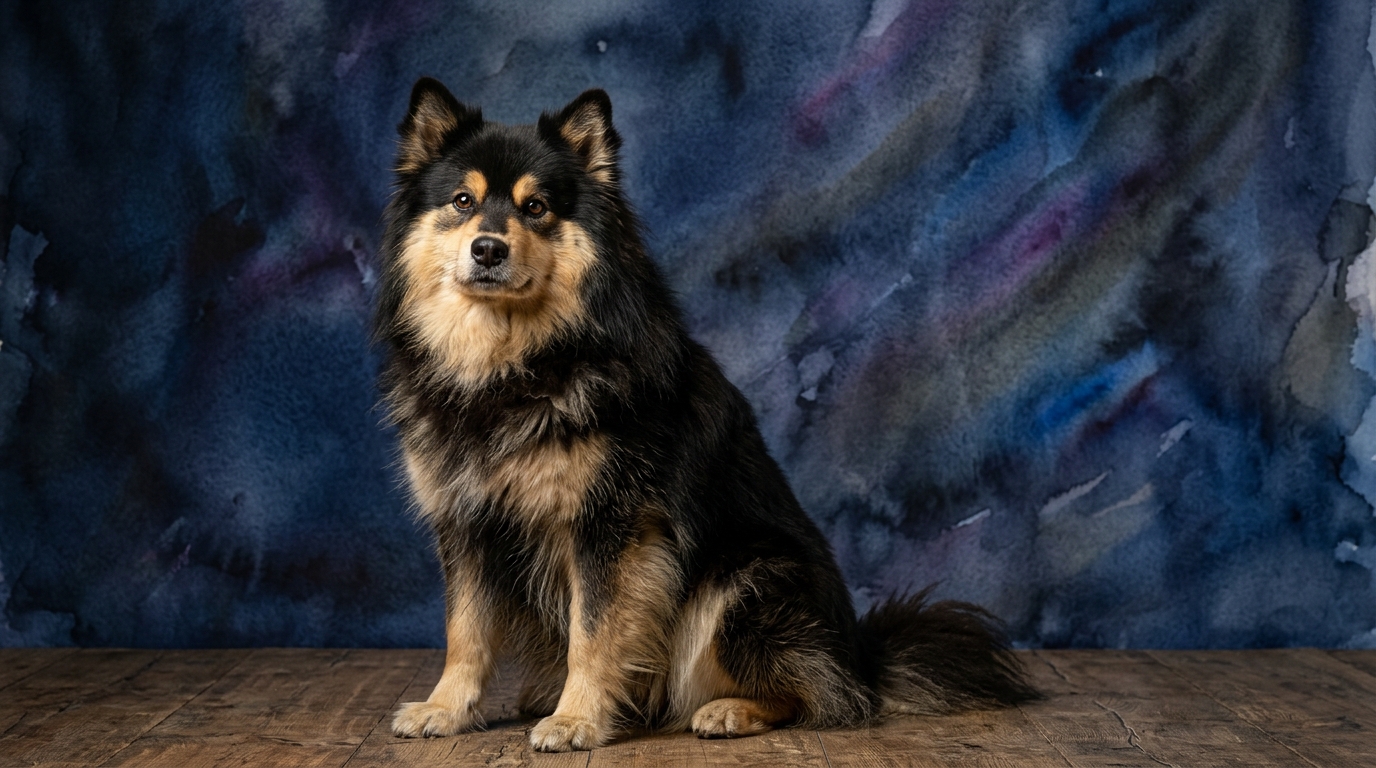
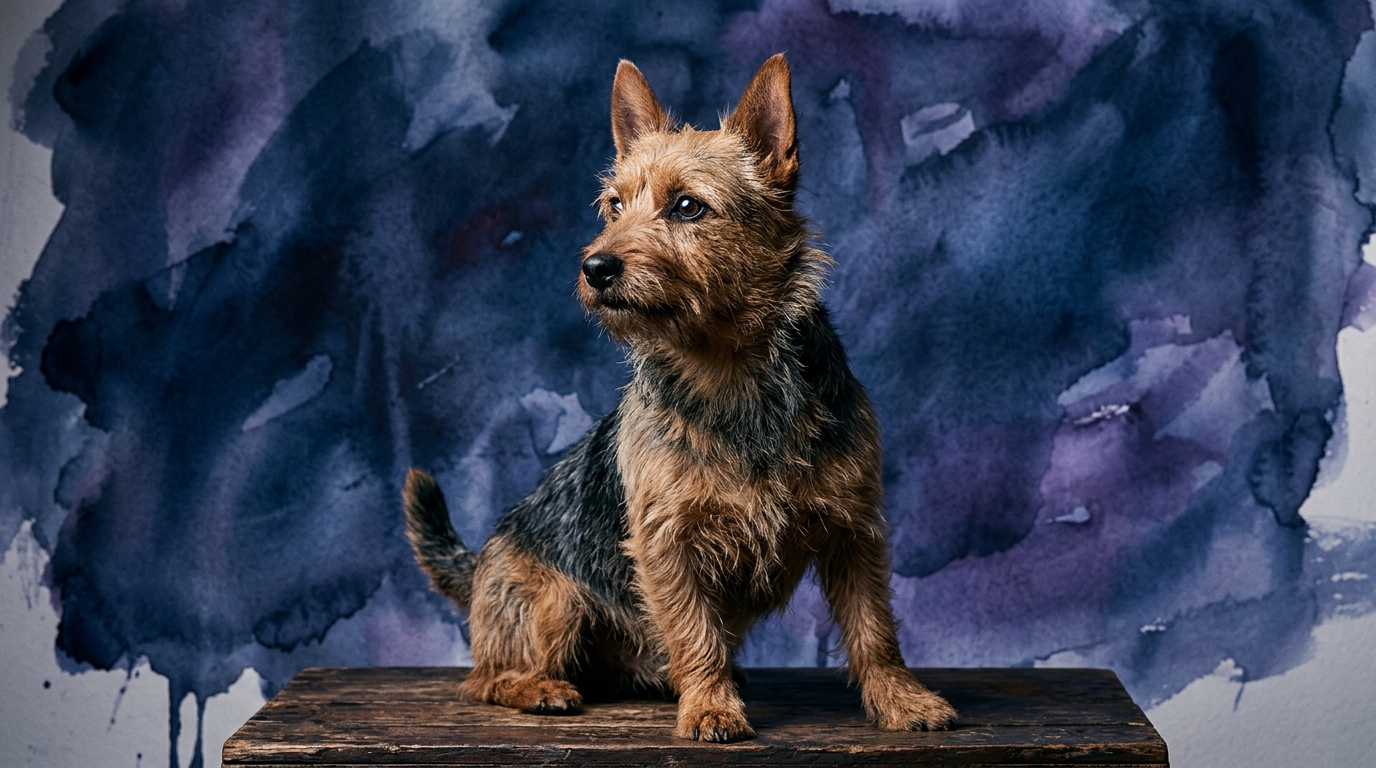
Side-by-Side IQ Profile: Herder vs. Hunter
At a glance, the Finnish Lapphund and Australian Terrier appear to share an identical cognitive blueprint, each scoring a solid 3 out of 5 in problem-solving, training speed, social intelligence, instinctive drive, and memory. However, these identical scores belie a rich tapestry of functional differences rooted deeply in their original purposes. For the Finnish Lapphund, a herding dog from the Arctic Circle, a '3' in Problem Solving signifies a dog adept at navigating complex terrains, understanding the movement of reindeer, and making independent decisions to keep a flock together in challenging conditions. Their '3' in Training Speed reflects a willingness to cooperate with a handler in tasks crucial for livestock management, often responding well to consistent, positive reinforcement, though they retain an independent streak.
The Australian Terrier, on the other hand, a tenacious hunter of small vermin, expresses its '3' in Problem Solving through an entirely different lens. This manifests as cunning in tracking and cornering prey, navigating tight spaces, and persistent digging to achieve a goal. Their '3' in Training Speed is often characterized by quick learning when motivated, but also by a strong-willed, independent nature typical of terriers, which means they might decide that a scent trail or a potential burrow is far more compelling than a recall command. Both breeds exhibit a '3' in Social Intelligence, but for the Lapphund, this means sensitivity to their human family's moods and the dynamics of their 'pack,' often reserved with strangers. For the Australian Terrier, it often translates to keen observation of social hierarchies, a spirited engagement with their people, and sometimes a bossy assertiveness with other dogs, reflecting their self-assured nature.
Instinctive Drive, also at a '3' for both, is where their paths diverge most clearly. The Finnish Lapphund's drive is inherently tied to herding—a desire to gather, protect, and bark to alert, deeply rooted in their ancestral role. The Australian Terrier's drive is a powerful instinct to chase, dig, and dispatch small prey, a relentless pursuit of vermin that defines their breed. Finally, a '3' in Memory for the Lapphund implies remembering complex herding patterns, the locations of their flock, and learned commands over long periods. For the Australian Terrier, this score indicates a capacity to remember where they last spotted a squirrel, the quickest route to a favorite digging spot, and household rules, even if they occasionally 'forget' them when a compelling scent emerges.
Where the Finnish Lapphund Cognitively Excels
Despite sharing numerical scores, the Finnish Lapphund demonstrates particular cognitive strengths rooted in its herding heritage. Their '3' in social intelligence, combined with their instinctive drive, means they possess a remarkable ability to read and respond to the nuances of their human family's emotions and needs. They are intuitive companions, often anticipating desires or comforting their people without explicit cues, an echo of their role in monitoring a flock's well-being. This sensitivity makes them exceptionally attuned to their environment and the people within it, allowing them to adapt their behavior to maintain harmony within their household.
Furthermore, their problem-solving at a '3' is often expressed as a thoughtful, strategic approach to challenges, rather than a brute-force method. In their herding role, this meant figuring out how to move animals efficiently across varied terrain or locate strays. In a home setting, this might manifest as creatively figuring out how to access a favorite toy placed out of reach or navigating complex household routines with minimal guidance. Their memory, also a '3', supports this with an excellent recall for routes, established routines, and the specific dynamics of their family unit, making them reliable members of the household once trained.
Where the Australian Terrier Cognitively Shines
The Australian Terrier, with its identical '3/5' scores, showcases its cognitive prowess through a distinct set of strengths, primarily driven by its terrier tenacity and vermin-hunting history. Their problem-solving ability, while numerically the same as the Lapphund's, is characterized by an unyielding determination and a sharp wit focused on achieving a specific goal, often related to exploration or 'hunting' in a domestic context. This means they are adept at figuring out how to open cabinets, escape enclosures, or locate hidden treats with remarkable persistence, demonstrating a cleverness born from outsmarting prey.
Their instinctive drive, also a '3', is a powerful engine behind their cognitive engagement. This drive fuels their intense curiosity and their willingness to investigate every scent and sound, making them exceptionally alert and aware of their surroundings. This heightened awareness, coupled with their '3' in memory, allows them to recall the exact locations of interesting smells or potential 'prey' (like toys or crumbs) with impressive accuracy. Their social intelligence, while spirited, allows them to quickly assess social situations and often assert their presence, making them engaging and self-assured companions who thrive on active interaction rather than quiet observation.
Training: Herding Cooperation vs. Terrier Independence
When considering ease of training, the identical '3/5' score for Training Speed for both breeds requires a deeper look into their behavioral differences. The Finnish Lapphund, as a herding dog, possesses an inherent desire to work cooperatively with a human handler. While they are intelligent and can think independently, their historical role involved responding to commands to manage livestock. This means that while they might not be the fastest to pick up every single trick, they generally approach training with a willing attitude and a desire to please, especially when the training is engaging and consistent. They respond well to positive reinforcement and appreciate a clear, calm leader, often thriving in activities like obedience or agility where teamwork is paramount.
The Australian Terrier, conversely, brings its robust terrier independence to the training arena. While they are quick to grasp concepts (their '3' in training speed is genuine), their inherent stubbornness and strong prey drive can make consistent compliance a challenge. They might understand a command perfectly but choose to ignore it if a more exciting stimulus, like a squirrel in the yard, presents itself. Training an Australian Terrier often requires more creativity, patience, and unwavering consistency to overcome their tendency to prioritize their own agenda. Building a strong bond and making training feel like a fun game where they 'win' can be particularly effective in harnessing their quick wit and preventing their independent streak from derailing progress.
Lifestyle Match: Active Engagement vs. Focused Drive
Matching these breeds to an owner's lifestyle hinges on understanding the nuances of their '3/5' instinctive drives and problem-solving capabilities. For active owners who enjoy outdoor adventures and are looking for a highly engaged canine partner, the Finnish Lapphund can be an excellent fit. Their herding drive translates into a need for purposeful activity, whether it's long hikes, dog sports like agility or rally, or even just extensive playtime in a secure yard. They thrive on mental stimulation that allows them to use their problem-solving skills in a cooperative setting, such as learning complex tricks or participating in scent work. Their social intelligence means they genuinely enjoy being part of family activities and are content as long as they are involved and have their physical and mental needs met.
For owners who appreciate a dog with a robust personality and a focused drive, the Australian Terrier might be more suitable, though 'relaxed' might be a misnomer for their energy. While they don't necessarily require endless miles of running, they need consistent outlets for their terrier instincts. This includes opportunities for digging in designated areas, chasing balls, and engaging in mentally stimulating games that tap into their problem-solving and prey drive. They are often content with a good daily walk, backyard play, and plenty of interactive toys, but they require owners who can provide consistent training and boundaries to manage their independent spirit and vocal tendencies. They are not content to be couch potatoes without proper stimulation, but their activity needs are often more about intensity and engagement rather than sheer endurance, making them suitable for active owners who prefer shorter bursts of focused play and mental challenges.
The Verdict
Choose the Finnish Lapphund if you seek an intuitive, cooperative companion for active outdoor pursuits, valuing their thoughtful problem-solving and strong family bond.
Opt for the Australian Terrier if you admire a tenacious, spirited dog with a sharp wit, prepared for consistent training to channel their independent drive and clever problem-solving.
🧠 Find Your Pet's IQ Score
Our Pet IQ Lab assessment covers 25+ tests across 5 cognitive dimensions — personalized to your breed.
Take the Full IQ Test →Frequently Asked Questions
Do Finnish Lapphunds and Australian Terriers bark a lot?
Both breeds have a tendency to be vocal, but for different reasons. Finnish Lapphunds use barking as an alert system, a remnant of their herding role, warning of perceived threats or excitement. Australian Terriers are also prone to barking, often using it to announce visitors, express their opinions, or when engaged in play or 'hunting' activities, reflecting their alert terrier nature.
Are these breeds good with children and other pets?
Finnish Lapphunds are generally known for being gentle and patient with children, especially when raised with them, and can coexist peacefully with other pets if properly socialized. Australian Terriers can be good with respectful children and may tolerate other dogs, but their strong prey drive means they might view smaller pets like cats or rodents as targets, requiring careful introductions and supervision.
What are the grooming needs for a Finnish Lapphund vs. Australian Terrier?
Finnish Lapphunds have a dense double coat that requires regular brushing, especially during shedding seasons, to prevent mats and maintain coat health. Australian Terriers have a wiry, coarse coat that needs weekly brushing and occasional hand-stripping or professional grooming every few months to maintain its texture and minimize shedding.