
Side-by-Side IQ Profile: Diving Deeper into 3/5 Scores
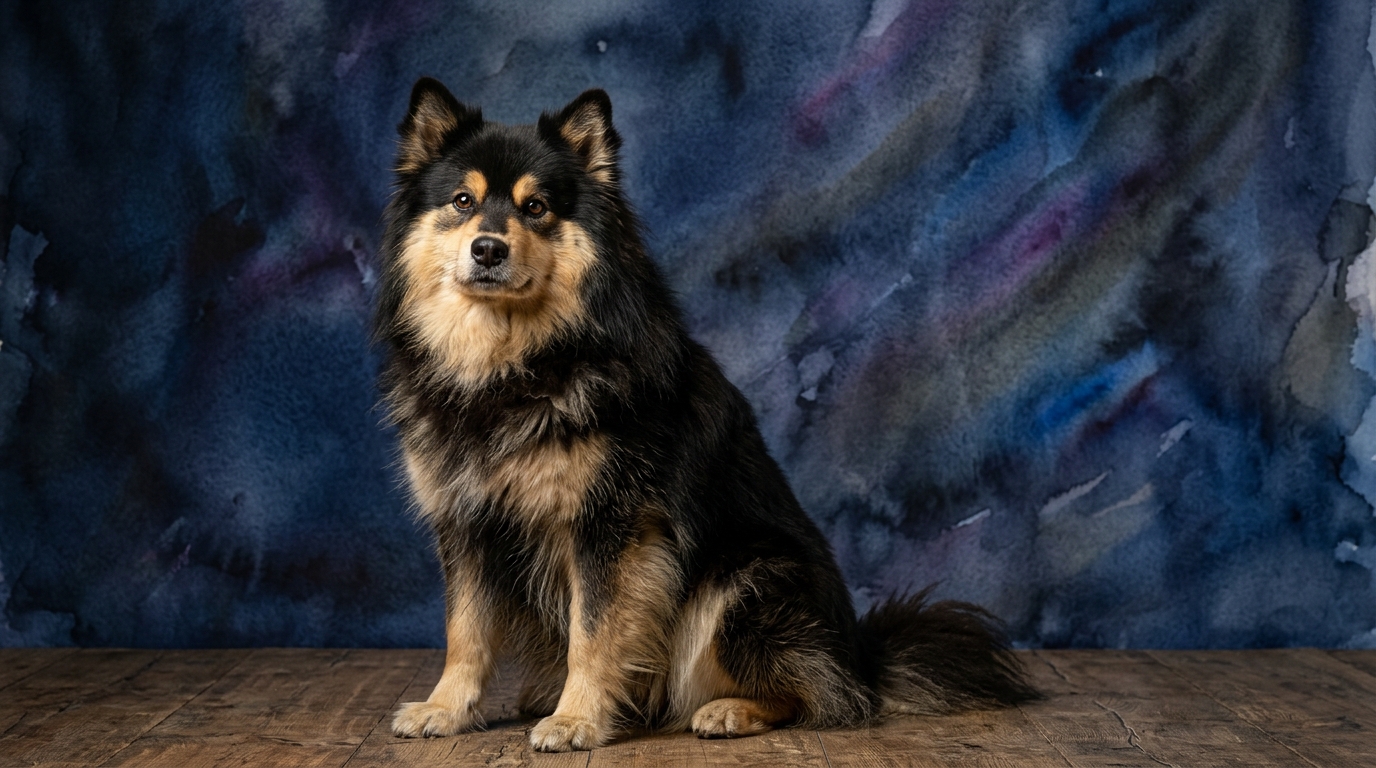
At The Cosmic Pet Pet IQ Lab, we assess canine cognition across five key dimensions, and both the Finnish Lapphund and Basset Hound register a consistent 3/5 in each, indicating moderate capabilities. However, the *application* of these capabilities differs significantly due to their distinct histories and breed groups. For the Finnish Lapphund, a Herding dog, this moderate rating reflects a balanced intellect suitable for their traditional role of managing reindeer in vast, challenging landscapes.
The Basset Hound, a member of the Hound group, also scores 3/5 across the board, but their cognitive profile is heavily influenced by their specialized role as scent trailers. Their intelligence is geared towards sustained, independent work, often with a singular focus on an olfactory task. Understanding these foundational differences is crucial to appreciating their respective mental landscapes.
Finnish Lapphund: Cognition For Collaborative Herding
The Finnish Lapphund’s Problem Solving at 3/5 is often expressed in dynamic, real-time scenarios. They demonstrate a moderate capacity to assess changing situations, such as a stray reindeer or an unexpected obstacle, and adapt their approach. Their solutions are frequently practical and involve active engagement with their environment and handler, focusing on maintaining order or navigating terrain.
Training Speed at 3/5 reflects their willingness to learn and work cooperatively, though they possess an independent streak typical of herding breeds that requires consistent, positive reinforcement. They grasp new commands and routines at a steady pace, often motivated by a desire to participate and please their 'flock.' Social Intelligence, also 3/5, manifests as a keen awareness of family dynamics and human moods. They are attentive to cues and often seek interaction, acting as a responsive companion.
Their Instinctive Drive (3/5) is rooted in herding, which translates to an innate desire to gather, protect, and be vigilant. This drive informs their problem-solving and social interactions, making them proactive and engaged members of a household. Memory at 3/5 means they retain training, routines, and familiar paths well, contributing to their reliability and ability to learn complex sequences over time.
Basset Hound: Cognition For Independent Scent Work
The Basset Hound’s Problem Solving (3/5) is uniquely tailored to their scenting heritage. They exhibit a moderate ability to overcome physical barriers or navigate complex environments when pursuing a trail, demonstrating a persistent, methodical approach. Their problem-solving is less about dynamic interaction and more about sustained, focused effort to achieve a sensory goal.
Training Speed at 3/5 often presents as deliberate rather than slow. While capable of learning, their powerful Instinctive Drive (3/5) towards scent work means they can be easily distracted by interesting smells, making consistent engagement a challenge without high-value motivation. Their social intelligence, also 3/5, is characterized by a calm, tolerant demeanor. They are generally amiable and integrate well into families, observing rather than actively managing social interactions, often content to be near their people without constant engagement.
Their Instinctive Drive (3/5) is almost entirely dedicated to scent, giving them an unparalleled ability to follow a trail, often to the exclusion of all else. This drive can make recall difficult if a compelling scent is present. Memory at 3/5 means they recall training and routines, but their most acute memory often relates to specific scent profiles and the locations where interesting smells were found, reinforcing their primary drive.
Which Is Easier To Train and Why?
When considering ease of training, the Finnish Lapphund generally presents a more straightforward experience. Their herding background instills a natural inclination to work in partnership with humans, making them more receptive to commands and eager to please their 'flock leader.' While they can be independent thinkers, their motivation to engage and respond to direction is typically strong, particularly when training involves positive reinforcement and stimulating activities.
The Basset Hound, conversely, can be more challenging to train, primarily due to their formidable scent drive. While they are capable of learning and understanding commands, their single-minded pursuit of an interesting smell can override any previous training, especially recall. Their perceived 'stubbornness' is often a manifestation of their breed purpose – following a scent trail is their ultimate reward, and it requires immense focus. Effective training for a Basset Hound demands exceptional patience, high-value rewards, and a deep understanding of their olfactory world to compete with environmental distractions.
Suitability for Active vs. Relaxed Owners
For owners with an active lifestyle, the Finnish Lapphund is an excellent match. Their background as working dogs means they thrive on mental stimulation and regular physical exercise. They enjoy activities like hiking, dog sports (agility, obedience), and even simply having a 'job' around the house, like fetching or carrying items. They are engaged companions who want to be part of the action, making them ideal for families who spend a lot of time outdoors or enjoy training sessions.
The Basset Hound, on the other hand, is perfectly suited for more relaxed owners. While they require daily walks to maintain health and satisfy their sniffing instincts, their overall exercise needs are moderate. They are content with a slower pace of life, often enjoying long, luxurious naps on the sofa as much as a stroll around the neighborhood. Their calm, amiable nature makes them wonderful companions for individuals or families seeking a loyal, laid-back presence in their home, as long as they can provide opportunities for scent exploration.
The Verdict
Choose the Finnish Lapphund if you seek an active, cooperative canine partner eager for mental challenges and physical engagement in a dynamic household.
Opt for the Basset Hound if you prefer a calm, affectionate companion who finds profound joy in exploring the world through scent, and whose activity needs are more moderate.
🧠 Find Your Pet's IQ Score
Our Pet IQ Lab assessment covers 25+ tests across 5 cognitive dimensions — personalized to your breed.
Take the Full IQ Test →Frequently Asked Questions
Are Basset Hounds difficult to train?
Basset Hounds are certainly trainable, but their powerful scent drive can make them challenging. Owners need patience, high-value rewards, and consistency to overcome their tendency to follow compelling smells, especially with recall commands.
Do Finnish Lapphunds bark a lot?
Finnish Lapphunds are known to be vocal, using barks, 'yodeling,' and other sounds as part of their herding communication and vigilance. While not excessive, potential owners should be prepared for a dog that will alert them to new sounds or visitors.
Can Basset Hounds participate in dog sports?
Absolutely! While they may not excel at high-speed agility, Basset Hounds can thrive in scent work, tracking, and obedience. Their methodical nature and incredible noses make them stars in activities that leverage their natural instincts.