
A Side-by-Side Look at Cognitive Profiles
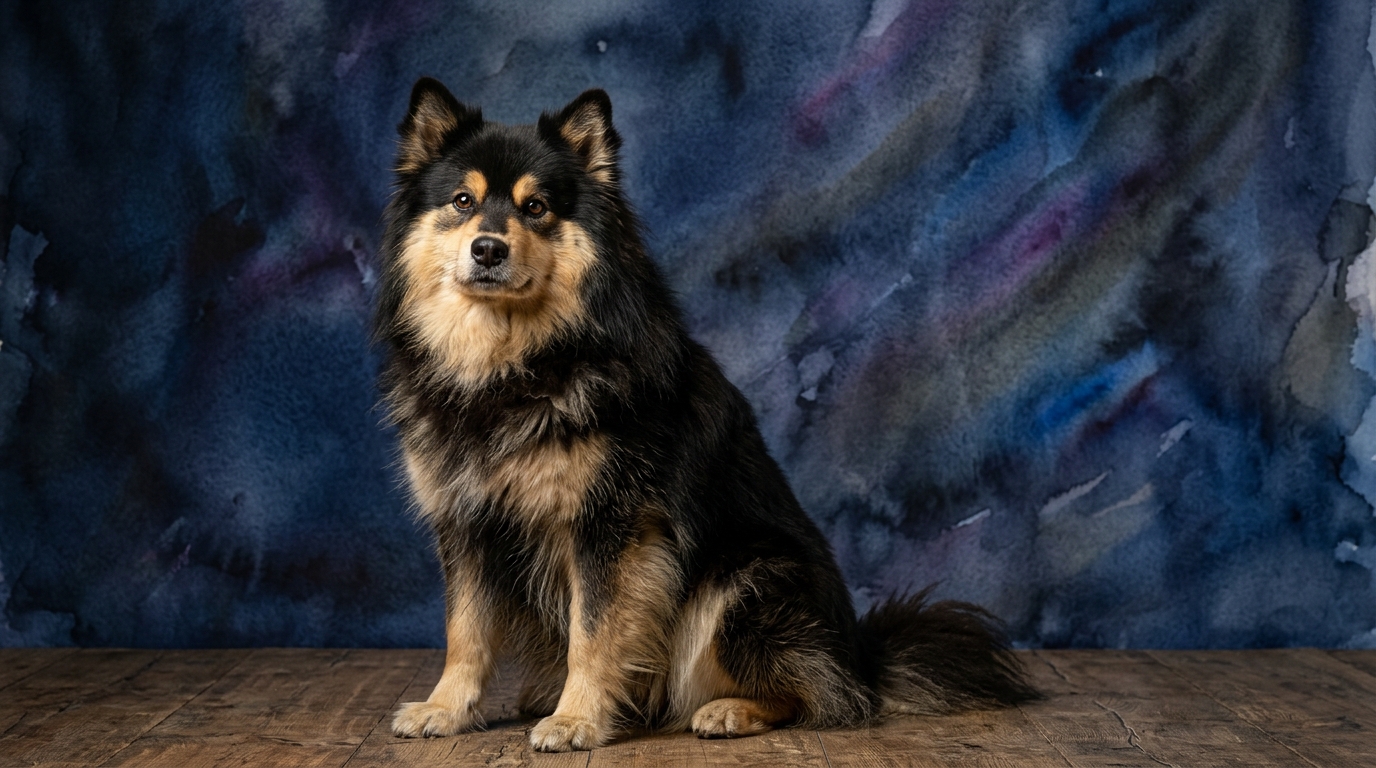
The Finnish Lapphund, originating from the Arctic regions as a reindeer herder, developed a practical intelligence suited to vast, challenging landscapes. Their Problem Solving (3/5) often involves strategic thinking to manage a flock or navigate complex terrain, demonstrating an ability to assess situations and make independent decisions. Training Speed (3/5) is steady; they learn well with consistent, positive reinforcement, often pondering the purpose of a command before fully committing. Social Intelligence (3/5) is expressed through their deep connection with their human family, reading cues and moods with sensitivity, though they maintain a degree of self-reliance. Instinctive Drive (3/5) manifests as a desire to gather and monitor their "flock" (family), providing a watchful, protective presence rather than an intense chase instinct. Their Memory (3/5) is solid, allowing them to recall routines, learned commands, and familiar paths with consistency.
In contrast, the Boykin Spaniel, a "little brown dog" bred in South Carolina for flushing and retrieving waterfowl from boats, honed a task-oriented intelligence. Their Problem Solving (3/5) shines in completing specific objectives, like locating a hidden retrieve in dense cover or navigating water obstacles efficiently, often relying on keen scent work and focused determination. Training Speed (3/5) is generally responsive; they are eager to please and pick up new commands effectively, especially when training incorporates their natural retrieving drive and positive reinforcement. Social Intelligence (3/5) is pronounced in their affable nature, quickly tuning into human intentions and thriving on cooperative interaction. Instinctive Drive (3/5) centers on their passion for retrieving and water, making them enthusiastic participants in activities that engage these natural inclinations. Their Memory (3/5) allows them to retain complex sequences of commands and remember locations of past retrieves, ensuring reliable performance in their sporting roles.
Where the Finnish Lapphund's Cognition Shines
While both breeds share a 3/5 rating across cognitive dimensions, the Finnish Lapphund's specific strengths emerge from its herding heritage. Their problem-solving, for example, is less about singular task completion and more about dynamic environmental assessment. A Lapphund might excel at figuring out how to direct a group of entities, whether it's children or other pets, subtly guiding them from one area to another without direct commands, showcasing a nuanced understanding of spatial relationships and group dynamics. This strategic thinking, combined with their moderate social intelligence, allows them to anticipate needs and intervene proactively, like alerting an owner to an approaching stranger long before they are at the door, demonstrating a complex interpretation of their surroundings.
Their vocal communication is another subtle cognitive advantage. Lapphunds exhibit varied barks and "talk," using different tones and intensities to convey distinct messages. This isn't just noise; it’s a form of communication that requires a moderate level of social intelligence to understand when and how to vocalize effectively to their human companions. This ability to 'narrate' their observations or express needs with specific sounds suggests a cognitive capacity for nuanced expression beyond simple barks, allowing for more intricate communication with their trusted family members.
Where the Boykin Spaniel's Cognition Excels
The Boykin Spaniel’s cognitive strengths are equally rooted in its purpose, manifesting as focused dedication to a task and exceptional sensory integration. Their problem-solving, while also 3/5, is particularly adept at overcoming obstacles to achieve a specific, tangible goal, often involving scent. For instance, a Boykin will methodically and persistently work through dense brush to locate a thrown dummy, using their nose and memory to triangulate its position, demonstrating resilience and single-mindedness in pursuit of their objective. This practical application of problem-solving for retrieval tasks is a hallmark of their working intelligence.
Their training speed and social intelligence, both rated 3/5, synergize to create a highly cooperative learner. Boykins exhibit a strong desire to engage with their handler and perform tasks, making them particularly responsive to direction in the field or during training sessions. Unlike the Lapphund, who might assess the 'why' of a command, the Boykin is often driven by the 'how' – how to execute the command perfectly to earn praise and continue the interaction. This eager-to-please attitude, coupled with their moderate memory, allows them to quickly internalize and reliably repeat complex retrieving patterns or obedience routines, making them excellent partners for intricate sporting activities.
Training Approaches: Finnish Lapphund vs. Boykin Spaniel
When considering ease of training, both breeds, with their 3/5 training speed, offer a moderate learning curve, but their underlying motivations differ. The Finnish Lapphund often approaches training with a thoughtful, sometimes independent, mindset. They are not necessarily stubborn, but they may pause to evaluate a command, particularly if it doesn't immediately align with their perceived purpose or if they sense inconsistency. This means an owner needs patience, clear communication, and a strong, trusting relationship where the Lapphund feels their input is valued, making consistency and positive reinforcement crucial to overcome their tendency to self-assess situations.
The Boykin Spaniel, conversely, typically approaches training with an enthusiastic, task-focused eagerness. Their desire to please their handler and engage in activity, especially retrieving, makes them generally more straightforward to motivate. While they can be distracted by environmental stimuli if not properly engaged, their inherent drive to work cooperatively means they respond well to lively, reward-based training sessions. Owners will find success by incorporating games of fetch, scent work, and plenty of verbal praise, leveraging their natural inclinations to make learning enjoyable and effective.
Ideal Lifestyles: Active Owners vs. Relaxed Owners
Neither the Finnish Lapphund nor the Boykin Spaniel are suited for entirely relaxed, sedentary lifestyles, but the nature of their activity needs varies. The Finnish Lapphund thrives with owners who can provide consistent mental engagement alongside physical exercise. Their moderate instinctive drive and problem-solving skills mean they benefit from activities that require thought, such as puzzle toys, scent games, or even participation in dog sports like agility or obedience that challenge their decision-making. While they enjoy outdoor adventures, they are often content to observe and be with their family indoors, provided their mental needs are met, making them suitable for active owners who also appreciate a watchful, calm presence inside the home.
The Boykin Spaniel, with its moderate sporting drive, requires owners who are prepared for regular, vigorous physical activity, particularly those involving retrieving and water. These dogs are happiest when they have a job to do, whether it's multiple rounds of fetch, swimming, or accompanying their owners on hikes. While they are affectionate and can be relaxed indoors, their energy levels are higher and more consistently geared towards physical exertion. They are ideal for active individuals or families who enjoy outdoor pursuits and can incorporate their dog into these activities, providing ample opportunities for them to express their natural retrieving instincts.
The Verdict
Choose a Finnish Lapphund if you appreciate a thoughtful, independent companion who offers nuanced communication and enjoys mental challenges alongside physical activity, thriving in a family that values their watchful, cooperative nature.
Opt for a Boykin Spaniel if you seek an enthusiastic, task-oriented partner eager for outdoor adventures, particularly those involving retrieving and water, and thrive on a strong, interactive bond fueled by cooperative work.
🧠 Find Your Pet's IQ Score
Our Pet IQ Lab assessment covers 25+ tests across 5 cognitive dimensions — personalized to your breed.
Take the Full IQ Test →Frequently Asked Questions
Are Finnish Lapphunds good with children?
Yes, Finnish Lapphunds are generally good with children, often displaying a patient and watchful demeanor. Their herding instinct may lead them to gently "gather" children, but proper socialization ensures they are gentle family companions.
Do Boykin Spaniels require a lot of grooming?
Boykin Spaniels have a medium-length coat that requires regular grooming to prevent matting, especially around the ears and feathering. Weekly brushing and occasional professional trims help maintain their coat health and appearance.
Can a Finnish Lapphund live in an apartment?
A Finnish Lapphund can adapt to apartment living if their significant mental and physical exercise needs are consistently met. Daily walks, engaging play, and puzzle toys are essential to prevent boredom and ensure their well-being in a smaller space.