Side-by-Side IQ Profile: Lapphund vs. Chessie
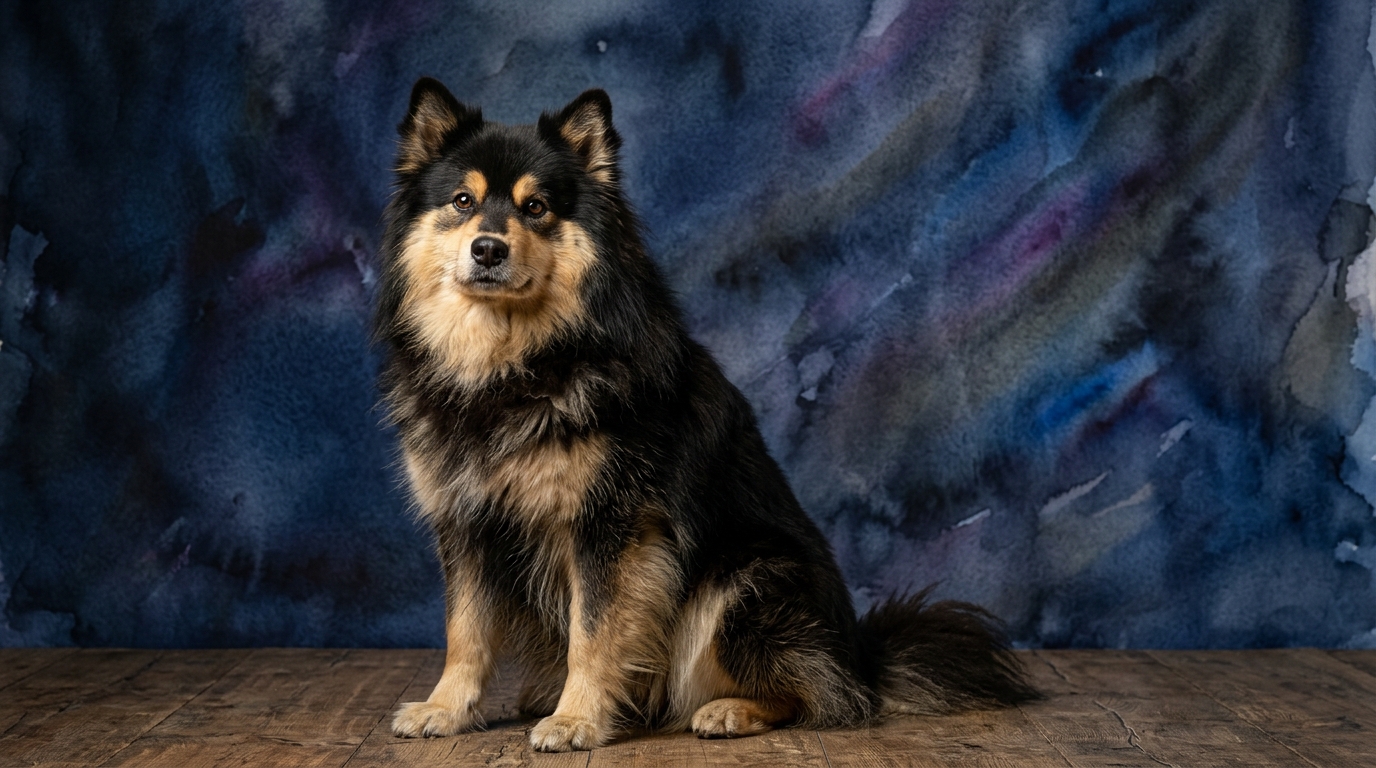
The Finnish Lapphund, a breed not ranked by Coren, presents a balanced cognitive profile reflecting its heritage as a nomadic reindeer herder. Its problem-solving ability rates 3/5, suggesting practical, independent decision-making within familiar environments rather than abstract puzzle-solving. Training speed is 3/5, indicating they learn with consistency and clear motivation, though perhaps not with lightning quickness. Social intelligence at 3/5 points to a good capacity for understanding human cues and forming strong bonds, without being overly demanding. An instinctive drive of 3/5 signifies a moderate, purposeful drive, primarily for tasks related to herding or vigilance, and memory at 3/5 denotes competence in recalling learned behaviors and routines.
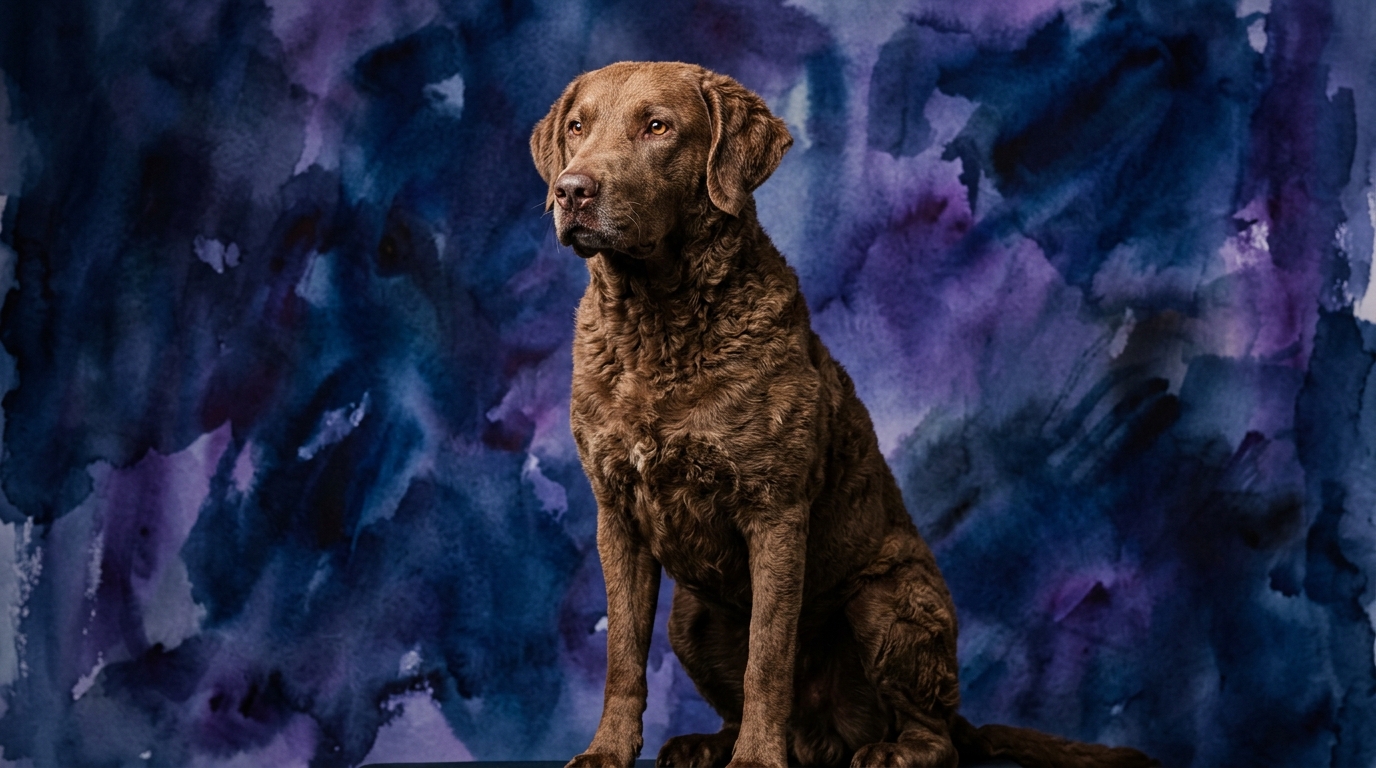
The Chesapeake Bay Retriever, Coren-ranked #27, exhibits a more specialized cognitive profile, honed for demanding retrieving work in challenging conditions. Its problem-solving ability at 4/5 indicates a strong capacity for strategizing during retrieves, navigating obstacles, and adapting to varied scenarios. A training speed of 4/5 places them among breeds that grasp new commands relatively quickly, eager to perform tasks for their handler. Social intelligence, also at 3/5, suggests they are attuned to their owner's intentions but are often described as more reserved than many retrievers. Their instinctive drive of 3/5 is powerful and focused, primarily directed towards retrieving and working, while their memory at 4/5 is crucial for remembering fall locations of game and complex multi-step commands. The Coren ranking further supports their capacity for obedience and working intelligence.
Where the Finnish Lapphund Excels Cognitively
The Finnish Lapphund's cognitive strengths often lie in their nuanced environmental awareness and independent judgment, essential traits for a herding dog operating in vast, often remote landscapes. Their problem-solving (3/5) might not manifest as quickly solving puzzle toys, but rather in their ability to assess and manage a flock, or navigate complex terrain without constant human direction, making subtle, context-dependent decisions. This independence, coupled with their balanced social intelligence (3/5), allows them to be highly observant of their human family's emotional states while maintaining a certain self-reliance, rather than being overly dependent.
Their memory (3/5) is particularly strong for spatial recall and remembering routines within their established territory, which is vital for a breed whose historical role involved extensive patrolling and guiding. This cognitive package allows them to be exceptionally adaptable to changing weather and environmental conditions, thriving in situations where other breeds might struggle with uncertainty. Their thoughtful approach to their surroundings and their ability to make decisions autonomously in a dynamic environment are distinctive advantages.
Where the Chesapeake Bay Retriever Holds the Cognitive Edge
The Chesapeake Bay Retriever's cognitive advantages are sharply focused on their working utility, particularly in complex retrieving scenarios. Their superior problem-solving (4/5) allows them to devise effective strategies for retrieving fallen game from challenging environments, such as icy water or thick cover, often requiring them to plot the most efficient path. This is complemented by their excellent memory (4/5), which enables them to remember multiple “falls” or retrieve sequences, a critical skill for a waterfowl dog during a hunt.
Their high training speed (4/5) means they are generally quicker to learn and retain commands, making them exceptionally responsive to structured training and intricate tasks. While their instinctive drive is rated 3/5, it is a powerful, unwavering focus on their retrieving duties, often coupled with remarkable stamina and resilience, pushing them to complete tasks even in adverse conditions. This combination of cognitive traits makes the Chessie a formidable and highly capable working partner, excelling in tasks requiring precision, endurance, and strategic thinking under pressure.
Training Dynamics: Which is Easier to Train?
When considering ease of training, the Chesapeake Bay Retriever generally presents a more straightforward path for owners seeking a biddable, task-oriented companion, primarily due to their higher training speed (4/5) and innate desire to work alongside their handler. Chessies are typically eager to please and find satisfaction in performing commands, especially those related to retrieving, which aligns with their strong instinctive drive. Their ability to quickly grasp new concepts and remember multi-step sequences means they can progress rapidly through obedience and specialized training, often thriving on clear direction and consistent reinforcement.
The Finnish Lapphund, with a training speed of 3/5, requires a more nuanced approach. Their herding heritage instilled a degree of independence, meaning they are less inclined to blindly follow commands and will often consider “what’s in it for them” or whether the command makes sense from their perspective. While intellectually capable, their learning curve might be slower for tasks that don’t directly appeal to their natural instincts. Training a Lapphund demands patience, positive reinforcement, and a deep understanding of their herding temperament, focusing on building a strong, trusting relationship where they choose to cooperate rather than simply obey. They respond best to engaging, varied training sessions that respect their thoughtful nature, rather than rote repetition.
Activity Levels: Active Owners vs. Relaxed Owners
Both breeds demand a significant commitment from their owners, but their activity needs manifest differently. The Chesapeake Bay Retriever is unequivocally suited for highly active owners. Their robust physical build, combined with a powerful instinctive drive (3/5) for retrieving and an impressive stamina, means they require rigorous daily exercise, including substantial runs, swims, or demanding field work. A Chessie thrives when given a “job” that engages both their body and their sharp mind, making them excellent partners for hunters, competitive dog sports enthusiasts, or those who enjoy extensive outdoor adventures in all weather conditions. Without sufficient mental and physical outlets, their problem-solving and drive can turn towards undesirable behaviors.
The Finnish Lapphund, while also requiring an active lifestyle, has needs that are perhaps more about consistent engagement and mental stimulation rather than constant, high-intensity physical exertion. Their herding background means they appreciate having a purpose, whether it’s “herding” children, monitoring the household, or participating in dog sports like agility or obedience. While they enjoy long walks and outdoor exploration, their instinctive drive (3/5) is also satisfied by mental challenges and opportunities to use their problem-solving skills in a more independent, observant manner. They can adapt to a slightly less frenetic pace than a Chessie, but still need daily interaction, training, and opportunities to expend energy, making them ideal for active owners who enjoy varied activities and value a thoughtful, engaged companion over a purely driven athlete.
The Verdict
Choose the Finnish Lapphund if you seek an independent, thoughtful companion who excels in nuanced environmental understanding and forms deep, sensitive bonds, thriving with consistent mental engagement and varied outdoor activities. They are ideal for owners who appreciate a dog that thinks for itself and responds best to patient, relationship-based training.
Opt for the Chesapeake Bay Retriever if you are a highly active owner seeking a driven, capable working partner with exceptional problem-solving and memory for demanding tasks, particularly in retrieving and water sports. They flourish with rigorous physical exercise and structured training, eager to learn and perform complex commands.
🧠 Find Your Pet's IQ Score
Our Pet IQ Lab assessment covers 25+ tests across 5 cognitive dimensions — personalized to your breed.
Take the Full IQ Test →Frequently Asked Questions
How does the Finnish Lapphund's herding background influence its intelligence?
The Finnish Lapphund's herding heritage fosters independence, keen environmental awareness, and a nuanced understanding of group dynamics. This translates into practical problem-solving skills for managing a flock or navigating terrain, and a thoughtful approach to learning rather than blind obedience.
What kind of training environment best suits a Chesapeake Bay Retriever?
A Chesapeake Bay Retriever thrives in structured training environments that offer clear expectations, consistency, and ample opportunities for mental and physical engagement, especially retrieving tasks. Their eagerness to learn and high training speed make them responsive to positive reinforcement and goal-oriented training methods.
Are either of these breeds good for first-time dog owners?
Neither breed is typically recommended for novice owners due to their strong working drives and specific training requirements. Both the Finnish Lapphund's independence and the Chesapeake Bay Retriever's intensity require experienced handling and a significant commitment to training, socialization, and exercise.