Side-by-Side IQ Profile: Unpacking Identical Scores
Our Pet IQ Lab evaluates five critical dimensions: Problem Solving, Training Speed, Social Intelligence, Instinctive Drive, and Memory. Both the Finnish Lapphund and the Chow Chow register a consistent 3/5 in each of these areas, suggesting a moderate capacity across the board. Yet, the context in which these capacities are engaged varies significantly, reflecting their historical roles and inherent temperaments.
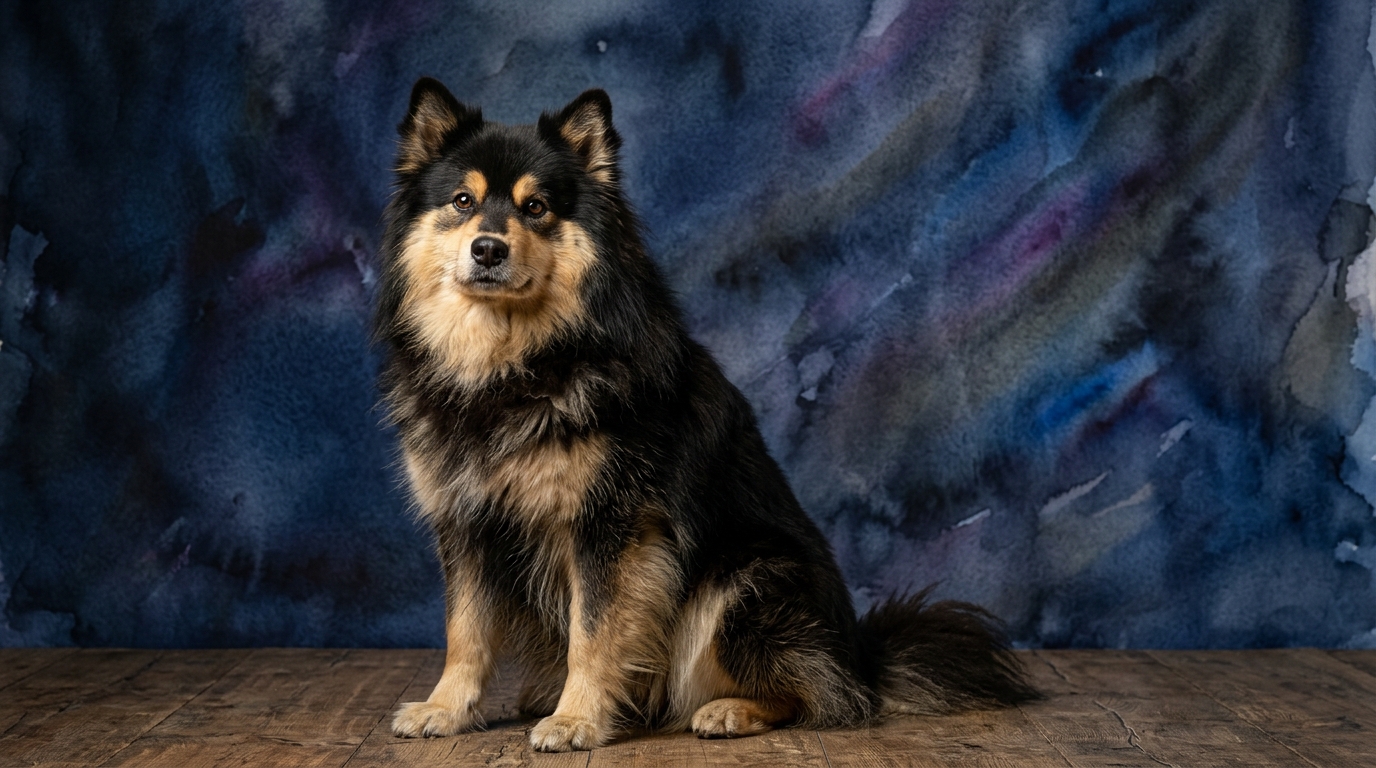
For the Finnish Lapphund, a herding dog from the Arctic, its 3/5 Problem Solving often manifests in navigating complex terrain or managing a flock, requiring adaptive thinking within a cooperative framework. Its 3/5 Training Speed is supported by a general eagerness to please and work alongside humans, making it responsive to guidance. The 3/5 Social Intelligence is geared towards understanding its human handler's cues and interacting effectively with other working dogs, essential for its herding duties. Its 3/5 Instinctive Drive is a finely tuned herding instinct, prompting it to gather and control livestock, while its 3/5 Memory helps it recall commands and routines in varied environments.
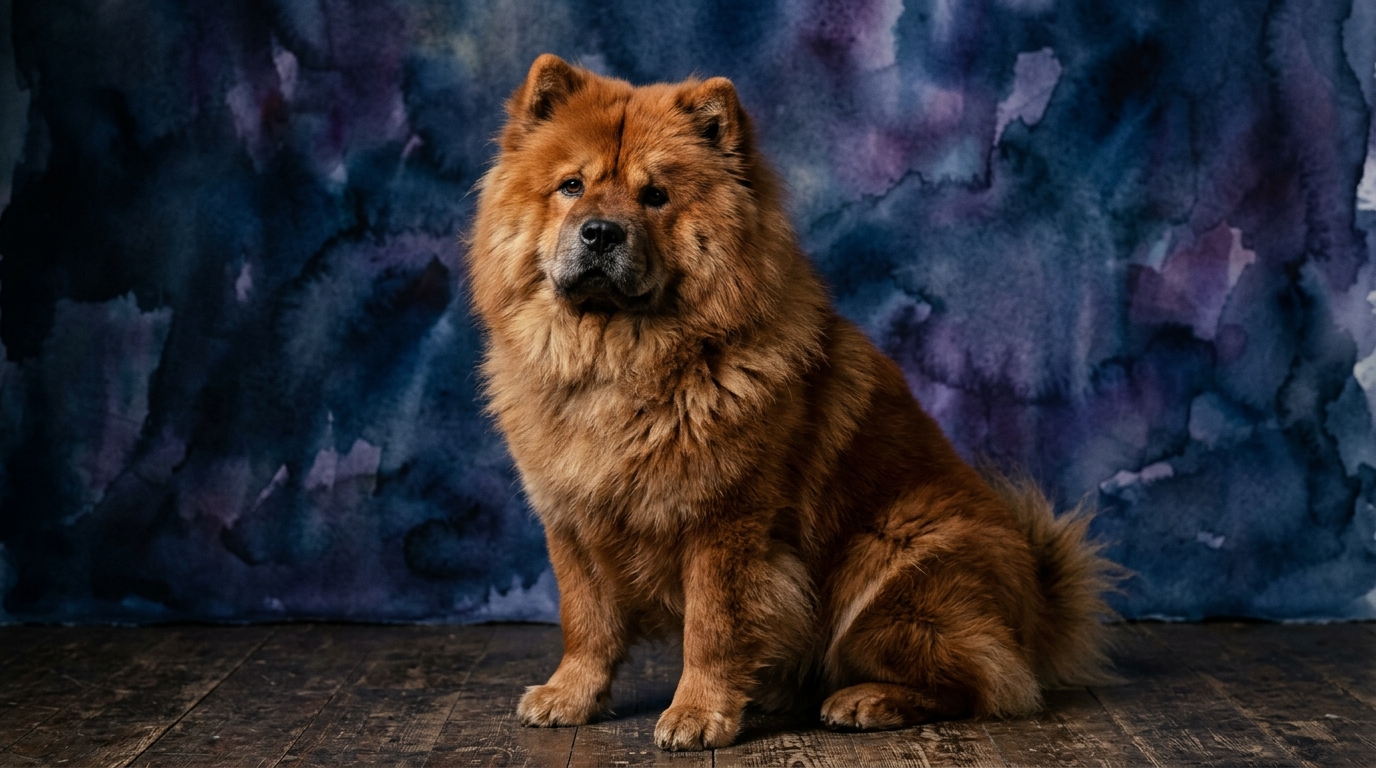
The Chow Chow, an ancient breed originating in China, historically served as a guard dog, hunter, and cart-puller. Its 3/5 Problem Solving is typically applied to independent decision-making, assessing threats or situations without constant human direction. The 3/5 Training Speed, while present, often requires significant motivation and patience due to its independent nature; they learn but may choose when to comply. Its 3/5 Social Intelligence is highly selective, deeply loyal to its primary family but often reserved or aloof with strangers, a trait beneficial for a guardian. The 3/5 Instinctive Drive is channeled into protective vigilance and territoriality, and its 3/5 Memory is robust for remembering established boundaries, routines, and the individuals it considers part of its inner circle.
Where the Finnish Lapphund Wins Cognitively
The Finnish Lapphund's cognitive strengths truly shine in its capacity for cooperative engagement and adaptability. While both breeds score 3/5 in Social Intelligence, the Lapphund's expression of this is outwardly collaborative; it is intrinsically motivated to work with its human counterpart. This translates into a dog that actively seeks to understand and fulfill expectations, making it a keen partner in activities that require teamwork.
Its 3/5 Problem Solving is often applied in dynamic situations where quick adjustments based on human feedback are crucial, such as navigating an agility course or learning complex obedience sequences. This breed demonstrates a flexible thought process, readily adjusting strategies to achieve a shared goal. The combination of its moderate instinctive drive and its social intelligence makes it exceptionally receptive to structured learning and shared tasks, thriving on the mental stimulation derived from working alongside its owner.
Where the Chow Chow Wins Cognitively
The Chow Chow's cognitive prowess is most evident in its independent judgment and discerning nature. Its 3/5 Problem Solving capacity is frequently employed in assessing its environment and making self-reliant decisions, a hallmark of its guardian heritage. This breed can calmly evaluate situations and react appropriately without constant human intervention, demonstrating a quiet confidence in its own assessment.
Despite an identical 3/5 in Social Intelligence, the Chow Chow’s application is distinct: it forms profound, albeit selective, bonds and exhibits a deep understanding of its family unit's dynamics. This selective social intelligence, coupled with its 3/5 Instinctive Drive, allows it to be an astute observer and a steadfast protector, capable of recognizing nuances in unfamiliar situations and responding with appropriate reserve or action. Its memory (3/5) strongly underpins its territorial awareness and loyalty, ensuring it remembers who belongs and who does not.
Which is Easier to Train and Why
When comparing training ease, the Finnish Lapphund generally presents a more straightforward experience. Its herding background instilled a strong desire to work in partnership with humans, making its 3/5 Training Speed highly accessible. Lapphunds are typically eager to please and respond well to positive reinforcement, viewing training as an engaging collaborative activity. They are often quick to grasp new commands and enjoy the mental stimulation of learning, making them a rewarding breed for those who enjoy consistent training.
The Chow Chow, conversely, can be more challenging to train, not due to a lack of ability (it also scores 3/5 in Training Speed), but due to its independent and self-assured temperament. A Chow Chow needs to perceive the value or logic in a command to comply consistently. While capable of learning rapidly, they may choose to obey based on their own assessment of the situation or their mood. Training a Chow Chow requires immense patience, consistency, and a deep understanding of their unique motivations, focusing on building trust and demonstrating the benefits of cooperation rather than demanding blind obedience.
Which Suits Active Owners vs Relaxed Owners
For owners seeking an active and engaged companion, the Finnish Lapphund is typically a better fit. Its 3/5 Instinctive Drive, rooted in herding, means it thrives on regular physical activity and mental challenges. Lapphunds excel in dog sports like agility, obedience, and rally, and enjoy long hikes or adventurous outings. They require an owner who can consistently provide outlets for their problem-solving skills and cooperative nature, channeling their energy into productive and stimulating activities.
The Chow Chow, while not a couch potato, generally suits more relaxed owners who appreciate a dignified and independent presence. Its 3/5 Instinctive Drive is often expressed through watchful patrolling of its territory and a preference for routine, rather than continuous high-energy demands. They require daily walks but are typically satisfied with moderate exercise and quiet companionship. An owner who respects their independent streak and doesn't demand constant attention will find a loyal, albeit reserved, companion in the Chow Chow.
The Verdict
For owners seeking a highly collaborative and adaptable canine partner eager for shared activities and consistent training, the Finnish Lapphund is an excellent choice.
If you appreciate a dignified, independent companion with a strong sense of self, who offers selective loyalty and requires patient, trust-based training, the Chow Chow will be a rewarding addition to your home.
🧠 Find Your Pet's IQ Score
Our Pet IQ Lab assessment covers 25+ tests across 5 cognitive dimensions — personalized to your breed.
Take the Full IQ Test →Frequently Asked Questions
Do Finnish Lapphunds bark a lot?
Finnish Lapphunds are known to be vocal, using barks to communicate, especially in their traditional herding role. Their 3/5 social intelligence means they are responsive to their environment, and they may bark to alert their owners or express excitement. Consistent training can help manage excessive barking.
Are Chow Chows good with children?
Chow Chows can be good with respectful, older children within their immediate family, due to their 3/5 social intelligence focusing on their inner circle. However, their independent and sometimes aloof nature means they may not tolerate typical child boisterousness or rough play from unfamiliar children. Supervision and early socialization are critical.
How much exercise does a Chow Chow need daily?
While possessing a 3/5 instinctive drive, Chow Chows typically require moderate daily exercise, such as one or two brisk walks totaling 30-60 minutes. They are not high-energy dogs and prefer routine, often enjoying patrolling their yard or quiet companionship over intense, prolonged activity. Over-exercising them in hot weather should be avoided due to their thick coats.