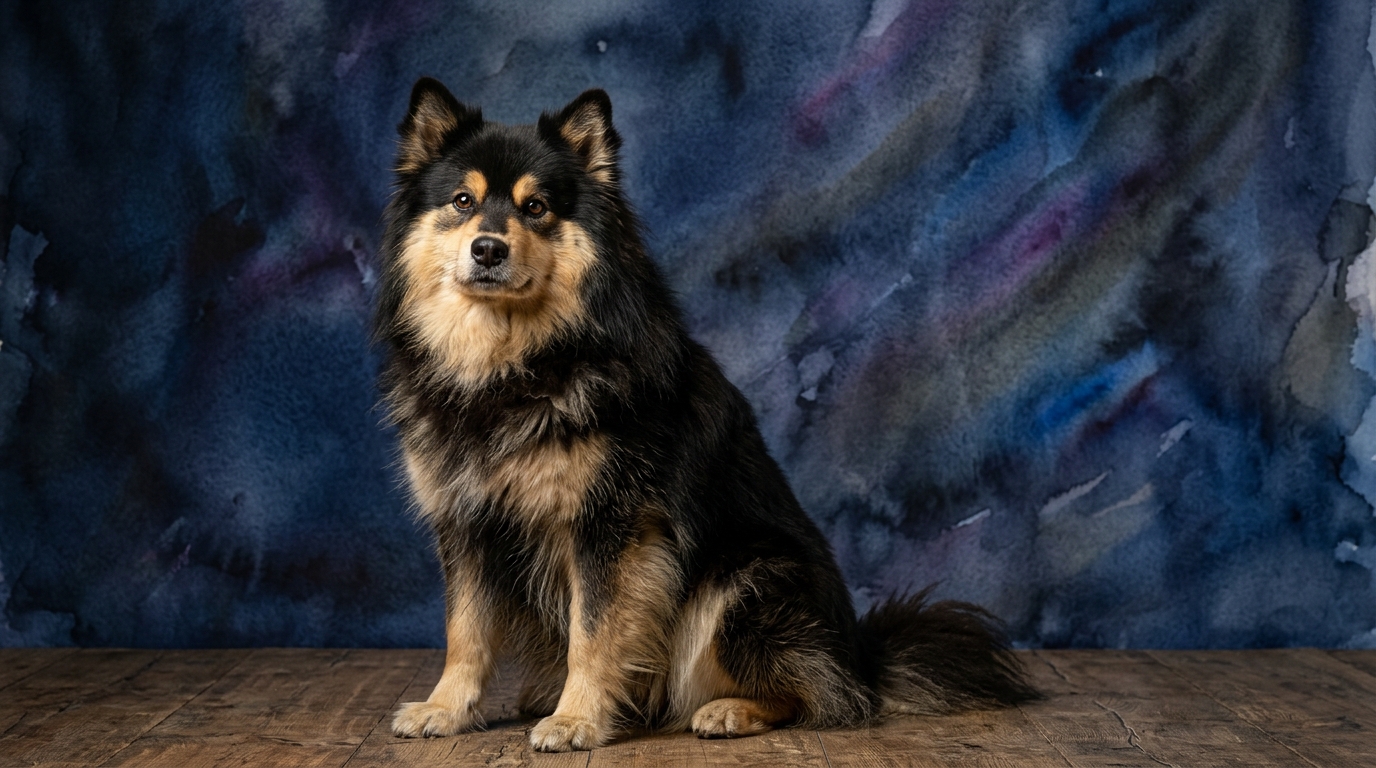
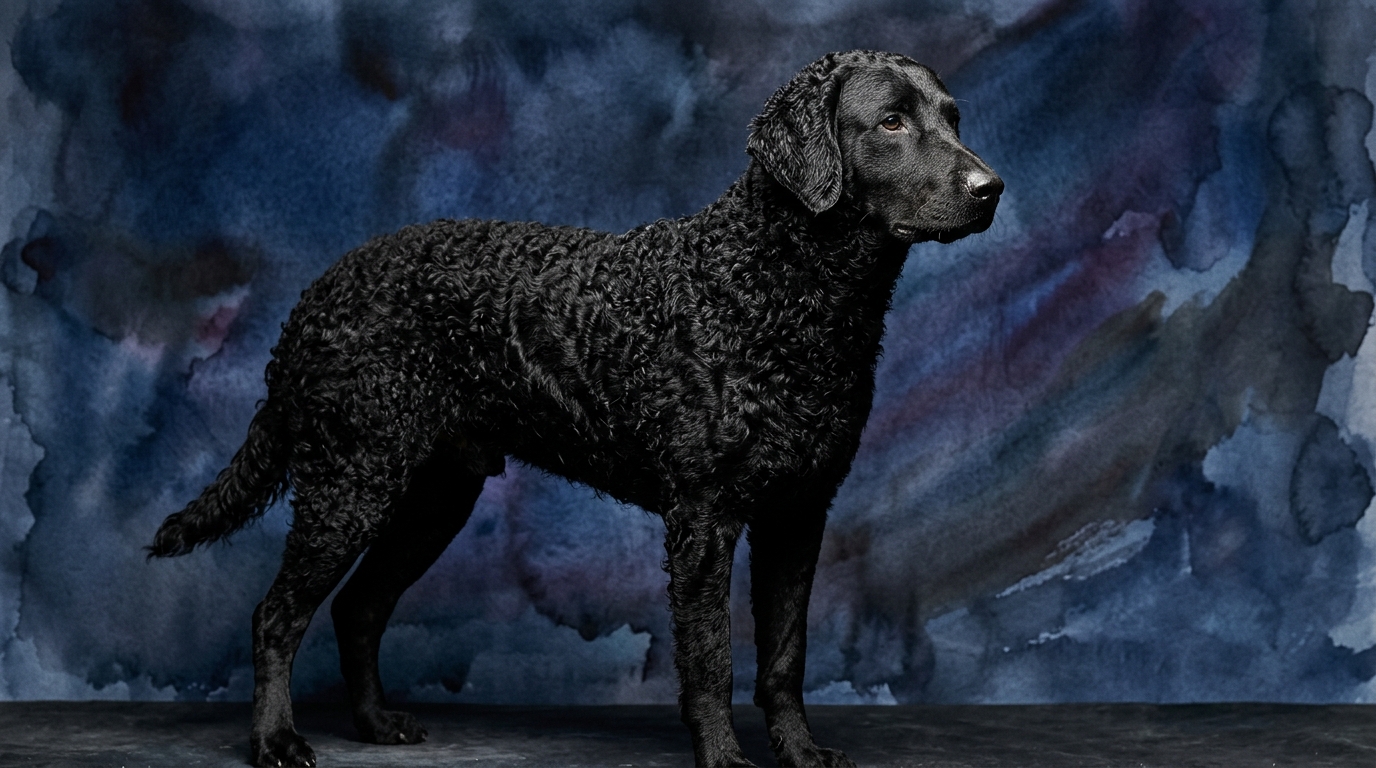
Side-by-Side IQ Profile: Finnish Lapphund vs. Curly-Coated Retriever
Originating from the Arctic Circle, the Finnish Lapphund's cognitive profile reflects its heritage as a reindeer herder. Their Problem Solving is rated 3/5, indicating an aptitude for navigating complex environments and adapting strategies to manage livestock, often requiring quick, independent decisions in dynamic situations. Training Speed, also 3/5, suggests they learn new commands at a moderate pace, often thriving with positive reinforcement that respects their inherent independence. With a Social Intelligence score of 3/5, Lapphunds are generally attuned to their human family's emotions and pack dynamics, though they might display a characteristic Nordic reserve with strangers. Their Instinctive Drive, 3/5, is centered around their herding heritage, manifesting as a keen awareness of their surroundings and a desire to 'manage' their environment, be it livestock or family members. Finally, their Memory at 3/5 allows them to recall learned tasks, routes, and individual animals, sufficient for their pastoral duties.
The Curly-Coated Retriever, a classic British gundog, possesses a cognitive makeup tailored for retrieving game from land and water. Their Problem Solving, rated 3/5, demonstrates their capacity to overcome physical obstacles to successfully retrieve objects, often requiring strategic navigation through challenging terrain or dense cover. A Training Speed of 3/5 suggests they absorb new information at a steady rate, but their sensitive nature means they respond best to gentle, consistent methods, and can be easily discouraged by harshness. Their Social Intelligence, 3/5, allows them to form deep bonds with their immediate family, understanding their moods and intentions, though they often maintain a dignified aloofness with unfamiliar individuals. The Curly's Instinctive Drive, 3/5, is heavily geared towards their retrieving purpose, encompassing a strong desire to work, an excellent nose, and an innate affinity for water. A standout feature is their Memory, rated 4/5, which is crucial for marking falls, remembering multiple retrieve locations, and executing complex, multi-step sequences in the field.
Where the Finnish Lapphund Wins Cognitively
The Finnish Lapphund's cognitive strengths truly shine in scenarios demanding adaptable problem-solving and nuanced social understanding within a fluid group dynamic. While both breeds share a 3/5 for Problem Solving, the Lapphund's application of this score is often seen in its capacity for independent decision-making when managing a flock. This involves assessing the unpredictable movements of livestock, anticipating their next actions, and adjusting its own strategy without constant human direction—a different kind of problem than retrieving a static object. Their 3/5 Social Intelligence, while matching the Curly-Coated Retriever numerically, manifests distinctively; Lapphunds excel at reading the subtle social cues not just of their human family but also of other animals, enabling them to understand and influence group behaviors effectively. This allows them to skillfully guide and control a herd, demonstrating a sophisticated form of applied social cognition that is less about retrieving a specific item and more about managing a living, moving system. Their instinctive drive, also 3/5, is finely tuned for observation and strategic movement, giving them an edge in tasks requiring a broader situational awareness rather than focused precision on a single target.
Where the Curly-Coated Retriever Wins Cognitively
The Curly-Coated Retriever's cognitive edge is most evident in its superior Memory, scoring 4/5 compared to the Lapphund's 3/5. This enhanced recall is a critical asset for a retrieving dog, allowing them to accurately mark the fall of multiple birds, remember their precise locations, and execute complex retrieving patterns. This isn't just about remembering a single command; it's about storing and retrieving a sequence of spatial and task-related information under pressure. While both breeds share a 3/5 for Problem Solving, the Curly’s application often involves methodically overcoming physical challenges to reach a target, such as navigating dense undergrowth or strong currents to retrieve a specific item. Their 3/5 Instinctive Drive, while numerically similar, is singularly focused on the retrieve, leading to a relentless determination to complete the task once initiated, often involving sustained physical effort and concentration. This focused drive, combined with their excellent memory, makes them particularly adept at tasks requiring precision, endurance, and the ability to follow intricate instructions over extended periods, making them exceptional partners in field work or competitive obedience where exact recall of sequences is paramount.
Which is Easier to Train and Why
Assessing which breed is 'easier' to train, given both have a Training Speed of 3/5, requires looking beyond just raw learning pace to their behavioral nuances. The Finnish Lapphund's herding background means they possess a strong sense of independence and are accustomed to making their own decisions in the field. While they are attentive to their handler (Social Intelligence 3/5), this independence can sometimes translate into a tendency to consider commands rather than simply obey, especially if the command doesn't align with their perceived 'job.' Training a Lapphund therefore requires consistent, engaging methods that build trust and demonstrate the value of cooperation, rather than rote instruction. The Curly-Coated Retriever, while also independent, is known for a 'softer' temperament. This means they are highly sensitive to tone and training methods; harshness can quickly shut them down or make them resistant. Their 3/5 Training Speed suggests they learn steadily, but their 4/5 Memory becomes a significant advantage in *retaining* and *reliably performing* complex learned behaviors over time. Once a Curly understands a task and trusts its handler, its superior recall means it's less likely to 'forget' commands or sequences, potentially making advanced training more reliable in the long run. Therefore, while initial learning speed is comparable, the Curly's memory might make it a more consistent performer in advanced, precise tasks, provided its sensitivity is respected throughout the training process. The Lapphund, conversely, might require more ingenuity from the handler to channel its inherent independence into desired behaviors.
Which Suits Active Owners vs. Relaxed Owners
Neither the Finnish Lapphund nor the Curly-Coated Retriever is suited for a relaxed, sedentary lifestyle; both are working breeds with significant needs for physical activity and mental engagement. The Finnish Lapphund, with its herding heritage, thrives on purposeful activity that engages its problem-solving abilities and instinctive drive. This means more than just a walk around the block; they require opportunities to 'manage' their environment, whether through herding games, advanced obedience, or puzzle toys that challenge their strategic thinking. Owners who enjoy hiking, exploring new trails, or participating in dog sports like agility or rally obedience will find a willing partner in a Lapphund. Their activity needs are often about mental stimulation through movement and decision-making.
The Curly-Coated Retriever, bred for retrieving, also demands a substantial outlet for its physical and mental energies. Their strong retrieving drive (Instinctive Drive 3/5) means they excel at activities like fetch, swimming, and field work. They require sustained periods of vigorous exercise, making them ideal companions for owners who enjoy running, cycling, or spending time by the water. Their excellent memory (4/5) also means they benefit greatly from structured training and dog sports that require remembering complex sequences, such as competitive obedience or advanced retrieving trials. A Curly-Coated Retriever will not be content to simply lounge on the couch; they need a 'job' to do, which involves both physical exertion and mental focus. Therefore, both breeds are best suited for active owners who can commit to providing consistent mental and physical stimulation, though the *type* of activity that best fulfills them differs, with the Lapphund leaning towards strategic and environmental engagement, and the Curly towards focused, physically demanding tasks.
The Verdict
Opt for a Finnish Lapphund if you value an independent, adaptable problem-solver that excels in fluid, dynamic situations and enjoys engaging in activities that simulate herding or require strategic thinking. This breed thrives with owners who appreciate a dog that thinks for itself and can provide consistent, positive training to channel their inherent drive.
Select a Curly-Coated Retriever if you are an active owner looking for a dedicated partner in dog sports like retrieving, agility, or obedience, valuing a dog with exceptional memory for complex sequences and a strong, focused drive to work alongside you. This breed excels in tasks requiring precision, reliability, and sustained effort.
🧠 Find Your Pet's IQ Score
Our Pet IQ Lab assessment covers 25+ tests across 5 cognitive dimensions — personalized to your breed.
Take the Full IQ Test →Frequently Asked Questions
Are Finnish Lapphunds good with children?
Finnish Lapphunds are generally patient and gentle with children, often displaying a protective, watchful nature. Their herding instincts may lead them to gently 'herd' children, so supervision is important to guide appropriate interactions.
Do Curly-Coated Retrievers shed a lot?
Curly-Coated Retrievers shed moderately, but their unique single coat of tight curls helps to contain the hair, making it less noticeable than some other breeds. Regular grooming is still necessary to maintain coat health and minimize loose hair.
Which breed is more vocal, the Finnish Lapphund or the Curly-Coated Retriever?
The Finnish Lapphund is generally considered more vocal, using a variety of barks, howls, and yips to communicate, reflecting their herding communication style. Curly-Coated Retrievers are typically quieter, though they will alert to strangers or unusual sounds.