Side-by-Side IQ Profile
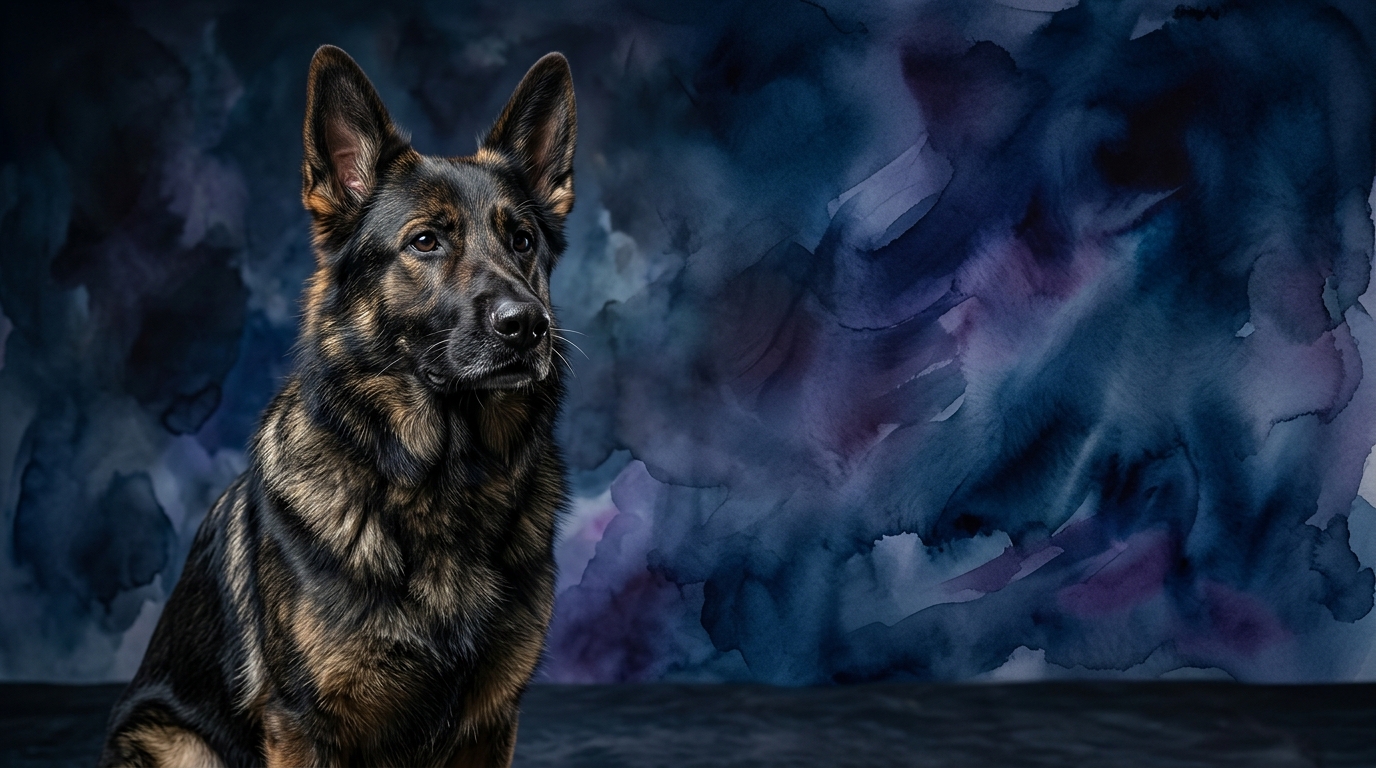
The Cosmic Pet Pet IQ Lab meticulously assesses canine intelligence across five critical dimensions. For the German Shepherd, a Herding group dog ranking #3 on the Coren scale, its profile demonstrates remarkable cognitive breadth. Problem Solving is 5/5, indicating an exceptional capacity to analyze novel situations and devise intricate strategies, honed by centuries of herding and protection work. Training Speed also scores 5/5, reflecting their rapid acquisition of commands and ability to generalize learned behaviors. Social Intelligence is equally impressive at 5/5, showcasing acute sensitivity to human cues, allowing deep cooperative bonds. Their Instinctive Drive, rated 5/5, is a powerful, multifaceted urge to work, protect, and fulfill a purpose. Finally, their Memory, at 5/5, enables retention of vast repertoires of commands and experiences, essential for sustained learning.
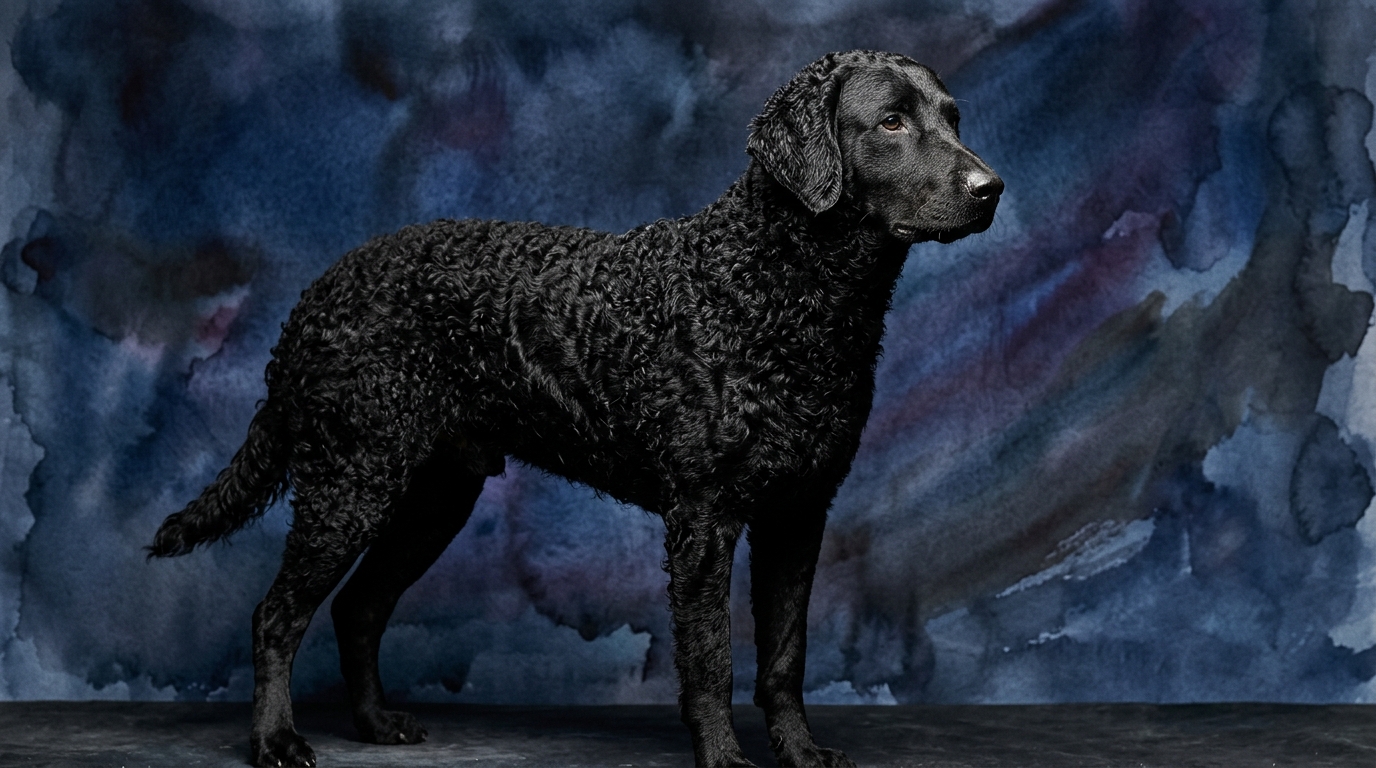
In contrast, the Curly-Coated Retriever, a Sporting group dog ranking #41, presents a different, specialized cognitive architecture. Its Problem Solving is rated 3/5, suggesting a practical, hands-on approach to challenges, often relying on learned sequences within its retrieving domain. Training Speed also sits at 3/5; they learn new commands at a moderate pace, typically requiring more consistent repetition. Their Social Intelligence, rated 3/5, indicates a capable understanding of human companionship and basic cues, fostering strong but straightforward bonds. The Curly-Coated Retriever's Instinctive Drive, also 3/5, is strongly channeled towards its primary function: retrieving, manifesting as a persistent, resilient desire to fetch. Uniquely, their Memory scores 4/5, highlighting a specialized strength in recalling specific retrieving patterns and complex handling sequences, crucial for their role as a steadfast gundog.
Where German Shepherd Wins Cognitively
The German Shepherd's cognitive strengths shine particularly bright in areas demanding rapid adaptability and nuanced interpretation. Their superior Problem Solving (5/5) allows them to excel in novel situations, quickly assessing new challenges and formulating effective strategies without prior exposure, evident in complex service dog tasks or discerning threats. Their exceptional Training Speed (5/5) means they not only grasp new commands quickly but also generalize them across different contexts with minimal effort, making them highly versatile for roles from search and rescue to competitive obedience. Furthermore, their unparalleled Social Intelligence (5/5) enables them to read human cues with remarkable precision, often anticipating their handler's next move, fostering an almost telepathic working relationship. This deep understanding allows for a higher degree of cooperation and responsiveness. Their broad Instinctive Drive (5/5) is readily channeled into diverse working applications, encompassing herding, guarding, and tracking, requiring greater cognitive flexibility.
Where Curly-Coated Retriever Wins Cognitively
While the German Shepherd excels in broad cognitive flexibility, the Curly-Coated Retriever demonstrates specialized cognitive prowess rooted deeply in its retrieving heritage. Their Memory, scoring 4/5, is a standout feature, particularly when applied to their primary function. This entails recalling the precise fall point of multiple birds over long distances and consistently executing multi-part retrieves with minimal error in chaotic environments. This tenacious memory for retrieving sequences and environmental details is paramount to their success as gundogs. Their Instinctive Drive (3/5), while numerically lower than the GSD's, is incredibly focused and persistent within its domain, meaning an unwavering dedication to the retrieve, often requiring sustained focus and independent problem-solving in the field without constant handler intervention. This self-reliance allows them to work effectively at a distance, making independent decisions. Their moderate Social Intelligence (3/5) can also be a unique cognitive advantage; it allows them to form strong bonds without becoming overly sensitive to subtle shifts in human mood or intent, which translates to a steady, less emotionally complex companion in day-to-day life.
Which is Easier to Train and Why
When considering ease of training, the German Shepherd typically presents a smoother and faster learning curve. Their inherent high Training Speed (5/5) means they absorb new commands and concepts remarkably rapidly, often requiring only a few repetitions. This is compounded by their exceptional Social Intelligence (5/5), making them highly attuned to their handler's desires and possessing a strong desire to please. This combination allows for quick generalization of behaviors and rapid progression to complex, multi-step tasks. Their broad Instinctive Drive (5/5) can be readily channeled into various training disciplines, making them highly versatile students.
The Curly-Coated Retriever, with a Training Speed of 3/5 and Social Intelligence of 3/5, requires a more patient and consistent approach. They learn at a deliberate pace, necessitating more repetitions and creative reinforcement. Their independence, valuable for a gundog, can sometimes translate into a “what’s in it for me?” attitude. While they form strong bonds, they may not possess the same intense desire to anticipate and please their handler. Their Instinctive Drive (3/5) is powerfully focused on retrieving, meaning channeling this energy into formal obedience requires careful planning and motivation. They respond best to positive reinforcement and varied sessions to prevent boredom.
Which Suits Active Owners vs. Relaxed Owners
For truly active owners, both breeds can be excellent companions, though they channel their energy and intellect differently. The German Shepherd is an ideal match for owners who thrive on providing extensive mental and physical challenges, including competitive dog sports like Schutzhund, agility, or service work. They demand a “job” and flourish with structured activities engaging their Problem Solving (5/5) and Instinctive Drive (5/5). An active owner for a German Shepherd enjoys consistent training, long hikes, and regular opportunities for their dog to think and work.
The Curly-Coated Retriever also suits active owners, particularly those who enjoy outdoor pursuits centered around their natural retrieving instincts. This means regular swimming, long walks, extensive fetching sessions, and potentially hunting or field trials. Their robust physique and tenacious Instinctive Drive (3/5 focused on retrieve) make them tireless companions. While they need physical outlets, their mental stimulation requirements are less about complex problem-solving tasks and more about consistent engagement in their primary drives.
For relaxed owners, neither breed is an ideal fit. Both are working dogs with significant needs for physical exercise and mental engagement. An unstimulated German Shepherd is prone to destructive behaviors, anxiety, or excessive barking due to their high drive and cognitive capacity. A Curly-Coated Retriever, while perhaps less intense, will still become bored and potentially disruptive if its physical and retrieving needs are not met. Their independent streak, coupled with unspent energy, can lead to mischievousness. If a truly relaxed companion is desired, breeds with less pronounced working drives would be more appropriate.
The Verdict
Choose a German Shepherd if you are seeking a highly adaptable, task-oriented companion for advanced training, protective roles, or competitive dog sports, and you are prepared to provide consistent mental stimulation, clear leadership, and a variety of challenging activities.
Choose a Curly-Coated Retriever if you are seeking a resilient, independent retriever for active outdoor pursuits, particularly waterfowling or extensive fetching, and you appreciate a dog with strong, focused drives, a tenacious memory for tasks, and a moderate, amiable social nature.
🧠 Find Your Pet's IQ Score
Our Pet IQ Lab assessment covers 25+ tests across 5 cognitive dimensions — personalized to your breed.
Take the Full IQ Test →Frequently Asked Questions
Do German Shepherds require more exercise than Curly-Coated Retrievers?
German Shepherds often require a wider variety of mental and physical exercise, including structured training and problem-solving tasks, due to their broad working drives. Curly-Coated Retrievers need significant physical exertion, particularly activities involving retrieving and swimming, but their mental stimulation can be more focused on their core instincts.
Are Curly-Coated Retrievers good family dogs?
Yes, Curly-Coated Retrievers can be devoted family dogs, forming strong bonds with their human companions. They are generally good with children when properly socialized and exercised, but their independent streak means they benefit from consistent guidance and a clear understanding of boundaries within the family unit.
Which breed is better for a first-time dog owner?
Given their rapid learning, strong desire to please, and responsiveness, a German Shepherd can be a rewarding choice for a first-time owner who is committed to extensive training and providing consistent mental and physical challenges. A Curly-Coated Retriever, while amiable, might present more challenges for a novice due to their independent nature and slower training speed, requiring more patience and creative motivation.