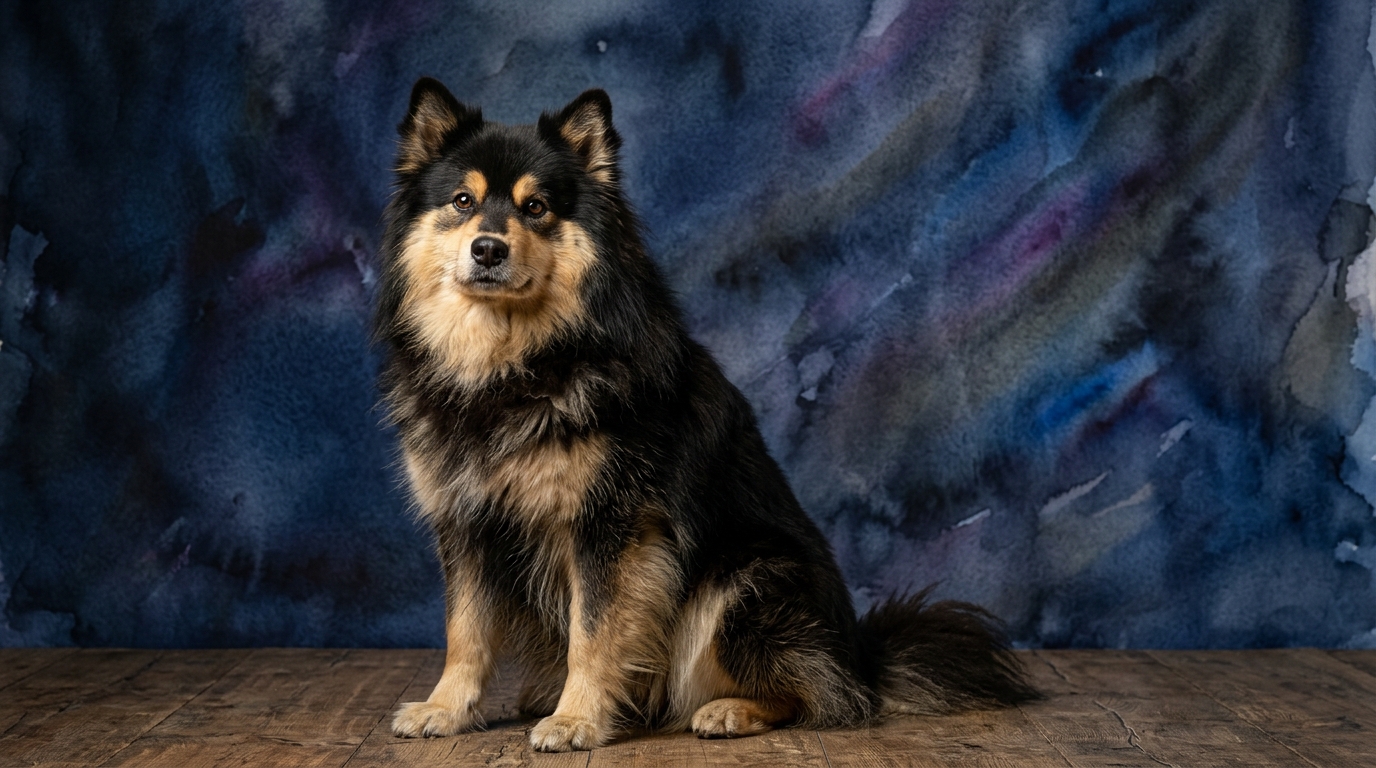
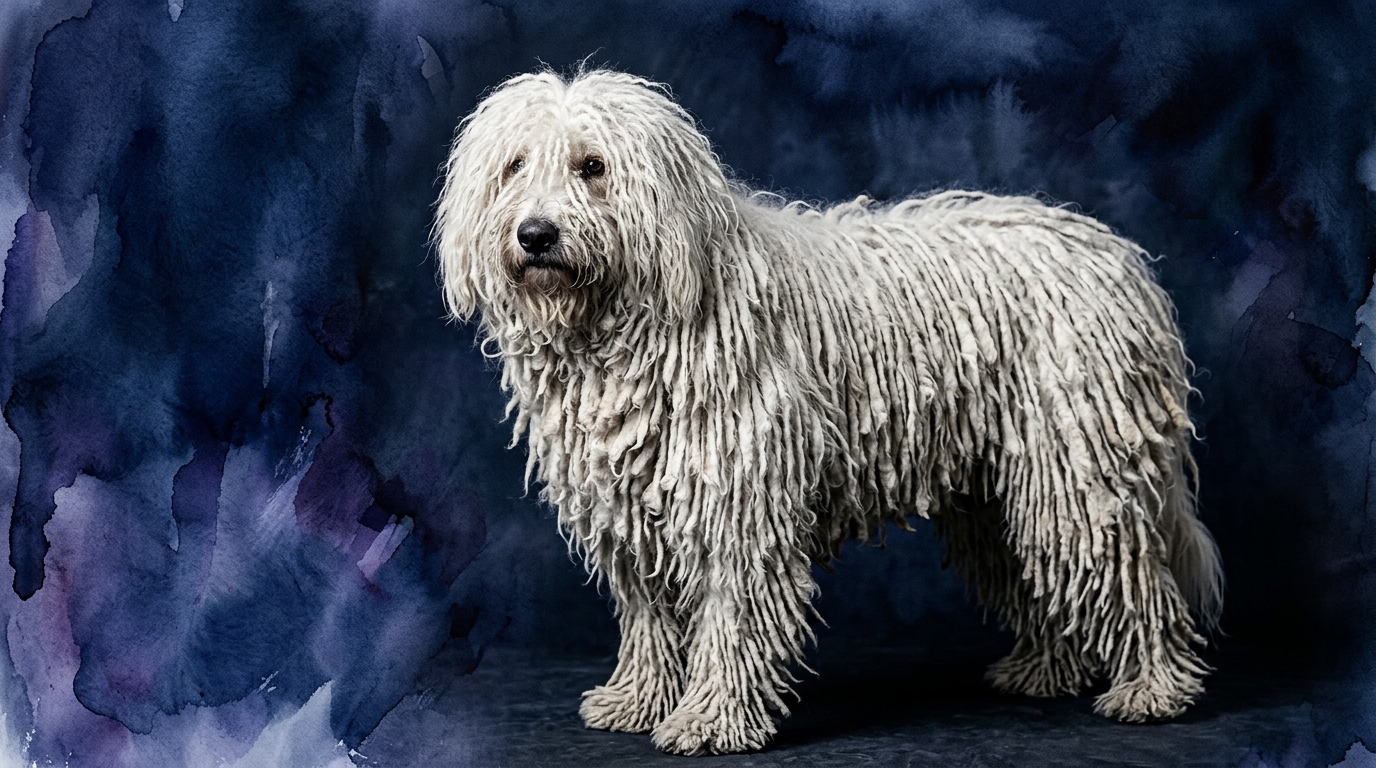
Side-by-Side IQ Profile: Finnish Lapphund vs. Komondor
While both breeds register a 3/5 across the board in our IQ assessment, the practical manifestation of these scores differs significantly due to their divergent historical purposes. Understanding these nuances provides a clearer picture of each breed's cognitive strengths.
Problem Solving (3/5): For the Finnish Lapphund, this score reflects their aptitude for practical, real-time solutions in dynamic herding situations. They excel at assessing scattered livestock or challenging terrain, adapting their approach to guide animals effectively and efficiently. Their problem-solving is about contextual decision-making within a working environment. For the Komondor, 3/5 problem-solving manifests as strategic vigilance and independent threat assessment. They are adept at evaluating potential dangers to their flock, discerning friend from foe, and determining appropriate protective responses without human direction. This involves complex spatial awareness of their territory and proactive defense.
Training Speed (3/5): A 3/5 training speed for a Lapphund means they grasp new commands and routines at a moderate pace, often driven by their desire to cooperate with their handler. While possessing an independent streak, their willingness to learn and work as part of a team allows for consistent progress, though patience remains beneficial. The Komondor's 3/5 training speed is heavily influenced by their profound independence. They learn, but often on their own terms, requiring motivation rooted in respect and understanding rather than eager compliance. Their self-reliance means they might take longer to internalize commands, preferring to process information and decide its utility before execution.
Social Intelligence (3/5): This score points to the Lapphund's capacity for nuanced interaction within their family and with familiar individuals. They are attuned to human emotions and intentions, fostering strong bonds and exhibiting an intuitive understanding of social cues, essential for cooperative herding where handler communication is key. For the Komondor, 3/5 social intelligence is primarily directed towards their immediate family and the livestock they guard. They exhibit discerning social awareness, quickly identifying who belongs and who poses a potential threat. Their social interactions are often reserved, focused on observation and protection rather than broad engagement with strangers.
Instinctive Drive (3/5): The Lapphund's 3/5 instinctive drive is characterized by a strong, inherent desire to herd. This manifests as a keen interest in movement, a natural inclination to gather and control, and an alertness to their environment. This drive is typically channeled into cooperative tasks, reflecting their partnership role with humans. The Komondor's 3/5 instinctive drive is overwhelmingly protective and territorial. This manifests as an unyielding commitment to guarding their charges and a powerful sense of responsibility for their designated space. Their drive is less about active engagement and more about vigilant oversight and decisive defense when necessary.
Memory (3/5): A 3/5 memory indicates the Lapphund's ability to retain commands, routines, and spatial information over time. They remember specific herding patterns, familiar routes, and environmental details, vital for efficient work and navigating complex terrain during duties. Their memory aids consistent performance and adapting to learned experiences. The Komondor's 3/5 memory is crucial for their guardian role, allowing them to recall individuals, potential threats, and the precise boundaries of their territory. They remember past interactions, recognizing patterns in behavior or environmental changes, which informs their protective strategies and helps distinguish routine from genuine concerns.
Where the Finnish Lapphund Wins Cognitively
The Finnish Lapphund generally shines in cognitive flexibility and cooperative intelligence. Their ancestral role demanded quick, adaptable thinking in rapidly changing herding scenarios, where adjusting tactics on the fly to manage livestock was paramount. This translates into a readiness to engage with new tasks and problem-solving alongside a human partner, often exhibiting a nuanced understanding of their handler's cues and intentions.
They excel at dynamic, collaborative tasks that require both physical agility and mental responsiveness, such as dog sports like agility or rally obedience, where their ability to process multiple commands in sequence and react swiftly is a significant asset. Their capacity for fluid communication and eagerness to participate in shared activities often makes them more receptive to varied training methods and environmental changes.
Where the Komondor Wins Cognitively
The Komondor's cognitive strengths lie in their profound independence and strategic decision-making in autonomous situations. Bred to guard vast flocks without constant human oversight, they developed an exceptional ability to assess threats, make calculated judgments, and act decisively on their own initiative. This manifests as a highly developed sense of territorial awareness and an unwavering commitment to their protective duties.
They possess a deep, inherent understanding of their role, often demonstrating foresight in anticipating potential dangers and positioning themselves strategically. While less inclined towards human-directed tasks, their cognitive prowess in self-governance and the execution of their primary guardian instinct is unparalleled, making them formidable protectors who rely on their own internal compass.
Which is Easier to Train and Why
The Finnish Lapphund is generally considered easier to train for a typical companion dog owner, largely due to their more cooperative nature and desire to work alongside humans. While they possess an independent streak, it's usually balanced by an eagerness to please and a responsiveness to positive reinforcement. Their herding background means they are often attentive to their handler's movements and vocalizations, making communication during training more fluid. They thrive on engagement and mental stimulation, which can be channeled effectively into structured training sessions.
The Komondor, conversely, presents a greater training challenge due to their inherent independence and strong guardian instincts. Their primary loyalty is to their charges and territory, not necessarily to human commands for the sake of compliance. Training a Komondor requires immense patience, consistency, and an understanding of their unique psyche. They are not easily motivated by effusive praise or repetitive drills; instead, they respond best to clear, firm, and fair leadership from an owner they respect. Their learning speed is moderate, but their willingness to perform a command is often contingent on their assessment of its utility or their respect for the individual giving it, rather than a simple desire to please. Early and extensive socialization is crucial to shape their protective instincts appropriately.
Which Suits Active Owners vs. Relaxed Owners
The Finnish Lapphund is a superb match for active owners who seek a dedicated partner for outdoor adventures and mentally stimulating activities. Their herding heritage means they possess considerable stamina and a need for regular exercise, including brisk walks, hiking, or dog sports. Beyond physical activity, they thrive on mental engagement through training, puzzle toys, and opportunities to "work." Owners who enjoy teaching new skills, participating in canine sports, or spending extended time outdoors will find the Lapphund's energy and cooperative spirit highly rewarding. They are not suited for entirely relaxed, sedentary lifestyles as their unfulfilled cognitive and physical needs can lead to undesirable behaviors.
The Komondor, while requiring significant space and a securely fenced yard, is more suited to owners who appreciate a watchful, independent presence rather than a constant activity partner. Their "activity" often involves patrolling their territory, observing their surroundings, and maintaining vigilance. While they need regular, moderate exercise, they aren't typically a breed that demands hours of high-intensity play or complex directed activities. Relaxed owners, in this context, means those who understand and respect the Komondor's autonomous nature and are prepared for a dog that makes its own decisions regarding its protective duties. Grooming their unique corded coat is a significant time commitment, however, making them less suited for owners seeking a truly "low-maintenance" dog.
The Verdict
Choose a Finnish Lapphund if you seek an active, cooperative canine partner eager for shared adventures and mentally engaging tasks. Their adaptable intelligence and desire to work alongside their human make them a rewarding companion for those committed to consistent, positive training and an active lifestyle.
Choose a Komondor if you value an independent, formidable guardian who will diligently protect your home and family with unwavering resolve. Their unique cognitive strengths in autonomous decision-making and territorial vigilance suit owners who understand and respect their self-reliant nature and are prepared for a dog that thinks for itself.
🧠 Find Your Pet's IQ Score
Our Pet IQ Lab assessment covers 25+ tests across 5 cognitive dimensions — personalized to your breed.
Take the Full IQ Test →Frequently Asked Questions
Do Finnish Lapphunds bark a lot?
Finnish Lapphunds can be quite vocal, using barks to communicate and alert. This trait stems from their herding background, where vocalizations were used to manage reindeer and alert handlers. Consistent training can help manage their barking tendencies.
Are Komondors good with children?
Komondors can be very protective and gentle with children within their immediate family, viewing them as part of their "flock." However, their large size, protective instincts, and reserved nature with strangers require careful supervision and early socialization to ensure positive interactions.
How do their grooming needs compare?
Finnish Lapphunds have a double coat that requires regular brushing, especially during shedding seasons, but is relatively straightforward. Komondors have a unique corded coat that requires significant time and effort to maintain, including separating cords and preventing matting, a process that can be complex for new owners.