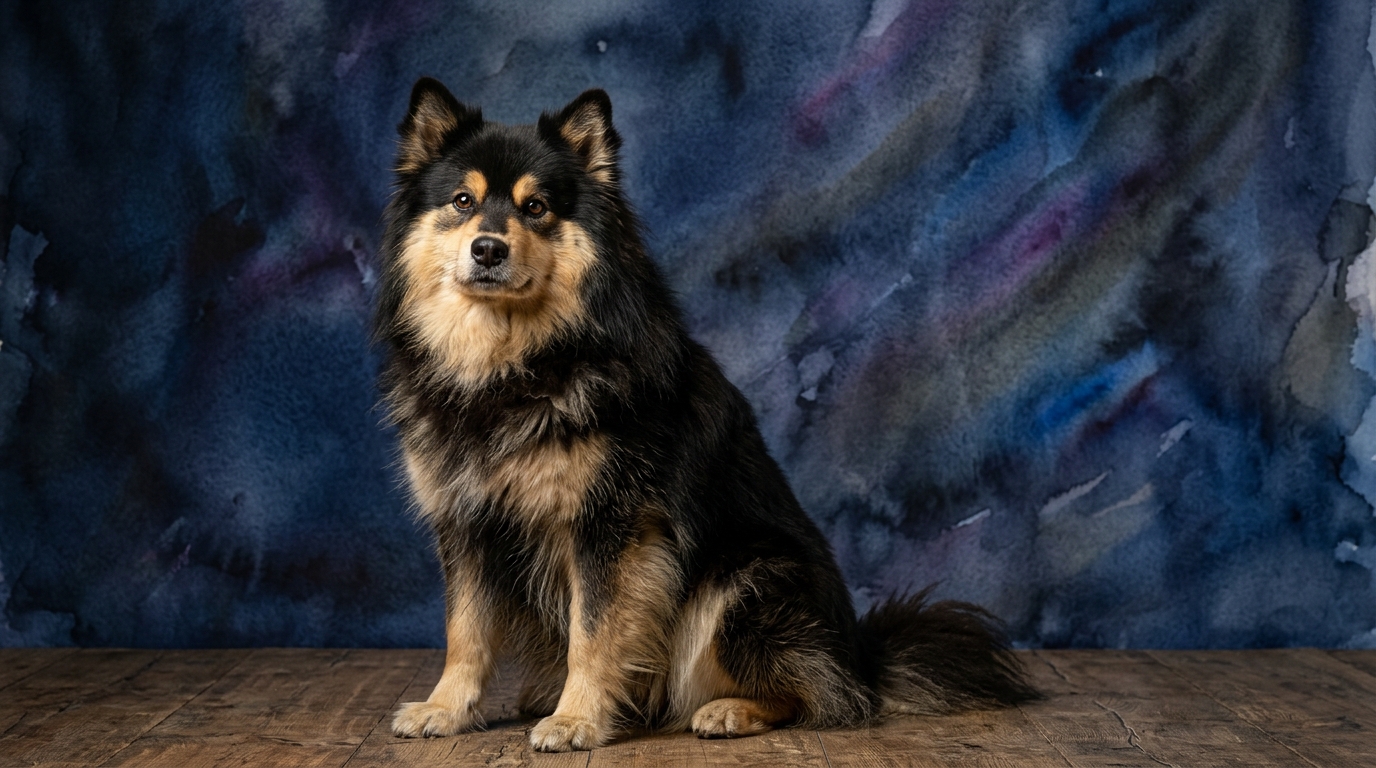
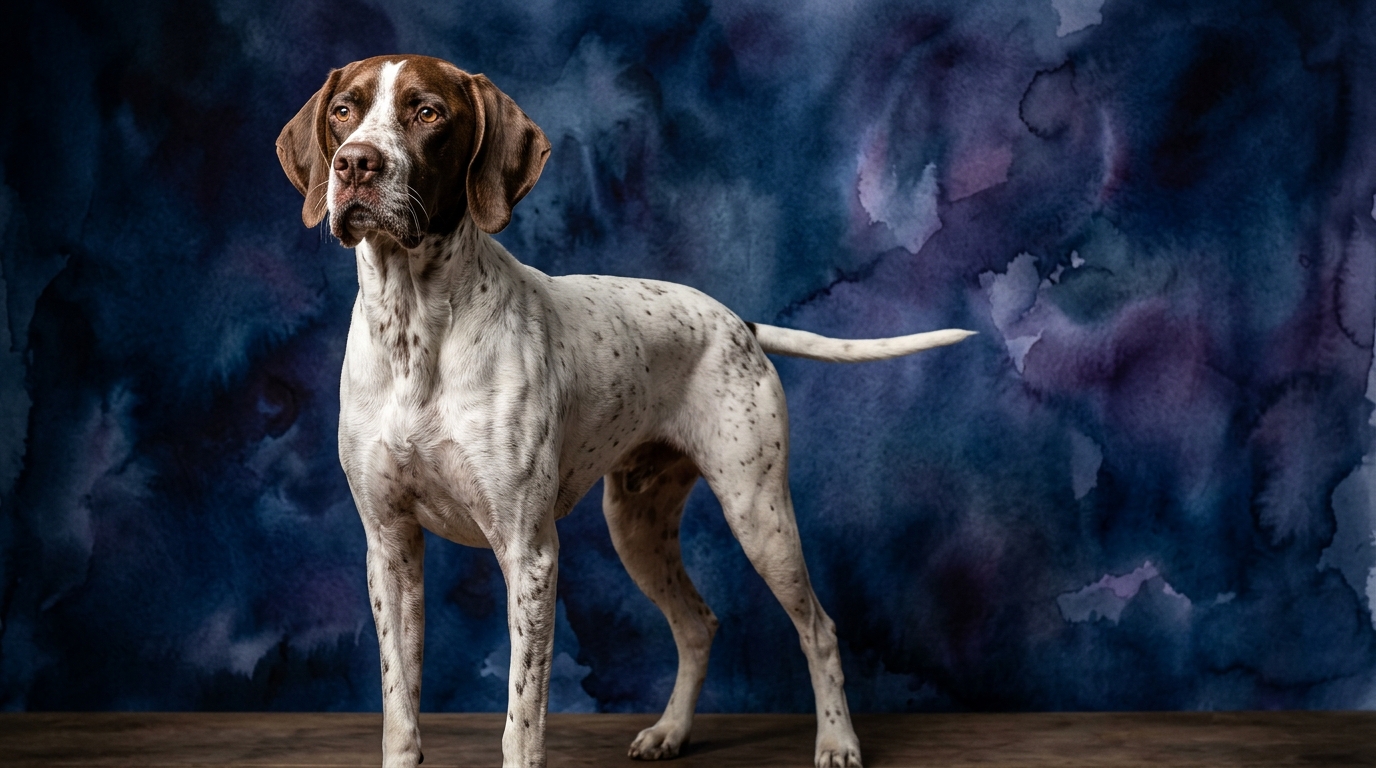
Side-by-Side Cognitive Profiles: Finnish Lapphund vs. Pointer
At first glance, the identical 3/5 scores across all five intelligence dimensions for both the Finnish Lapphund and the Pointer might suggest a cognitive uniformity. However, a deeper understanding reveals how these moderate ratings manifest uniquely within each breed, shaped by centuries of selective breeding for distinct purposes. Let's dissect what a 3/5 score signifies for each dimension in the context of these two breeds.
For the **Finnish Lapphund**, a breed steeped in herding reindeer in the vast, challenging landscapes of the Arctic, a **Problem Solving (3/5)** score indicates a moderate capacity for independent thought and navigating complex, often unpredictable situations. This translates to an ability to assess environmental cues, adapt to changing flock dynamics, and devise practical solutions when direct human guidance isn’t immediate. They can figure out how to bypass obstacles or redirect a stray animal, showcasing a practical intelligence rooted in their working heritage. Their **Training Speed (3/5)** suggests they absorb new commands and routines at a moderate pace. Lapphunds are generally willing to please their people, which aids training, but their herding instincts and occasional independent streak mean they might not always respond with lightning-fast precision, especially if a more compelling instinctual drive intervenes. Consistency and positive reinforcement are key to leveraging their moderate learning curve. **Social Intelligence (3/5)** reflects a moderate ability to understand and respond to human emotions, social cues, and intricate group dynamics. For a herding dog, this involves not only cooperating with their handler but also understanding the behavior of their flock animals and other dogs. They form strong bonds and interpret subtle signals, contributing to harmonious living and working relationships. Their **Instinctive Drive (3/5)** points to a moderate, yet clearly present, set of inherent behaviors crucial to their breed purpose, primarily their herding drive, expressed through gathering, moving, and controlling animals. While not overwhelming, this drive requires appropriate outlets and can manifest as a desire to 'herd' family members or other pets if not properly channeled. Finally, a **Memory (3/5)** score indicates a moderate ability to recall learned commands, past experiences, and spatial layouts, serving them well in their traditional role by remembering grazing areas or specific landmarks.
The **Pointer**, a breed developed for finding and pointing game, interprets these identical scores through the lens of its specialized sporting function. Their **Problem Solving (3/5)** capacity is often directed towards their hunting tasks, meaning they can effectively navigate varied terrain, locate game through scent, and work out the best approach to 'point' without flushing. They are adept at practical, task-oriented solutions in the field, like finding a path through dense cover, but their problem-solving tends to be highly focused on their primary drive rather than abstract challenges. Their **Training Speed (3/5)** indicates they are capable learners, absorbing commands at a moderate pace, particularly when those commands are linked to their natural instincts or a rewarding outcome. Their focus and desire to work with their handler can make them responsive, but their intense drive for scent work can sometimes lead to momentary 'deafness' if a compelling smell takes precedence. Precision training for complex hunting scenarios is achievable with consistent, clear instruction. **Social Intelligence (3/5)** suggests a moderate ability for Pointers to interpret human intentions and cues, essential for a working partnership in the field. They are generally amiable and form close bonds with their families, understanding their handler's mood and expectations, with their social intelligence often geared towards harmonious cooperation and anticipating the next instruction during a hunt. Their **Instinctive Drive (3/5)** is overwhelmingly centered on their prey drive and the urge to hunt, locate, and point game. This drive is powerful and forms the core of their being, strong enough to require significant outlets and training to manage in a non-hunting home. It manifests as an intense focus on scent, a keen desire to range, and the characteristic pointing stance. Lastly, a **Memory (3/5)** score means Pointers possess a moderate capacity for recalling training, scent patterns, and the layout of hunting grounds, crucial for their performance in the field, allowing them to build on past experiences and execute learned sequences efficiently.
Where the Finnish Lapphund Exhibits Unique Cognitive Strengths
Despite sharing identical numerical scores, the Finnish Lapphund exhibits nuanced cognitive strengths stemming from its traditional role. Its history of managing reindeer across vast and often harsh landscapes suggests a distinctive cognitive flexibility geared towards adapting strategies on the fly to diverse, ever-changing circumstances, such as shifting weather or varied terrain. This breed's problem-solving, while rated 3/5, often involves a more independent decision-making process in unpredictable environments, showcasing a robust capacity for self-regulation when operating without immediate human oversight. Furthermore, their social intelligence, though also 3/5, might demonstrate a broader, more adaptable scope. This includes not only understanding human and canine cues but also interpreting the subtle behaviors of multiple species within a flock, a unique multi-species social navigation that is less critical for a singularly focused hunting dog. This ability to maintain composure and make effective decisions in less structured, highly dynamic settings could be considered a distinctive cognitive advantage.
Where the Pointer Demonstrates Distinct Cognitive Advantages
Conversely, the Pointer's cognitive strengths, while sharing the same 3/5 scores, are honed to a highly specialized degree in areas vital to their sporting role. Their problem-solving, for instance, is acutely directed towards tasks demanding intense sensory discrimination, particularly scent. This means their brain is exceptionally adept at filtering out irrelevant olfactory information to pinpoint a singular, subtle target, a cognitive process requiring remarkable focus and precision. Their memory is similarly robust for specific scent patterns, the precise location of hidden game, and the learned sequences of a hunt. While their training speed is also 3/5, when applied to highly specialized hunting commands and signals, it can result in exceptionally precise and rapid responses, demonstrating a cognitive efficiency tailored for specific, high-stakes tasks in the field. Their social intelligence, in this context, is often finely tuned to anticipating and responding to the nuances of a single handler’s commands with unwavering dedication, prioritizing the working partnership above other social dynamics.
Training Dynamics: Finnish Lapphund vs. Pointer
When assessing ease of training, both the Finnish Lapphund and the Pointer hold a 3/5 rating for Training Speed, placing them in a moderately trainable category. However, the *nature* of their trainability diverges due to their inherent drives and historical roles. The Finnish Lapphund's moderate training speed is often bolstered by a strong desire to cooperate and form deep social bonds with their family. They respond well to positive reinforcement and appreciate understanding the 'why' behind a command. Yet, their background as independent herders means they can sometimes exhibit a thoughtful independence, occasionally prioritizing their own assessment of a situation or a compelling instinct over a direct command, especially if it seems arbitrary or contradicts their perceived task. Consistency, patience, and making training engaging, often by linking it to their natural problem-solving or herding instincts, are paramount to harnessing their cognitive potential.
The Pointer, also at 3/5 for Training Speed, often exhibits a different training dynamic. Their learning is frequently highly motivated by their intense, 3/5 instinctive prey drive. When training is directly tied to this drive – such as retrieving, scent work, or field commands – they can be exceptionally quick, focused, and enthusiastic learners. Their eagerness to please a handler in the field is a significant asset. However, this powerful drive can also be a challenge. If a compelling scent or sight distracts them, their innate instincts can temporarily override learned commands, making consistent responses in highly stimulating environments a hurdle. Early and consistent impulse control training, alongside channeling their drive into appropriate activities, is crucial. While they excel at task-oriented learning related to their purpose, they might find repetitive, arbitrary obedience tasks less engaging without clear, high-value motivation.
Lifestyle Compatibility: Active vs. Relaxed Owners
Both the Finnish Lapphund and the Pointer share a 3/5 score for Instinctive Drive, indicating a moderate but significant need for mental and physical engagement. Neither breed is well-suited for a truly relaxed or sedentary owner, as their drives require outlets to ensure their well-being and prevent behavioral challenges.
The Finnish Lapphund, with its herding background, thrives on mental and physical stimulation that allows it to use its moderate problem-solving skills and adaptable nature. They need regular exercise, which goes beyond a simple walk; opportunities for exploring, puzzle-solving, and potentially dog sports like agility, rally, or even recreational herding are highly beneficial. Their moderate drive means they enjoy having a 'job' and can become restless or mischievous if under-stimulated. They are adaptable to various outdoor activities and enjoy being an integral part of family life, making them ideal for active owners who can provide consistent engagement and varied adventures.
The Pointer, with its strong sporting heritage, absolutely requires an active owner. Their moderate instinctive drive, heavily geared towards hunting, translates into a significant need for vigorous physical exertion and mental engagement centered around scent work and ranging. These are dogs bred to cover miles of ground, and daily, intense exercise such as long runs, hikes, or dedicated field work is essential. Without sufficient outlets for their drive, Pointers can become bored, destructive, or develop unwanted behaviors. Their moderate problem-solving and training speed are best utilized in activities that challenge their senses and physical prowess, making them ideal for owners who embrace an active, outdoorsy lifestyle and can provide structured 'work' or equivalent activities that tap into their innate desire to hunt and retrieve.
The Verdict
Choose the Finnish Lapphund if you seek a companion with a balanced cognitive profile, adaptable to varied family activities and outdoor adventures, and appreciate a dog that can think for itself while still being deeply loyal. They thrive with owners who can provide consistent, positive training and engage their moderate herding instincts through appropriate outlets, offering a blend of independence and cooperation.
Choose the Pointer if your lifestyle revolves around intense physical activity, particularly those involving scent work, running, or field sports, and you are prepared to channel a powerful, focused prey drive into structured training. Pointers excel with dedicated, active owners who can provide consistent opportunities for vigorous exercise and mental stimulation that taps into their innate desire to hunt and retrieve.
🧠 Find Your Pet's IQ Score
Our Pet IQ Lab assessment covers 25+ tests across 5 cognitive dimensions — personalized to your breed.
Take the Full IQ Test →Frequently Asked Questions
Are Finnish Lapphunds good at independent problem-solving?
With a 3/5 problem-solving score, Finnish Lapphunds demonstrate a moderate capacity for independent thought. They can effectively navigate environmental challenges and adapt strategies in their traditional herding role, especially when direct human guidance is not immediately available, making them capable of practical, situation-based solutions.
How does a Pointer's instinctive drive manifest in a non-hunting home?
A Pointer's 3/5 instinctive drive, rooted in hunting, typically manifests as a strong interest in scent work, ranging behavior, and a desire to chase. In a non-hunting home, this drive requires redirection through activities like scent games, obedience training, and vigorous exercise to prevent boredom or unwanted behaviors like chasing small animals.
Which breed is more people-oriented according to their social intelligence?
Both breeds score 3/5 in social intelligence, indicating a moderate capacity for understanding human cues and forming bonds. The Finnish Lapphund often displays a warm, cooperative nature with its family, while the Pointer's social intelligence is frequently geared towards a close working partnership with its handler in the field.