Side-by-Side IQ Profile: Unpacking the 3/5 Scores
The Cosmic Pet Pet IQ Lab assesses canine intelligence across five key dimensions, each rated on a scale of 1 to 5. While both the Finnish Lapphund and the Soft Coated Wheaten Terrier land squarely in the middle with a 3/5 in every category, their breed histories and temperaments shape how these scores manifest.
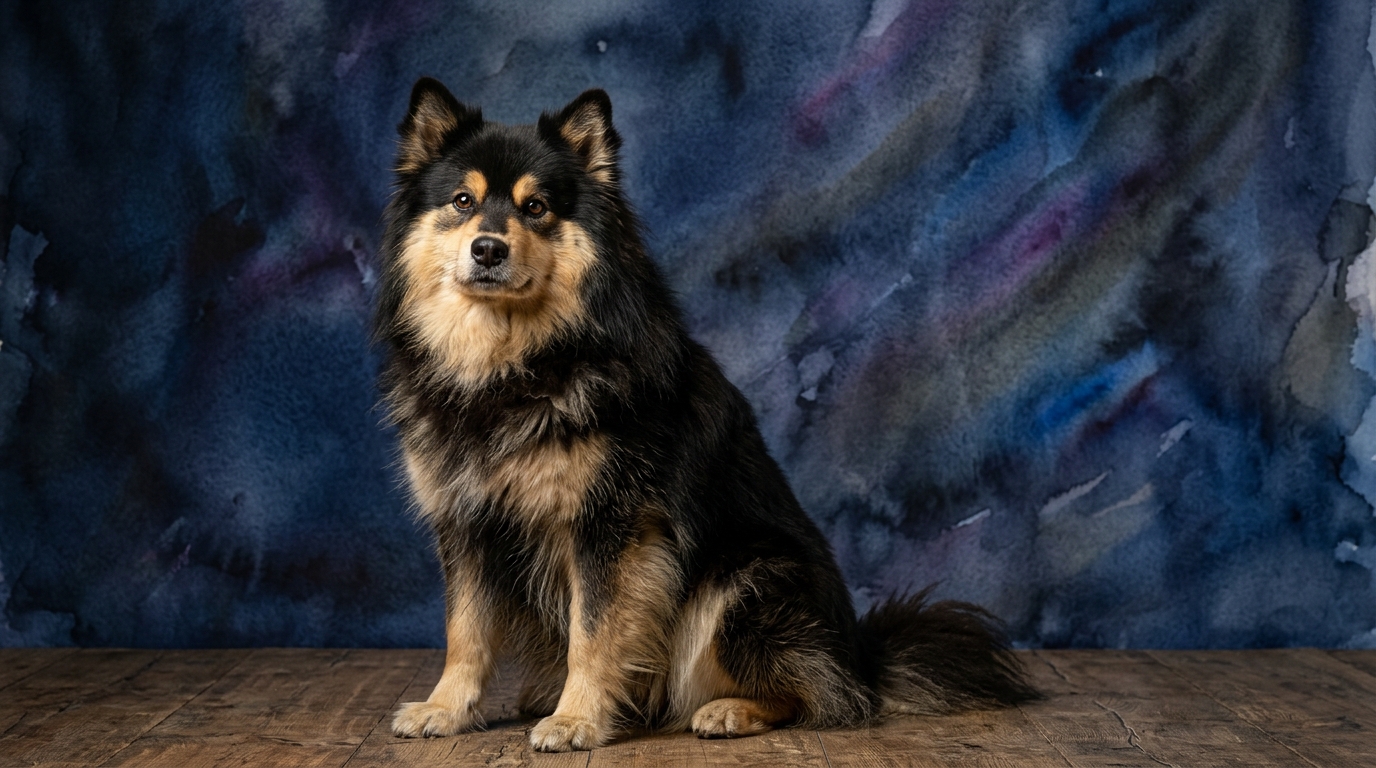
For the **Finnish Lapphund**, a herding breed originating from the Arctic, a 3/5 in **Problem Solving** indicates a dog capable of adapting to new situations and figuring out moderate challenges, often within a practical, task-oriented context. Their **Training Speed** at 3/5 suggests they learn new commands at a steady pace, responding well to consistent, positive reinforcement, often driven by a desire to cooperate with their handler. Their **Social Intelligence** (3/5) reflects a capacity to read human cues and form strong bonds with their family, though they might be more reserved with strangers, characteristic of a breed that traditionally worked closely with a small group of people. An **Instinctive Drive** of 3/5 points to a moderate herding instinct, manifesting as an enjoyment for tasks involving movement, control, and keeping a 'flock' (even if it's just their human family) together. Finally, their **Memory** at 3/5 means they generally retain learned behaviors, routines, and experiences effectively, proving reliable in familiar situations.
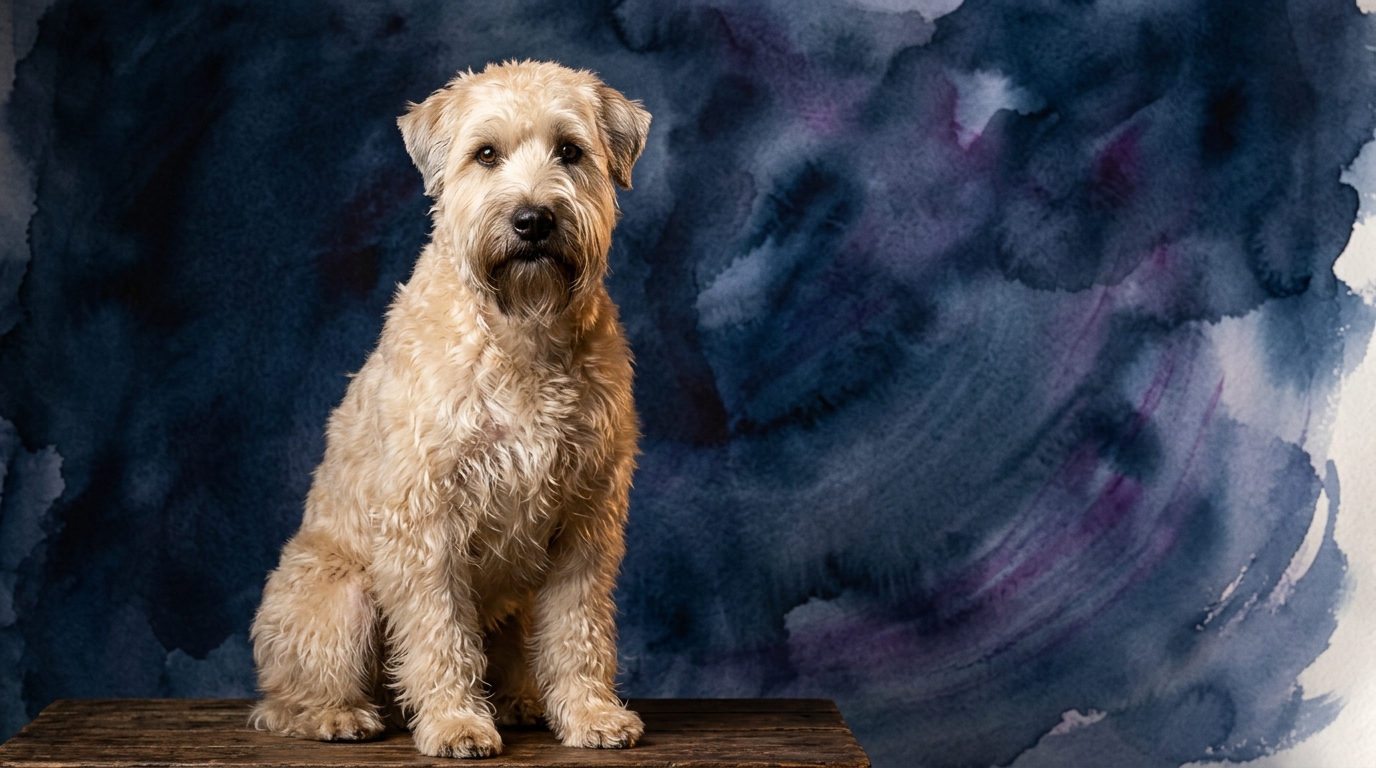
The **Soft Coated Wheaten Terrier**, a spirited terrier from Ireland, also presents a 3/5 across the board, yet with a distinct terrier twist. Their **Problem Solving** at 3/5 signifies a dog that can independently devise strategies to achieve goals, sometimes creatively, sometimes mischievously, often fueled by their tenacious spirit. A 3/5 in **Training Speed** means they learn well with engaging methods, but their independent nature often requires making training fun and rewarding to maintain their interest and compliance. Their **Social Intelligence** (3/5) showcases a friendly, outgoing disposition, adept at engaging with people and often seeking interaction, famously known for the 'Wheaten Greetin.' An **Instinctive Drive** of 3/5 reveals a moderate prey drive, common to terriers, which translates into an enjoyment for digging, chasing, and investigating. Their **Memory** at 3/5 indicates good retention of both positive and negative experiences, remembering tricks and routines, and capable of holding grudges if handled unfairly.
Where the Finnish Lapphund Wins Cognitively
While their raw scores are identical, the Finnish Lapphund's cognitive strengths often lean towards collaborative problem-solving and environmental adaptability. Their herding heritage means they are often more attuned to subtle cues from their handlers, capable of understanding complex sequences in tasks that involve managing multiple elements, such as navigating an agility course or even just moving through a busy household without bumping into people. This nuanced social intelligence, coupled with their practical problem-solving, allows them to excel in situations requiring a cooperative effort, where they can anticipate human actions and work as a team.
Furthermore, their background in harsh northern climates has honed a resilience in problem-solving related to their environment. A Lapphund might be more adept at navigating complex terrains or adapting to sudden weather changes, using their wits to find comfortable spots or efficient paths. They tend to be more patient in repetitive tasks, provided they understand the purpose and feel they are contributing to a shared goal, which can be a distinct advantage in specific training scenarios or daily routines.
Where the Soft Coated Wheaten Terrier Wins Cognitively
The Wheaten Terrier's cognitive advantages often manifest in their tenacious, independent problem-solving and their highly engaging social acumen. Their terrier spirit means they approach challenges with a 'no quit' attitude, often finding creative, albeit sometimes unconventional, solutions to get what they want. This might involve figuring out how to open a cabinet, 'outsmarting' a puzzle toy, or even devising strategies to convince their human to give them an extra treat. Their 3/5 problem-solving often involves a degree of self-directed initiative that can be both impressive and a little challenging.
In terms of social intelligence, while both breeds score similarly, the Wheaten's outgoing nature gives them an edge in quickly adapting to new social situations and charming strangers. They are often masters of engaging attention and leveraging their friendly demeanor to achieve desired outcomes, whether it's getting pets from a new person or being invited to play. This makes them particularly adept at navigating new social environments and winning over new acquaintances, a valuable cognitive trait in an ever-changing world.
Which Is Easier to Train and Why
When it comes to ease of training, the Finnish Lapphund generally holds a slight advantage due to their inherent desire to work cooperatively with their human. Their herding background instilled a readiness to accept guidance and respond to commands, as working in unison with a shepherd was crucial for their survival and purpose. While they are not without their independent thoughts, their motivation often stems from pleasing their family and maintaining harmony within their 'flock.' This means they typically respond well to clear, consistent instruction and positive reinforcement, often eager to learn and retain new tasks.
The Soft Coated Wheaten Terrier, by contrast, brings a more independent and spirited approach to training. Their terrier tenacity means they can be persistent in learning, but their problem-solving skills are often applied to finding the most efficient, and sometimes self-serving, path. They require engaging, varied training sessions to prevent boredom and benefit from an owner who can make learning feel like a game. While capable of learning just as much, their 'what's in it for me?' attitude and occasional stubborn streak mean an owner must be patient, creative, and consistent to maintain their attention and compliance. Their cognitive strength in independent thought can sometimes translate to a less straightforward training journey compared to the more collaborative Lapphund.
Which Suits Active Owners vs. Relaxed Owners
Both the Finnish Lapphund and the Soft Coated Wheaten Terrier are breeds that require regular physical activity and mental engagement, meaning neither is ideally suited for a truly relaxed, sedentary owner. However, the *type* of activity they thrive on offers a distinction.
The Finnish Lapphund suits active owners who appreciate a companion for structured activities and purposeful work. They enjoy walks, hikes, and dog sports like agility, obedience, or herding, where their intelligence can be applied to tasks that require cooperation and problem-solving. While they are not hyperactive, they do need consistent outlets for their energy and a sense of purpose to prevent boredom. Owners who enjoy spending time outdoors and engaging their dog in various forms of 'work' will find the Lapphund a fulfilling companion.
The Soft Coated Wheaten Terrier also requires a significant amount of activity, often with a more playful and exuberant flair. Their energy, particularly in their younger years, can be quite pronounced. They thrive with owners who enjoy interactive play, consistent training, and can channel their boisterous enthusiasm into constructive outlets. Daily walks, vigorous play sessions, and opportunities for mental challenges are essential. Wheatens are often described as 'forever puppies' and require owners who are prepared for a lively, engaging companion who will keep them on their toes with their spirited antics and require consistent attention to prevent mischief. They are less about quiet companionship and more about lively participation in family life.
The Verdict
Choose the Finnish Lapphund if you appreciate a cooperative companion keen on working alongside you, capable of nuanced problem-solving within a family unit, and adaptable to varied environments.
Opt for the Soft Coated Wheaten Terrier if you seek an independent thinker with a tenacious spirit, who excels at charming social interactions and brings a playful, persistent approach to life's challenges.
🧠 Find Your Pet's IQ Score
Our Pet IQ Lab assessment covers 25+ tests across 5 cognitive dimensions — personalized to your breed.
Take the Full IQ Test →Frequently Asked Questions
Are Finnish Lapphunds good with children?
Yes, Finnish Lapphunds are generally known for their gentle and patient nature with children, especially if raised with them. Their herding instinct might manifest as gentle 'nudging' to keep the family together, but they are typically very tolerant and protective.
Do Soft Coated Wheaten Terriers require a lot of grooming?
Yes, their distinctive soft, silky coat requires regular and diligent grooming. Daily brushing is often necessary to prevent mats and tangles, and many owners opt for professional grooming every 4-6 weeks to maintain their coat's health and appearance.
Which breed is more vocal?
Both breeds can be vocal, but in different ways. Finnish Lapphunds use a range of barks, howls, and yaps for communication, stemming from their herding roots. Soft Coated Wheaten Terriers can be alert barkers and are known for their enthusiastic 'Wheaten Greetin' which often involves excited vocalizations upon greeting family or visitors.