Side-by-Side Cognitive Profile
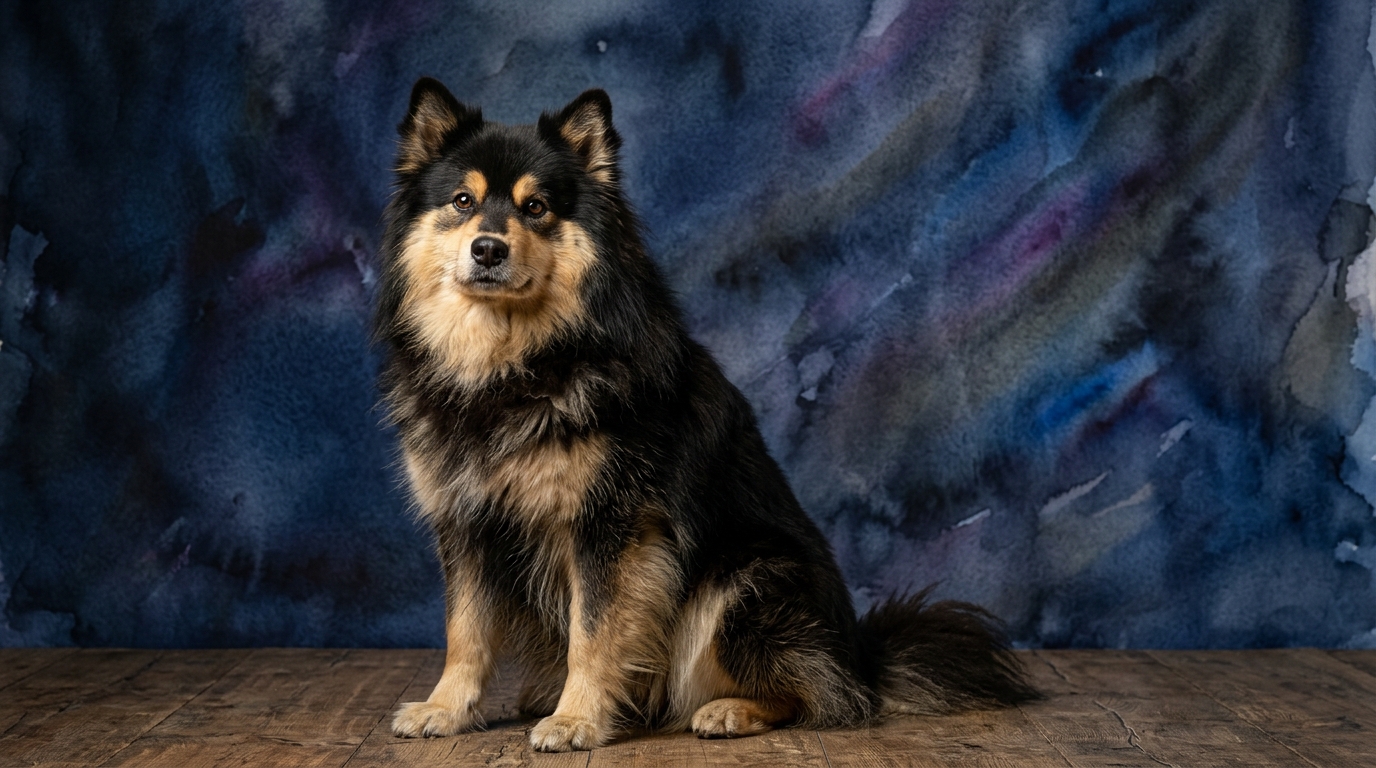
The Cosmic Pet Pet IQ Lab offers a nuanced look at canine cognition, moving beyond simple rankings to assess specific intellectual dimensions. For the Finnish Lapphund, a Herding breed not listed on Coren's rankings, we observe a balanced profile: Problem Solving 3/5, Training Speed 3/5, Social Intelligence 3/5, Instinctive Drive 3/5, and Memory 3/5. This consistent scoring across categories suggests a well-rounded, adaptable mind, capable of independent thought and cooperative effort, crucial for managing semi-wild reindeer in vast, challenging landscapes.
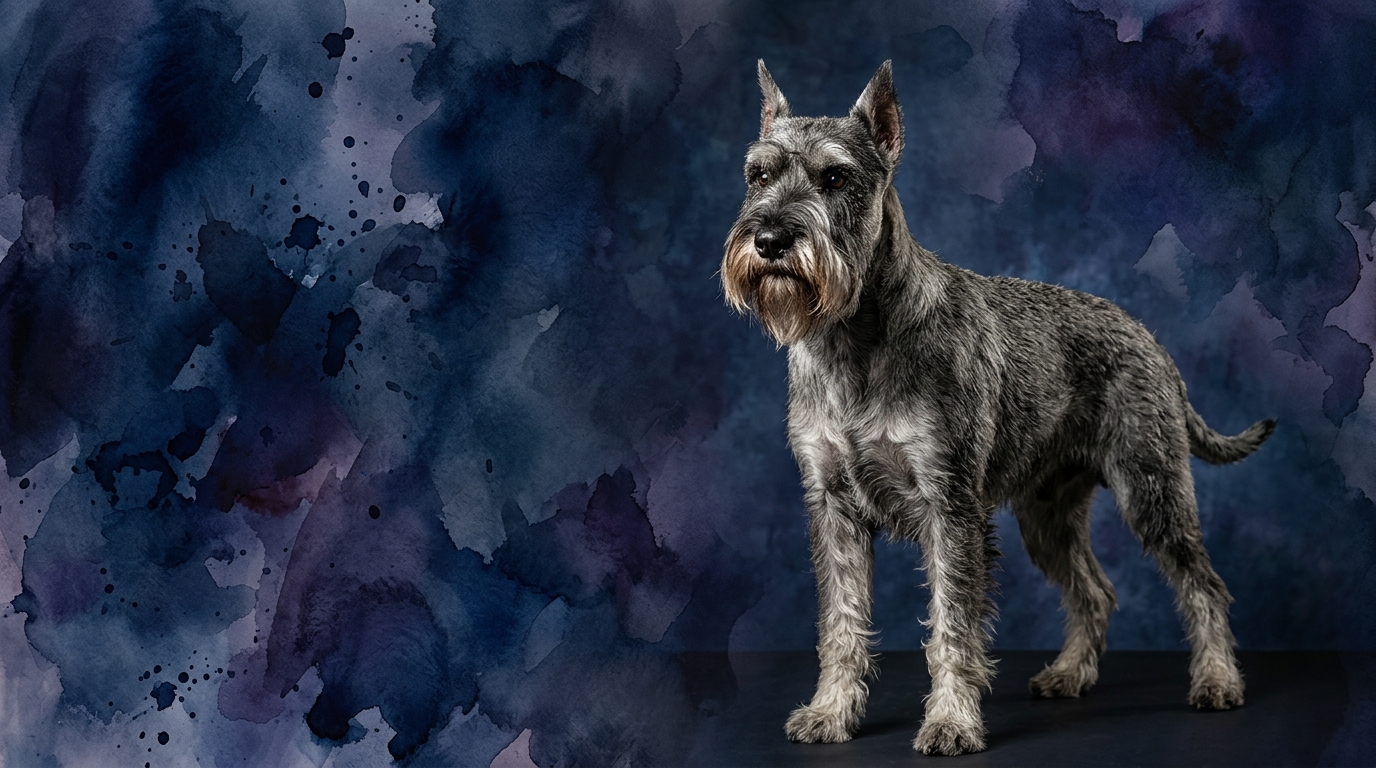
In contrast, the Standard Schnauzer, a Working breed holding Coren's #22 rank, presents a slightly different cognitive emphasis. Its scores are Problem Solving 4/5, Training Speed 4/5, Social Intelligence 3/5, Instinctive Drive 3/5, and Memory 4/5. The higher marks in problem-solving, training speed, and memory reflect a capacity for complex learning and task execution, fitting for a dog historically tasked with guarding, vermin control, and driving livestock on busy farms.
Both breeds share a 3/5 in Social Intelligence and Instinctive Drive, indicating a solid foundation in understanding social cues and possessing innate motivations. However, the Schnauzer's edge in problem-solving, accelerated learning, and memory suggests a more direct and efficient approach to acquiring and retaining information, while the Lapphund's consistent 3/5 scores point to a resilient and intuitive intelligence, perhaps less focused on rapid command acquisition and more on observational learning and environmental navigation.
Where the Finnish Lapphund Excels Cognitively
While the Finnish Lapphund doesn't boast higher numerical scores in any single category compared to the Standard Schnauzer, its balanced 3/5 profile across all dimensions signifies a unique strength in holistic adaptability and resilient self-sufficiency. Their problem-solving, though rated 3/5, is often characterized by a thoughtful, independent approach, reflecting generations of making decisions without constant human direction while herding reindeer across open fells. This means they are adept at assessing situations and finding solutions in less structured environments, relying on their own judgment.
The Lapphund's 3/5 in Social Intelligence is particularly suited to their herding legacy, involving subtle communication with both their charges and human handlers. This isn't just about obedience; it's about nuanced interpretation of social dynamics within a family or pack, fostering strong bonds and understanding intricate relationships. Their memory, also 3/5, allows them to retain complex spatial information and social cues over time, making them excellent companions for those who appreciate a dog that understands routines and family dynamics without needing constant reinforcement.
Where the Standard Schnauzer Excels Cognitively
The Standard Schnauzer's cognitive strengths are evident in its higher scores for Problem Solving (4/5), Training Speed (4/5), and Memory (4/5), distinguishing it as a dog built for purpose and performance. Their superior problem-solving capacity means they can quickly analyze new situations and devise effective strategies, whether it's figuring out a puzzle toy or navigating a complex obstacle course. This aptitude makes them particularly responsive to structured training and mental challenges.
A 4/5 Training Speed indicates that Standard Schnauzers typically grasp new commands and behaviors with remarkable alacrity, making them a rewarding breed for owners dedicated to advanced obedience or dog sports. Coupled with their 4/5 Memory, they not only learn fast but also retain that knowledge reliably over extended periods. This combination allows for building an extensive repertoire of skills and commands, creating a highly capable and responsive working companion that thrives on having a job to do and enjoys the process of learning it.
Training Ease: Lapphund vs. Schnauzer
When considering ease of training, the Standard Schnauzer holds a distinct advantage with its 4/5 Training Speed compared to the Finnish Lapphund's 3/5. Schnauzers were historically bred to be versatile farm dogs, requiring them to be attentive and responsive to human commands for tasks like guarding, ratting, and driving livestock. This history has instilled in them a strong desire to engage with their handlers and a predisposition for structured learning, leading to faster acquisition of new skills and a more straightforward training journey for many owners.
The Finnish Lapphund, while certainly trainable, may require more patience and creative approaches due to its 3/5 Training Speed. Their herding background, where they often worked independently to manage reindeer, fosters a certain degree of self-reliance and independent thought. This doesn't mean they are stubborn, but rather that they might question commands or prioritize their own observations over immediate compliance, especially if they perceive a more 'logical' solution. Owners might find success by making training sessions fun, engaging, and rewarding, rather than purely repetitive.
Real behavioral differences also play a role. Schnauzers often exhibit a strong desire to please and a focused intensity during training, making them eager participants. Lapphunds, conversely, might display a more playful or thoughtful approach, sometimes appearing distracted if the training isn't stimulating enough or if their social needs aren't met. Understanding these inherent tendencies is key to successful training with either breed, adapting methods to suit their unique cognitive styles.
Suitability for Active vs. Relaxed Owners
Both the Finnish Lapphund and the Standard Schnauzer are active breeds, but their ideal owner profiles differ based on the *type* of activity and engagement they thrive on. The Standard Schnauzer, with its 4/5 Problem Solving and Memory, and its working dog heritage, suits active owners who enjoy structured activities, mental challenges, and consistent training. They excel in dog sports like agility, obedience, and tracking, requiring owners who can provide regular, engaging 'jobs' and intellectual stimulation to prevent boredom and channeling their robust energy constructively. Their need for direction and purpose aligns well with owners who are proactive in leadership and training.
The Finnish Lapphund, with its balanced 3/5 scores across the board, is also suited for active owners, but perhaps those who appreciate a more fluid, endurance-based, and socially integrated form of activity. Their herding background means they thrive on long walks, hikes, and exploring varied terrain, often enjoying self-directed exploration within a safe environment. While they enjoy training, their mental stimulation often comes from social interaction, observing their surroundings, and being an integral part of family life, rather than solely through formal tasks. They are excellent companions for owners who enjoy shared outdoor adventures and value a dog's independent spirit.
For more relaxed owners, neither breed is a truly low-maintenance choice, but the nuances are important. A 'relaxed' owner for a Lapphund might be someone who enjoys daily long walks and values a dog that is content to observe and engage socially indoors after sufficient physical exercise, tolerating less structured mental work. A 'relaxed' owner for a Schnauzer might find their guarding instincts and need for mental engagement overwhelming without dedicated effort. Ultimately, both breeds require significant commitment, but the Schnauzer leans towards structured engagement, while the Lapphund appreciates a blend of physical freedom and social connection.
The Verdict
Choose a Finnish Lapphund if you appreciate a resilient, intuitive companion with a balanced cognitive profile that thrives on social connection and independent exploration in varied environments.
Opt for a Standard Schnauzer if you seek a highly trainable, problem-solving partner who excels in structured learning and dog sports, offering robust engagement for a dedicated, active owner.
🧠 Find Your Pet's IQ Score
Our Pet IQ Lab assessment covers 25+ tests across 5 cognitive dimensions — personalized to your breed.
Take the Full IQ Test →Frequently Asked Questions
Are Finnish Lapphunds difficult to train due to their independence?
Finnish Lapphunds are not difficult to train, but their 3/5 Training Speed and historical independence mean they respond best to positive, engaging methods. Patience and making training feel like a collaborative game will yield better results than strict, repetitive drills, as they value thoughtful interaction.
What kind of mental stimulation do Standard Schnauzers need?
Standard Schnauzers require consistent mental stimulation, benefiting from puzzle toys, advanced obedience training, agility, and scent work. Their 4/5 Problem Solving and Memory mean they thrive on challenges that engage their minds and give them a 'job' to do, preventing boredom and channeling their energy positively.
Can either breed be suitable for apartment living?
Both breeds can adapt to apartment living if their significant exercise and mental stimulation needs are consistently met. A Standard Schnauzer might require more structured mental work and consistent outdoor activities, while a Finnish Lapphund would need ample opportunities for long walks and social interaction to thrive in a smaller space.