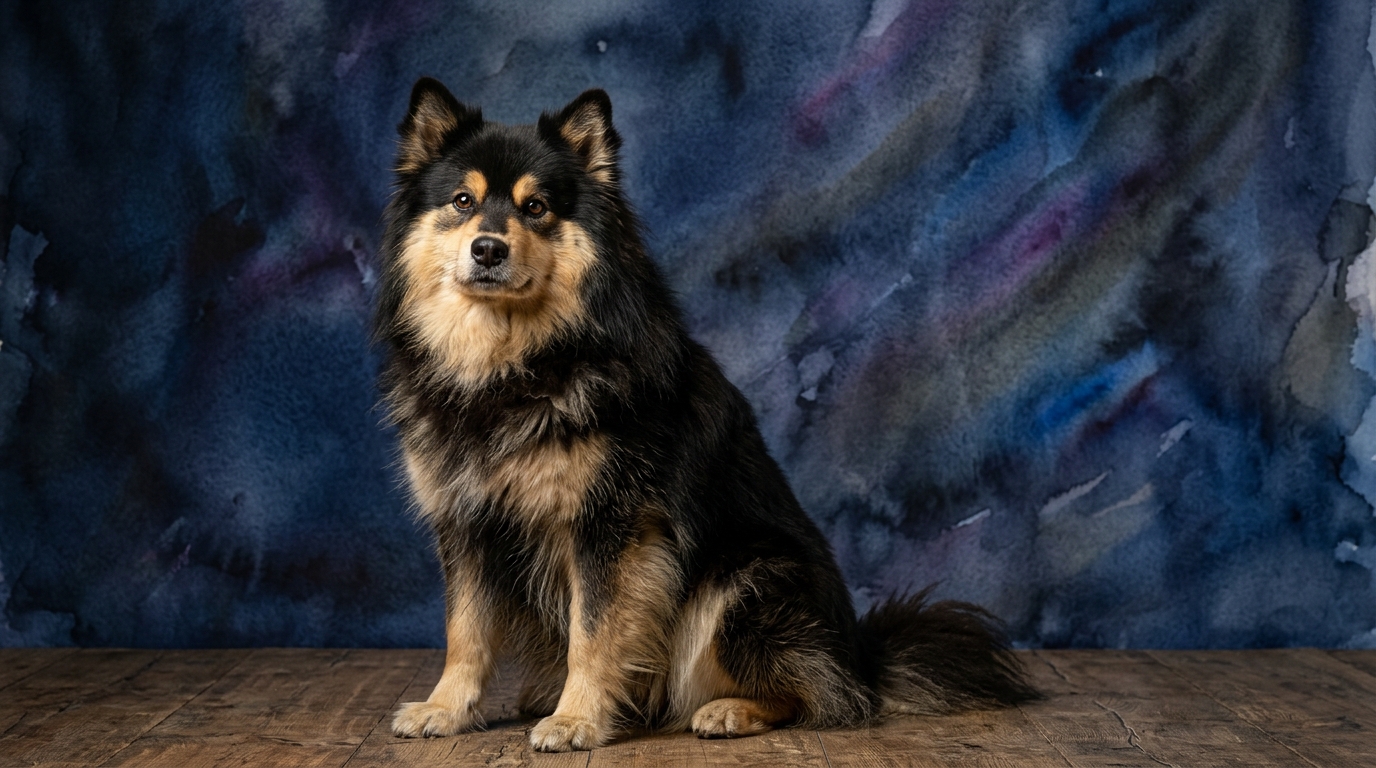
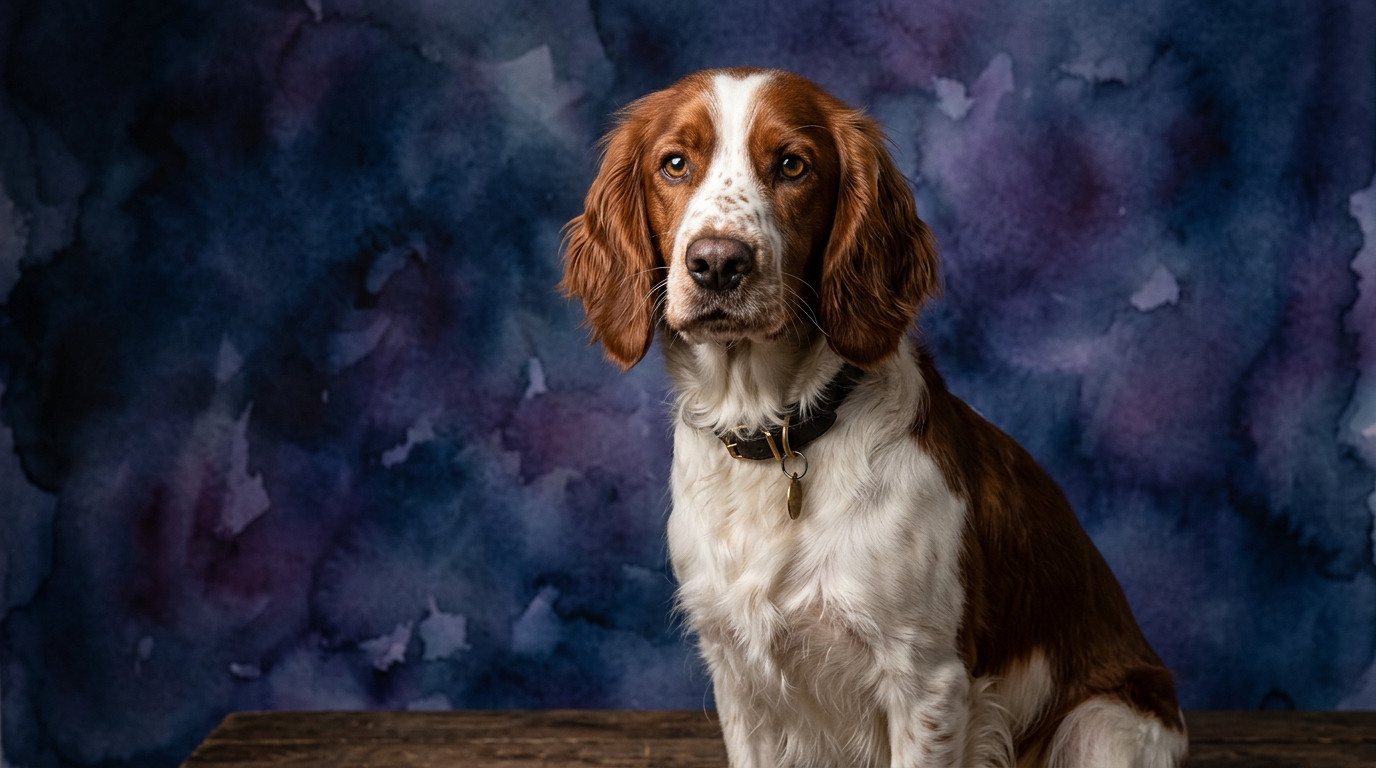
Side-by-Side IQ Profile: Finnish Lapphund vs. Welsh Springer Spaniel
The Finnish Lapphund, a breed steeped in the tradition of herding reindeer in challenging Arctic conditions, presents a balanced cognitive profile. Their Problem Solving is rated 3/5, indicating a moderate capacity for independent thought and finding solutions to novel challenges, often leaning on their innate resourcefulness rather than complex abstract reasoning. Training Speed also stands at 3/5, suggesting they absorb commands at a steady pace, requiring consistent and patient reinforcement due to their independent streak. Social Intelligence is 3/5, reflecting their ability to read and respond to both human and animal cues, crucial for cooperative herding. Their Instinctive Drive is 3/5, a well-calibrated impulse for their original herding tasks, while Memory at 3/5 implies a solid recall for learned behaviors and routines, though perhaps not for intricate, multi-step sequences over long periods.
In contrast, the Welsh Springer Spaniel, bred for flushing and retrieving game, showcases a profile geared towards collaborative efficiency. Their Problem Solving earns a 4/5, indicating a stronger aptitude for figuring out puzzles and adapting to new situations, often with a keen focus on achieving a tangible goal. Training Speed is notably higher at 4/5, signifying a quicker grasp of commands and a strong desire to please, making them generally responsive to instruction. Social Intelligence is 3/5, similar to the Lapphund, suggesting a good understanding of social cues, vital for working in tandem with a hunter. Their Instinctive Drive is 3/5, channeled effectively into their sporting pursuits, demonstrating persistence and focus on their tasks. Impressively, their Memory is 4/5, suggesting an excellent capacity to retain complex sequences, locations, and learned behaviors, essential for consistent performance in the field.
Where the Finnish Lapphund Excels Cognitively
The Finnish Lapphund's cognitive strengths lie in their balanced independence and resilience, particularly valuable in unpredictable environments. Their 3/5 rating in Problem Solving, while not as high as the Springer's, reflects a self-sufficiency forged in vast, remote landscapes where direct human instruction wasn't always immediate. This breed often exhibits a thoughtful approach to situations, assessing before acting, which can translate into a calm demeanor under pressure. Their social intelligence, also 3/5, is finely tuned for nuanced communication, allowing them to subtly influence livestock without aggression and to form deep, reciprocal bonds with their human families. This blend makes them adept at navigating social dynamics with a quiet confidence rather than overt eagerness, a unique cognitive win for owners who appreciate a more self-possessed companion.
Where the Welsh Springer Spaniel Excels Cognitively
The Welsh Springer Spaniel’s cognitive wins are clearly rooted in their cooperative gundog heritage. Their 4/5 scores in Problem Solving, Training Speed, and Memory highlight an impressive capacity for learning, retention, and applying learned behaviors to new contexts. This breed thrives on structured tasks and working closely with a human partner, demonstrating a keen observational ability to anticipate commands and situations. Their superior memory means they can recall intricate routes, retrieve specific items, and perform multi-step sequences with remarkable consistency. This mental agility, combined with their eagerness, makes them particularly adept at dog sports requiring precision and rapid learning, offering a rewarding collaborative experience for owners who enjoy engaging in active, goal-oriented pursuits with their canine companions.
Which is Easier to Train and Why
Based on their IQ profiles, the Welsh Springer Spaniel is generally easier to train than the Finnish Lapphund. The Springer's Training Speed of 4/5, coupled with a higher Problem Solving score (4/5) and a strong desire to collaborate, means they typically grasp new commands more quickly and are more inclined to follow human direction. Their historical role demanded immediate responses and precise execution in the field, leading to a breed that finds satisfaction in working alongside their owner. They often require less repetition and are highly motivated by praise and reward, making the training process feel more fluid and responsive.
The Finnish Lapphund, with a Training Speed of 3/5, requires a more patient and creative approach. Their herding background instilled a degree of independent decision-making, meaning they might question commands or seek alternative solutions if they perceive them as more efficient, rather than simply complying. While capable of learning, their motivation often stems from understanding the 'why' behind a command or from an internal drive, rather than an inherent need to please. Training a Lapphund benefits from positive reinforcement, clear communication, and making training feel like a collaborative problem-solving exercise rather than strict obedience.
Which Suits Active Owners vs. Relaxed Owners
For active owners seeking a canine partner for sports, adventures, or consistent outdoor activities, the Welsh Springer Spaniel is often a more natural fit. Their higher Problem Solving and Training Speed scores, combined with a robust instinctive drive for activity, mean they thrive on mental and physical engagement. They excel in agility, obedience, flyball, and hunting tests, requiring regular outlets for their energy and cognitive abilities. Owners who enjoy structured training sessions, long hikes, or retrieving games will find a highly engaged and enthusiastic companion in a Springer.
The Finnish Lapphund, while also enjoying activity, often suits owners who appreciate a more thoughtful and less intensely driven companion. Their moderate instinctive drive and balanced cognitive profile mean they enjoy walks, hikes, and some structured play, but may not demand the same level of rigorous, high-intensity exercise or constant mental challenges as a Springer. They are content with a good balance of indoor companionship and outdoor exploration. Owners who enjoy a relaxed pace, appreciate independence, and are happy with a dog that observes rather than constantly acts, will find the Lapphund a compatible and rewarding presence, though they still benefit from consistent engagement and mental stimulation.
The Verdict: When to Choose Each Breed
The Verdict
Choose the Finnish Lapphund if you value a thoughtful, independent companion with a balanced temperament, appreciate a dog that thinks for itself, and are prepared for a patient, creative training approach, enjoying their subtle social cues and resilience.
Opt for the Welsh Springer Spaniel if you seek an eager, collaborative partner for active pursuits, appreciate a quick learner with excellent memory, and desire a dog that thrives on working closely with you in structured activities and dog sports.
🧠 Find Your Pet's IQ Score
Our Pet IQ Lab assessment covers 25+ tests across 5 cognitive dimensions — personalized to your breed.
Take the Full IQ Test →Frequently Asked Questions
Do Finnish Lapphunds bark a lot?
Finnish Lapphunds are known to be vocal, using barks, 'yaps,' and even a unique 'woo-woo' sound to communicate. Their herding background required them to alert and gather, so they may bark at novel sights or sounds, but can be trained to moderate this.
Are Welsh Springer Spaniels good with children?
Welsh Springer Spaniels are generally good with children, possessing a friendly and patient disposition. Their energetic nature means they can be playful companions, though supervision is always recommended with any dog and young children to ensure respectful interactions.
Which breed is more prone to separation anxiety?
Neither breed is inherently more prone to severe separation anxiety, but both can develop it if not properly socialized or if left alone for excessive periods. Welsh Springers, being more people-oriented, might show signs of distress if their need for companionship isn't met, while Lapphunds, though independent, also thrive on family inclusion.