Side-by-Side Cognitive Profiles
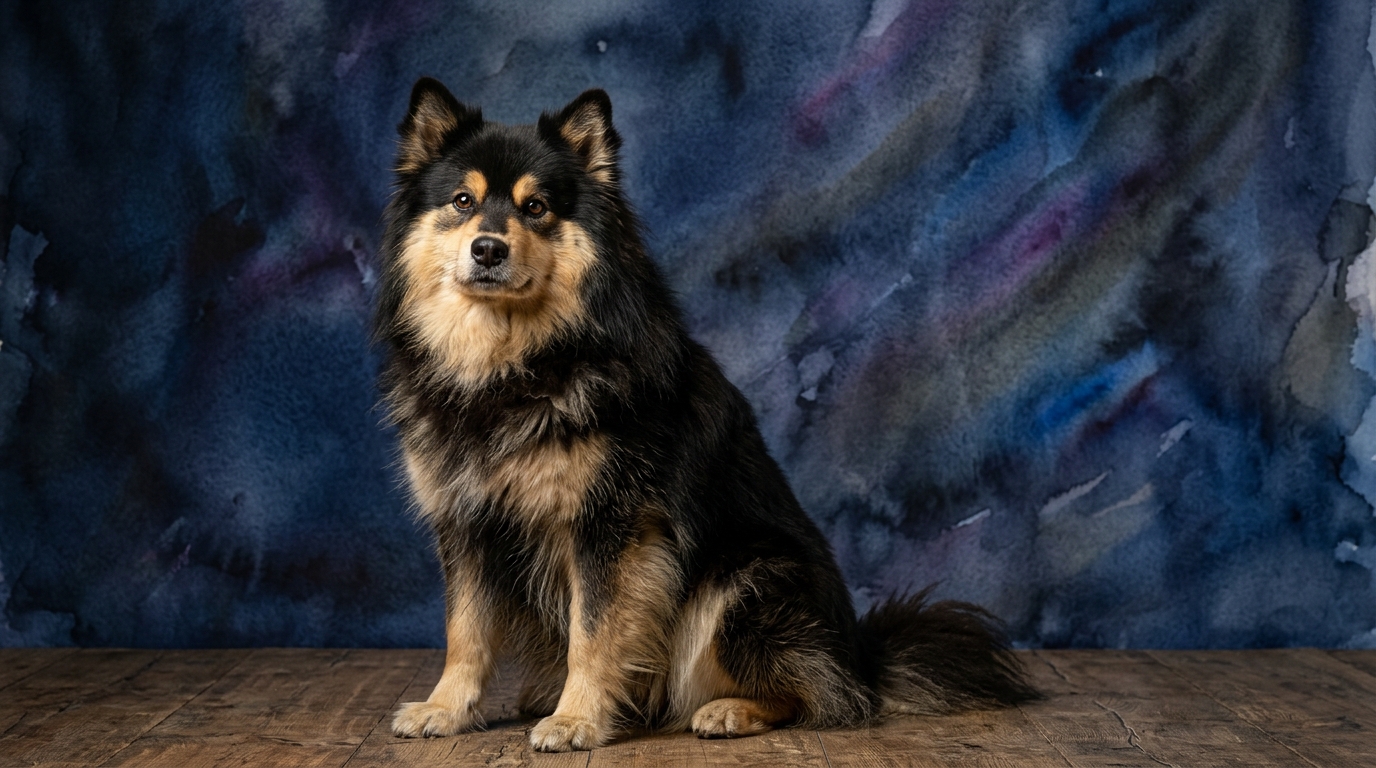
Hailing from Lapland, the Finnish Lapphund's cognitive profile is shaped by centuries of herding reindeer in challenging Nordic terrains. Their Problem Solving (3/5) manifests as a practical intelligence for navigating complex environments, demonstrating an ability to assess and adapt to dynamic situations, such as guiding livestock through varied landscapes or finding lost animals. Training Speed (3/5) indicates they learn new commands and routines at a moderate pace, particularly when tasks are presented as engaging challenges that tap into their innate herding drive. Their Social Intelligence (3/5) is evident in their perceptive nature, forming strong bonds with their human 'flock' and often displaying a keen awareness of family dynamics and emotional states. Instinctive Drive (3/5) is rooted in their herding heritage, showing up as a watchful attentiveness and a desire to keep their family unit cohesive, often expressed through playful 'gathering' behaviors. Finally, their Memory (3/5) is solid, allowing them to retain intricate spatial information, recall learned commands, and remember past social interactions, all crucial for effective, consistent work.
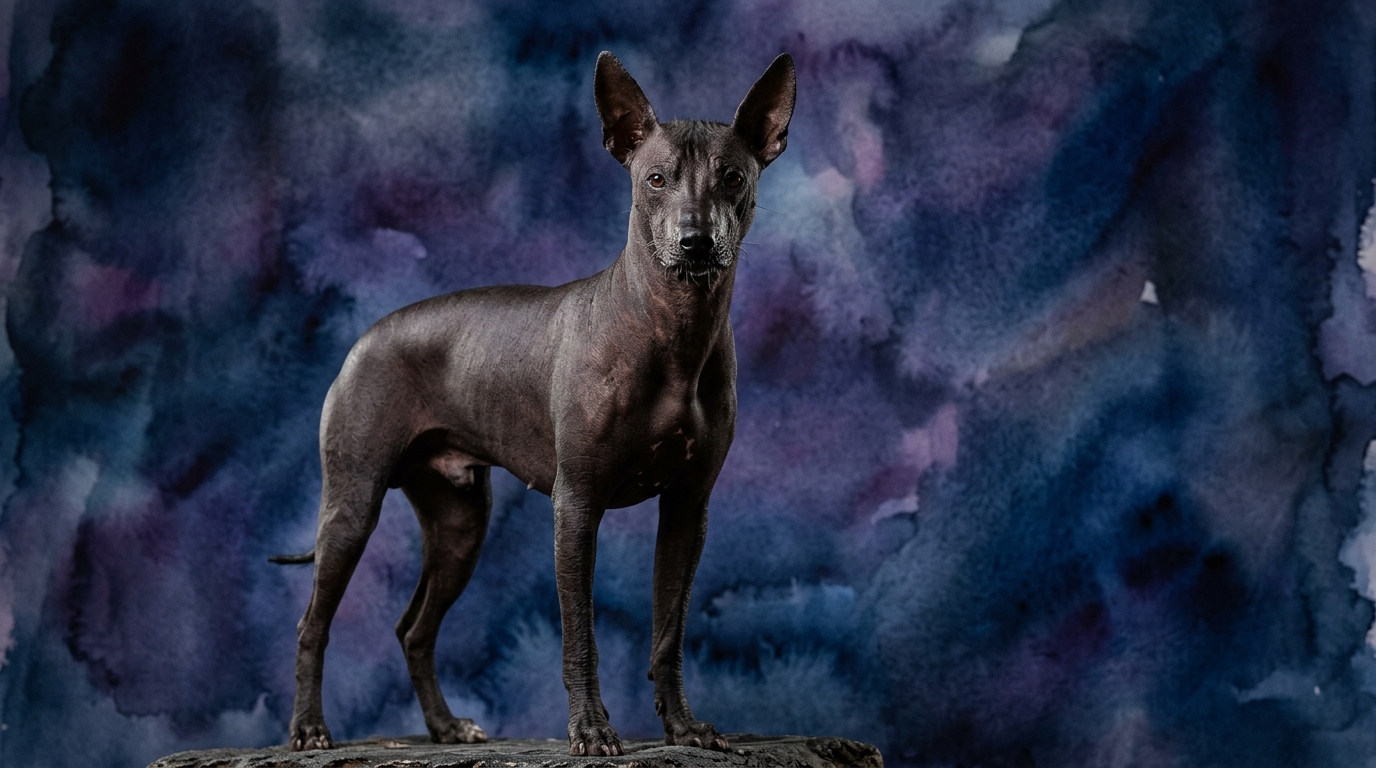
The Xoloitzcuintli, an ancient breed from Mexico, developed as a companion and guardian, shaping a distinct cognitive blueprint. Their Problem Solving (3/5) often involves a thoughtful, observant approach to novel situations, where they might analyze a scenario before acting, perhaps strategizing how to access a desired object or navigate a new space with quiet determination. Training Speed (3/5) suggests they learn at a moderate pace, responding best to positive reinforcement and clear, consistent guidance, though their independent streak means motivation is key to sustained engagement. Social Intelligence (3/5) is deeply ingrained, leading to profound, almost intuitive bonds with their primary human companions, often exhibiting a reserved demeanor with strangers but an acute sensitivity to their family's moods and intentions. Their Instinctive Drive (3/5) is primarily focused on companionship and protective guardianship, manifesting as a vigilant watchfulness over their home and loved ones, rather than a strong prey or herding impulse. Their Memory (3/5) is reliable, allowing them to remember routines, recognize familiar individuals, and recall past experiences, contributing to their adaptability and consistent behavior within a domestic setting.
Where the Finnish Lapphund Excels Cognitively
The Finnish Lapphund's cognitive strengths shine particularly in scenarios demanding active engagement with a dynamic environment. Their 3/5 problem-solving capability is uniquely geared towards practical, on-the-spot decision-making, excelling in situations that require navigating varied terrains, assessing the movements of other animals, or finding efficient routes during herding tasks. This breed demonstrates a superior capacity for initiative when faced with unexpected changes in their “work” environment, quickly adjusting their strategy to maintain control or achieve a goal. Their social intelligence, while rated similarly to the Xoloitzcuintli, often manifests as a broader awareness of their surroundings and the individuals within it, making them particularly adept at managing group dynamics, whether it’s a flock of sheep or a bustling family picnic. This inherent drive to keep things cohesive, combined with their memory for complex patterns, allows them to anticipate and respond to evolving situations with a fluidity that speaks to their specialized working heritage.
Where the Xoloitzcuintli Shows Cognitive Advantage
The Xoloitzcuintli's cognitive advantages are most apparent in contexts that value observation, subtle social understanding, and adaptability within a stable domestic sphere. Their 3/5 problem-solving ability often translates into a discerning thoughtfulness, where they might patiently observe a situation, such as a new puzzle toy, before attempting a solution, rather than relying on immediate action. This allows them to devise more refined strategies for achieving personal comfort or interacting with their immediate environment. Their social intelligence, though also 3/5, is particularly acute in discerning the nuanced emotional states and intentions of their primary human companions, often responding with a quiet empathy or protective presence. This makes them exceptionally attuned household members, capable of reacting to unspoken cues. Furthermore, their instinctive drive, centered on guardianship and companionship, lends itself to a focused vigilance within their territory, making them excellent at assessing new individuals or changes to their home environment with a calm, deliberate attention. Their memory reinforces this, allowing them to consistently recall household routines and the specific preferences of their family members, contributing to their harmonious integration into a quiet home life.
Training Dynamics: Finnish Lapphund vs. Xoloitzcuintli
When it comes to training, both breeds score 3/5 for training speed, yet their underlying motivations and learning styles present distinct experiences. The Finnish Lapphund often approaches training with a cooperative spirit, viewing tasks as a shared activity or a 'job' to be done alongside their human. Their herding background means they appreciate clear direction and respond well to consistent, engaging sessions that channel their natural desire to work and manage. They can be eager to please, and positive reinforcement, especially when tied to their instincts like 'gathering' toys or people, can accelerate their learning. However, their environmental awareness can also lead to distractions if training isn't captivating enough, as their minds are wired to monitor their surroundings.
The Xoloitzcuintli, conversely, might present a different training dynamic. While capable learners at a moderate pace, their independent and discerning nature means they often need to be convinced that a task is worthwhile or personally beneficial. They respond exceptionally well to positive reinforcement and gentle, patient methods, but may not possess the same inherent eagerness to please as the Lapphund. A Xolo might learn a command perfectly but then choose whether or not to perform it if they don't see the immediate value or if their attention is elsewhere. This requires an owner who understands their selective nature and can make training fun and rewarding without resorting to harsh methods, which can make them withdraw. Therefore, while both learn, the Lapphund often offers a more straightforward, task-oriented training experience, whereas the Xolo requires a more nuanced, relationship-focused approach to achieve consistent results.
Matching Breeds to Owner Lifestyles
The choice between a Finnish Lapphund and a Xoloitzcuintli significantly depends on an owner's lifestyle and energy levels. The Finnish Lapphund, with its herding heritage and moderate instinctive drive, is undeniably better suited for active owners. These dogs thrive on consistent physical exercise and, crucially, ample mental stimulation. Owners who enjoy activities like long hikes, agility training, obedience work, or even engaging in herding games will find a fulfilling partnership with a Lapphund. Their problem-solving skills and memory are best utilized when given regular “jobs” or complex challenges, preventing boredom and potential behavioral issues. A purely relaxed owner might struggle to meet the Lapphund's needs, potentially leading to a restless or under-stimulated companion.
The Xoloitzcuintli, on the other hand, offers a unique blend that can appeal to both moderately active and more relaxed owners, provided their need for close companionship is met. While they certainly benefit from regular exercise to maintain physical health and mental sharpness, their protective and companion-oriented instinctive drive means they are often content with daily walks and then settling down for extended periods of quiet interaction with their family. Their thoughtful problem-solving and acute social intelligence make them highly adaptable to household routines, often enjoying observing the world from a comfortable perch. A relaxed owner who values a devoted, calm presence and is prepared to offer consistent affection and gentle engagement will find the Xolo a wonderfully suited companion. They are less driven by a constant need for strenuous activity compared to the Lapphund, making them a more versatile choice for varied home environments.
The Verdict
Choose the Finnish Lapphund if you are an active individual or family seeking a cooperative, engaging companion eager to participate in outdoor adventures, learn new skills, and channel their working intelligence into a variety of stimulating activities.
Opt for the Xoloitzcuintli if you desire a devoted, observant companion who thrives on deep family bonds, offering a quiet yet protective presence and adapting well to a home that values calm companionship alongside regular, but not necessarily intense, activity.
🧠 Find Your Pet's IQ Score
Our Pet IQ Lab assessment covers 25+ tests across 5 cognitive dimensions — personalized to your breed.
Take the Full IQ Test →Frequently Asked Questions
Are Finnish Lapphunds good with children?
Finnish Lapphunds generally possess a gentle and patient temperament, making them good family dogs. Their social intelligence allows them to understand family dynamics, and their herding instinct can sometimes manifest as a watchful eye over children, though supervision is always recommended to ensure appropriate interactions.
Do Xoloitzcuintli need a lot of grooming despite being hairless?
While lacking a coat, Xoloitzcuintli require specific skin care, including regular bathing to prevent clogged pores and moisturizing to keep their skin healthy. They also need protection from sun exposure and cold weather, which are unique grooming considerations compared to coated breeds.
What kind of mental stimulation do these breeds enjoy?
Finnish Lapphunds thrive on activities like obedience, agility, puzzle toys, and any task that mimics their herding work, engaging their problem-solving and instinctive drives. Xoloitzcuintli enjoy interactive games, scent work, trick training, and puzzle toys that challenge their thoughtful problem-solving skills, often preferring activities that involve their human companions.