Side-by-Side IQ Profile: Flat-Coated Retriever vs. Airedale Terrier
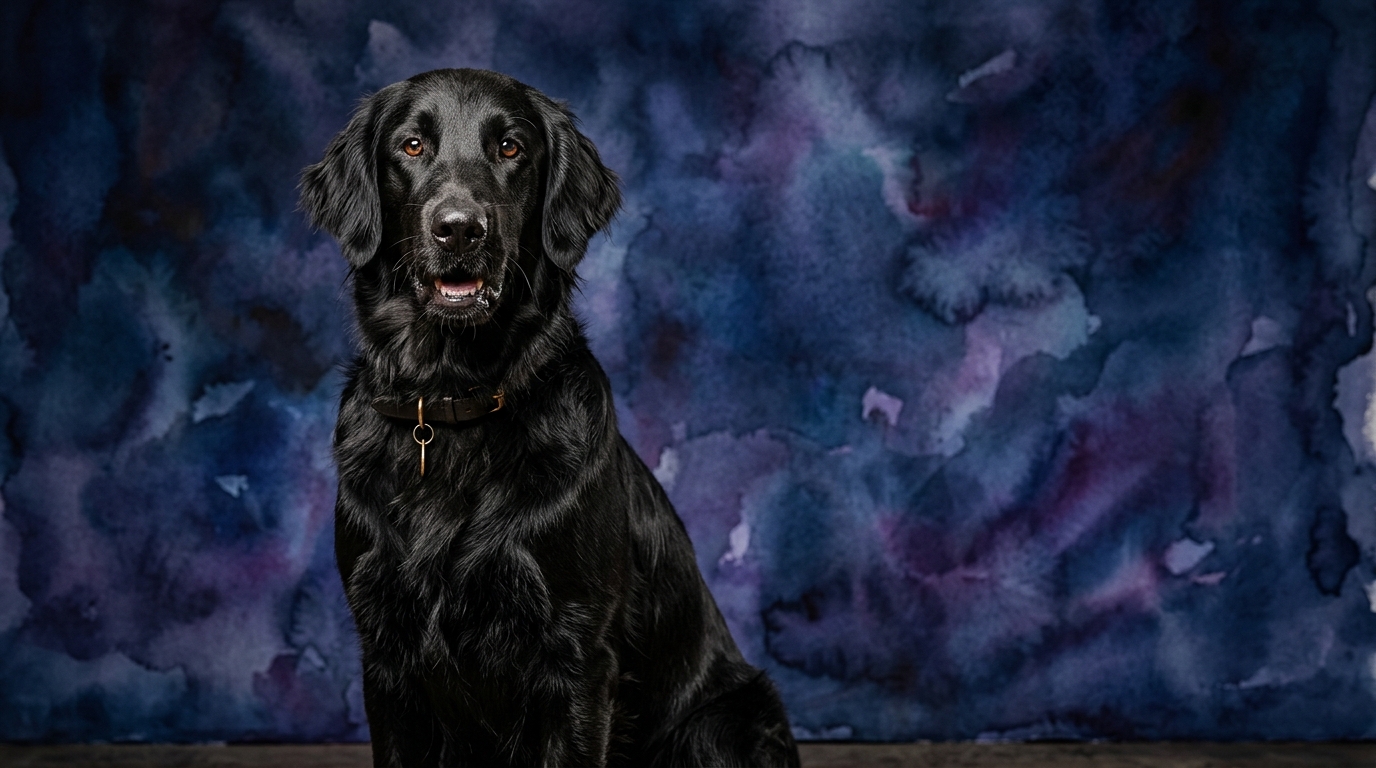
As a Sporting group member, the Flat-Coated Retriever's Coren rank of #17 places it among breeds that understand new commands quickly, often with 5-15 repetitions, and obey known commands 85% of the time or better. Its Problem Solving is rated 4/5, indicating a strong capacity to navigate novel situations and figure out solutions independently or with guidance. Training Speed is also 4/5, suggesting a readiness and aptitude for learning new tasks efficiently. Social Intelligence, at 3/5, points to a moderate ability to interpret human cues and adapt to social contexts. Instinctive Drive, also 3/5, indicates a balanced level of innate behaviors related to its retrieving heritage. Crucially, its Memory stands out at 5/5, suggesting exceptional retention of learned behaviors, commands, and past experiences.
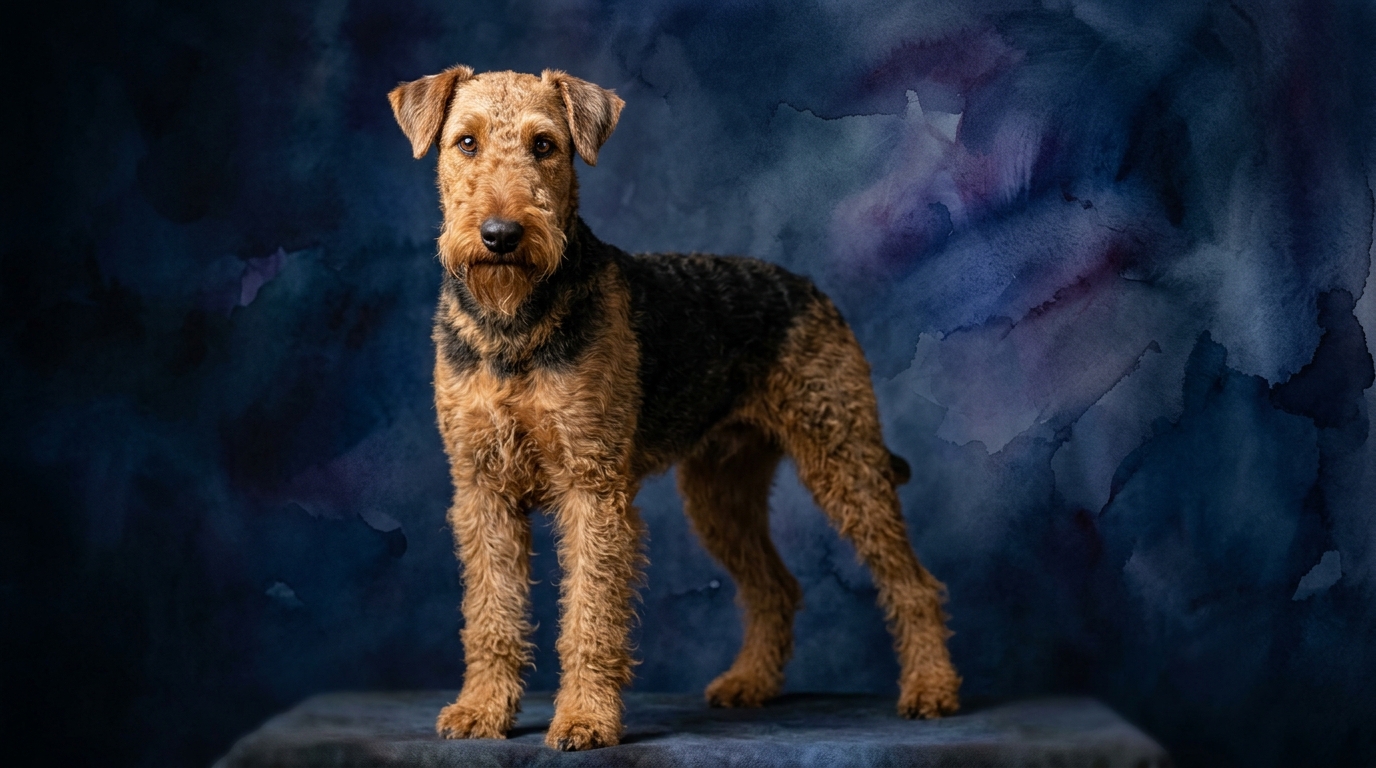
Hailing from the Terrier group, the Airedale's Coren rank of #29 positions it as a breed that can learn new commands with 15-25 repetitions and obeys known commands 70% of the time or better. Its Problem Solving, like the Flat-Coat, is 4/5, showcasing a robust capacity for figuring things out, often with a terrier's signature tenacity. Training Speed is also 4/5, reflecting a solid ability to acquire new skills. Social Intelligence scores 3/5, indicating a moderate understanding of social dynamics, typical for a breed bred for independent work. Instinctive Drive, also 3/5, reflects its inherent working terrier traits. The Airedale's Memory is rated 4/5, signifying good recall and retention of information, though not quite reaching the Flat-Coat's peak performance.
Where the Flat-Coated Retriever Excels Cognitively
The Flat-Coated Retriever truly shines in its exceptional Memory, scoring a perfect 5/5. This superior retention capacity means that once a Flat-Coat learns a command, a routine, or a positive association, it is deeply ingrained. For owners, this translates into remarkable consistency in obedience over time and a dog that remembers past training sessions or pleasant experiences with great clarity. This robust memory also underpins its Coren rank of #17; the ability to quickly absorb and reliably recall new information is a hallmark of this cognitive strength. Furthermore, while its Problem Solving and Training Speed match the Airedale at 4/5, the Flat-Coat's overall higher Coren ranking suggests that its application of these skills is often more fluid and consistent, likely aided by that stellar memory and a strong desire to cooperate inherent to the Sporting group. This means it might apply learned solutions or new training concepts with slightly less hesitation and more predictable success in varied environments.
Where the Airedale Terrier Excels Cognitively
While the Airedale Terrier's numerical scores are often similar or slightly lower than the Flat-Coat's, its cognitive strengths manifest differently, particularly through the lens of its Terrier heritage. Its 4/5 Problem Solving, when combined with its inherent tenacity and independent spirit, often translates into a resourceful and determined approach to challenges. An Airedale might not always seek human guidance first, preferring to assess and tackle a situation on its own terms, a trait that can be highly advantageous in tasks requiring self-reliance, like finding hidden objects or navigating complex terrain without constant direction. While its Memory is 4/5, good but not exceptional, this can sometimes mean it is less bound by past failures and more willing to experiment with new approaches. Its Instinctive Drive of 3/5, combined with its independent working background, gives it a robust mental fortitude to persist through tasks that might challenge a more human-dependent breed. This breed "wins" in the realm of self-initiated cognitive application and a determined, often clever, approach to problem-solving rooted in its terrier nature.
Which is Easier to Train and Why
When considering ease of training, the Flat-Coated Retriever generally presents a more straightforward path. Its Coren rank of #17 signifies a faster acquisition of new commands and a higher rate of obedience to known commands. The Flat-Coat's paramount strength, its 5/5 Memory, is a game-changer here; once a behavior is taught, it sticks, reducing the need for constant repetition and reinforcement over the long term. Coupled with its 4/5 Training Speed and the Sporting group's inherent desire to work cooperatively with humans, Flat-Coats tend to be eager students, often finding joy in the training process itself. They are typically more attuned to human feedback and cues, making communication during training more fluid.
The Airedale Terrier, while also scoring a commendable 4/5 in Training Speed and Problem Solving, can present a different training dynamic. Its Coren rank of #29 indicates that it may require more repetitions to learn new commands and might offer slightly less consistent obedience to known ones. The Airedale's independent Terrier spirit often means it possesses a strong will and a tendency to evaluate whether a command aligns with its own immediate interests before complying. While its 4/5 Memory is good, it may necessitate more consistent reinforcement to ensure long-term retention compared to the Flat-Coat's exceptional recall. Training an Airedale often requires more patience, creativity in motivation, and a firm, consistent approach to channel its strong-willed nature effectively. It’s not that they *can't* learn, but their cognitive style and breed temperament mean they learn *differently* and often demand a more engaged, persistent trainer.
Which Suits Active Owners vs. Relaxed Owners
Both the Flat-Coated Retriever and the Airedale Terrier are breeds that thrive with active engagement, making them less suitable for truly "relaxed" or sedentary owners. However, their activity needs and how they express them differ.
The Flat-Coated Retriever, with its Sporting group background, requires regular physical exercise and mental stimulation. Its high memory and desire to please mean it excels in structured activities like obedience, agility, and retrieving games. Owners who enjoy hiking, running, or participating in dog sports will find a willing and capable partner. While it needs activity, its social intelligence (3/5) and cooperative nature often make it content to relax indoors after a good session, enjoying family time. It suits owners who are active and enjoy including their dog in their pursuits but also appreciate a dog that can settle down. They are adaptable to various active lifestyles, provided their cognitive and physical needs are met through consistent interaction and purposeful activities.
The Airedale Terrier, as the "King of Terriers," demands a robust outlet for its physical energy and its keen problem-solving mind (4/5). Its independent, tenacious nature means that without sufficient mental and physical challenges, it can become bored and channel its intelligence into less desirable behaviors, such as digging or exploring. Airedales thrive with owners who are not only physically active but also enjoy engaging in activities that tap into their terrier instincts, such as earthdog trials, scent work, or advanced obedience that requires sustained focus and problem-solving. They are less likely to be content with just a casual stroll; they need purpose-driven exercise and mental stimulation that challenges their intellect and strong will. Owners must be prepared for a dog that needs consistent, engaging activity to prevent boredom and maintain a balanced temperament. A truly relaxed owner would likely find an Airedale's energy and independent streak challenging to manage.
The Verdict
Opt for the Flat-Coated Retriever if you prioritize a highly trainable companion with exceptional memory and a cooperative spirit, ideal for consistent obedience work and family integration. This breed excels with owners who enjoy structured activities and appreciate a dog that reliably remembers commands and routines.
Select the Airedale Terrier if you are an experienced, active owner who values a resourceful, independent, and tenacious partner, ready for engaging challenges that tap into its problem-solving abilities. This breed thrives with consistent, creative training that respects its strong will and provides ample mental and physical outlets.
🧠 Find Your Pet's IQ Score
Our Pet IQ Lab assessment covers 25+ tests across 5 cognitive dimensions — personalized to your breed.
Take the Full IQ Test →Frequently Asked Questions
Does the Airedale Terrier's lower Coren rank mean it's not as smart as the Flat-Coated Retriever?
Not necessarily. While the Flat-Coat's #17 rank suggests faster command acquisition and higher obedience rates, the Airedale's #29 rank still places it within the top tier of working intelligence. The Airedale's intelligence often manifests as independent problem-solving and tenacity, rather than immediate human-directed compliance.
How does the memory difference impact daily life with these breeds?
The Flat-Coat's 5/5 memory means it retains training and routines exceptionally well, leading to greater consistency in behavior and fewer refreshers needed. The Airedale's 4/5 memory is still very good, but owners might find they need to reinforce commands more regularly to maintain the same level of precision and recall.
Are both breeds good for first-time dog owners?
The Flat-Coated Retriever, with its eagerness to please and superior memory, can be a suitable choice for dedicated first-time owners willing to commit to consistent training. The Airedale Terrier, due to its independent nature and strong will, is generally better suited for experienced owners who understand terrier temperaments and can provide firm, consistent, and engaging leadership.