
Side-by-Side IQ Profile
The French Bulldog, a member of the Non-Sporting group and not ranked by Coren, presents a unique cognitive blueprint. Its problem-solving ability is rated 3/5, indicating a moderate capacity for navigating new situations and learning routines effectively, often relying on learned patterns rather than abstract reasoning for complex tasks. Training speed also sits at 3/5; while they are willing to learn, consistency and positive reinforcement are crucial, as they might require more repetition to solidify understanding. However, their social intelligence is a perfect 5/5, showcasing an exceptional ability to read human emotions, understand social cues, and integrate seamlessly into family dynamics, often seeking close companionship. Their instinctive drive is quite low at 2/5, meaning their primary motivations revolve around comfort and social interaction rather than independent tasks or prey. Finally, their memory is rated 3/5, solid for retaining learned behaviors, routines, and familiar faces.
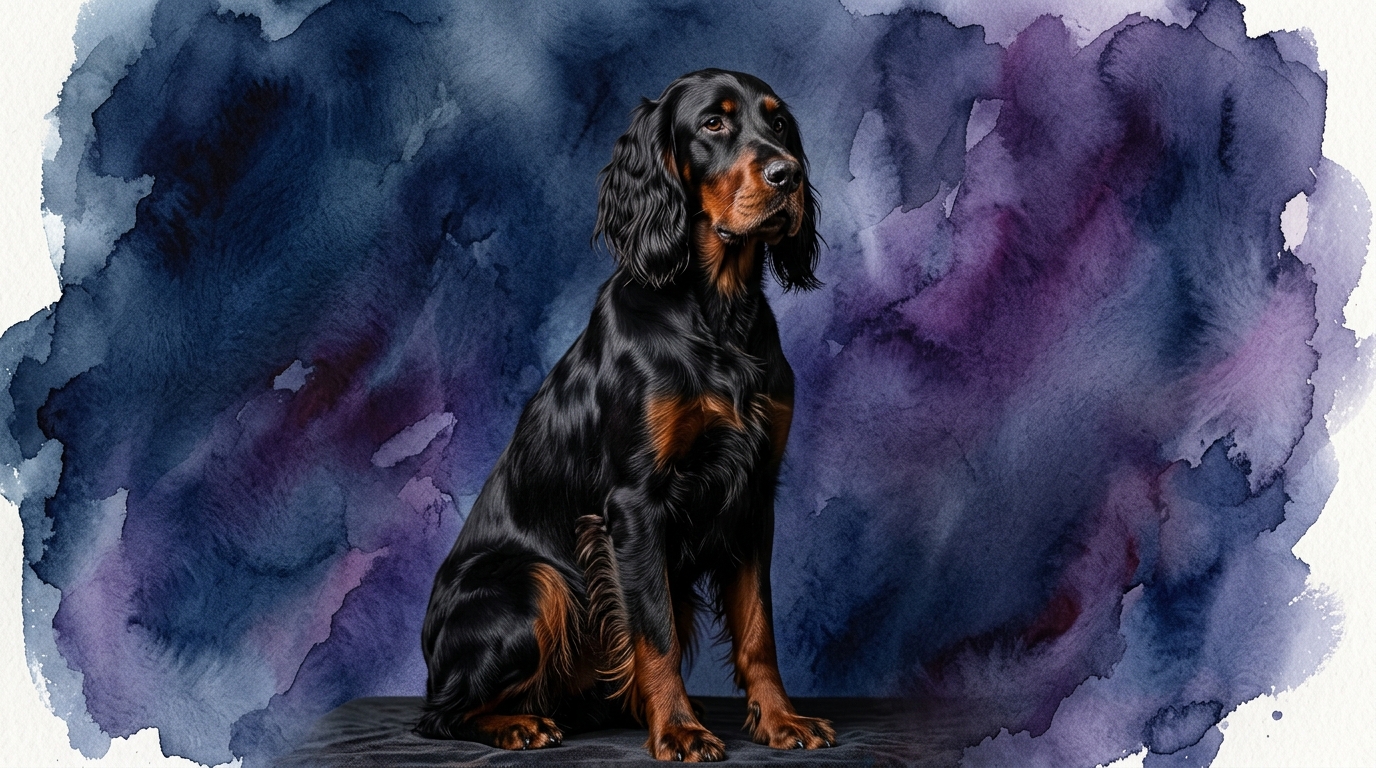
In contrast, the Gordon Setter, a Sporting breed ranked #39 by Coren, exhibits a different set of cognitive strengths. Its problem-solving ability is a robust 4/5, reflecting a strong capacity for working through intricate challenges, often requiring independent thought to achieve goals, a trait stemming from its hunting heritage. Training speed matches this at 4/5, as they generally pick up new commands and concepts quickly, displaying an eagerness to learn and respond to instruction. Their social intelligence is 3/5; while affectionate, they might be more independent in their social interactions compared to the French Bulldog, sometimes prioritizing their own tasks. A moderate instinctive drive of 3/5 means they possess an inherent inclination for scent work and retrieving, which can be channeled into engaging activities. Their memory is strong at 4/5, crucial for tracking game and remembering complex sequences of commands reliably over time.
Where the French Bulldog Wins Cognitively
The French Bulldog's standout cognitive strength lies in its social intelligence, rated a perfect 5/5. This breed excels at understanding human communication, nuances in tone, and body language, making them profoundly attuned companions. They are adept at reading the room, sensing shifts in mood, and often adapting their behavior to maintain harmony within their human pack. This exceptional social acumen enables them to form deep, intuitive bonds, often anticipating needs or simply offering comfort at the right moment. Their ability to integrate seamlessly into a family’s emotional landscape is a testament to this profound social awareness, setting them apart in the realm of canine companionship. This empathetic connection is a hallmark of their cognitive profile, making them unparalleled in their capacity for emotional bonding and companionship.
Where the Gordon Setter Wins Cognitively
Conversely, the Gordon Setter demonstrates superior cognitive abilities in areas tied to its working heritage. Its problem-solving (4/5) and memory (4/5) are notably higher than the French Bulldog's. Gordon Setters are adept at navigating complex environments and figuring out how to achieve objectives, whether it's locating a hidden toy or performing a multi-step task. This capacity for independent thought and strategic action is a hallmark of their breed, reflecting their historical role in hunting where independent decision-making was vital. Furthermore, their robust memory allows them to retain intricate sequences of commands and recall details over extended periods, making them excellent candidates for advanced obedience, field trials, or even intricate scent work where precision and recall are paramount. This combination of cognitive agility and retention makes them highly capable learners for task-oriented roles.
Which is Easier to Train and Why
Considering their respective IQ profiles, the Gordon Setter generally presents as the easier breed to train, primarily due to its higher training speed (4/5) and problem-solving (4/5) aptitude. Gordon Setters, with their sporting background, often possess an innate desire to work collaboratively and respond to direction, quickly grasping new commands and eager to please. Their independent problem-solving skills mean they can often generalize learned behaviors to new contexts with less direct instruction, making training sessions efficient and rewarding. The French Bulldog, with a training speed of 3/5, requires more patience and repetition. While they are willing to learn, their motivation often hinges on social reward rather than the inherent satisfaction of a task, and their lower instinctive drive means they might not be as naturally driven to perform complex sequences without consistent, engaging reinforcement. French Bulldogs can be trained effectively, but their process is typically slower and requires more creative engagement to maintain their interest and focus on the task at hand.
Which Suits Active Owners vs. Relaxed Owners
The choice between a French Bulldog and a Gordon Setter largely depends on an owner's lifestyle and energy levels. The French Bulldog, with its lower instinctive drive (2/5), is an ideal fit for more relaxed owners. Their exercise needs are moderate, consisting of short walks and indoor play, and they thrive on companionship within the home. They are content with a slower pace of life, preferring cuddles on the couch to long hikes, making them perfect for apartment living or less active households. Conversely, the Gordon Setter, possessing a moderate instinctive drive (3/5) and a higher capacity for problem-solving, is perfectly suited for active owners. This breed requires significant physical exercise, such as daily runs, vigorous play, or participation in dog sports, to satisfy their inherent energy and working intelligence. Owners who enjoy outdoor adventures or structured activities like obedience, agility, or field work will find a highly engaged and fulfilling companion in a Gordon Setter, whose mental and physical needs align with a dynamic lifestyle.
The Verdict
Choose a French Bulldog if your lifestyle is relaxed and you prioritize a deeply socially attuned companion who thrives on close interaction and moderate activity. Their exceptional social intelligence makes them ideal for owners seeking an emotionally intuitive presence.
Opt for a Gordon Setter if you lead an active life and desire a mentally agile, trainable partner for outdoor adventures, dog sports, or complex training challenges. Their superior problem-solving and memory capabilities will flourish with consistent engagement and purpose.
🧠 Find Your Pet's IQ Score
Our Pet IQ Lab assessment covers 25+ tests across 5 cognitive dimensions — personalized to your breed.
Take the Full IQ Test →Frequently Asked Questions
Are French Bulldogs difficult to train because of their problem-solving score?
French Bulldogs are not inherently difficult to train, but their problem-solving score of 3/5 and training speed of 3/5 suggest they learn at a moderate pace. They respond best to consistent, positive reinforcement and engaging methods, often motivated by social interaction and treats rather than complex tasks.
How does the Gordon Setter's Coren ranking relate to its IQ profile?
The Gordon Setter's Coren rank of #39 aligns well with its IQ profile, particularly its 4/5 scores in problem-solving, training speed, and memory. Coren's ranking primarily assesses 'working and obedience intelligence,' which reflects a dog's capacity to learn and obey commands, directly correlating with these higher cognitive attributes.
Can a French Bulldog participate in dog sports despite its lower instinctive drive?
While French Bulldogs have a lower instinctive drive, they can certainly participate in certain dog sports, especially those that emphasize social interaction and fun, like beginner agility or obedience. Their high social intelligence means they enjoy working with their owners, even if their drive for independent tasks is not as pronounced as a sporting breed.