
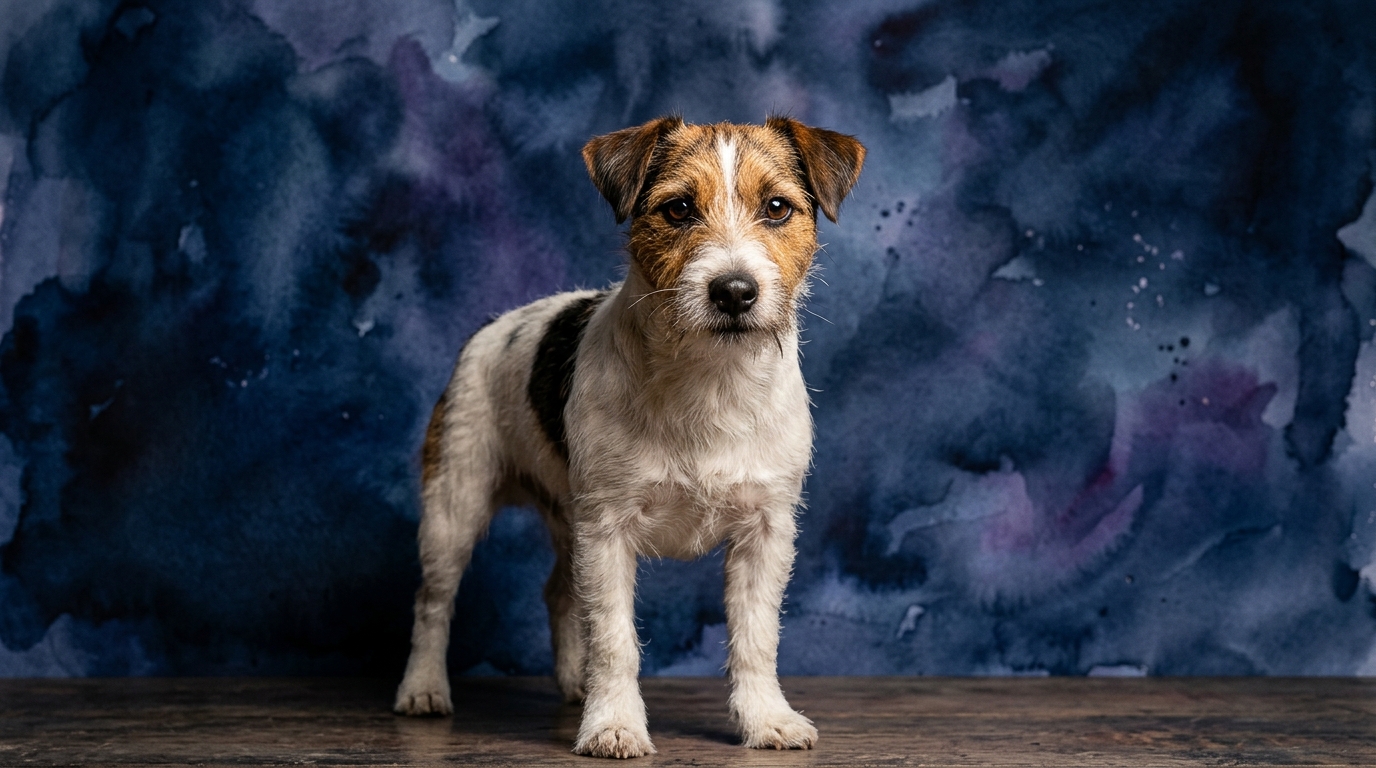
Side-by-Side Cognitive Profile: French Bulldog vs. Jack Russell Terrier
The Cosmic Pet Pet IQ Lab employs a multi-dimensional approach to assess canine intelligence, moving beyond simplistic 'smart' labels. For the French Bulldog, our data reveals a problem-solving capacity of 3/5, suggesting they can navigate moderate challenges but may not be the most independent thinkers when faced with complex puzzles. Their training speed also scores 3/5, indicating an average pace for learning new commands, requiring consistent and positive reinforcement. Where French Bulldogs truly shine is in social intelligence, earning a perfect 5/5. This reflects a profound ability to read human cues, understand social dynamics, and form strong emotional bonds. Their instinctive drive is rated at 2/5, meaning they possess a relatively low intrinsic motivation for tasks like hunting or herding, which often translates to a more relaxed demeanor. Finally, their memory stands at 3/5, allowing them to retain learned information and routines adequately.
In stark contrast, the Jack Russell Terrier presents a cognitive profile built for action and independent thought. Their problem-solving ability is exceptionally high at 5/5, indicating a natural aptitude for figuring things out, overcoming obstacles, and devising strategies to achieve their goals. Training speed for the Jack Russell is 3/5, matching the French Bulldog, meaning they can learn at a similar pace, though the *nature* of their learning might differ due to other factors. Their social intelligence is 3/5, suggesting they are capable of forming bonds and understanding human intentions, but perhaps with a more independent streak than the highly people-oriented French Bulldog. The most striking difference lies in their instinctive drive, which is a powerful 5/5. This score reflects a strong, inherent urge to hunt, explore, and engage with their environment with tenacity. Their memory is also robust, scoring 4/5, enabling them to recall complex sequences and past experiences with impressive detail.
Where the French Bulldog Cognitively Excels
The French Bulldog's cognitive strengths are deeply rooted in their social acumen. With a 5/5 in social intelligence, they are exceptionally adept at interpreting human emotions, body language, and vocal tones. This translates into a dog that is highly empathetic, often seeming to anticipate their owner's moods and desires. They excel in environments where close human interaction and emotional reciprocity are paramount, making them intuitive companions. This high social intelligence also means they are often more inclined to seek human guidance and approval, rather than relying solely on independent problem-solving when faced with a new situation. Their relatively low instinctive drive (2/5) further enhances this trait, as they are less likely to be distracted by external stimuli like scents or distant movements, allowing them to focus more intently on their human counterparts in a social context. This makes them particularly responsive in situations requiring nuanced social understanding, such as comforting a distressed owner or navigating complex social gatherings with grace.
Where the Jack Russell Terrier Cognitively Excels
The Jack Russell Terrier's cognitive prowess is undeniable in areas demanding independent thought and tenacity. Their 5/5 problem-solving score means they are natural strategists, capable of figuring out how to open cabinets, escape enclosures, or retrieve toys from challenging spots. This is coupled with a powerful 5/5 instinctive drive, which fuels their persistent pursuit of goals, whether it's tracking a scent, digging for perceived prey, or mastering a complex agility course. This drive isn't just about physical activity; it's a cognitive engine that pushes them to overcome obstacles and learn through exploration and experimentation. Their superior memory (4/5) further supports these traits, allowing them to recall successful problem-solving strategies and environmental details, making them highly effective at navigating complex environments or remembering where they buried a favorite toy weeks ago. These combined strengths make them exceptional at tasks requiring sustained focus, independent action, and an ability to learn from past experiences to achieve a desired outcome.
Training Dynamics: Which Breed Learns More Readily?
Both the French Bulldog and Jack Russell Terrier share a 3/5 training speed, suggesting they can learn at an average pace. However, the *approach* to training and the *nature* of challenges faced will differ significantly due to their other cognitive dimensions. The French Bulldog's high social intelligence (5/5) makes them eager to please and highly responsive to positive reinforcement rooted in human connection. They thrive on praise and interaction, making them generally cooperative students. Their lower instinctive drive (2/5) means fewer distractions from environmental stimuli, allowing them to focus on the task at hand during training sessions. While they might not independently figure out complex commands, their willingness to engage with their trainer makes them relatively straightforward to teach basic obedience and house manners.
Conversely, the Jack Russell Terrier's 3/5 training speed is often offset by their 5/5 problem-solving and instinctive drive. While they are capable of learning quickly, their independent nature means they might choose to apply their problem-solving skills to 'outsmart' their trainer or find alternative solutions to commands if they perceive a quicker path to their own goals. Their powerful instinctive drive means they can be easily distracted by scents, movement, or the urge to chase, requiring trainers to be exceptionally engaging and consistent to maintain their focus. Training a Jack Russell often becomes a battle of wits, demanding creativity and consistency to channel their innate drive and intelligence into desired behaviors, rather than allowing them to invent their own 'rules' or pursue their instincts over commands. For example, teaching a French Bulldog 'stay' might be about their desire to please, while teaching a Jack Russell 'stay' involves overcoming their intense desire to explore or pursue a perceived target.
Lifestyle Match: Active Engagement vs. Relaxed Companionship
The distinct cognitive profiles of these breeds directly influence their ideal living environments and owner lifestyles. French Bulldogs, with their high social intelligence and lower instinctive drive, are exceptionally well-suited for relaxed owners seeking a devoted and emotionally attuned companion. They thrive on close human proximity and are generally content with moderate exercise, such as short walks or indoor play. Their cognitive makeup means they don't require constant mental stimulation through complex tasks or extensive outdoor adventures to feel fulfilled. Instead, their intellectual needs are met through social interaction, cuddles, and being an integral part of family life. They are excellent choices for apartment dwellers or individuals who prefer a more sedentary lifestyle but still desire a deeply connected canine friend.
Jack Russell Terriers, on the other hand, are the quintessential breed for active owners who relish engagement and adventure. Their formidable problem-solving skills, coupled with an intense instinctive drive, mean they require significant mental and physical stimulation to prevent boredom and destructive behaviors. These dogs excel in activities like agility, earthdog trials, flyball, or extended hikes where they can put their cognitive and physical abilities to good use. They need owners who understand their need to explore, chase, and figure things out. A relaxed owner who cannot provide consistent outlets for their sharp minds and high energy levels might find a Jack Russell challenging to manage, as their intelligence and drive will inevitably seek an outlet, often in ways not appreciated by their human companions. They are best suited for homes where their owners are prepared to commit to daily, structured activities that challenge both their bodies and their brilliant minds.
The Verdict
Choose a French Bulldog if you prioritize a deeply empathetic, socially intelligent companion content with a relaxed lifestyle and close human interaction.
Choose a Jack Russell Terrier if you are an active owner seeking a tenacious, problem-solving partner eager for adventure and mentally stimulating challenges.
🧠 Find Your Pet's IQ Score
Our Pet IQ Lab assessment covers 25+ tests across 5 cognitive dimensions — personalized to your breed.
Take the Full IQ Test →Frequently Asked Questions
Are French Bulldogs easy to house train?
French Bulldogs generally respond well to house training due to their high social intelligence and desire to please. Consistent routines and positive reinforcement are key, and their lower instinctive drive means fewer distractions during the process.
Do Jack Russell Terriers get along with other pets?
Jack Russell Terriers can cohabitate with other pets, but their strong instinctive drive and prey drive (5/5) mean they require careful, early socialization, especially with smaller animals. Their independent social intelligence (3/5) suggests they might not always seek out multi-species companionship as readily as other breeds.
Which breed is better for first-time dog owners?
For first-time dog owners, the French Bulldog is generally a more forgiving choice due to their high social intelligence and lower demands for intense physical and mental stimulation. Jack Russell Terriers, with their powerful drives and problem-solving abilities, require a more experienced hand to channel their energy effectively.