Side-by-Side IQ Profile
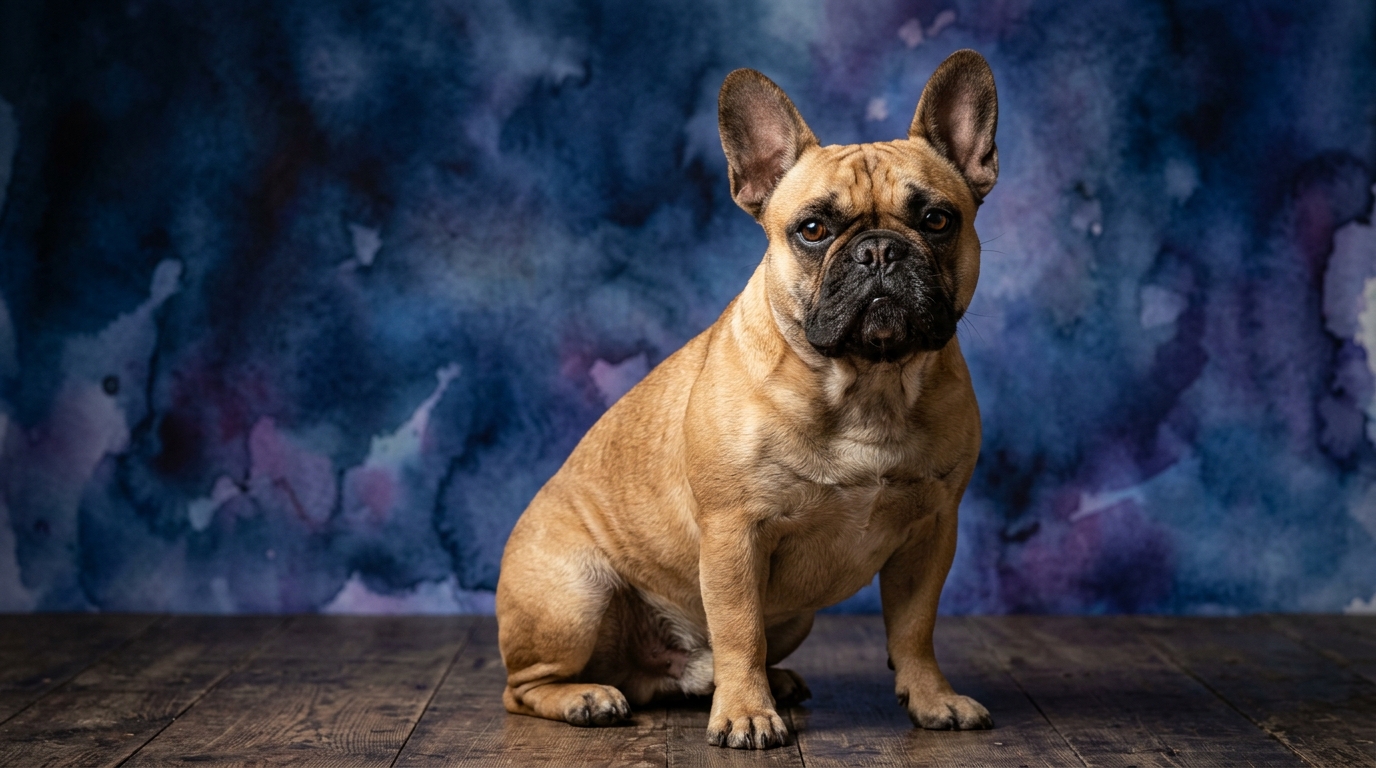
**French Bulldog:** This breed's cognitive makeup is largely influenced by its role as a companion animal, emphasizing social acuity over complex independent tasks. Their **Problem Solving (3/5)** suggests a moderate ability to figure out novel situations; their approach to new puzzles is often one of trial-and-error, or they may look to their human for guidance, rather than independently devising intricate solutions. This isn't a deficit, but rather a reflection of a breed shaped for companionship where complex independent problem-solving wasn't a primary selection criterion. **Training Speed (3/5)** indicates they learn new commands at a moderate pace; while capable of absorbing new commands, they thrive with patient repetition and positive reinforcement, sometimes displaying a charming stubbornness that requires a consistent approach. Their **Social Intelligence (5/5)** is their crowning cognitive trait; this breed possesses an unparalleled capacity to read and respond to human emotions, often anticipating needs or offering comfort without verbal cues. Their ability to integrate seamlessly into a family's emotional landscape is a hallmark of their cognitive makeup. With an **Instinctive Drive (2/5)**, they show low inherent motivation for tasks like hunting or retrieving; their primary motivations stem from social interaction and comfort. They are not typically driven to perform tasks for their own sake but for the connection it brings. Finally, their **Memory (3/5)** is moderate, allowing them to retain routines, learned behaviors, and social experiences effectively, enabling consistent responses to established commands and familiar situations.
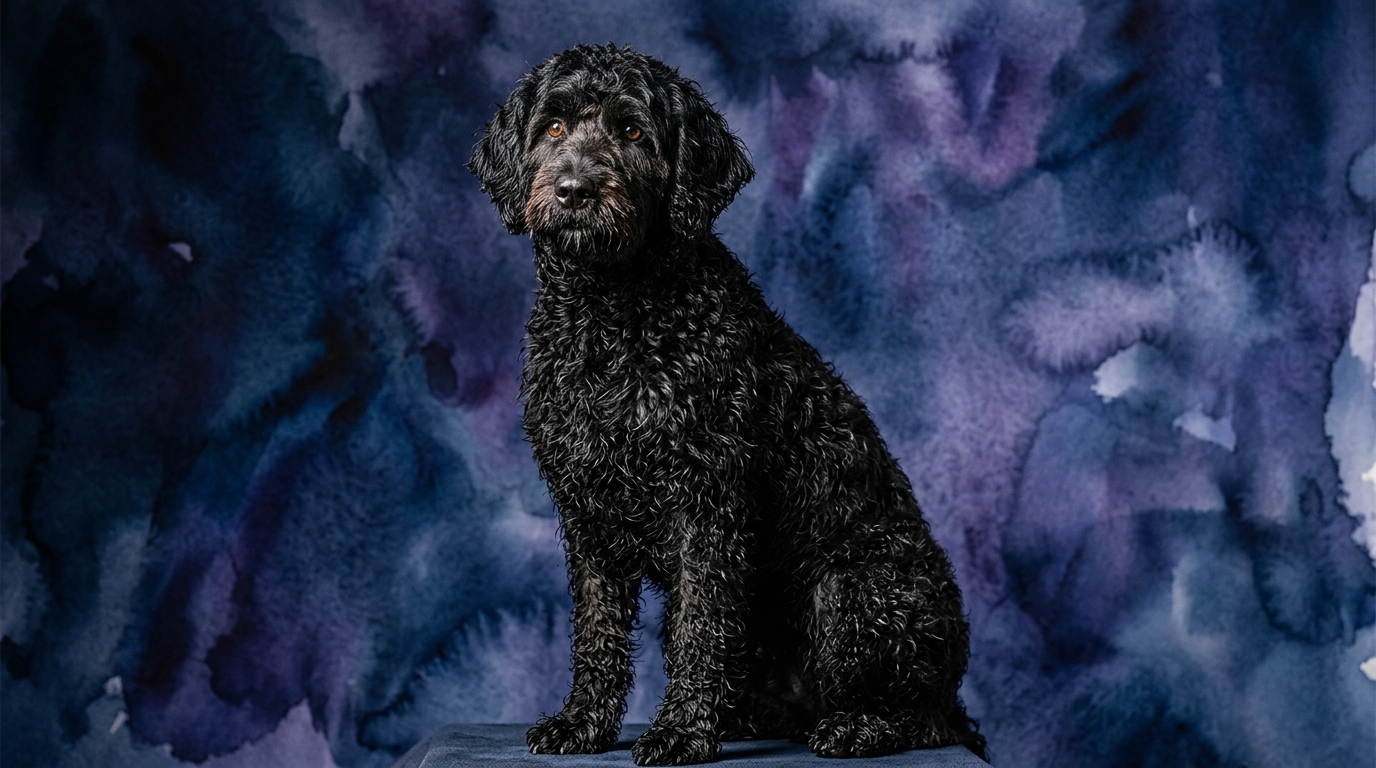
**Portuguese Water Dog:** Shaped by centuries of working alongside fishermen, this breed exhibits a practical and engaged cognitive style. Their **Problem Solving (3/5)** is moderate; they can competently navigate environmental challenges and learn sequential tasks, demonstrating a practical intelligence. However, their problem-solving often relies on applying learned patterns rather than spontaneous, multi-faceted innovation in entirely novel scenarios. Their **Training Speed (3/5)** is also moderate; while eager to learn, their independent streak means they require engaging, varied training sessions to maintain focus. They are capable of rapid learning when motivated, but monotony can lead to disengagement. **Social Intelligence (3/5)** is moderate; they form strong, loyal bonds and are responsive to their family, but their social interactions are often more direct and less subtly interpretive than breeds with higher social intelligence. They connect deeply but might not anticipate emotional shifts with the same nuance. The **Instinctive Drive (3/5)** for this breed is moderate, carrying an inherent inclination for activities linked to their heritage, such as retrieving, swimming, and working closely with humans. This translates to an eagerness for purposeful activity and mental engagement. Their **Memory (3/5)** is moderate, serving them well in retaining complex training sequences and environmental cues, enabling them to perform learned tasks reliably over time and recall past experiences with clarity.
Where the French Bulldog Wins Cognitively
The French Bulldog's standout cognitive strength lies unequivocally in their exceptional social intelligence. Rated a perfect 5 out of 5, this dimension describes their profound ability to understand and respond to human emotions, intentions, and social dynamics. Unlike many breeds, the Frenchie often seems to possess an innate empathy, capable of reading subtle shifts in a person's mood or body language with remarkable accuracy. This manifests in their daily lives as an intuitive capacity to offer comfort when a family member is distressed, or to adapt their playfulness to the general atmosphere of the home. They are masters of non-verbal communication, often using their expressions and proximity to convey their understanding or desire for interaction. This high social intelligence contributes significantly to their role as premier companion animals, fostering a deep, almost telepathic bond with their owners. While other breeds might learn to respond to commands, the French Bulldog often seems to genuinely comprehend the *why* behind the interaction, making them incredibly perceptive and emotionally responsive pets. This cognitive advantage allows them to integrate into human families not just as pets, but as integral, understanding members.
Where the Portuguese Water Dog Wins Cognitively
The Portuguese Water Dog's cognitive edge emerges most clearly in their moderate instinctive drive, rated 3 out of 5, especially when compared to the French Bulldog's 2/5. This isn't merely about a desire for physical activity; it reflects a deeper cognitive inclination towards purposeful engagement and working alongside humans. Originating as assistants to fishermen, their instincts are geared towards retrieving, swimming, and problem-solving in a functional context. This translates into a dog that thrives on having a 'job' to do, whether it's agility, dock diving, or complex obedience sequences. Their drive provides a consistent internal motivation for learning and performing tasks, which can be a powerful asset in training and mental stimulation. While their problem-solving and training speed ratings are similar to the French Bulldog's, their higher instinctive drive means they are more predisposed to apply these cognitive skills in sustained, task-oriented ways. They are less likely to be content with simply observing; instead, they seek active participation and mental challenges that satisfy their inherent working instincts. This cognitive trait makes them highly suitable for owners who wish to engage their dog in structured activities that tap into their historical purpose.
Which is Easier to Train and Why
When considering ease of training, both the French Bulldog and the Portuguese Water Dog are rated 3 out of 5 for training speed, suggesting a moderate pace of learning new commands. However, the *nature* of their trainability differs significantly due to their other cognitive strengths. The French Bulldog, with its exceptional social intelligence, often has a strong desire to please its human companions. This social connection can be a powerful motivator, leading them to quickly grasp commands that strengthen their bond or bring positive attention. Yet, their lower instinctive drive means they might not be inherently motivated by complex, repetitive tasks or working for the sake of the 'job' itself. Training for a Frenchie often benefits most from short, fun sessions focused on positive reinforcement and affection. They can also exhibit a charming stubbornness, requiring patience and consistency, as they are not always driven by a strong impulse to obey purely for task completion.
The Portuguese Water Dog, while also rated 3/5 for training speed, approaches training with a different cognitive framework. Their moderate instinctive drive means they often thrive on engaging, task-oriented training that appeals to their working heritage. They can be highly motivated by activities like retrieving, agility, or scent work, finding intrinsic satisfaction in completing a challenge. However, their independence can sometimes be interpreted as stubbornness; they are thinkers who might question the 'why' of a command or try to find a more efficient way to achieve a goal. This requires an owner who can make training sessions stimulating and varied, using positive reinforcement to channel their drive. In essence, neither breed is 'easier' in a universal sense. The French Bulldog is motivated by social connection and comfort, requiring a gentle, relationship-based approach. The Portuguese Water Dog is motivated by purpose and engagement, needing stimulating, task-oriented training to harness their independent spirit. Understanding these underlying cognitive motivations is crucial for successful training with either breed.
Which Suits Active Owners vs. Relaxed Owners
The choice between these two breeds often hinges significantly on an owner's lifestyle and their capacity to meet a dog's cognitive and physical needs. For active owners, the Portuguese Water Dog is an ideal match. Their moderate instinctive drive means they possess a natural inclination for physical activity and mental engagement, thriving on structured sports like agility, obedience, dock diving, or even just long hikes and swims. They are not content to simply observe; they require purposeful outlets for their energy and intellect. This breed excels when given a 'job' to do, making them fantastic partners for those who enjoy an outdoor, dynamic lifestyle. Their cognitive profile suggests they will be happier and better-behaved when their minds are regularly stimulated through learning and problem-solving within an active context.
Conversely, for more relaxed owners, the French Bulldog is exceptionally well-suited. Their lower instinctive drive means they have less inherent need for strenuous physical activity or complex working tasks. While they still require daily walks and playtime, their contentment stems more from close companionship and social interaction within the home environment. Their high social intelligence means they are perfectly happy to be a 'velcro dog,' observing household activities and offering quiet companionship. They adapt beautifully to urban living and smaller spaces, as their cognitive needs are primarily met through social bonding and a comfortable routine, rather than intense physical exertion or sustained task completion.
The Verdict
Choose a French Bulldog if your priority is a deeply empathetic companion who excels at social interaction and thrives in a relaxed, companionship-focused home environment.
Opt for a Portuguese Water Dog if you seek an engaged, task-oriented partner who enjoys purposeful activities and can keep pace with an active, outdoor-oriented lifestyle.
🧠 Find Your Pet's IQ Score
Our Pet IQ Lab assessment covers 25+ tests across 5 cognitive dimensions — personalized to your breed.
Take the Full IQ Test →Frequently Asked Questions
Do French Bulldogs learn tricks quickly?
French Bulldogs learn tricks at a moderate pace, largely due to their moderate training speed rating. Their strong social intelligence means they often enjoy engaging with their owners in learning, but consistent, positive reinforcement is key to their progress.
Are Portuguese Water Dogs good at problem-solving?
Portuguese Water Dogs possess moderate problem-solving abilities, enabling them to navigate common challenges and learn complex sequences. While they aren't typically innovative in novel situations, their capacity for learning and their working drive allow them to apply learned solutions effectively.
How does social intelligence impact daily life for these breeds?
A French Bulldog's exceptional social intelligence means they are highly attuned to human emotions, often anticipating needs or offering comfort, making them deeply intuitive companions. A Portuguese Water Dog's moderate social intelligence means they form strong bonds but engage more directly, perhaps less subtly interpreting nuanced social cues.