Side-by-Side IQ Profile: French Bulldog
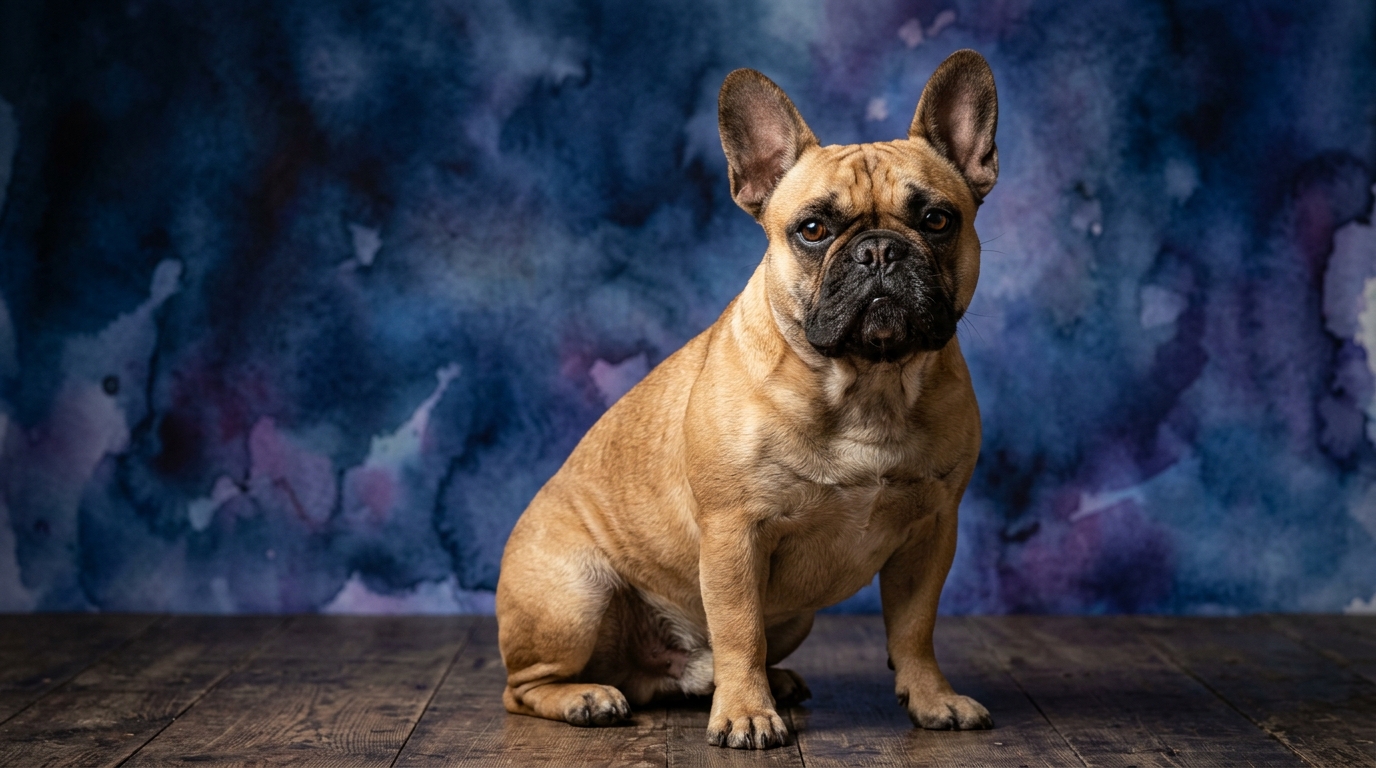
The French Bulldog, a member of the Non-Sporting Group, showcases a balanced cognitive profile suited for a companion animal that is both attentive and moderately independent. Their Problem Solving score of 3/5 indicates a capacity for figuring out straightforward challenges, such as navigating a simple obstacle course to retrieve a favorite toy or understanding basic cause-and-effect scenarios to obtain a treat. This suggests a dog that can learn to manipulate its environment to a certain degree to achieve desired outcomes.
Their Training Speed, also at 3/5, demonstrates a moderate rate of learning new commands and behaviors. French Bulldogs typically require a consistent approach with positive reinforcement but can grasp concepts effectively over a reasonable number of repetitions. In Social Intelligence, they achieve a perfect 5/5, signifying an exceptional ability to read human cues, emotions, and social situations, making them highly attuned and responsive companions. Their Instinctive Drive is a low 2/5, meaning they possess minimal inherent inclination for tasks like hunting or guarding, preferring human company. Finally, their Memory at 3/5 reflects a moderate ability to retain learned information and recall past experiences, aiding in consistent adherence to routines and commands.
Side-by-Side IQ Profile: Pug
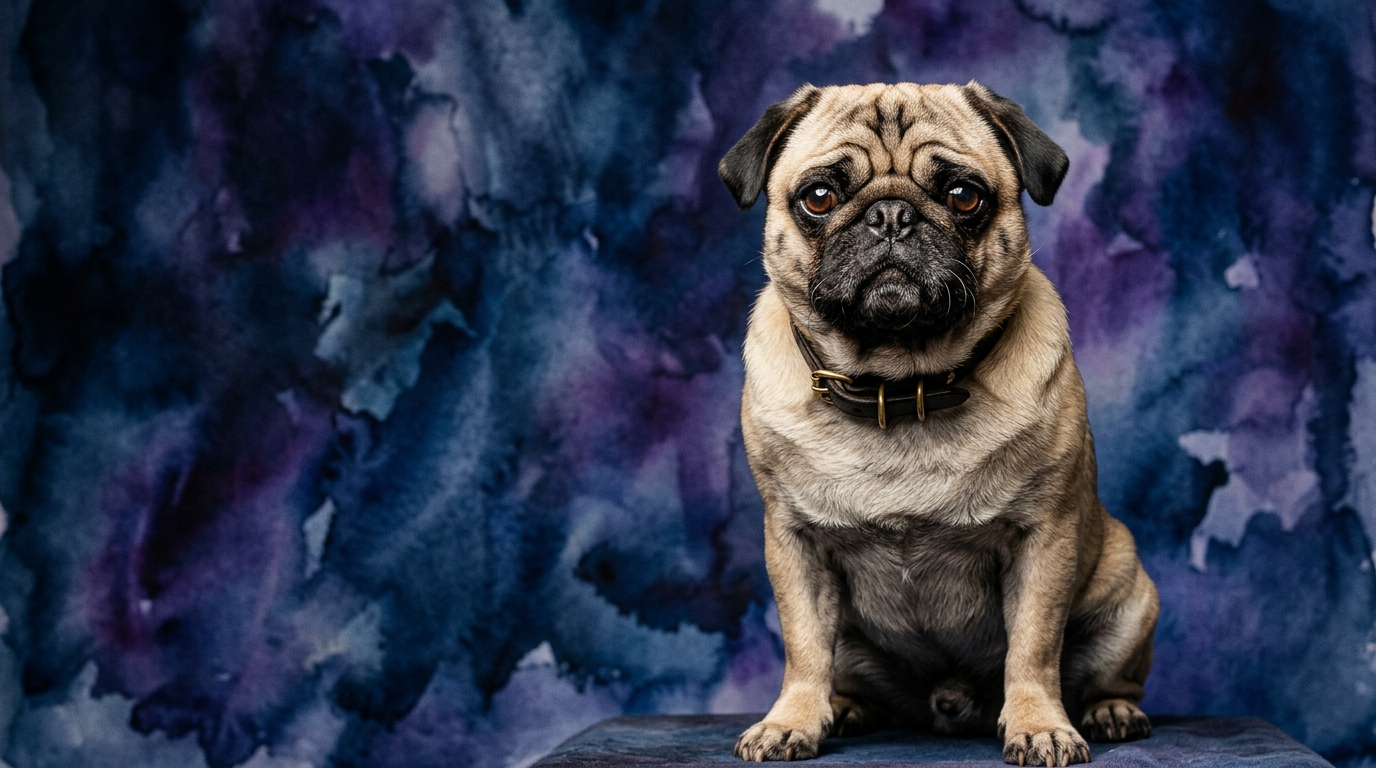
The Pug, classified in the Toy Group and ranked #57 by Stanley Coren, presents a cognitive makeup that emphasizes companionship and social connection. Their Problem Solving score of 2/5 suggests a slightly lower aptitude for independent problem-solving compared to the French Bulldog. Pugs may need more guidance or rely on trial-and-error to overcome novel challenges, often looking to their human companions for solutions rather than devising them independently.
With a Training Speed score of 2/5, Pugs generally require more patience, consistency, and positive reinforcement during training sessions. They may take a greater number of repetitions to reliably internalize new commands. However, their Social Intelligence mirrors the French Bulldog’s perfect 5/5, indicating an equally profound ability to understand human emotions, intentions, and social dynamics. Pugs are profoundly bonded to their families, thriving on interaction. Their Instinctive Drive is also a low 2/5, aligning with their role as dedicated lap companions rather than working dogs. Their Memory, like the French Bulldog, scores 3/5, allowing them to recall routines and learned behaviors consistently over time.
Where the French Bulldog Wins Cognitively
The French Bulldog demonstrates clear cognitive advantages in two key areas: Problem Solving and Training Speed. Scoring 3/5 in Problem Solving, one point higher than the Pug, means a French Bulldog is generally more adept at independently navigating new situations or figuring out how to achieve a desired outcome. For example, a French Bulldog might more quickly deduce how to open a simple cabinet door to reach a treat, or strategize a path around a household obstacle. This moderate problem-solving capacity makes them slightly more versatile in adapting to minor environmental changes without constant human intervention.
Furthermore, the French Bulldog's Training Speed of 3/5, again one point higher than the Pug, indicates they typically learn new commands and behaviors with fewer repetitions. This translates to quicker progress in basic obedience, house-training, and even learning simple tricks. Their slightly faster cognitive processing for task-oriented learning can make training sessions feel more immediately rewarding and efficient for owners. They are more likely to connect an action with a command and consistently perform it after moderate practice, showcasing a slightly more receptive learning curve.
Where the Pug Wins Cognitively
While the Pug may not numerically outperform the French Bulldog in specific cognitive dimensions, its perfect 5/5 in Social Intelligence represents a profound cognitive strength and a true 'win' within its own breed profile. This exceptional social attunement defines the Pug’s world, making it a master of companionship and emotional connection. Their cognitive strength lies in their virtually unparalleled capacity for understanding and responding to human emotional states and subtle social cues. Pugs are intensely empathetic, often seeming to anticipate their owner's mood or needs.
This highly focused social awareness allows the Pug to thrive through profound human interaction. They leverage their ability to read and respond to moods and intentions with remarkable precision, which, while shared with the French Bulldog, is arguably the most dominant and defining aspect of their intellect. For an owner prioritizing an animal whose cognitive gifts are almost entirely dedicated to forming an unwavering, intuitive bond, the Pug's social acumen provides an unmatched level of devotion and reciprocal understanding.
Which is Easier to Train and Why
Based on their respective IQ profiles, the French Bulldog generally proves to be marginally easier to train than the Pug. The French Bulldog's Problem Solving score of 3/5 means they are slightly better at grasping the 'why' behind a command or understanding the sequence of actions required. For instance, when teaching a 'fetch' command, a French Bulldog might more readily understand the concept of retrieving an object and bringing it back, whereas a Pug might require more explicit guidance and motivation to complete the full sequence.
The French Bulldog's Training Speed of 3/5 also contributes to a smoother training experience. They tend to pick up new cues with fewer repetitions, meaning owners might see consistent results in basic obedience such as 'sit,' 'stay,' or 'come' more quickly. Pugs, with a Training Speed of 2/5, require greater patience and more consistent reinforcement. While highly motivated by food and praise, they can sometimes be more stubborn or easily distracted. Their profound social intelligence means they are eager to please their human, but their cognitive processing for task-oriented learning is simply a bit slower, necessitating a more persistent and creative approach from their trainers.
Which Makes a Better Family Pet for Active Owners vs Relaxed Owners
When considering these breeds for families with varying activity levels, neither the French Bulldog nor the Pug is suited for highly active lifestyles due to their brachycephalic nature, which makes vigorous exercise risky. However, for moderately active owners, the French Bulldog might be a slightly better fit. Their slightly higher Problem Solving and Training Speed scores mean they might enjoy short, engaging activities that involve a bit of mental stimulation or learning new, simple games. They can be enthusiastic participants in moderate walks or brief play sessions in a secure yard, engaging with toys or their owners with a bit more investigative curiosity.
For truly relaxed owners, both breeds excel due to their high Social Intelligence and low Instinctive Drive, making them exceptional companion animals. However, the Pug might have a slight edge for those seeking the quintessential lap dog. Their profound social connection and less pronounced problem-solving inclination mean they are often content to spend long hours alongside their human companions, soaking up affection and providing quiet, devoted company. While French Bulldogs also adore lounging, their moderate curiosity might occasionally prompt a brief burst of play or exploration, whereas a Pug is often perfectly content simply to be present and connected.
The Verdict: When to Choose Each
Choosing between a French Bulldog and a Pug depends on the subtle nuances of desired companionship and an owner's willingness to engage with their specific cognitive profile. For those seeking a companion with a slightly quicker learning curve, a touch more independent problem-solving ability, and an enthusiasm for short, engaging activities beyond just cuddling, the French Bulldog is a compelling choice.
If your priority is a profound, unwavering bond, an animal whose entire cognitive being is dedicated to social connection and empathetic understanding, and you prefer a pet content with a predominantly relaxed, affection-driven lifestyle, the Pug will offer unparalleled devotion.
The Verdict
Choose the French Bulldog if you appreciate a companion with a slightly more active mind for problem-solving and a quicker grasp of training concepts, desiring a dog that engages with its environment with moderate curiosity. This breed thrives with owners who can provide consistent, engaging training and enjoy short bursts of playful interaction.
Choose the Pug if your primary desire is an animal whose cognitive strengths lie in profound social connection and emotional attunement, offering unparalleled devotion and contentment in a relaxed, companion-centric lifestyle. This breed is ideal for owners prioritizing empathy and a deep, intuitive bond above all else.
🧠 Find Your Pet's IQ Score
Our Pet IQ Lab assessment covers 25+ tests across 5 cognitive dimensions — personalized to your breed.
Take the Full IQ Test →Frequently Asked Questions
Are French Bulldogs or Pugs more independent?
Both breeds are deeply social and oriented towards their human companions, rather than being independent. However, the French Bulldog's slightly higher problem-solving score means they might display a touch more exploratory curiosity in their environment, while Pugs are often more consistently content to remain by their owner's side.
Can Pugs learn tricks?
Yes, Pugs absolutely can learn tricks, but it requires more patience and consistency due to their 2/5 Training Speed. Their high social intelligence means they are motivated by pleasing their owners, so positive reinforcement with treats and praise is highly effective, even if the learning process takes more repetitions.
Which breed is better for first-time dog owners?
Both French Bulldogs and Pugs can be suitable for first-time dog owners due to their high social intelligence and generally amenable temperaments. The French Bulldog might be marginally easier to train initially due to their slightly higher training speed, but both breeds require consistent, positive reinforcement and an understanding of their brachycephalic needs for optimal health and behavior.