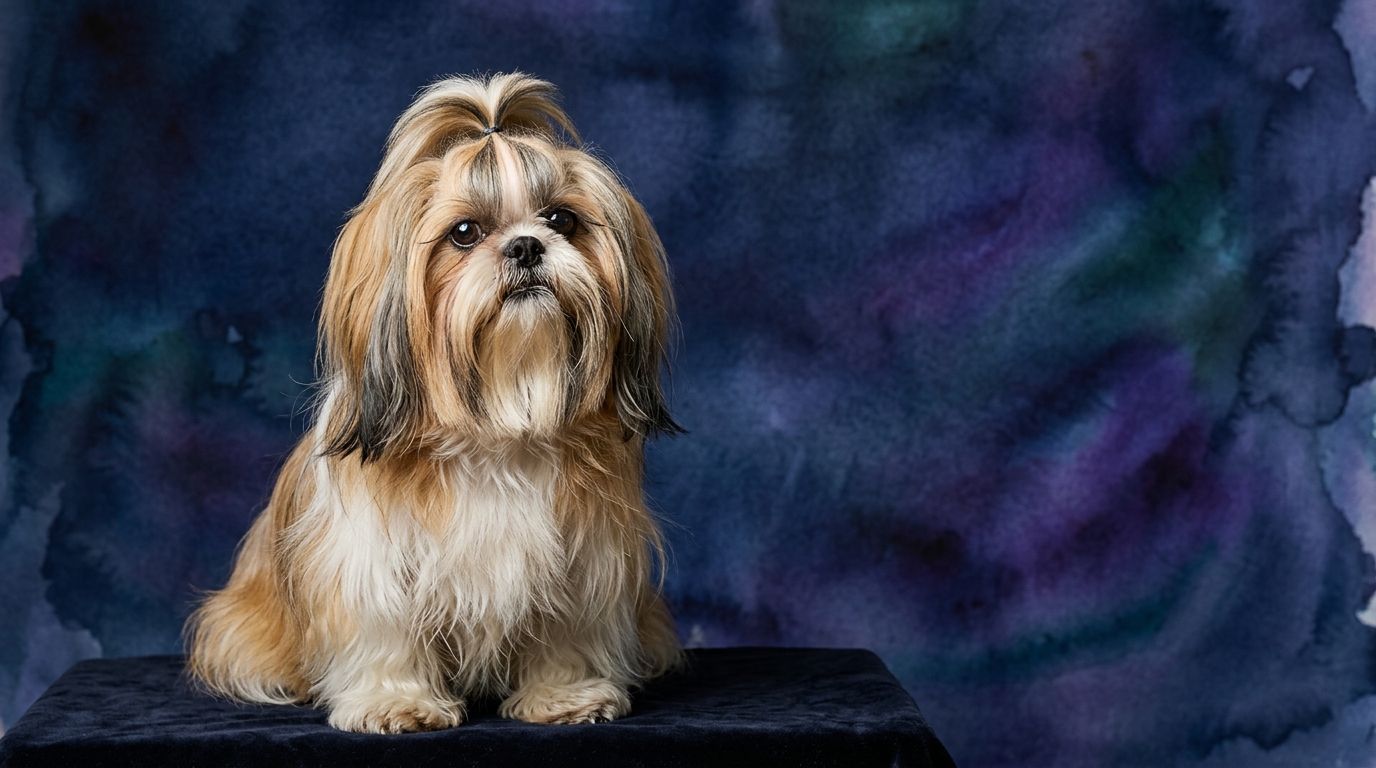
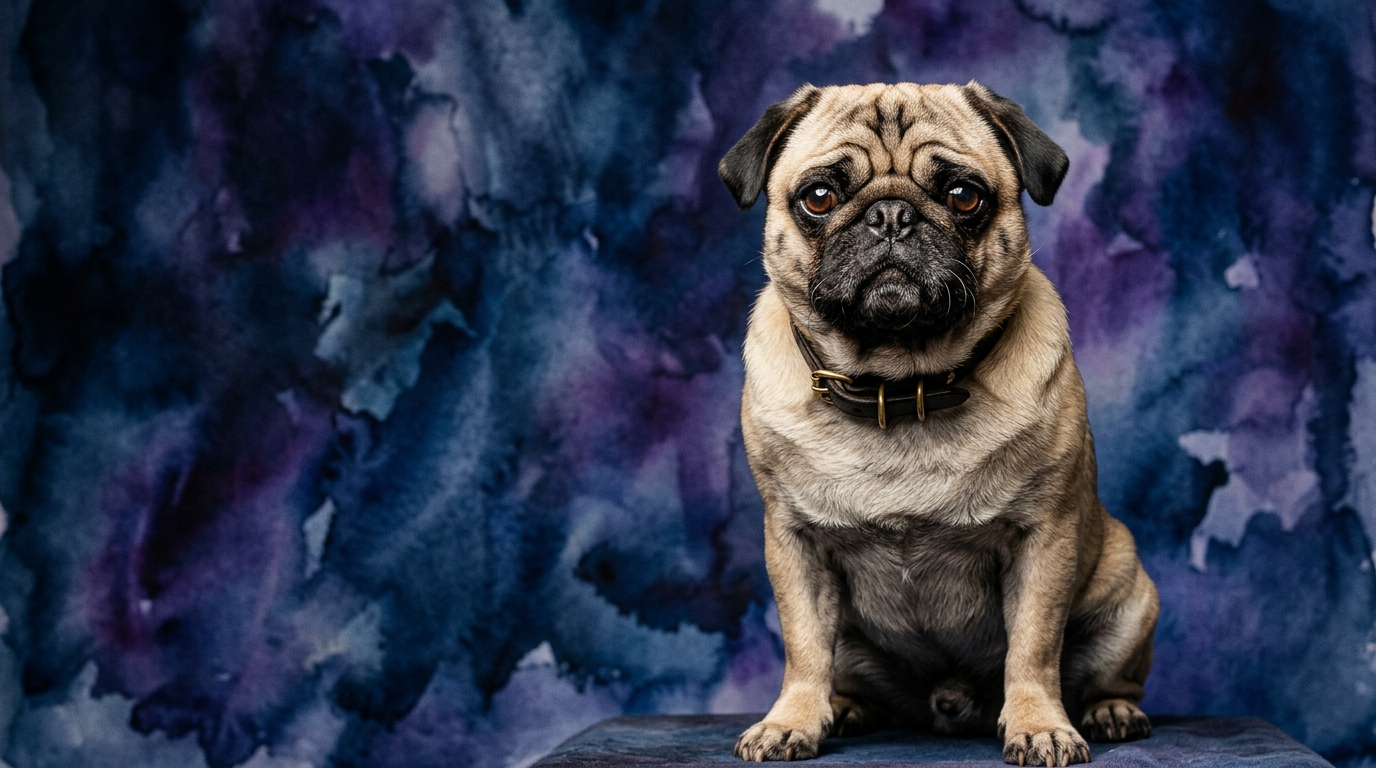
Side-by-Side Cognitive Profile: Shih Tzu vs Pug
The Cosmic Pet Pet IQ Lab meticulously evaluates breeds across five key cognitive dimensions. Here's how the Shih Tzu and Pug measure up:
Shih Tzu (Coren Rank #70): Problem Solving 3/5: Shows a moderate capacity for navigating minor obstacles or engaging with simple puzzle toys, demonstrating a degree of independent thought in challenges. Training Speed 2/5: Requires consistent, patient, and positive reinforcement; new commands are absorbed at a deliberate pace, needing repetition for mastery. Social Intelligence 5/5: Exhibits exceptional awareness of human emotions and social cues, forming deep bonds and often mirroring the emotional states of their family. Instinctive Drive 2/5: Possesses a low inherent drive for typical dog work like chasing or guarding, preferring companionship and comfort over task-oriented activities. Memory 3/5: Capable of retaining learned commands and routines, though complex sequences benefit from regular reinforcement to remain consistent.
Pug (Coren Rank #57): Problem Solving 2/5: Tends to approach challenges with less independent strategizing, often relying on human companions to resolve dilemmas rather than persistent self-attempt. Training Speed 2/5: Benefits from patient, positive reinforcement and consistency, requiring repetition to solidify new behaviors, similar to the Shih Tzu. Social Intelligence 5/5: Displays an outstanding ability to connect emotionally with humans, often seeking interaction and comfort, making them highly attuned to family dynamics. Instinctive Drive 2/5: Minimal inclination for prey drive, territorial defense, or work-oriented instincts, prioritizing social connection above all else. Memory 3/5: Shows a moderate ability to recall learned cues and past experiences, capable of remembering routines and commands with regular practice.
Where the Shih Tzu Wins Cognitively
The Shih Tzu's primary cognitive advantage is its slightly elevated Problem Solving (3/5 vs Pug's 2/5). This means a Shih Tzu is more likely to engage with and successfully navigate minor environmental challenges or figure out basic interactive toys independently. For instance, they might show greater persistence retrieving a hidden treat from a simple puzzle feeder or finding a way around a small barrier. This indicates a subtle, independent thought process and a touch more curiosity when faced with everyday mini-conundrums.
Distinguishing the Pug's Cognitive Strengths
Since the Pug doesn't outscore the Shih Tzu in any individual dimension, its cognitive strength lies in the synergy of its profile: exceptional Social Intelligence (5/5), moderate Memory (3/5), and low Instinctive Drive (2/5). The Pug's slightly lower Problem Solving (2/5) means it often leans more heavily on its social acumen, using charm and reliance on its human for guidance rather than independent strategizing. This makes them highly effective at communicating needs through interaction and physical presence, fostering a strong co-dependent bond. Their strengths are thus more about seamless integration into the human family, intuitively understanding social cues, and leveraging their affectionate nature to fulfill needs. The Pug’s higher Coren rank (#57 vs Shih Tzu #70) suggests a historical perception of greater overall adaptability to human companionship, potentially stemming from this focused social drive.
Which Is Easier to Train and Why
Both Shih Tzus and Pugs share an identical Training Speed score of 2/5, indicating neither breed learns new commands rapidly. Owners should anticipate needing consistent, patient, and positive reinforcement. Repetition in short, engaging sessions is crucial to maintain their attention.
However, subtle behavioral nuances exist. The Shih Tzu's slightly higher Problem Solving (3/5) might manifest as a greater willingness to experiment and try different actions when prompted, potentially appearing more engaged in "figuring out" the expected behavior. Conversely, the Pug’s lower Problem Solving (2/5) might make them more reliant on direct guidance and less prone to independent strategizing during training. Their strong Social Intelligence (5/5) means human praise and affection are powerful motivators. Both breeds' low Instinctive Drive (2/5) means they aren't easily distracted by urges to chase or guard, fostering a focused training environment if their desire for attention is managed. Ultimately, neither is significantly "easier" to train; success depends on owner consistency and effective social motivation.
Better Family Pet for Active vs. Relaxed Owners
When considering a family pet for varying lifestyles, the cognitive profiles of the Shih Tzu and Pug offer specific insights.
For active owners seeking a companion for more dynamic pursuits, neither breed is suited for strenuous activities due to their low Instinctive Drive (2/5) and Toy Group physiology. However, if "active" means consistent engagement in short, mentally stimulating activities, the Shih Tzu’s slightly higher Problem Solving (3/5) might make them marginally more receptive to games involving simple searches or basic obedience drills requiring a touch more initiative. They might enjoy exploring new, safe environments on a leash with gentle curiosity.
For relaxed owners who prioritize companionship and low-key interaction, both breeds excel due to their exceptional Social Intelligence (5/5). They are highly attuned to human emotions and thrive on close family bonds. The Pug, with its slightly lower Problem Solving (2/5), might lean into this role even more, content to be a charming, affectionate presence rather than actively seeking independent activities. They often prefer physical closeness, engaging in quiet cuddles or simply observing family life. The Shih Tzu also fits this relaxed profile perfectly, enjoying lap time and gentle attention. Both share similar Memory (3/5) and Training Speed (2/5), adapting well to established routines and appreciating a calm, predictable home environment, making either an excellent choice for owners valuing emotional connection over demanding mental exercises or physical endurance.
The Verdict
Choose a Shih Tzu if you appreciate a companion with a subtle spark of independent thought and a moderate capacity to engage with simple environmental puzzles, alongside their deep social connection.
Choose a Pug if your ideal companion thrives on purely social interaction, demonstrating an unparalleled ability to charm and connect emotionally, preferring companionship over independent problem-solving.
🧠 Find Your Pet's IQ Score
Our Pet IQ Lab assessment covers 25+ tests across 5 cognitive dimensions — personalized to your breed.
Take the Full IQ Test →Frequently Asked Questions
Are Shih Tzus or Pugs prone to destructive behavior if not mentally stimulated?
Both breeds have a low instinctive drive, meaning they are less prone to destructive behaviors rooted in boredom from lack of "work." Their strong social intelligence means they primarily seek human interaction; neglect of this can lead to attention-seeking behaviors, but rarely true destructive tendencies in the absence of significant anxiety.
Do their low training speed scores mean they cannot be house trained effectively?
Not at all. A low training speed score indicates that consistency and patience are crucial, but both Shih Tzus and Pugs can be successfully house-trained. Their moderate memory allows them to retain routines; the key is diligent repetition and positive reinforcement during the training period.
How does their social intelligence impact their ability to live with other pets?
Both breeds' high social intelligence suggests they are generally amenable to living with other well-socialized pets. They are adaptable to social dynamics and often enjoy the companionship of other animals, particularly if introduced thoughtfully. Their low instinctive drive also minimizes territorial or predatory conflicts.