
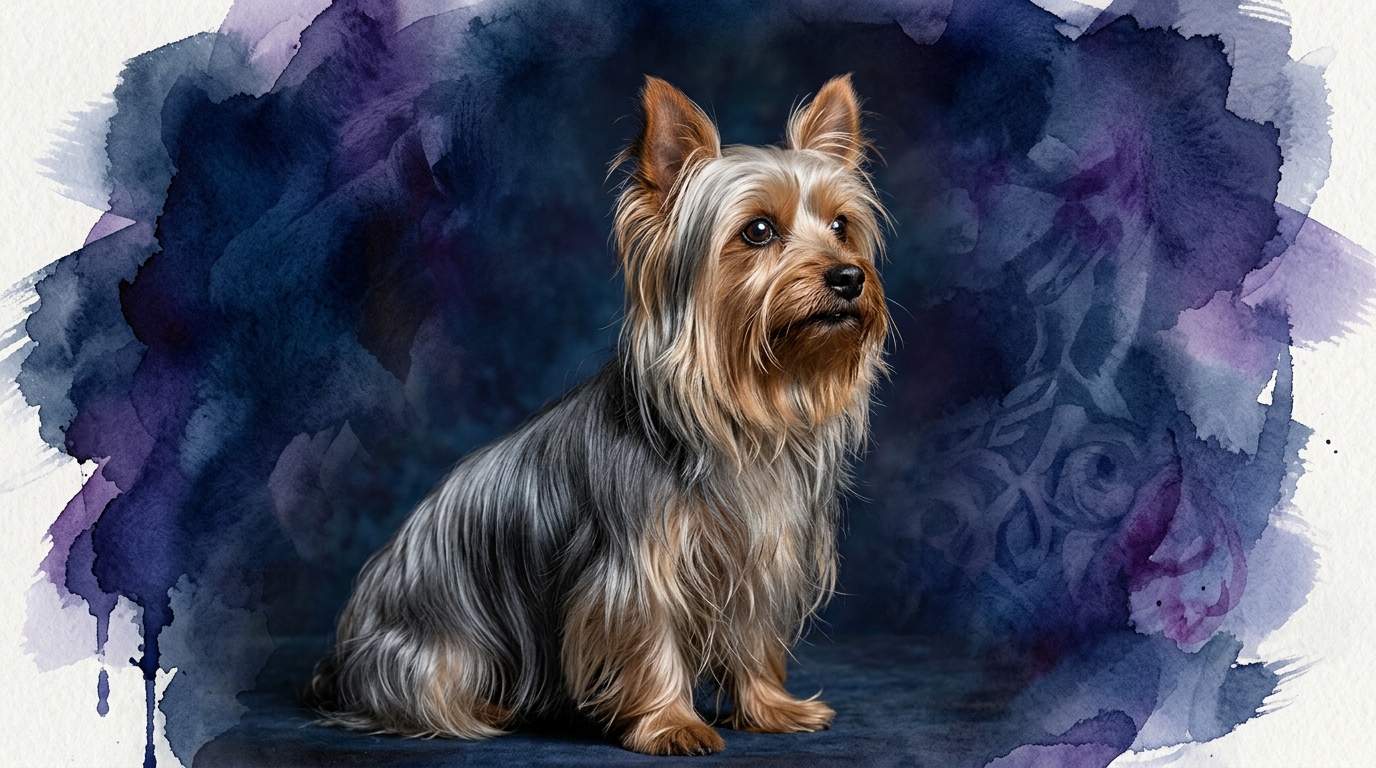
Side-by-Side IQ Profile: French Bulldog vs. Silky Terrier
The Cosmic Pet Pet IQ Lab offers a comprehensive look at canine intelligence across five key dimensions. For the French Bulldog, we see a balanced profile with a clear peak in social understanding. They exhibit a moderate Problem Solving (3/5) capacity, capable of navigating simple environmental challenges and learning basic cause-and-effect. Their Training Speed (3/5) is also moderate, requiring consistent, positive reinforcement for new command acquisition, often driven by their strong desire for human approval. Their standout trait is Social Intelligence (5/5), making them exceptionally attuned to human emotions and social cues, fostering deep, empathetic bonds. With a low Instinctive Drive (2/5), they are less prone to chasing or guarding behaviors, contributing to their generally calm and adaptable house pet demeanor. Their Memory (3/5) is moderate, allowing recall of routines and commands with regular reinforcement, aiding in their daily interactions.
The Silky Terrier presents a profile of moderate and balanced cognitive abilities, with a slightly more pronounced drive. They also show a moderate Problem Solving (3/5) aptitude, practically figuring out how to achieve goals or overcome immediate obstacles, often fueled by their inherent curiosity. Their Training Speed (3/5) is moderate, meaning they are capable of learning with consistent effort, though their inherent terrier tenacity can sometimes require more engaging and varied methods. Social Intelligence (3/5) is moderate; while they form strong family bonds, they might be less overtly attuned to subtle human emotional nuances than a French Bulldog, sometimes showing more independence. A moderate Instinctive Drive (3/5) means they retain some ancestral working traits, displaying curiosity, exploration, and a propensity for chasing small objects. Their Memory (3/5) is moderate, aiding recall of routines and training cues, benefiting from consistent reinforcement for long-term retention.
Where the French Bulldog Wins Cognitively
The French Bulldog's distinct advantage lies in its exceptional Social Intelligence, scoring an impressive 5 out of 5 compared to the Silky Terrier's 3 out of 5. This significant difference means French Bulldogs are profoundly attuned to human emotions, body language, and subtle social cues. They are highly intuitive companions, often seeming to anticipate their owner's moods or desires without explicit instruction, thriving on close interaction. This cognitive strength makes them masters of companionship, forming deep, empathetic bonds and often adapting their behavior to maintain harmony within the family unit. Their remarkable ability to 'read' their human counterparts fosters a unique, reciprocal relationship, making them incredibly responsive and emotionally connected pets who prioritize social cohesion.
Where the Silky Terrier Wins Cognitively
The Silky Terrier holds a cognitive edge in Instinctive Drive, scoring 3 out of 5 compared to the French Bulldog's 2 out of 5. While neither breed possesses an overwhelmingly high drive, this difference highlights the Silky Terrier's stronger connection to its ancestral working heritage. Their moderate instinctive drive manifests as a more pronounced inclination towards exploration, curiosity, and a keen interest in investigating their surroundings. Silky Terriers often display a natural desire to chase small moving objects or independently explore new smells and sounds, a remnant of their terrier roots. This cognitive trait contributes to their spirited and inquisitive nature, making them engaging companions for owners who appreciate a dog with a bit more independent initiative and a zest for discovery in their daily lives.
Which is Easier to Train and Why
While both breeds share a Training Speed score of 3 out of 5, the *dynamics* of their training differ significantly due to their other cognitive strengths. The French Bulldog's superior Social Intelligence (5/5) makes them highly motivated by human approval and connection, often viewing training as a cooperative activity. They respond exceptionally well to praise, affection, and gentle encouragement, with their lower Instinctive Drive (2/5) minimizing environmental distractions, allowing them to focus more readily on the task at hand. Conversely, the Silky Terrier, with moderate Social Intelligence (3/5) and a slightly higher Instinctive Drive (3/5), may approach training with more independence. Their terrier spirit can sometimes lead to opinionated behavior or easy distraction by interesting scents or movements. Training a Silky Terrier often requires more engaging, varied, and reward-based methods to keep their attention and harness their natural curiosity, preventing boredom from leading to stubbornness. The French Bulldog's inherent desire for social harmony might make them more consistently compliant, whereas the Silky Terrier often requires a more creative and persistent trainer to maintain engagement.
Which Suits Active Owners vs. Relaxed Owners
Considering their cognitive profiles, the French Bulldog is generally better suited for **relaxed owners** who prioritize companionship and a calm home environment. Their low Instinctive Drive (2/5) means they have less inherent need for intense physical activity or complex mental stimulation related to 'work.' Coupled with their exceptional Social Intelligence (5/5), they thrive on simply being present with their human family, enjoying quiet cuddle sessions, short walks, and social interaction. They are content to observe and participate in family life without demanding constant engagement or extensive outdoor adventures, as their cognitive strengths lean towards emotional connection and social bonding rather than physical prowess.
The Silky Terrier, with its moderate Instinctive Drive (3/5) and comparable Problem Solving (3/5), tends to be a better fit for **moderately active owners** who enjoy engaging in varied activities. While not needing marathon runs, Silky Terriers appreciate opportunities to explore, investigate, and participate in interactive play sessions that tap into their natural curiosity and zest for life. Their slightly more independent nature means they can be entertained by puzzles or short bursts of training, and they enjoy the mental stimulation of new environments. Owners who enjoy regular walks, interactive games, or even dabbling in dog sports like agility (at a beginner level) would find the Silky Terrier a willing and spirited participant, requiring more structured mental and physical engagement than a typical French Bulldog to keep their minds and bodies content.
The Verdict
Opt for a French Bulldog if your primary desire is an exceptionally empathetic, emotionally intuitive companion who thrives on close social interaction and a relaxed home life, valuing deep bonds over independent activity.
Select a Silky Terrier if you appreciate a spirited, curious companion with a moderate zest for exploration and interactive play, and you are prepared to provide varied engagement to satisfy their inquisitive nature.
🧠 Find Your Pet's IQ Score
Our Pet IQ Lab assessment covers 25+ tests across 5 cognitive dimensions — personalized to your breed.
Take the Full IQ Test →Frequently Asked Questions
Are French Bulldogs good with children?
French Bulldogs, with their high social intelligence and gentle nature, are often very good with children, forming strong bonds and adapting well to family dynamics, though supervision is always advised to ensure safe interactions.
Do Silky Terriers bark a lot?
Silky Terriers, possessing a moderate instinctive drive and alert nature, can be prone to barking at unfamiliar sights or sounds as a form of communication or territorial alert, but this can often be managed with consistent training and early socialization.
Which breed is more prone to separation anxiety?
Given their exceptional social intelligence and deep emotional attachment to their human families, French Bulldogs might be more susceptible to separation anxiety if left alone for extended periods, as they truly thrive on constant human companionship and interaction.