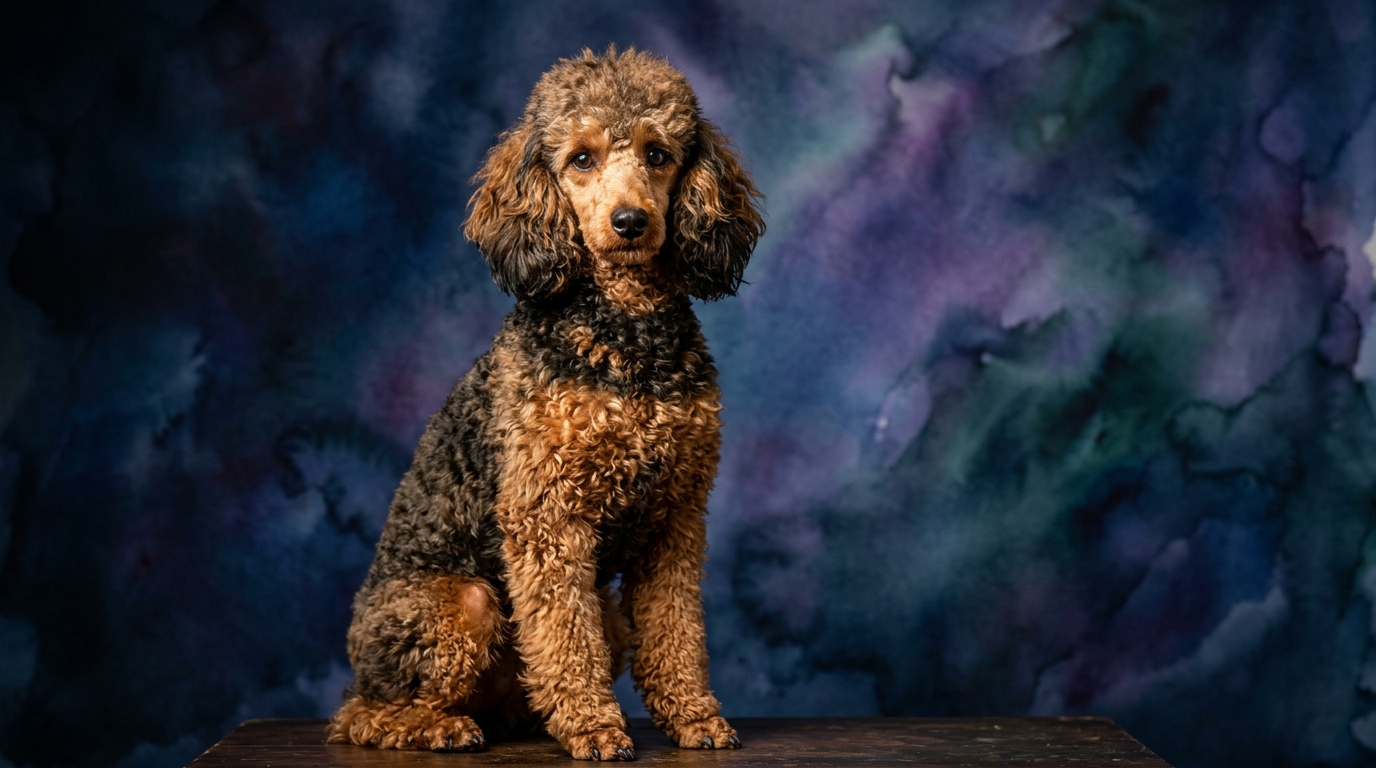
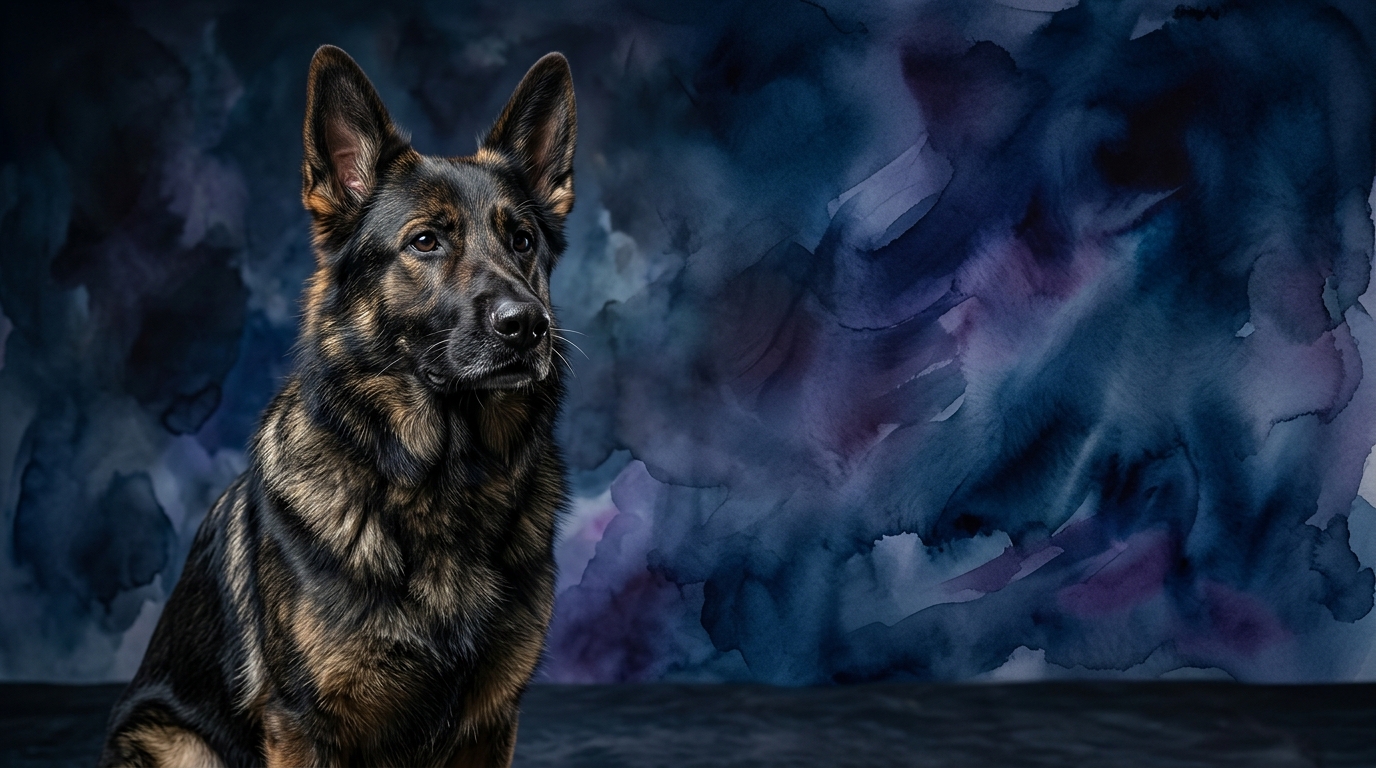
Side-by-Side IQ Profile: Poodle (Standard) vs. German Shepherd
The Standard Poodle, ranking #2 on Coren's scale, showcases a distinct cognitive blueprint. Their Problem Solving ability, rated 5/5, means they approach challenges with a blend of analytical thinking and creative adaptation, often exploring multiple solutions before settling on the most efficient path. Training Speed, also 5/5, reflects their exceptional capacity for rapid association and eagerness to engage in learning, making them quick studies for complex commands. Social Intelligence, a perfect 5/5, highlights their acute sensitivity to human emotional cues and intentions, often anticipating needs or moods, making them exceptionally attuned companions. Their Instinctive Drive, rated 4/5, is often channeled into retrieving, agility, or companion-oriented tasks rather than strong predatory or guarding behaviors. Finally, Memory, a solid 5/5, enables them to recall complex sequences, routines, and a wide array of learned behaviors with impressive longevity.
The German Shepherd, a formidable #3 on Coren's list, presents a cognitive profile geared towards purpose and precision. Their Problem Solving ability, also 5/5, demonstrates a methodical, often strategic approach to obstacles, preferring to assess and execute a plan with precision, especially in task-oriented scenarios. Training Speed, matching at 5/5, is fueled by an intense work ethic and a desire for structured activity, allowing them to grasp and solidify commands with remarkable efficiency. Social Intelligence, a perfect 5/5, involves keenly interpreting complex social dynamics within their 'pack' or environment, observing hierarchy and potential threats, making them highly responsive to handler direction and protective. Their Instinctive Drive, a powerful 5/5, encompasses strong herding, guarding, and protection instincts, alongside a pronounced prey drive, requiring consistent management and appropriate outlets. Memory, a robust 5/5, ensures they retain commands, scent trails, and threat assessments with enduring accuracy, crucial for their working roles.
Where the Standard Poodle Wins Cognitively
The Standard Poodle often demonstrates a unique cognitive edge in adaptability and emotional attunement. Their problem-solving prowess, while rated equally, tends to manifest as greater flexibility in novel situations; they are quicker to devise unconventional solutions when previous methods fail, displaying a more 'outside-the-box' approach. This cognitive agility allows them to thrive in diverse environments and adapt seamlessly to varied routines, often picking up subtle social cues from new people or places with remarkable ease. Their superior emotional sensitivity enables them to more readily pick up on nuanced human feelings, making them exceptionally empathetic and responsive companions who can anticipate a caregiver's needs or mood shifts without explicit instruction. This makes them particularly adept at roles requiring a delicate touch, such as therapy work, where understanding unspoken emotional states is paramount.
Where the German Shepherd Wins Cognitively
The German Shepherd's cognitive strengths shine particularly in sustained focus and strategic execution within practical, task-oriented scenarios. While both breeds excel at problem-solving, the German Shepherd's 5/5 is often characterized by a relentless, methodical pursuit of a goal, especially when it aligns with their strong instinctive drives. They exhibit an unparalleled capacity for maintaining concentration on a primary objective, such as tracking a scent or guarding a perimeter, for extended periods. This sustained attention, coupled with their keen environmental awareness, allows them to process complex sensory information and make strategic decisions in real-time. Their social intelligence, while equally high, is often applied to assessing potential threats and understanding hierarchical structures, making them exceptional at roles requiring vigilance and protective instincts. They excel at understanding and executing multi-step commands that contribute to a larger, purposeful task, demonstrating a profound understanding of cause and effect in their working environment.
Which Is Easier to Train and Why
Both the Standard Poodle and German Shepherd earn a perfect 5/5 for training speed, indicating rapid learning, but the 'ease' of training them can differ based on behavioral nuances. The Standard Poodle's innate desire to please, coupled with their capacity for rapid association, means they often pick up new commands with minimal repetition and generalize them readily across different environments and handlers. Their lower instinctive drive (4/5) means fewer strong predispositions to redirect during training, making them generally more compliant and less likely to challenge commands. They are often eager to engage in interactive training sessions, viewing them as a positive social interaction.
Conversely, while the German Shepherd also grasps commands quickly, their strong work ethic and higher instinctive drives (5/5) mean training is often most effective when framed with a clear purpose, appealing to their inherent desire for a 'job' and structure. They can be highly focused, but their strong guarding, herding, or prey drives might require more skilled redirection and consistent reinforcement to channel appropriately. A German Shepherd might challenge a command if they perceive it as illogical or contrary to their protective instincts, requiring a handler who can establish clear leadership and provide compelling motivation. Therefore, while equally capable of learning, the German Shepherd often demands a more experienced, purpose-driven approach to training to manage their profound innate drives effectively.
Suitability for Active vs. Relaxed Owners
Both breeds require significant mental and physical engagement, meaning neither is truly suited for a purely 'relaxed' owner who prefers minimal interaction. However, their specific needs diverge. The Standard Poodle, while requiring ample exercise and mental stimulation through puzzle toys, trick training, or agility, often adapts more readily to varying activity levels if their social and mental needs are met. They thrive on interactive play and learning new things, and can be content with long walks, dog park visits, and a structured home environment. They are generally more flexible about the *type* of activity, valuing companionship and engagement over a specific 'job'.
The German Shepherd, on the other hand, demands a more structured and intense outlet for their profound energy and powerful instinctive drives. They typically require extensive physical exercise coupled with consistent, purpose-driven mental engagement such as protection work, herding, advanced obedience, or scent tracking. A German Shepherd without a 'job' or sufficient outlets for their 5/5 instinctive drive can become bored, destructive, or develop behavioral issues. They are less adaptable to a purely companion role without specific, demanding activities to channel their energy and intellect, making them ideal for active owners who are committed to providing a structured, purposeful lifestyle and consistent challenges.
The Verdict
Choose the Standard Poodle if you seek an emotionally attuned, adaptable companion who excels at diverse learning, thrives on close social interaction, and can adapt to varied lifestyles with appropriate mental and physical engagement.
Opt for the German Shepherd if you are an active, experienced owner prepared to provide extensive, purpose-driven training and exercise, channeling their powerful drives and strategic intellect into a structured working partnership.
🧠 Find Your Pet's IQ Score
Our Pet IQ Lab assessment covers 25+ tests across 5 cognitive dimensions — personalized to your breed.
Take the Full IQ Test →Frequently Asked Questions
Do Standard Poodles and German Shepherds get along well with other pets?
Standard Poodles typically exhibit good social intelligence and can integrate well with other pets, especially with early socialization. German Shepherds can also coexist, but their strong herding and prey drives, alongside protective instincts, might require more careful introductions and consistent supervision, particularly with smaller animals.
Which breed is better for first-time dog owners?
While both breeds possess exceptional intelligence, the Standard Poodle is generally more forgiving for a first-time owner due to their lower instinctive drive and eagerness to please. German Shepherds, with their intense drives and need for purposeful training, often benefit from an experienced handler who understands their unique working dog mentality.
How much daily mental stimulation do these breeds require?
Both breeds require substantial daily mental stimulation. Standard Poodles thrive on interactive games, trick training, and puzzle toys for at least 30-60 minutes daily. German Shepherds need closer to 60-90 minutes of structured mental work, such as obedience drills, scent work, or advanced problem-solving tasks, often integrated with their physical exercise.