Side-by-Side Cognitive Profiles
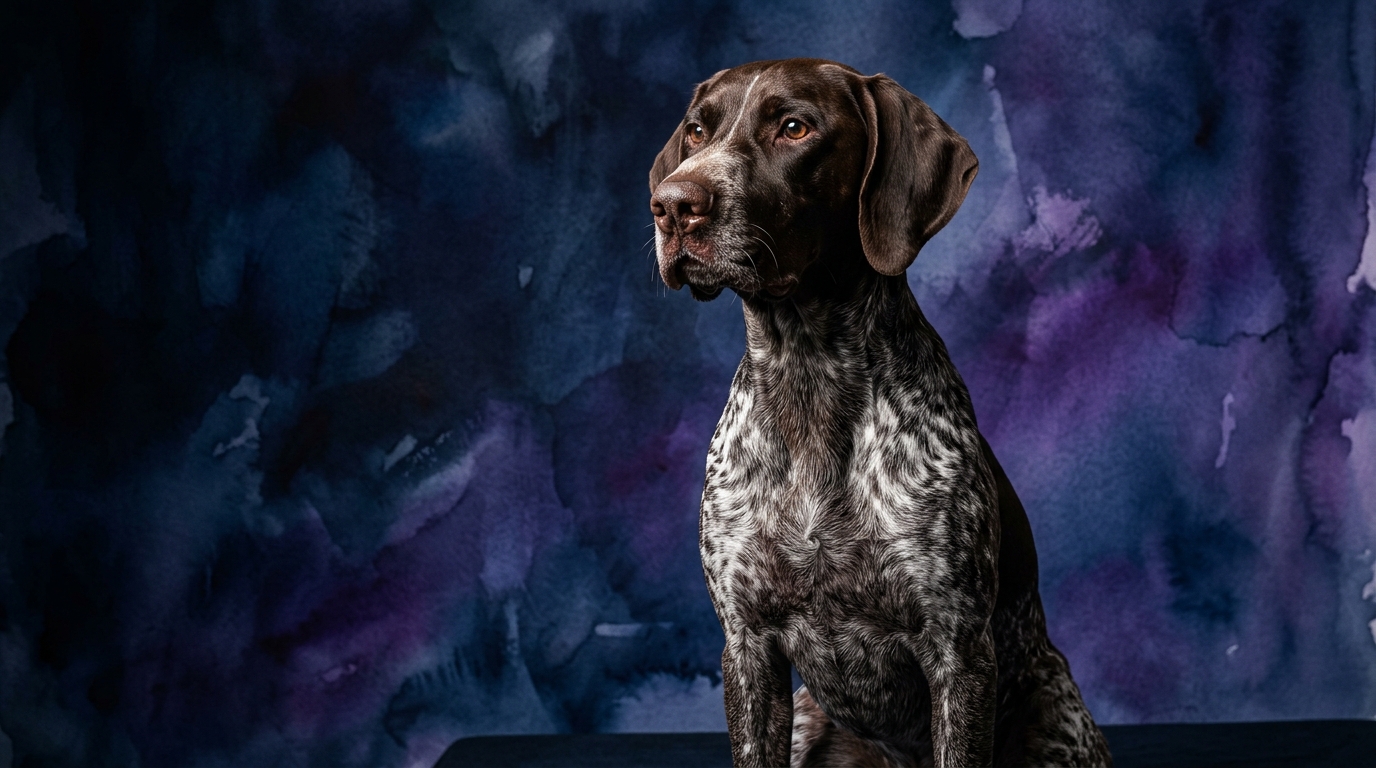
The Cosmic Pet Pet IQ Lab provides a unique framework for understanding canine intelligence, assessing five key dimensions. For the German Shorthaired Pointer, a breed celebrated for its collaborative hunting prowess, its profile paints a picture of a capable and engaged learner. Its Problem Solving is rated an excellent 5/5, indicating a strong capacity to analyze situations, adapt, and strategize to achieve goals, often in partnership with a human handler. Training Speed is a commendable 4/5, reflecting its readiness to absorb and execute new commands efficiently. Social Intelligence also scores 4/5, highlighting its ability to interpret human cues, form strong bonds, and thrive in interactive environments. Its Instinctive Drive is a perfect 5/5, a testament to its deeply ingrained desire to hunt, track, and retrieve. Finally, Memory is a solid 4/5, suggesting it retains learned behaviors and experiences with reliability. This holistic profile places the German Shorthaired Pointer at Coren rank #17, signifying its effectiveness in understanding and responding to human direction.
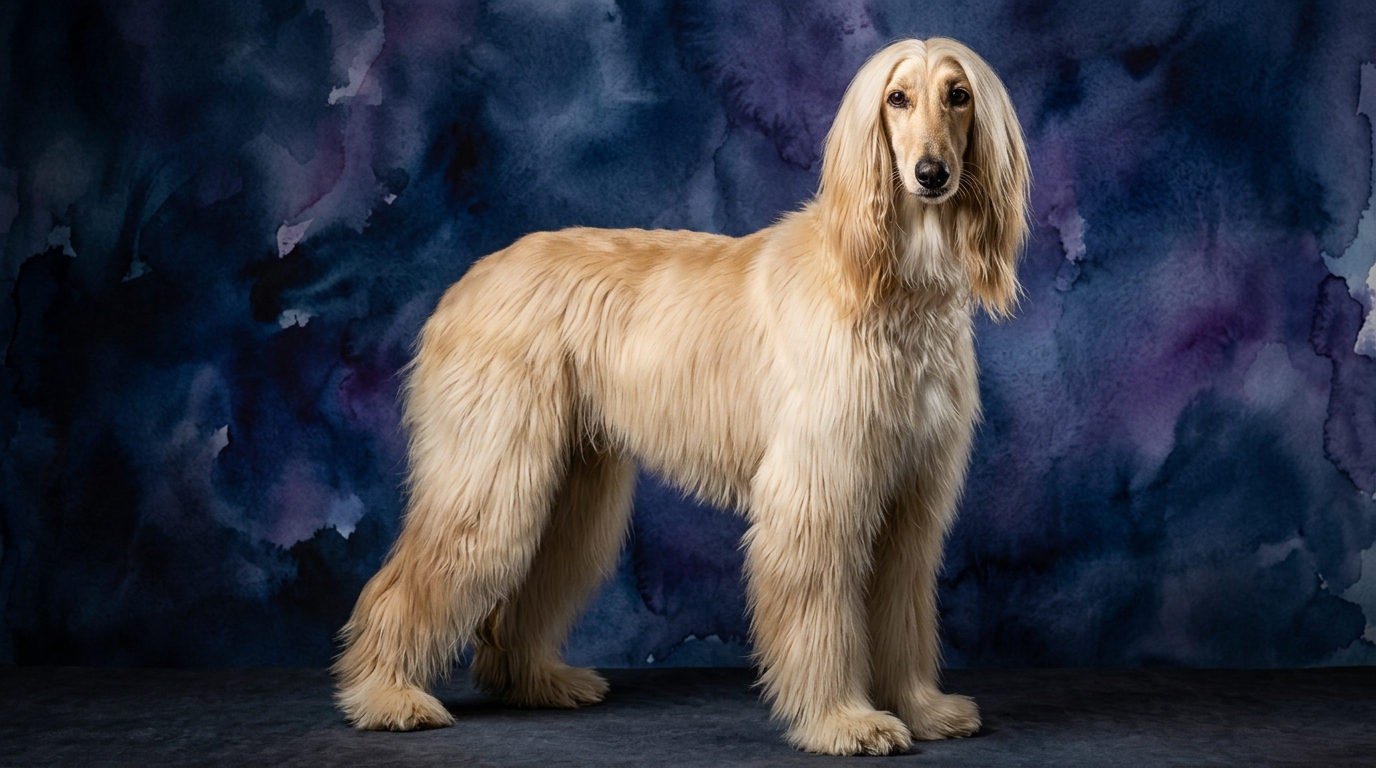
In stark contrast, the Afghan Hound, an ancient sighthound known for its regal bearing and independent spirit, presents a different cognitive landscape. While its Problem Solving is rated 4/5, indicating a respectable ability to navigate complex situations, this often manifests in independent decision-making rather than collaborative efforts. Its Training Speed is a notably lower 1/5, suggesting a significant challenge in teaching and reinforcing new behaviors on command. Social Intelligence stands at 2/5, indicating a more reserved and less overtly people-oriented disposition compared to many breeds. However, its Instinctive Drive matches the GSP at a perfect 5/5, reflecting an intense, hardwired impulse to spot and pursue prey over vast distances. Memory is a 3/5, suggesting it retains information adequately but perhaps not with the same precision or enthusiasm for recall as its sporting counterpart. These factors contribute to its Coren rank of #79, a reflection of its unique cognitive style that prioritizes independence over eager cooperation.
Where the German Shorthaired Pointer Wins Cognitively
The German Shorthaired Pointer (GSP) shines brightest in areas demanding partnership and cognitive flexibility within a human-centric framework. Its 5/5 Problem Solving, combined with its 4/5 Social Intelligence, allows it to excel in tasks requiring complex decision-making in collaboration with a handler. This might involve intricate scent work, navigating varied terrain to flush game, or even understanding multi-step commands in agility or obedience competitions. The GSP's cognitive strength lies in its ability to quickly process instructions, anticipate human intentions, and adapt its approach based on feedback. Its 4/5 Training Speed means it forms associations between commands and actions rapidly, making it a highly responsive and adaptable companion. Furthermore, its 4/5 Memory ensures that these learned skills and responses are retained consistently, building a reliable behavioral repertoire. This blend of attributes makes the GSP a prime candidate for roles where understanding and executing human-directed tasks are paramount, demonstrating a profound capacity for reciprocal cognitive engagement.
Where the Afghan Hound Wins Cognitively
The Afghan Hound's cognitive strengths lie in its profound independence and its specialized instinctive drive, which are crucial for its original purpose. While its Problem Solving is rated 4/5, its application differs significantly from the GSP. An Afghan Hound's problem-solving often manifests as autonomous decision-making in pursuit of prey, navigating challenging landscapes, or finding the most efficient path during a chase, without relying on human direction. This breed's 5/5 Instinctive Drive is not merely about desire but involves a sophisticated cognitive process of visual tracking, rapid assessment of speed and trajectory, and independent strategic planning during a hunt. Their memory (3/5) may be geared less towards recalling specific obedience commands and more towards remembering vast territories, prey patterns, or the most efficient routes to cover ground. The Afghan Hound's cognitive prowess lies in its self-sufficiency and its ability to operate effectively and independently in environments where human guidance is minimal, showcasing a distinct form of practical, instinct-driven intelligence. Its social intelligence, while lower at 2/5, also contributes to its independent nature, allowing it to remain focused on its inherent drives without constant need for human validation or interaction.
Which is Easier to Train and Why
Without question, the German Shorthaired Pointer is significantly easier to train than the Afghan Hound. This difference stems directly from their divergent IQ profiles. The GSP's 4/5 Training Speed means it processes and internalizes new commands and behaviors with relative swiftness. Coupled with its 4/5 Social Intelligence, the GSP actively seeks to understand and please its human companion, finding intrinsic reward in cooperative learning. This breed often exhibits a strong "work ethic," viewing training as an engaging and rewarding partnership. They are typically motivated by praise, play, and food, and their consistent memory (4/5) ensures that once a behavior is learned, it is not easily forgotten.
Conversely, the Afghan Hound's 1/5 Training Speed presents a formidable challenge. This isn't due to a lack of capacity to learn, but rather a profound independent streak and a low motivation for human-directed tasks. Their 2/5 Social Intelligence means they are less inclined to prioritize human approval or engage in repetitive training drills. An Afghan Hound often learns at its own pace and on its own terms, requiring immense patience, creative motivation, and an understanding of its sighthound nature. Training an Afghan Hound is less about command compliance and more about building a relationship based on mutual respect, using positive reinforcement, and making training feel like *their* idea. They may understand a command but choose not to execute it if they don't see the immediate value or if a more compelling instinct (like spotting something to chase) takes precedence. Real behavioral differences include the GSP's focus on the handler during field work versus the Afghan's tendency to survey the horizon for movement, making sustained attention difficult.
Which Suits Active Owners vs. Relaxed Owners
The choice between these two breeds heavily depends on an owner's lifestyle and their expectations for canine companionship and activity. The German Shorthaired Pointer is an ideal match for active owners who thrive on outdoor adventures and desire a canine partner deeply involved in their daily routines. Their 5/5 Instinctive Drive translates into a need for substantial physical and mental stimulation, including vigorous exercise like running, hiking, or swimming, combined with engaging activities such as scent work, obedience, or agility. GSPs flourish when given a "job" and benefit from owners who can consistently provide outlets for their boundless energy and collaborative intelligence. They are not content to be couch potatoes and require owners who are equally as active and committed to their engagement.
The Afghan Hound, despite its 5/5 Instinctive Drive, suits a different kind of active owner, or perhaps a more relaxed owner with specific provisions. While they need regular, intense bursts of exercise, such as free running in a securely fenced area to satisfy their chase drive, they are not typically "go-all-day" companions in the same way a GSP is. Their independent nature and lower social intelligence mean they are often content to relax indoors after their exercise needs are met, observing rather than constantly seeking interaction. They are better suited for owners who appreciate a dog's majestic independence, are patient with their unique training challenges, and can provide a safe, spacious environment for their sighthound sprints. A "relaxed" owner for an Afghan Hound isn't one who avoids all activity, but rather one who understands that the dog's activity is often self-directed and doesn't require constant human participation or intense collaborative engagement.
The Verdict
Choose the German Shorthaired Pointer if you seek an enthusiastic, highly trainable partner for active pursuits and enjoy a deeply collaborative relationship with your canine companion. This breed thrives on engagement, consistent direction, and a "job" to do, making it perfect for active families or individuals dedicated to dog sports and outdoor adventures.
Opt for the Afghan Hound if you appreciate an independent, dignified companion with a majestic presence and are prepared for a unique training journey that respects its sighthound autonomy. This breed suits owners who can provide ample secure space for sprints and value a dog's self-possessed nature over eager obedience.
🧠 Find Your Pet's IQ Score
Our Pet IQ Lab assessment covers 25+ tests across 5 cognitive dimensions — personalized to your breed.
Take the Full IQ Test →Frequently Asked Questions
Does the Afghan Hound's lower training speed mean it cannot learn anything?
No, a lower training speed doesn't mean an Afghan Hound can't learn; it means they learn differently and often at their own pace, with less motivation for repetitive tasks. They retain information (3/5 Memory) but may choose when and if to apply it, requiring creative, patient, and reward-based training methods focused on their individual drives.
Are German Shorthaired Pointers good family dogs given their high instinctive drive?
Yes, German Shorthaired Pointers can be excellent family dogs, especially for active families, because their high instinctive drive (5/5) is paired with strong social intelligence (4/5) and a desire for partnership. Proper exercise and mental stimulation are crucial to channel their energy positively, preventing boredom and ensuring they integrate well into family life.
How does the "Instinctive Drive" rating differ between the two breeds if both are 5/5?
While both breeds have a 5/5 Instinctive Drive, its manifestation differs: the GSP's drive is for collaborative hunting, pointing, and retrieving, working *with* a human. The Afghan Hound's drive is for independent pursuit and chase, often over long distances, relying on its own visual acuity and decision-making without human direction.