Side-by-Side IQ Profile: GSP vs. Australian Terrier
The Cosmic Pet Pet IQ Lab employs a five-dimensional framework to assess canine intelligence, offering a nuanced view beyond simple obedience. Let's delve into how the German Shorthaired Pointer (GSP) and the Australian Terrier measure up.
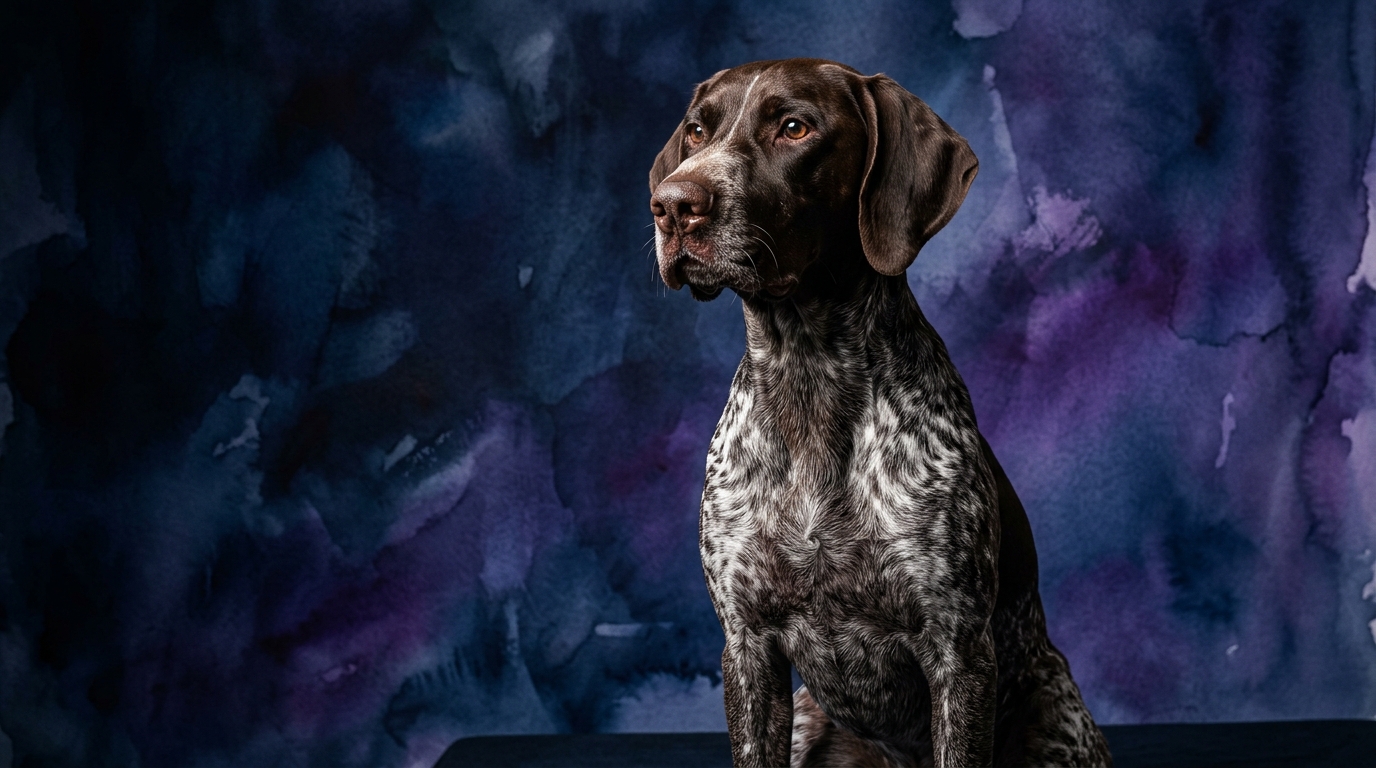
**German Shorthaired Pointer (GSP)**: A prominent Sporting breed, ranked #17 by Coren for working intelligence. Their cognitive profile reflects their heritage as versatile hunting companions. Problem Solving (5/5): Excels at complex, multi-step tasks, demonstrating strategic thinking to achieve goals like navigating intricate scent trails or retrieving from challenging environments. Their cognitive flexibility allows quick adaptation. Training Speed (4/5): Grasps new commands and concepts rapidly, thriving on consistent, engaging instruction. Eagerness to learn and work contributes to quick uptake. Social Intelligence (4/5): Highly attuned to human cues and emotions, forming strong bonds and often anticipating handler intentions, facilitating cooperative work. Instinctive Drive (5/5): Possesses an exceptionally strong prey drive and innate desire to hunt and retrieve, manifesting as tireless energy and focus in sporting activities, a powerful motivator. Memory (4/5): Retains learned behaviors and complex sequences over extended periods, remembering specific commands, routines, and past events with notable accuracy.
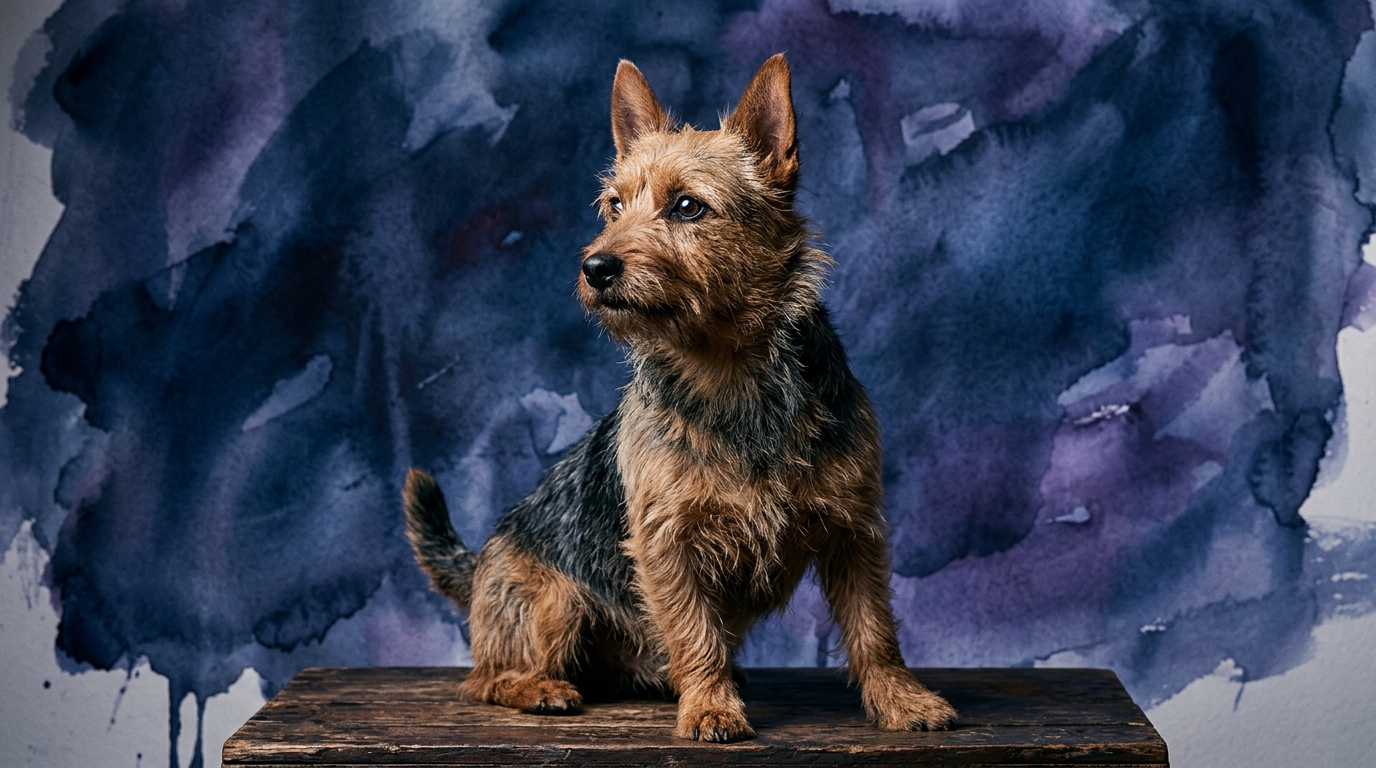
**Australian Terrier (AT)**: A spirited Terrier breed, not included in Coren's rankings, but possessing a distinct and valuable cognitive makeup. Problem Solving (3/5): Capable of solving practical problems related to prey drive, such as finding hidden items or navigating obstacles. Their approach is often direct and persistent rather than complex. Training Speed (3/5): Learns at a moderate pace, often requiring more repetition and consistent motivation. Their independent nature can sometimes make them appear less eager to please. Social Intelligence (3/5): Engages with humans but typically exhibits a more self-sufficient demeanor. They form attachments but often maintain a degree of independent thought. Instinctive Drive (3/5): Displays a focused terrier drive, primarily geared towards hunting small prey. While persistent, this drive is generally less broad in scope and intensity than a dedicated sporting dog. Memory (3/5): Possesses adequate memory for commands and routines in daily life, remembering learned behaviors, though perhaps not with the same depth for complex sequences.
Where the German Shorthaired Pointer Wins Cognitively
The GSP's cognitive advantages are evident in their superior problem-solving (5/5) and intense instinctive drive (5/5). Their capacity for strategic thinking means they can process intricate information, devise solutions for novel challenges, and adapt dynamically. This is crucial for their original hunting role, where they track, point, and retrieve across varied terrains. Their instinctive drive isn't just energy; it's a powerful cognitive engine fueling focus and persistence on demanding tasks. This blend of mental agility and unwavering purpose allows them to excel in complex obedience, advanced scent work, and competitive dog sports.
Where the Australian Terrier Wins Cognitively
While the Australian Terrier's cognitive profile might appear less 'complex,' their strengths lie in a different, equally valuable set of traits. Their 3/5 problem-solving, coupled with a focused 3/5 instinctive drive, makes them adept at specific, persistent tasks. They excel at independent decision-making for their primary instinct: locating and engaging small prey. This involves tenacious, single-minded pursuit and resourcefulness. Their moderate social intelligence (3/5) fosters robust self-reliance. This cognitive independence allows them to work effectively without constant supervision, a 'win' for owners appreciating a dog with a strong sense of self and the ability to focus without continuous handler input.
Which is Easier to Train and Why
The German Shorthaired Pointer is generally easier to train due to higher scores in training speed (4/5), problem-solving (5/5), and social intelligence (4/5). GSPs possess an inherent eagerness to cooperate and a strong desire to please, making them highly receptive. Their rapid assimilation of new concepts means fewer repetitions, and keen social intelligence helps them interpret human cues. This cooperative nature, combined with strong memory, enables them to build a vast command repertoire. In contrast, the Australian Terrier, with 3/5 in training speed and social intelligence, often exhibits a more independent, sometimes stubborn streak. While capable, they may require more patience, creativity, and consistency from trainers, as their motivation often stems from self-interest or instinctive drives rather than solely pleasing their human.
Suitability for Active vs. Relaxed Owners
The cognitive profiles clearly delineate suitability for different lifestyles. The German Shorthaired Pointer, with its 5/5 instinctive drive and problem-solving, is unequivocally suited for highly active owners providing substantial physical and mental engagement. Their tireless energy and cognitive capacity demand outlets like long runs, advanced obedience, agility, or scent work. Without adequate stimulation, a GSP's powerful cognitive engine can lead to boredom-induced behaviors. Conversely, the Australian Terrier, with its more moderate 3/5 instinctive drive and problem-solving, is better suited for owners who are active but less intensely so. They enjoy walks, play, and tricks, but their cognitive needs are generally met with consistent daily activity rather than hours of high-intensity, complex mental challenges, thriving in a less frenetic household.
The Verdict
Opt for the German Shorthaired Pointer if you’re an active, experienced owner seeking a highly cooperative, cognitively flexible partner for demanding sports, hunting, or extensive daily physical and mental stimulation.
Select the Australian Terrier if you appreciate a plucky, independent dog with moderate activity needs, suitable for consistent daily engagement and basic training, valuing a self-sufficient cognitive approach.
🧠 Find Your Pet's IQ Score
Our Pet IQ Lab assessment covers 25+ tests across 5 cognitive dimensions — personalized to your breed.
Take the Full IQ Test →Frequently Asked Questions
Do German Shorthaired Pointers need a lot of mental stimulation?
Absolutely. With 5/5 problem-solving and instinctive drive, GSPs require extensive mental challenges to prevent boredom. This includes complex training, puzzle toys, scent work, and dog sports utilizing their keen intellect and drive.
Are Australian Terriers good at learning tricks?
Australian Terriers can learn tricks, though their 3/5 training speed means they might require more repetition. Their independence means consistency and making training fun and rewarding are key to success.
Which breed is more likely to develop behavioral issues if not mentally stimulated?
The German Shorthaired Pointer, with higher cognitive scores and intense drive, is more prone to behavioral issues like destructive chewing or anxiety if its significant mental and physical stimulation needs aren't met. Australian Terrier needs are more moderate.