
Side-by-Side IQ Profile: German Shorthaired Pointer vs. Bloodhound
The German Shorthaired Pointer (GSP) demonstrates a balanced and robust cognitive profile, reflecting their heritage as versatile hunting dogs. With a perfect 5/5 in Problem Solving, they exhibit a strong capacity for navigating complex situations and adapting strategies to achieve goals. Their Training Speed of 4/5 indicates a quick grasp of new commands and routines, making them highly receptive to instruction. A Social Intelligence score of 4/5 highlights their adeptness at understanding human cues and interacting harmoniously within a family or working environment. Complementing these traits is an Instinctive Drive of 5/5, signifying an intense, inherent motivation for tasks like retrieving and tracking, and a Memory score of 4/5, which supports their retention of learned behaviors and experiences.
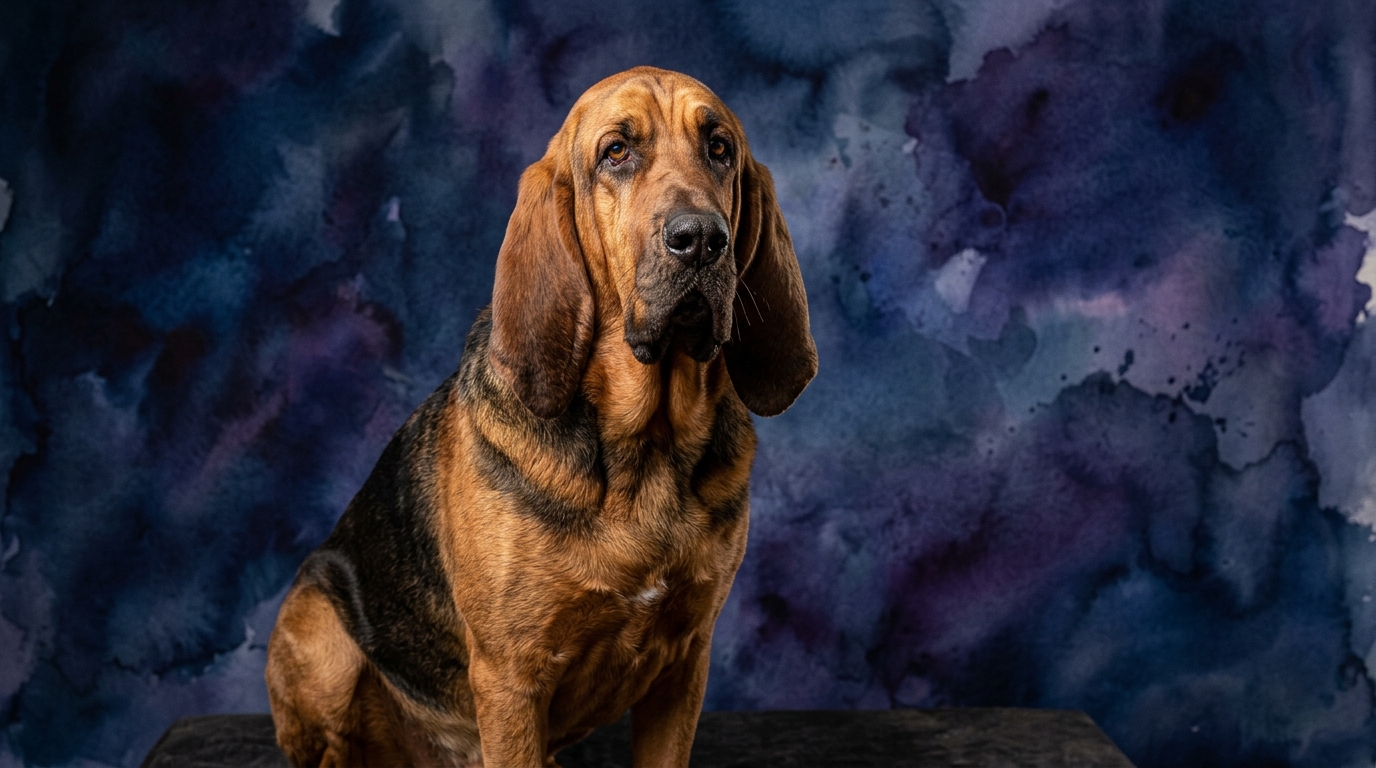
In contrast, the Bloodhound presents a cognitive architecture uniquely optimized for their legendary scent-tracking prowess. Like the GSP, they boast a 5/5 in Problem Solving, yet this is channeled almost exclusively into unraveling intricate scent puzzles. Their Training Speed, however, registers a notably low 1/5, reflecting a deep-seated independence and a propensity to prioritize their olfactory mission over human directives. Social Intelligence at 2/5 suggests a more reserved and less outwardly expressive interaction style compared to some breeds, often appearing aloof when focused on a scent. Their Instinctive Drive is a maximum 5/5, singularly focused on tracking, while their Memory shines with a perfect 5/5, allowing them to retain extraordinarily detailed scent information over extended periods and distances.
While both breeds share a top-tier Problem Solving ability and an intense Instinctive Drive, their application and cognitive support systems diverge significantly. The GSP's problem-solving is broadly applied to diverse tasks, from retrieving game to navigating agility courses, underpinned by quick training and social awareness. The Bloodhound, conversely, dedicates its powerful problem-solving to the singular, complex task of following a trail, with its superior memory acting as a vast data bank for scent information. This distinction underscores how “intelligence” manifests differently based on a breed's primary purpose, shaping their responsiveness and interaction with their environment and human companions.
Where the German Shorthaired Pointer Wins Cognitively
The German Shorthaired Pointer distinctly outshines the Bloodhound in areas related to cooperative learning and social integration. Their 4/5 Training Speed means they absorb new commands and multi-step tasks with relative ease, making them excellent candidates for advanced obedience, field work, or canine sports. This rapid learning curve translates into faster mastery of complex sequences and a more predictable response to cues. Furthermore, their 4/5 Social Intelligence allows them to read and respond to human emotions and intentions with greater nuance, fostering a more intuitive partnership. This social acumen enables them to adapt more readily to varied social settings and understand the subtle cues of their human handlers.
This combination of quick learning and social awareness grants the GSP remarkable versatility. They can transition between different roles—from a focused hunter to a well-mannered family companion—with greater fluidity. Their cognitive structure supports a broad range of learning, enabling them to excel in diverse activities that require both physical prowess and mental engagement. Unlike the Bloodhound, whose cognitive strengths are intensely specialized, the GSP's intelligence is more generalized, making them highly adaptable to various training methodologies and environmental changes, consistently eager to participate in new challenges presented by their human partners.
Where the Bloodhound Wins Cognitively
The Bloodhound's cognitive superiority lies in its unparalleled Memory and the specialized application of its Problem Solving to scent work. With a perfect 5/5 for Memory, they possess an extraordinary capacity to store and recall vast amounts of olfactory data, enabling them to follow trails that are days old or severely degraded. This isn't just about remembering a scent, but recalling the entire sequence and context of a trail, making them indispensable in search and rescue. Their 5/5 Problem Solving, while shared with the GSP, is singularly dedicated to piecing together these complex scent puzzles, demonstrating an analytical depth within their specific domain that few other breeds can match.
This intense, singular focus, driven by a 5/5 Instinctive Drive, makes the Bloodhound a relentless and indefatigable tracker. Once on a scent, their cognitive processes are almost entirely dedicated to that mission, filtering out distractions and maintaining concentration over vast distances and challenging terrains. This persistence, rooted in their powerful memory and problem-solving applied to scent, is a cognitive advantage that defines the breed. While it may manifest as stubbornness in other contexts, it is a testament to their specialized mental endurance and unwavering dedication to their primary purpose, allowing them to achieve feats of detection that are truly exceptional.
Which Is Easier to Train and Why
When it comes to ease of training, the German Shorthaired Pointer holds a distinct advantage. Their Training Speed of 4/5 and Social Intelligence of 4/5 mean they are typically eager to please and quick to understand what is being asked of them. GSPs thrive on interaction and positive reinforcement, quickly forming associations between commands and actions. Their inherent desire for a partnership makes them responsive to instruction, enabling them to learn complex routines and develop reliable recall efficiently. Owners often find GSPs to be highly motivated by praise and the opportunity to work alongside their human companions, making the training process a rewarding collaborative effort.
The Bloodhound, with its Training Speed of 1/5, presents a significantly different training experience. Their profound instinctive drive for scenting means that once a compelling odor is detected, their focus becomes almost exclusively dedicated to that trail, overriding other commands. This isn't a lack of ability to learn, but rather a deeply ingrained prioritization of their olfactory mission. Training a Bloodhound requires immense patience, consistency, and a profound understanding of their motivations. Handlers must employ high-value rewards and make training sessions incredibly engaging, often incorporating scent work to capitalize on their natural drive. They learn at their own deliberate pace, and success often hinges on making commands relevant to their scenting interests or managing distractions effectively.
Which Suits Active Owners vs. Relaxed Owners
The German Shorthaired Pointer is unequivocally suited for active owners. Their 5/5 Instinctive Drive paired with high energy levels demands consistent and substantial physical exercise, often several hours daily, including vigorous runs, retrieves, or field work. Beyond physical exertion, their problem-solving and training speed mean they also require significant mental stimulation to prevent boredom and destructive behaviors. GSPs thrive when given a “job” to do, whether it's hunting, agility, or competitive obedience. They are ideal companions for individuals or families who embrace an outdoors-oriented, engaged lifestyle and are prepared to integrate their dog into their active pursuits.
The Bloodhound, while not requiring the same high-impact athleticism as a GSP, still demands a very specific type of active engagement, making them less suitable for truly “relaxed” owners. Their primary need is ample opportunity to engage their supreme scenting abilities, which translates into long, focused walks where they are allowed to follow trails at their own pace. This isn't a casual stroll; it's a mentally intense activity for them. Owners must be prepared for their dog to be engrossed in scent, potentially ignoring calls, and requiring secure environments due to their tendency to follow a compelling trail. While they enjoy comfort at home, their profound drive for tracking means an owner must actively facilitate this instinct, often requiring patience and a willingness to follow where the nose leads.
The Verdict
Choose a German Shorthaired Pointer if you seek a versatile, highly trainable companion eager to participate in diverse activities and form a close, responsive partnership.
Opt for a Bloodhound if you are dedicated to nurturing their unparalleled scenting ability and appreciate a dog with a singular, intense focus, understanding that their training and exercise needs are specialized.
🧠 Find Your Pet's IQ Score
Our Pet IQ Lab assessment covers 25+ tests across 5 cognitive dimensions — personalized to your breed.
Take the Full IQ Test →Frequently Asked Questions
Are Bloodhounds truly difficult to train?
Yes, their low training speed and intense scent drive mean they often prioritize following a trail over human commands, requiring exceptional patience and specialized motivation. Success often comes from making training relevant to their scenting interests.
Does a German Shorthaired Pointer's high instinctive drive make them hard to manage?
While their drive is strong, their high training speed and social intelligence allow them to channel this energy effectively with proper guidance and consistent engagement. With appropriate outlets for their energy, they are generally manageable and eager to please.
How does memory differ between the two breeds?
The Bloodhound's superior memory is particularly evident in its ability to recall and follow complex, aged scent trails with incredible detail. The GSP's strong memory, while not as specialized for scent, supports its versatile learning and recall of various commands and tasks in diverse environments.