
Side-by-Side IQ Profile: GSP vs. Bullmastiff
The German Shorthaired Pointer (GSP), a Sporting breed ranked #17 by Coren, presents a cognitive profile optimized for active, cooperative work. Their problem-solving ability is rated 5/5, indicating an exceptional capacity to navigate complex scenarios and figure out solutions independently. Training speed for a GSP is 4/5, meaning they typically grasp new commands and routines with impressive swiftness, often requiring fewer repetitions. Social intelligence stands at 4/5, reflecting their adeptness at reading human cues and adapting their behavior accordingly, making them highly responsive companions. Their instinctive drive is a powerful 5/5, fueled by a profound and refined hunting instinct that drives their focus and persistence. Finally, their memory is rated 4/5, aiding in the retention of complex skill sets and past experiences.
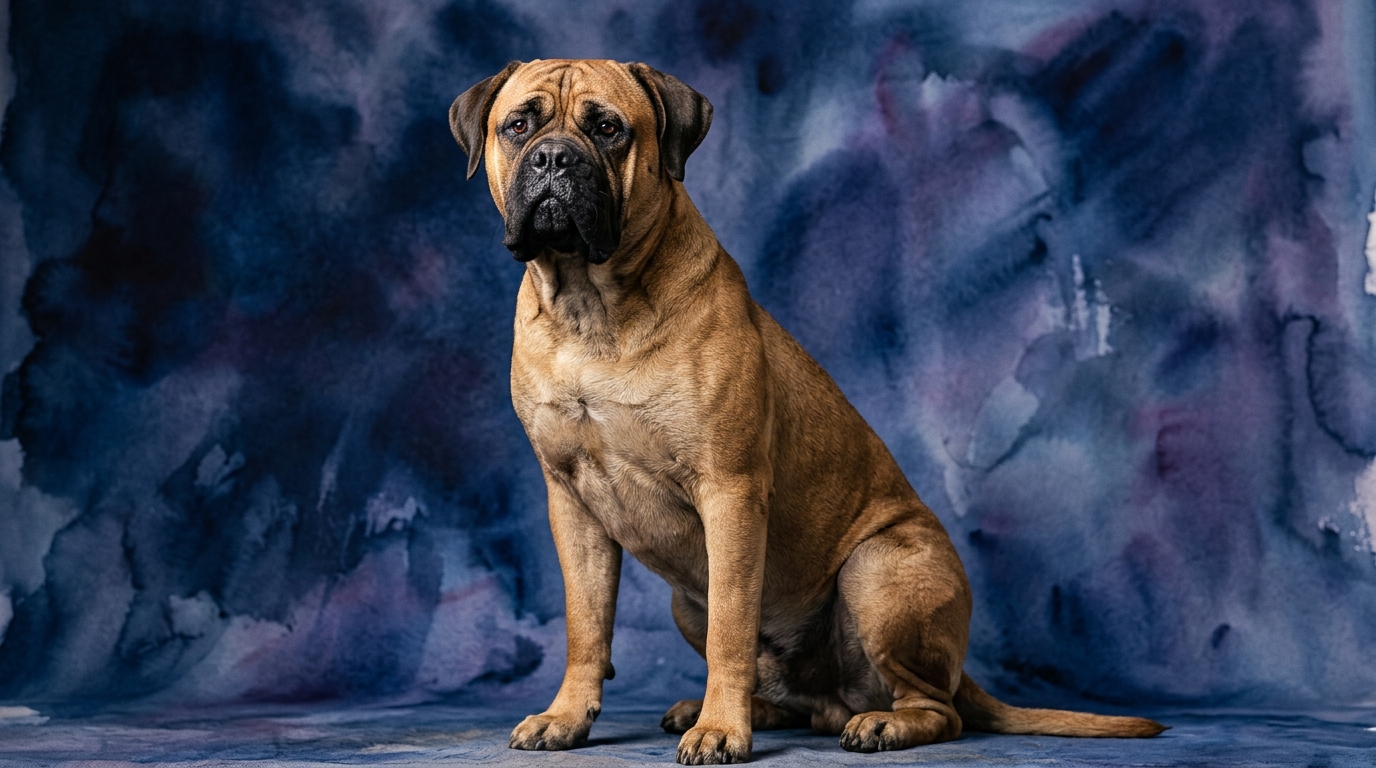
In contrast, the Bullmastiff, a Working breed ranked #69 by Coren, exhibits a cognitive makeup tailored for a protective and watchful role. Their problem-solving ability is 3/5, suggesting a more direct approach to challenges, often focused on practical outcomes related to their guardian duties rather than intricate strategizing. Training speed is 3/5, indicating they learn at a moderate pace, requiring consistent and patient instruction with clear expectations. Social intelligence is also 3/5, often centered on discerning friend from foe and understanding family dynamics within their protective scope. Their instinctive drive is 3/5, manifesting as a watchful, territorial nature rather than a high-energy pursuit. Their memory is rated 3/5, robust enough for established routines, family recognition, and identifying perceived threats, though not for extensive complex commands.
Where the German Shorthaired Pointer Wins Cognitively
The German Shorthaired Pointer's cognitive strengths are deeply rooted in their purpose as a versatile hunting companion, making them excel in dynamic, task-oriented environments. Their exceptional problem-solving ability (5/5) means they don't just follow instructions; they actively interpret and adapt to situations in the field. Imagine a GSP tracking a scent through varied terrain, needing to navigate obstacles, discern false trails, and ultimately pinpoint game—this requires real-time analytical thought, not just rote response. This innate ability allows them to excel in complex scent work, retrieving, and navigating challenging environments.
Their profound instinctive drive (5/5) is not merely a genetic predisposition; it's a cognitive engine that fuels their unwavering focus and persistence. When a GSP is engaged, their mind is entirely consumed by the task, making them incredibly effective at sustained, goal-oriented work, whether it’s a field trial or a vigorous game of fetch. This drive, combined with a swift training speed (4/5), enables them to internalize complex commands and multi-step sequences rapidly, making them formidable competitors in obedience, agility, and their traditional role as a hunting partner.
Where the Bullmastiff Wins Cognitively
While the Bullmastiff's cognitive profile might appear less dynamic in terms of raw speed or complex problem-solving, their intelligence is finely tuned for their guardian role, emphasizing discernment and strategic presence. Their problem-solving (3/5) is less about intricate puzzles and more about strategic assessment and maintaining security. A Bullmastiff excels at evaluating a situation at the property line, determining if a stranger poses a threat, and deciding on the appropriate level of response—from a low growl to physically blocking an intruder's path. This requires a specific form of practical decision-making, prioritizing safety and territory.
Their social intelligence (3/5), while not overtly demonstrative, is keenly focused on understanding their family's needs and intentions, and recognizing shifts in the environment that might signal danger. They remember who belongs and who doesn't, showcasing a memory (3/5) that is pragmatic and focused on their protective duties. Their instinctive drive (3/5) is a powerful, quiet force for vigilance and protection, not frantic activity, allowing them to remain calm and observant for extended periods—a crucial cognitive advantage for a sentinel that must remain alert without constant stimulation.
Which is Easier to Train and Why
When it comes to ease of training, the German Shorthaired Pointer generally presents a more straightforward path for the average owner. Their high training speed (4/5) means they pick up new cues and behaviors quickly, often eager to please and highly motivated by positive reinforcement and engaging mental tasks. A GSP's natural inclination to work collaboratively with a handler, coupled with their strong memory (4/5) and problem-solving (5/5) abilities, allows them to build a robust repertoire of commands efficiently. They thrive on consistent direction and often enjoy the training process itself, viewing it as a stimulating activity.
In contrast, the Bullmastiff, with a training speed of 3/5, requires a more patient, consistent, and reward-based approach. While intelligent, they are less inclined to perform simply for the sake of it and can exhibit a degree of independent thought or 'stubbornness' if they don't see the immediate value in a command. Their guardian instincts might sometimes override a desire to comply with a command if they perceive a conflict with their protective duties or comfort. Successful training with a Bullmastiff hinges on clear, fair leadership and understanding their motivation, which is often rooted in loyalty, routine, and a sense of purpose rather than a boundless eagerness to please.
Which Suits Active Owners vs. Relaxed Owners
The distinction between these breeds is stark when considering owner lifestyle. The German Shorthaired Pointer is unequivocally suited for active owners. Their profound instinctive drive (5/5) and high energy levels demand substantial daily exercise and mental engagement. An owner who enjoys running, hiking, biking, or participating in dog sports like agility, scent work, or field trials will find a GSP an ideal, tireless companion. Without sufficient outlets for their physical and cognitive energy, GSPs can become bored, leading to destructive behaviors or excessive vocalization, indicating an unmet need for stimulation.
Conversely, the Bullmastiff is a better fit for more relaxed owners, though 'relaxed' does not mean inactive. While they certainly need regular, moderate exercise to maintain health and prevent boredom—a daily walk or supervised yard play is usually sufficient—they are not built for endurance or high-octane activities. Their lower instinctive drive (3/5) and more sedate nature mean they are generally content with a comfortable routine and a watchful presence within the home. Owners who appreciate a calm, loyal, and formidable companion who is more content with lounging by their side after a brief stroll will find the Bullmastiff a rewarding match.
The Verdict
Choose a German Shorthaired Pointer if you are an active, experienced owner seeking a highly trainable, energetic partner for demanding physical activities and complex cognitive challenges.
Opt for a Bullmastiff if you desire a calm, loyal, and protective companion for a more relaxed lifestyle, understanding they require consistent, patient training and a firm, fair leader.
🧠 Find Your Pet's IQ Score
Our Pet IQ Lab assessment covers 25+ tests across 5 cognitive dimensions — personalized to your breed.
Take the Full IQ Test →Frequently Asked Questions
Are Bullmastiffs difficult to train because of their lower IQ scores?
Bullmastiffs are not difficult to train due to a lack of intelligence, but rather their specific cognitive profile means they learn at a moderate pace and require consistent, patient methods. Their independence and guardian instincts mean training must be engaging, clear, and reinforce their loyalty to be most effective.
Can a German Shorthaired Pointer adapt to apartment living?
While physically capable, a German Shorthaired Pointer's intense energy and high instinctive drive make apartment living challenging without significant commitment to daily, rigorous exercise and mental stimulation outside the home. They thrive with ample space to expend their energy and engage their cognitive abilities.
Do Bullmastiffs require a lot of exercise despite their calm demeanor?
Bullmastiffs require regular, moderate exercise to maintain their physical health and mental well-being, such as daily walks or supervised playtime. While not as demanding as high-energy breeds, consistent activity prevents obesity and boredom-related behaviors, ensuring a well-adjusted companion.