
Side-by-Side IQ Profile: GSP vs. Chow Chow
The German Shorthaired Pointer (GSP), with a Coren rank of #17, exhibits a robust cognitive profile tailored for dynamic tasks and close partnership. Their Problem Solving is rated 5/5, indicating an exceptional capacity to navigate complex situations and adapt strategies efficiently, often showing ingenuity in achieving specific objectives. Training Speed is 4/5, meaning they grasp new commands and routines with remarkable quickness, requiring fewer repetitions to solidify learning. Social Intelligence scores 4/5, reflecting a deep attunement to human cues and a strong desire to engage collaboratively. Their Instinctive Drive is a powerful 5/5, channeling their focus intently towards tasks, particularly those involving scent work or retrieving. A Memory score of 4/5 ensures they retain learned information and experiences effectively, contributing to consistent, reliable performance over time.
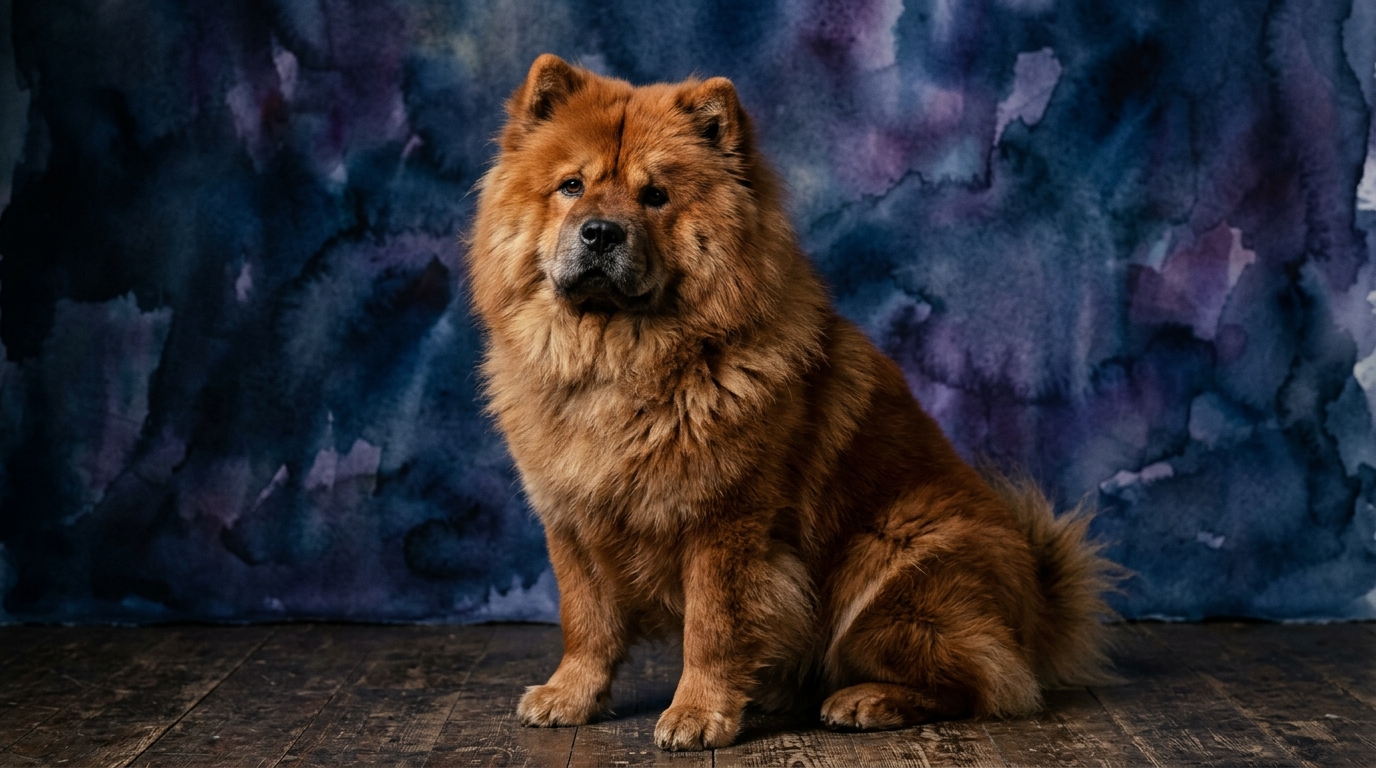
In contrast, the Chow Chow, ranked #76 by Coren, presents a cognitive makeup characterized by independence and self-sufficiency. Their Problem Solving is 3/5, suggesting they can resolve challenges but often prefer to rely on their own considered methods rather than immediately seeking human intervention, demonstrating a deliberate, rather than reactive, adaptive thinking style. Training Speed is 3/5, indicating that new commands are learned at a more measured pace, requiring consistent reinforcement and patience. Social Intelligence stands at 3/5, meaning their interactions tend to be more reserved and selective; they are observant but often maintain a respectful distance, processing social cues with a unique detachment. Instinctive Drive is 3/5, manifesting less as a focused pursuit of tasks and more as general self-preservation or protective tendencies. Their Memory also scores 3/5, allowing for recall of routines and familiar aspects of their environment, though perhaps not with the same detailed retention as a GSP.
Where the German Shorthaired Pointer Wins Cognitively
The GSP demonstrates clear cognitive superiority across all five dimensions compared to the Chow Chow. Their exceptional Problem Solving (5/5 vs 3/5) means they are significantly more adept at navigating novel situations and devising solutions, whether it's figuring out a complex puzzle toy or understanding a multi-step command sequence. This superior adaptive thinking allows them to learn from mistakes and apply prior knowledge to new contexts with greater fluidity.
The GSP's higher Training Speed (4/5 vs 3/5) allows them to absorb and execute new information with impressive efficiency, making them rapid learners in any discipline. Coupled with their stronger Social Intelligence (4/5 vs 3/5), GSPs are more attuned to human communication and emotional states, fostering a collaborative learning environment where they actively seek to understand and respond. Furthermore, their powerful Instinctive Drive (5/5 vs 3/5) provides a constant motivational engine, channeling their focus towards tasks and goals with an unwavering intensity. This drive, combined with a better Memory (4/5 vs 3/5), ensures GSPs not only learn faster but also retain and apply that learning consistently, making them exceptionally reliable performers in various roles.
Where the Chow Chow Wins Cognitively
While the Chow Chow's cognitive profile might appear less 'active' in comparison, their unique blend of scores actually presents distinct advantages in specific contexts. Their moderate Social Intelligence (3/5) and Instinctive Drive (3/5) translate into a more self-contained and less demanding cognitive presence. Unlike the GSP, which actively seeks out tasks and interaction, the Chow Chow's moderate drive means they are often content with less structured mental engagement, requiring fewer directed activities to feel fulfilled.
This lower reliance on external stimuli for cognitive satisfaction makes them inherently more self-sufficient. Their Problem Solving (3/5) and Training Speed (3/5) scores, while lower, reflect a cognitive independence that resists external pressure, leading to a dog that thinks for itself rather than constantly looking for human direction. This cognitive independence means they are less prone to separation anxiety or a constant need for engagement, offering a quiet, self-assured companionship. This unique mental dynamic can be a cognitive 'win' for owners seeking a less overtly interactive and more independent canine companion.
Training Ease: GSP's Eagerness vs. Chow Chow's Independence
The German Shorthaired Pointer is unequivocally easier to train than the Chow Chow, largely due to fundamental differences in their cognitive makeup and motivations. The GSP's high Training Speed (4/5) and Problem Solving (5/5) abilities mean they process commands and link actions to outcomes with impressive rapidity. They are often eager to please, a trait bolstered by their strong Social Intelligence (4/5), which makes them highly responsive to human feedback and praise. Their intense Instinctive Drive (5/5) provides a built-in desire to work and achieve, especially in tasks mimicking hunting or retrieving, making them highly motivated learners. Training a GSP often feels like a collaborative effort, with the dog actively participating in the learning process, offering behaviors and responding quickly to cues.
In contrast, the Chow Chow's moderate Training Speed (3/5) and Problem Solving (3/5) suggest a slower uptake and a more independent decision-making process. Their Social Intelligence (3/5) means they are less driven by the desire to please and more by their own perceived self-interest or comfort. This independence, combined with a moderate Instinctive Drive (3/5), means Chows require significant patience, consistency, and often creative motivational techniques. They learn, but they do so on their own terms, often evaluating a command before deciding whether to perform it. Training a Chow Chow is more about convincing them to comply rather than guiding an eager partner, leading to a slower, more deliberate response time in behavioral execution.
Matching Canine Cognition to Owner Lifestyles
The cognitive profiles of these two breeds distinctly delineate their suitability for different owner lifestyles. Active owners, those who thrive on outdoor adventures, dog sports, or consistent training regimens, will find the German Shorthaired Pointer an ideal match. The GSP's stellar Instinctive Drive (5/5) means they possess an almost boundless energy and an innate desire for purpose-driven activity. Their high Problem Solving (5/5) and Training Speed (4/5) make them excellent partners for complex tasks like agility, field trials, or even advanced obedience, where their cognitive engagement is constantly challenged. They require significant mental and physical stimulation to prevent boredom and channel their considerable cognitive horsepower productively, otherwise, a GSP might creatively solve problems like how to open the pantry.
Conversely, relaxed owners, those who prefer a calmer home environment and less demanding daily routines, would likely find the Chow Chow more aligned with their lifestyle. The Chow's moderate Instinctive Drive (3/5) means they are generally content with a more sedentary existence, requiring less structured exercise and mental engagement than a GSP. Their moderate Social Intelligence (3/5) means they are not constantly seeking interaction or attention, providing a quiet, dignified companionship. While they still benefit from walks and basic training, their cognitive needs are met with a lower intensity and frequency. A Chow Chow is less likely to invent demanding games or exhibit destructive behaviors out of boredom, making them a better fit for those seeking a more independent and less cognitively 'needy' canine presence.
The Verdict
Choose a German Shorthaired Pointer if you seek a highly engaged, collaborative canine partner for an active lifestyle, thriving on consistent training, problem-solving challenges, and outdoor adventures.
Opt for a Chow Chow if you prefer a self-sufficient, dignified companion who offers a more reserved form of affection and requires less intense cognitive or physical management, suitable for a relaxed home environment.
🧠 Find Your Pet's IQ Score
Our Pet IQ Lab assessment covers 25+ tests across 5 cognitive dimensions — personalized to your breed.
Take the Full IQ Test →Frequently Asked Questions
Is the German Shorthaired Pointer good with children?
With their high social intelligence and energetic nature, GSPs can be excellent family dogs, often forming strong bonds with children. However, their high drive means they need proper training and supervision to manage their enthusiasm, especially with very young children.
Do Chow Chows require a lot of grooming due to their dense coat?
Yes, Chow Chows possess a thick double coat that requires regular grooming, typically several times a week, to prevent matting and manage shedding. This maintenance is essential for their skin health and overall comfort.
What kind of mental stimulation does a Chow Chow need?
While less demanding than a GSP, Chow Chows still benefit from moderate mental stimulation, such as puzzle toys, short training sessions to reinforce basic commands, or exploring new, safe environments on walks. This helps keep their independent minds engaged without overstimulating them.