The Cosmic Pet Pet IQ Lab: Side-by-Side Cognitive Profiles
The Cosmic Pet Pet IQ Lab employs a multi-dimensional framework to assess canine intelligence, moving beyond simple obedience scores to evaluate problem-solving, training speed, social intelligence, instinctive drive, and memory. This detailed approach allows us to dissect the nuanced cognitive landscapes of breeds like the German Shorthaired Pointer and the Giant Schnauzer, offering a deeper understanding of their mental strengths.
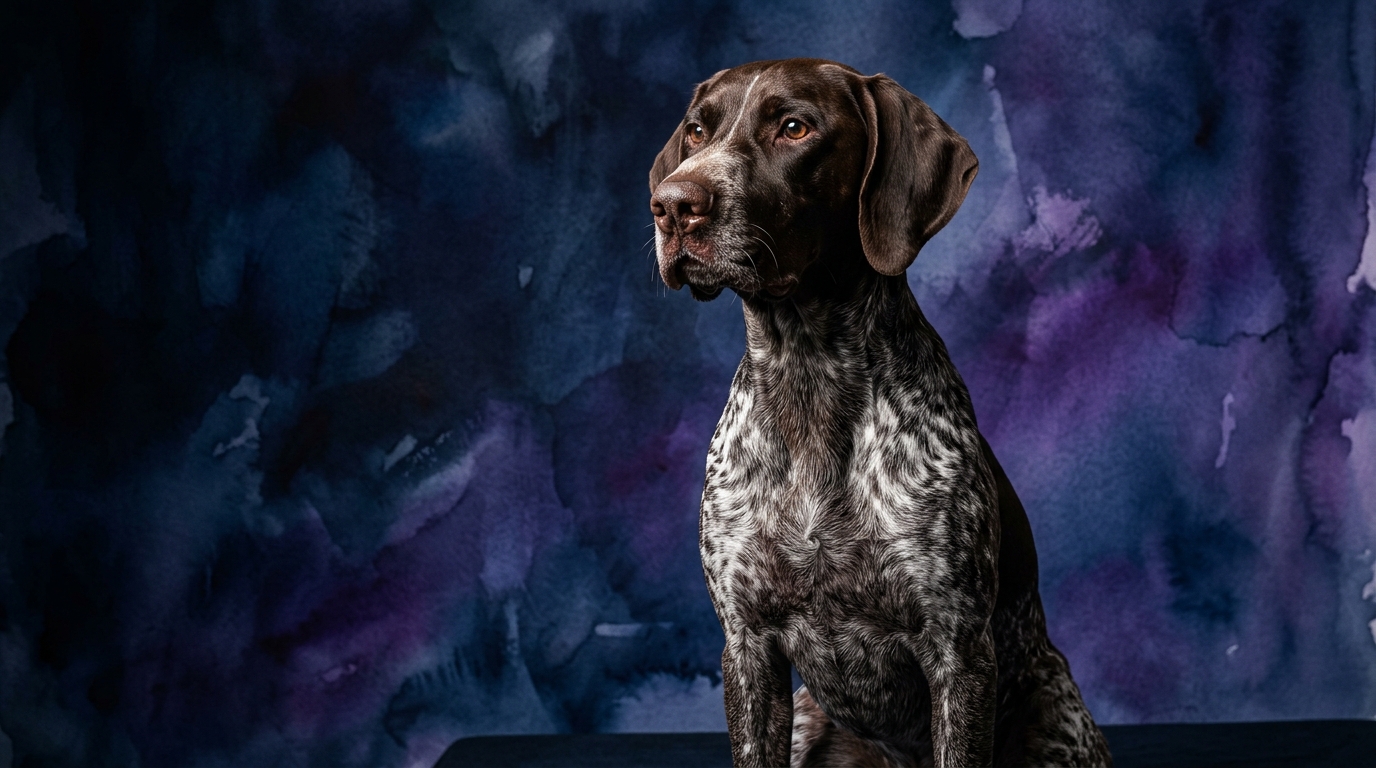
The German Shorthaired Pointer (GSP), a Sporting group member with a Coren rank of #17, exhibits a cognitive profile tailored for dynamic fieldwork. Their Problem Solving is rated an exceptional 5/5, indicating an outstanding capacity to independently navigate complex situations and adapt strategies on the fly. Training Speed scores 4/5, reflecting a quick grasp of new commands, while Social Intelligence also stands at 4/5, showcasing a strong ability to interpret human cues and cooperate. Their Instinctive Drive is a perfect 5/5, highlighting an inherent, powerful urge for hunting and retrieving tasks, complemented by a solid Memory of 4/5 for retaining learned experiences.
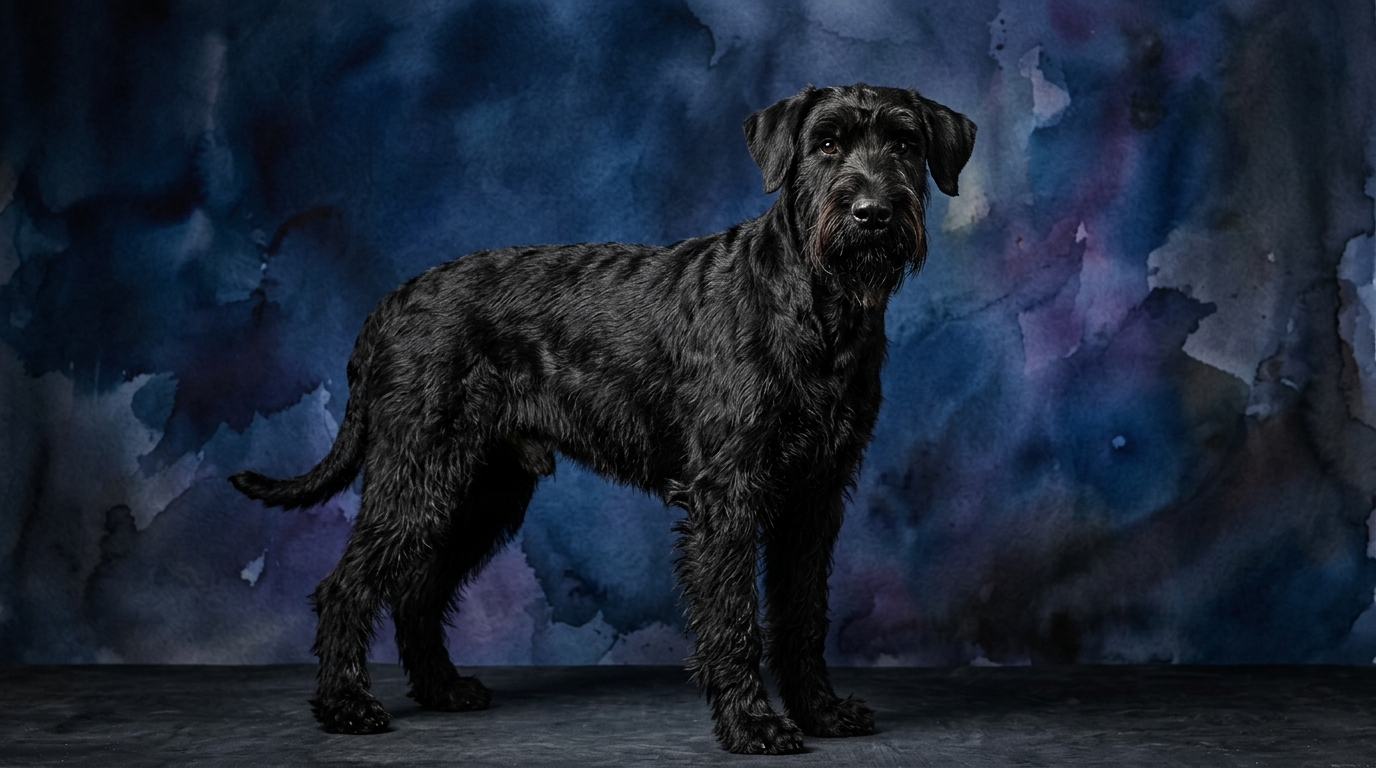
In contrast, the Giant Schnauzer (GS), from the Working group and ranked #28 by Coren, presents a profile geared towards protection and structured tasks. Their Problem Solving is a robust 4/5, demonstrating strong analytical capabilities, though perhaps with a more deliberate approach. Training Speed matches the GSP at 4/5, indicating rapid learning when motivated. However, their Social Intelligence is 3/5, suggesting a more reserved or independent social style compared to the GSP’s overt cooperativeness. Instinctive Drive is 3/5, channeled towards guarding and working roles rather than relentless pursuit, and their Memory is a reliable 4/5, crucial for retaining complex routines and discernment.
Where the German Shorthaired Pointer Wins Cognitively
The German Shorthaired Pointer's cognitive architecture truly shines in scenarios demanding rapid, independent decision-making and an unwavering focus on a goal. Their Problem Solving score of 5/5 isn't just about figuring out a puzzle; it's about making instantaneous, effective choices in unpredictable environments, such as tracking elusive game through varied terrain. This mental agility allows them to process sensory information and formulate a successful approach with remarkable speed, often without direct handler input.
Coupled with their perfect 5/5 Instinctive Drive, GSPs possess an unparalleled internal compass for their work. This drive isn't merely motivation; it's a deep-seated, intuitive understanding of their purpose, enabling them to pursue tasks like scent work or retrieving with relentless determination and minimal initial shaping. Their strong Social Intelligence (4/5) further enhances this, making them exceptionally attuned partners who can anticipate handler intentions and adjust their actions cooperatively, forming a seamless working unit. This combination of independent thought, innate purpose, and cooperative spirit gives them a distinct edge in dynamic, field-oriented challenges.
Where the Giant Schnauzer Wins Cognitively
While the German Shorthaired Pointer excels in dynamic pursuit, the Giant Schnauzer's cognitive strengths are rooted in a more deliberate, strategic application of their intellect, particularly in roles requiring vigilance and discernment. Their Problem Solving at 4/5, though slightly lower, manifests as a methodical approach to challenges, often involving assessment and planning rather than impulsive action. They are thinkers in a structured sense, excelling at tasks that demand consistency, pattern recognition, and a strong sense of responsibility, such as perimeter checks or complex obedience routines.
The Giant Schnauzer’s robust Memory (4/5) is a cornerstone of their working capabilities, allowing them to retain intricate commands, recognize familiar faces, and recall specific routines with impressive accuracy, which is paramount for their roles as guardians and protectors. Their Instinctive Drive (3/5), while not as high as the GSP's prey drive, is powerfully channeled into protective and working tasks. This drive encourages a focused, territorial engagement, requiring a different kind of mental processing—one of observation, assessment, and calculated response rather than relentless, high-speed pursuit. Their Social Intelligence (3/5) reflects a more selective bonding style; they are observant and loyal within their trusted circle, processing social cues with a discerning eye for their inner family unit.
Which is Easier to Train and Why
When considering ease of training, both breeds score 4/5 for Training Speed, suggesting they grasp new concepts quickly. However, the underlying cognitive and behavioral differences influence the training experience significantly. The German Shorthaired Pointer, with its 5/5 Problem Solving and 4/5 Social Intelligence, often appears easier to train for a wide range of tasks. Their innate eagerness to cooperate and their ability to quickly understand human intent, combined with their powerful instinctive drive, means they are often intrinsically motivated by training that taps into their natural abilities. They relish the partnership aspect of learning and generalize commands to new situations with impressive efficiency.
The Giant Schnauzer, while also learning swiftly, presents a different training dynamic. Their 3/5 Social Intelligence and 3/5 Instinctive Drive (which is less about cooperative hunting and more about independent vigilance) mean they might require a more firm, consistent, and engaging approach. They are less overtly driven to please and possess a more independent streak. Training must be stimulating and varied to maintain their interest, as they can become stubborn or disengaged if they perceive repetition without purpose. Building a strong, respectful bond through clear communication and positive reinforcement is crucial for channeling their intellect and securing their willing cooperation, as they are less inclined to simply comply without understanding the 'why' or feeling a strong connection to the trainer.
Which Suits Active Owners vs. Relaxed Owners
Neither the German Shorthaired Pointer nor the Giant Schnauzer are suitable companions for relaxed, low-activity owners. Both are working breeds with substantial mental and physical exercise requirements, and failing to meet these needs will invariably lead to boredom, frustration, and potential behavioral issues. These are not breeds content with short walks and couch lounging; they thrive on purposeful engagement and vigorous activity.
The German Shorthaired Pointer is an ideal match for owners who embrace an intensely active lifestyle. Their 5/5 Instinctive Drive and boundless energy demand extensive daily exercise, including running, swimming, and engaging in demanding dog sports like agility, flyball, scent work, or field trials. They need owners who can provide consistent mental challenges and opportunities to 'work' their natural hunting instincts. Their cooperative nature makes them exceptional partners for dynamic outdoor adventures, thriving on shared experiences and constant motion.
The Giant Schnauzer also requires active owners, but their activity needs are often more structured and task-oriented rather than purely high-speed endurance. They need vigorous daily exercise, but equally important is consistent, challenging mental enrichment through advanced obedience, protection work, puzzle toys, and training that engages their discerning nature. Their independence and protective instincts mean they need a 'job' to feel fulfilled, even if that job is guarding the home or mastering complex obedience routines. Owners must be committed to providing leadership, consistent training, and purposeful activities that channel their strength and intellect.
The Verdict: When to Choose Each Breed
Choosing between a German Shorthaired Pointer and a Giant Schnauzer hinges on the owner's lifestyle, training philosophy, and desired canine partnership.
The German Shorthaired Pointer is the ideal choice for owners seeking an intensely cooperative, highly driven, and adaptable partner for dynamic outdoor activities, field sports, or a dog that excels at independent problem-solving in fast-paced, unpredictable environments. They thrive with active individuals or families who can channel their boundless energy and innate hunting instincts into purposeful work and adventure.
The Giant Schnauzer is best suited for owners who appreciate a steadfast, discerning guardian, capable of complex structured tasks, and who can provide consistent, engaging training and purposeful work that channels their protective instincts. They require confident, experienced handlers who can provide clear leadership and meet their needs for mental stimulation and dedicated activity, forming a deep, loyal bond within a structured environment.
The Verdict
Choose the German Shorthaired Pointer for an intensely cooperative, highly driven, and adaptable partner in dynamic outdoor activities and field sports, thriving on independent problem-solving.
Choose the Giant Schnauzer for a steadfast, discerning guardian capable of complex structured tasks, requiring consistent, engaging training and purposeful work to channel their protective instincts.
🧠 Find Your Pet's IQ Score
Our Pet IQ Lab assessment covers 25+ tests across 5 cognitive dimensions — personalized to your breed.
Take the Full IQ Test →Frequently Asked Questions
Do German Shorthaired Pointers bark a lot?
GSPs can be vocal, especially if their significant exercise and mental stimulation needs aren't met, leading to boredom or anxiety. They might bark to alert their owners to new stimuli, reflecting their high instinctive drive and alertness.
Are Giant Schnauzers good with children?
Giant Schnauzers can be good with older, respectful children within their family unit, particularly if raised together. However, their lower social intelligence and protective instincts mean supervision is crucial, and they may be less tolerant of boisterous play from unfamiliar children.
Which breed is more independent?
The Giant Schnauzer tends to exhibit more independence, reflected in its slightly lower social intelligence score and working background. While fiercely loyal, they are often less overtly 'people-pleasing' than the GSP, preferring to assess situations and act deliberately.