Side-by-Side IQ Profile: GSP vs. Harrier
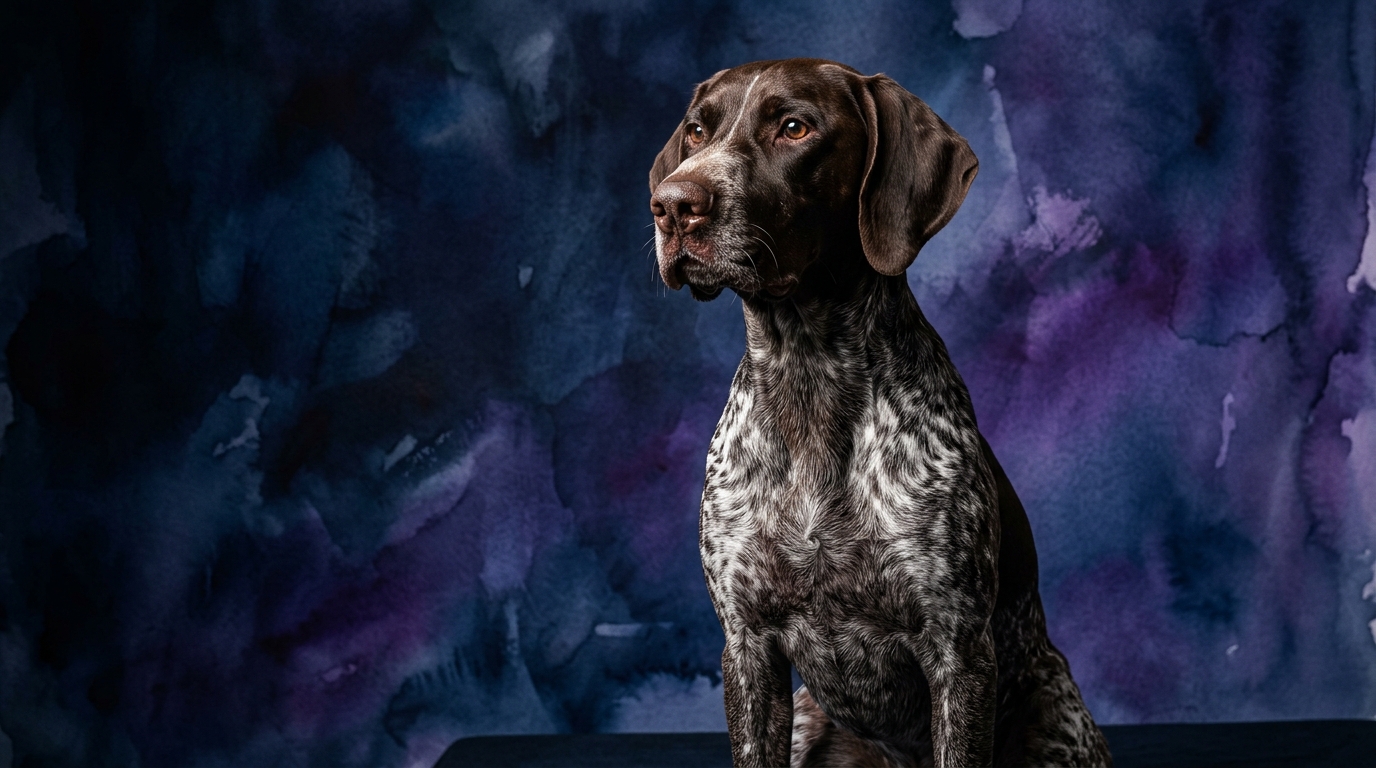
The German Shorthaired Pointer (GSP), a distinguished member of the Sporting Group, showcases a comprehensive cognitive toolkit designed for versatile fieldwork. Our Pet IQ Lab assessment rates their Problem Solving at an impressive 5/5, indicating a strong capacity for independent thought and adapting to new challenges. Their Training Speed is rated 4/5, reflecting a keen desire to learn and a quick grasp of complex commands, often eager to please their human companions. Social Intelligence, at 4/5, suggests a perceptive understanding of human cues and pack dynamics, making them highly responsive and emotionally attuned. An Instinctive Drive of 5/5 highlights their profound natural hunting abilities, encompassing pointing, retrieving, and tracking with unwavering focus. Finally, their Memory is solid at 4/5, enabling them to retain commands, routines, and learned behaviors effectively over time.
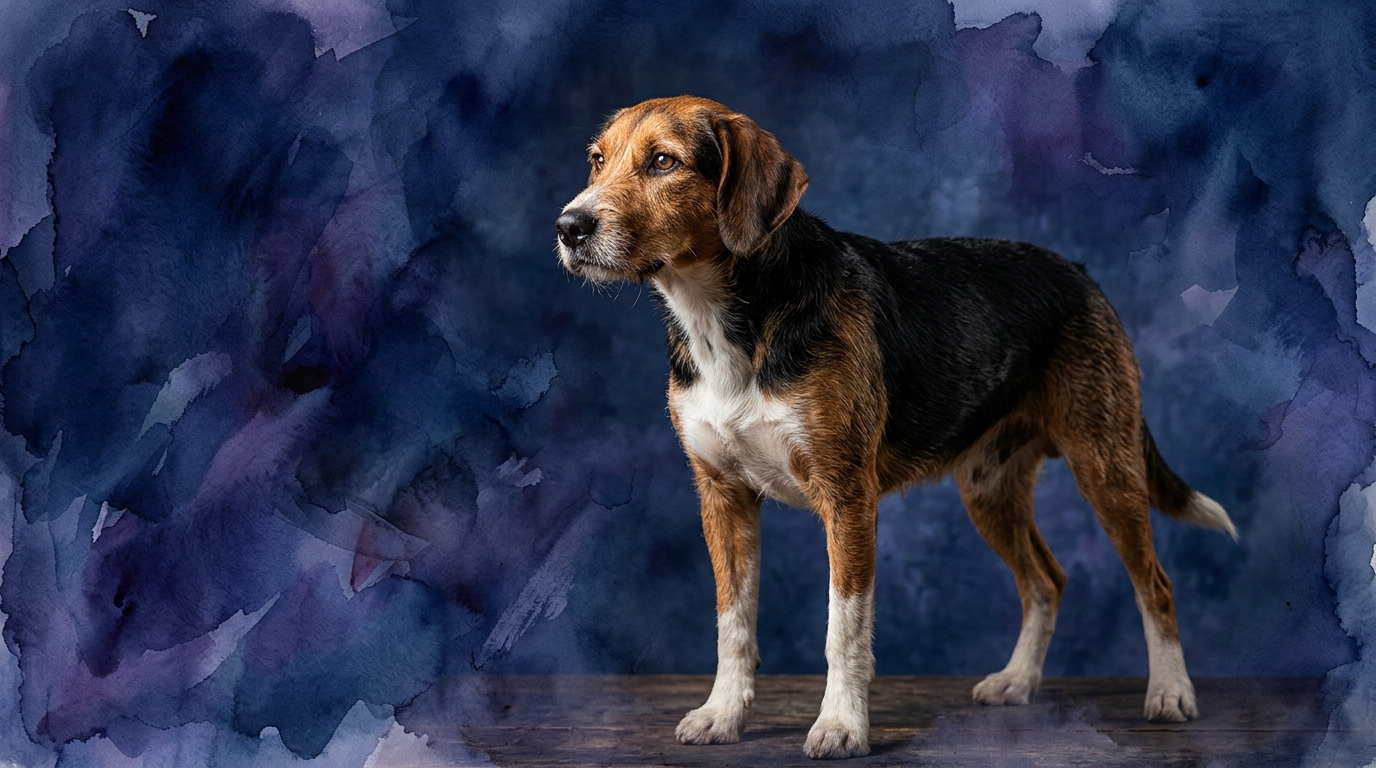
In contrast, the Harrier, a robust breed from the Hound Group, presents a cognitive profile more specialized for endurance and scent work. Their Problem Solving is rated 3/5, indicating a more methodical, often scent-driven approach to challenges, rather than a broad, adaptable one. Training Speed stands at 3/5, suggesting that while capable of learning, Harriers may require more repetition and patience due to their independent nature and focus on sensory input. Social Intelligence is also 3/5, meaning they are generally amenable but might prioritize their own instincts or the pursuit of a scent over human direction. Their Instinctive Drive, rated 3/5, is specifically powerful in its dedication to tracking and chasing quarry, though perhaps less varied in its expression than a GSP's. Memory is assessed at 3/5, demonstrating functional recall but perhaps not the same capacity for intricate sequences or abstract associations as breeds with higher scores.
Where the German Shorthaired Pointer Wins Cognitively
The German Shorthaired Pointer's cognitive strengths are evident across multiple domains, making them exceptionally adaptable and eager collaborators. Their 5/5 Problem Solving score means they are adept at figuring out novel situations, whether it's navigating a complex agility course or strategizing how to retrieve a toy from an awkward spot. This translates into a dog that can often anticipate next steps or learn from a single demonstration, requiring less hand-holding in new environments.
The GSP's 4/5 Training Speed is a direct advantage for owners seeking a responsive and highly trainable companion. This breed doesn't just learn commands; they often seek to understand the *purpose* behind them, leading to a deeper comprehension and more reliable execution. Coupled with a 4/5 Social Intelligence, GSPs are finely tuned to human body language and vocal tones, allowing them to pick up subtle cues and adjust their behavior accordingly, fostering a strong, communicative bond. Their unparalleled 5/5 Instinctive Drive isn't just about hunting; it's a profound motivation that can be channeled into various canine sports, demanding tasks, and even service roles where unwavering focus and determination are paramount.
Where the Harrier Shines Cognitively
While the Harrier's cognitive scores might appear more moderate in a general comparison, their specific blend of traits offers distinct advantages, particularly in situations where independent thought and unyielding focus on a sensory task are valued. Their 3/5 Problem Solving, for instance, isn't about broad adaptability but rather a tenacious, methodical approach to overcoming obstacles, especially those related to scent. Once a Harrier locks onto a scent trail, their problem-solving becomes singularly directed, demonstrating impressive persistence to follow it, even through challenging terrain or distractions.
The Harrier's 3/5 Instinctive Drive, while lower than the GSP's, is intensely specialized for pursuit and endurance. This drive manifests as an unparalleled dedication to tracking, making them exceptional partners for activities like scent work, trailing, or even competitive nose work. Their cognitive energy isn't dispersed across multiple tasks but concentrated on the primary objective of the chase. Furthermore, their 3/5 Memory, though not top-tier, is perfectly adequate for retaining the patterns and nuances of trails, allowing them to recall scent profiles and navigate familiar hunting grounds with efficiency. This independent focus, rather than being a deficit, can be a 'win' for owners who appreciate a dog capable of sustained, self-directed work in specific scenarios.
Which is Easier to Train and Why
Based on their Pet IQ Lab scores, the German Shorthaired Pointer is generally easier to train than the Harrier, and this difference stems from fundamental behavioral and cognitive distinctions. The GSP's 4/5 Training Speed and 5/5 Problem Solving indicate a dog that not only quickly grasps new commands but also actively seeks to understand and apply them. They often possess a strong 'desire to please' their handlers, coupled with a high social intelligence (4/5) that makes them attentive to human feedback and eager to form a collaborative partnership. This means GSPs are more likely to respond promptly to verbal cues, hand signals, and adjust their behavior based on subtle corrections, making initial training and advanced obedience relatively smooth.
The Harrier, with its 3/5 scores in both Training Speed and Social Intelligence, presents a different training dynamic. Harriers are hounds, bred for independent work, often following a scent for long distances without constant human direction. This ingrained independence means they are less inherently inclined to look to their human for every command or to prioritize human instruction over a compelling scent. Their problem-solving (3/5) is geared towards navigating a trail, not necessarily deciphering complex human requests quickly. Training a Harrier requires immense patience, consistency, and a deep understanding of their scent-driven motivation. While they are capable of learning, their attention can be more fleeting, especially when an intriguing smell captures their focus, necessitating a more persistent and creatively rewarding approach to achieve reliable obedience.
Which Suits Active Owners vs. Relaxed Owners
For the truly active owner, the German Shorthaired Pointer is an ideal match, thriving on structured activity and mental engagement. Their 5/5 Instinctive Drive and high problem-solving abilities mean they require more than just a walk around the block; they need purposeful activity that challenges both their body and mind. This includes rigorous daily runs, participation in dog sports like agility, flyball, or dock diving, and extensive fieldwork if their owner hunts. GSPs excel when they have a 'job' to do, and their strong social intelligence means they enjoy performing these tasks as part of a team with their human. A relaxed owner, or one who cannot commit to several hours of vigorous daily exercise and mental stimulation, would likely find a GSP to be overly energetic, potentially leading to destructive behaviors born of boredom.
The Harrier also demands an active lifestyle, but the *type* of activity it thrives on is distinct. While a GSP might prefer a game of fetch or a structured training session, a Harrier's 3/5 Instinctive Drive is geared towards endurance and following a scent. This means they are best suited for owners who enjoy long, rambling hikes, off-leash exploration in secure areas where they can follow their nose, or participation in scent work and tracking trials. They possess incredible stamina and can go for miles, but their independent nature (3/5 Social Intelligence) means they might not always be looking to their owner for direction during these adventures. A 'relaxed' owner would find a Harrier's relentless pursuit of scent and need for extensive exercise overwhelming, as an under-exercised Harrier is prone to baying, digging, and other nuisance behaviors. Neither breed is truly suited for a sedentary lifestyle; both require significant daily activity, but the GSP often prefers human-directed tasks while the Harrier delights in self-directed exploration.
The Verdict: When to Choose Each
The Verdict
Choose the German Shorthaired Pointer if you seek a highly trainable, versatile, and collaborative canine partner eager to engage in diverse activities, from hunting to competitive dog sports, and who thrives on a strong human-canine bond. They are best for active owners who can provide consistent mental and physical challenges and appreciate a dog that quickly adapts and learns.
Opt for the Harrier if you are an independent and persistent owner who values a dog with an unwavering drive for scent work and endurance, capable of long, self-directed explorations. They are ideal for those who appreciate the unique challenge of training a hound and are prepared to accommodate their profound instinctive need to follow a trail, often with less direct human intervention.
🧠 Find Your Pet's IQ Score
Our Pet IQ Lab assessment covers 25+ tests across 5 cognitive dimensions — personalized to your breed.
Take the Full IQ Test →Frequently Asked Questions
Are Harriers difficult to train for basic obedience?
Harriers can be more challenging for basic obedience compared to many other breeds, primarily due to their independent nature and strong scent drive. Their 3/5 Training Speed means they require significant patience, consistency, and highly motivating rewards, as they often prioritize following a scent over immediate human commands.
Which breed is better for competitive dog sports like agility?
The German Shorthaired Pointer is generally better suited for competitive dog sports like agility, given their 5/5 Problem Solving, 4/5 Training Speed, and 4/5 Social Intelligence. Their athleticism, eagerness to learn complex sequences, and desire to work closely with their handler give them a distinct advantage in such collaborative and fast-paced activities.
Do both breeds require a lot of exercise?
Yes, both the German Shorthaired Pointer and the Harrier require a significant amount of daily exercise due to their working dog heritage. GSPs need structured, high-intensity activities that engage both mind and body, while Harriers thrive on long, endurance-based activities where they can utilize their keen sense of smell, making neither suitable for sedentary lifestyles.