Side-by-Side IQ Profile: German Shorthaired Pointer vs. Havanese
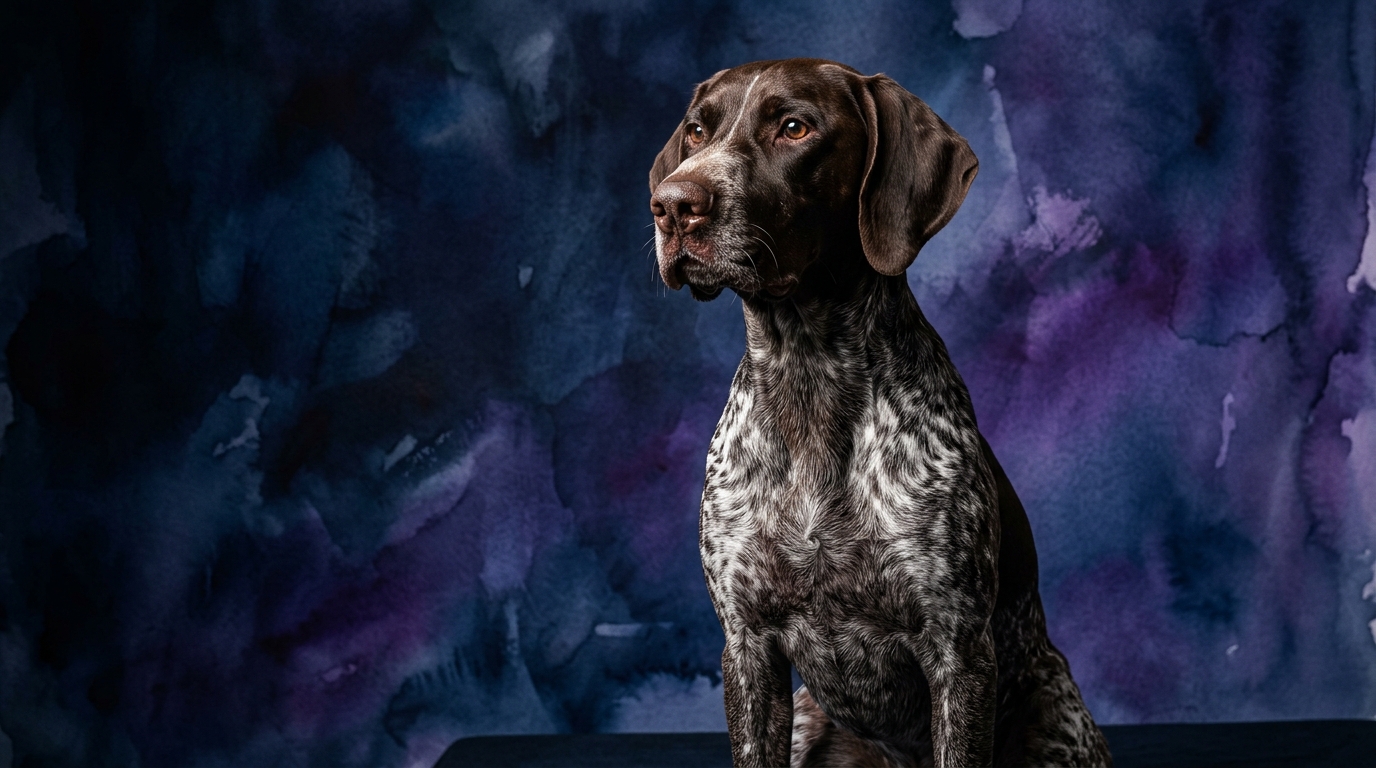
The Cosmic Pet Pet IQ Lab employs five key dimensions to evaluate canine intelligence, offering a nuanced understanding of each breed's cognitive strengths. For the German Shorthaired Pointer, a Sporting breed ranked #17 by Coren, these dimensions paint a picture of a focused and capable working dog. Their Problem Solving is rated an exceptional 5/5, indicating a profound ability to analyze and navigate complex situations. Training Speed stands at 4/5, reflecting their quick grasp of new commands, while Social Intelligence is 4/5, showing strong human-canine bonding capabilities. An outstanding 5/5 in Instinctive Drive underscores their powerful natural urges for hunting and retrieving, complemented by a solid 4/5 in Memory, essential for retaining complex sequences and spatial information.
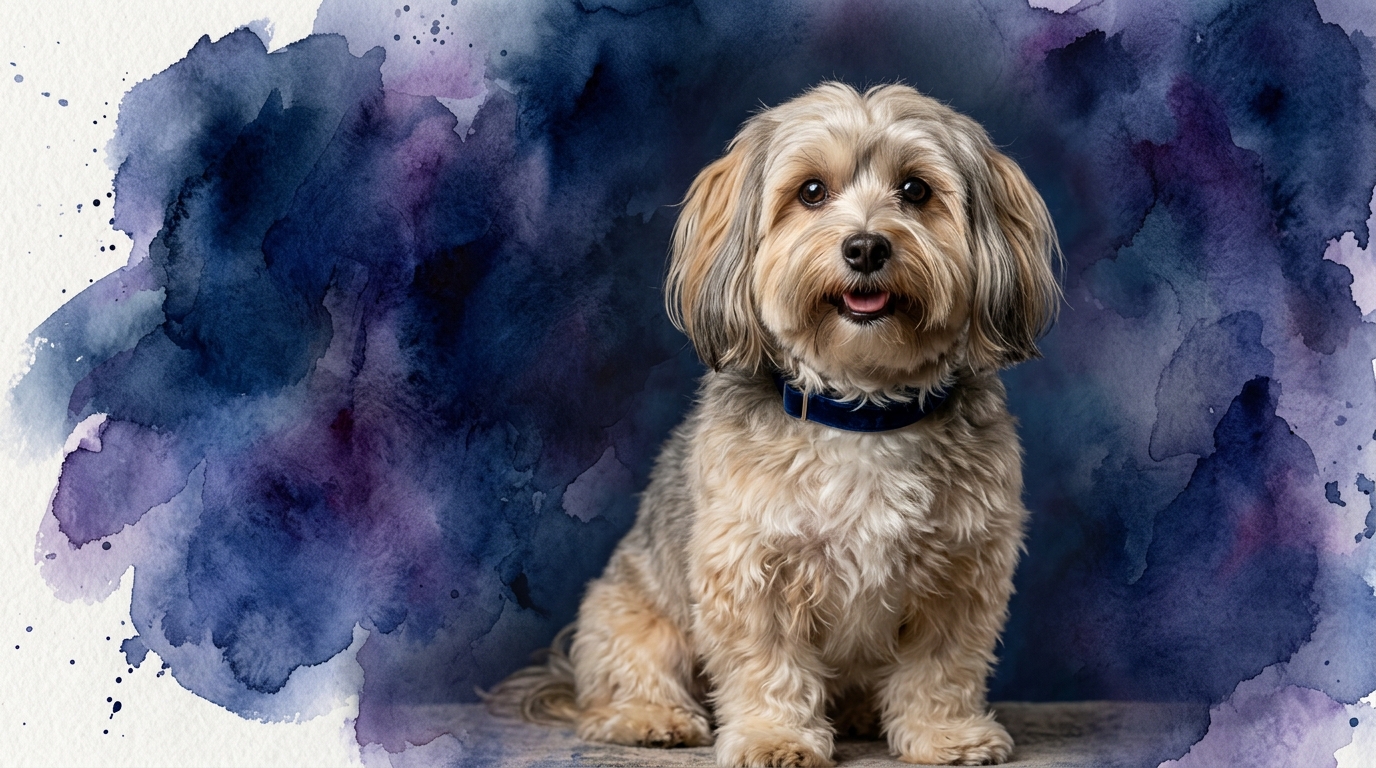
In stark contrast, the Havanese, a charming Toy breed not ranked by Coren, presents an intelligence profile geared towards companionship and social interaction. Their Problem Solving is rated 3/5, suggesting moderate capacity for independent complex task resolution. Training Speed is also 3/5, indicating a steady, responsive learning pace with appropriate motivation. Where the Havanese truly shines is in Social Intelligence, earning a perfect 5/5, highlighting their exceptional ability to read and respond to human emotions and cues. Their Instinctive Drive is a modest 2/5, reflecting a preference for comfort and interaction over primal urges, and their Memory is 3/5, sufficient for daily routines and learned behaviors.
Where the German Shorthaired Pointer Wins Cognitively
The German Shorthaired Pointer's cognitive superiority lies in its formidable Problem Solving and intense Instinctive Drive, both rated 5/5. This breed possesses an extraordinary capacity to process vast amounts of sensory information—especially scent and movement—and rapidly formulate strategies to achieve a goal. Imagine a GSP tracking a game bird through dense underbrush, navigating varied terrain, remembering the bird's last location, and adapting its approach based on wind direction; this level of dynamic, multi-faceted problem-solving is unparalleled in this comparison. Their mental stamina for sustained, directed effort in challenging conditions, coupled with their ability to interpret environmental cues with precision, makes them exceptional at tasks requiring independent thought and execution in the field. This breed doesn't just react; it plans and executes with a clear objective, demonstrating a sophisticated operational intelligence.
Where the Havanese Wins Cognitively
The Havanese's cognitive triumph rests squarely on its perfect 5/5 Social Intelligence. While the GSP excels in the wild, the Havanese thrives in the intricate social landscape of the human home. This breed possesses an exquisite sensitivity to human emotions, subtle body language, and vocal tones, allowing them to adapt their behavior to elicit desired responses from their family. Consider a Havanese sensing a family member's quiet distress and offering gentle nuzzles, or using expressive eye contact and tail wags to communicate a need for attention. Their ability to read a room, charm visitors, and provide intuitive comfort is a profound cognitive strength, demonstrating an advanced understanding of interpersonal dynamics. This social perceptiveness enables them to form incredibly strong, empathetic bonds and become highly attuned, responsive companions, a cognitive niche for which they are supremely well-suited.
Which is Easier to Train and Why
Determining which breed is 'easier' to train is nuanced, as it depends heavily on the owner's goals and training approach, directly referencing their distinct behavioral differences. The German Shorthaired Pointer, with a Training Speed of 4/5, is quick to grasp new commands and eager to comply. However, their formidable 5/5 Instinctive Drive means that their inherent energy and focus on scent or movement can be a significant distraction. While they learn rapidly, training a GSP requires consistent, engaging, and physically demanding sessions to channel their intense drive productively. Without proper outlets, their intelligence can manifest as 'undesirable' behaviors like excessive pulling on the leash during scent-tracking or high-energy antics indoors. Their drive means they need a 'job' and thrive on structured, task-oriented learning.
The Havanese, with a Training Speed of 3/5, learns at a more moderate pace, but their outstanding 5/5 Social Intelligence makes them highly responsive to positive reinforcement, praise, and affection. They might not exhibit the GSP's intense desire for task completion, sometimes showing a 'what's in it for me?' attitude if not adequately motivated by social rewards or tasty treats. Their lower 2/5 Instinctive Drive means fewer intrinsic distractions, making them generally easier to manage in a typical home environment once basic manners are established. Training a Havanese often involves patience, gentle methods, and leveraging their desire for social connection, rather than needing to manage overwhelming primal urges. For an owner seeking a cooperative companion in a less demanding training context, the Havanese might feel 'easier' due to their lower energy and intrinsic drives.
Which Suits Active Owners vs. Relaxed Owners
The choice between these two breeds starkly delineates between lifestyles. The German Shorthaired Pointer is unequivocally suited for highly active owners. Their 5/5 Instinctive Drive and 5/5 Problem Solving demand constant mental and physical engagement. These dogs thrive when given a purpose, whether it's hunting, competitive dog sports like agility or field trials, or extensive daily outdoor adventures that allow them to run, track, and explore. An owner who can commit to several hours of vigorous activity daily, coupled with advanced obedience or 'job' training, will find the GSP to be an incredibly fulfilling partner. Without adequate outlets, their intelligence and energy can lead to destructive behaviors or restlessness, making them a poor fit for a sedentary lifestyle.
Conversely, the Havanese is an ideal match for relaxed owners or those seeking a highly interactive, less physically demanding companion. Their 5/5 Social Intelligence and modest 2/5 Instinctive Drive mean they are content with indoor play, short daily walks, and extensive cuddle time. Their cognitive strengths are in companionship and emotional connection, not strenuous activity or complex working tasks. They thrive on being an integral part of family life, enjoying lap time and gentle games. While they still benefit from mental stimulation through training and puzzle toys, their needs are easily met within a calmer household setting, making them perfect for individuals or families desiring a devoted, perceptive, and charming indoor companion.
The Verdict
Opt for a German Shorthaired Pointer if you are an active, experienced owner ready to channel immense drive and intelligence into demanding activities like hunting, competitive dog sports, or extensive outdoor adventures.
Select a Havanese if you prioritize a highly social, perceptive companion for a relaxed home environment, valuing emotional connection and charm over high-intensity physical or working tasks.
🧠 Find Your Pet's IQ Score
Our Pet IQ Lab assessment covers 25+ tests across 5 cognitive dimensions — personalized to your breed.
Take the Full IQ Test →Frequently Asked Questions
Are German Shorthaired Pointers good family dogs?
Yes, GSPs can be devoted family dogs, especially with active families who can provide ample exercise and consistent training. Their social intelligence allows them to bond closely, but their high energy requires management to prevent accidental knocks or overstimulation with young children.
Do Havanese need a lot of exercise?
Havanese have moderate exercise needs, typically satisfied with daily walks and indoor play sessions, rather than intense physical exertion. Their primary requirement is social interaction and mental stimulation through companionship and gentle training, not strenuous activity.
How do the problem-solving abilities differ in daily life?
A GSP might excel at figuring out how to open a complex crate latch or strategize retrieving a toy from a difficult spot, showcasing their high problem-solving. A Havanese, with lower problem-solving, might instead use their strong social intelligence to "problem solve" by charming their human into retrieving the toy for them, or opening the door.