Side-by-Side Cognitive Profiles
The Cosmic Pet Pet IQ Lab provides a unique framework for evaluating canine intelligence across five key dimensions. Let's delve into how the German Shorthaired Pointer (GSP) and the Icelandic Sheepdog measure up.
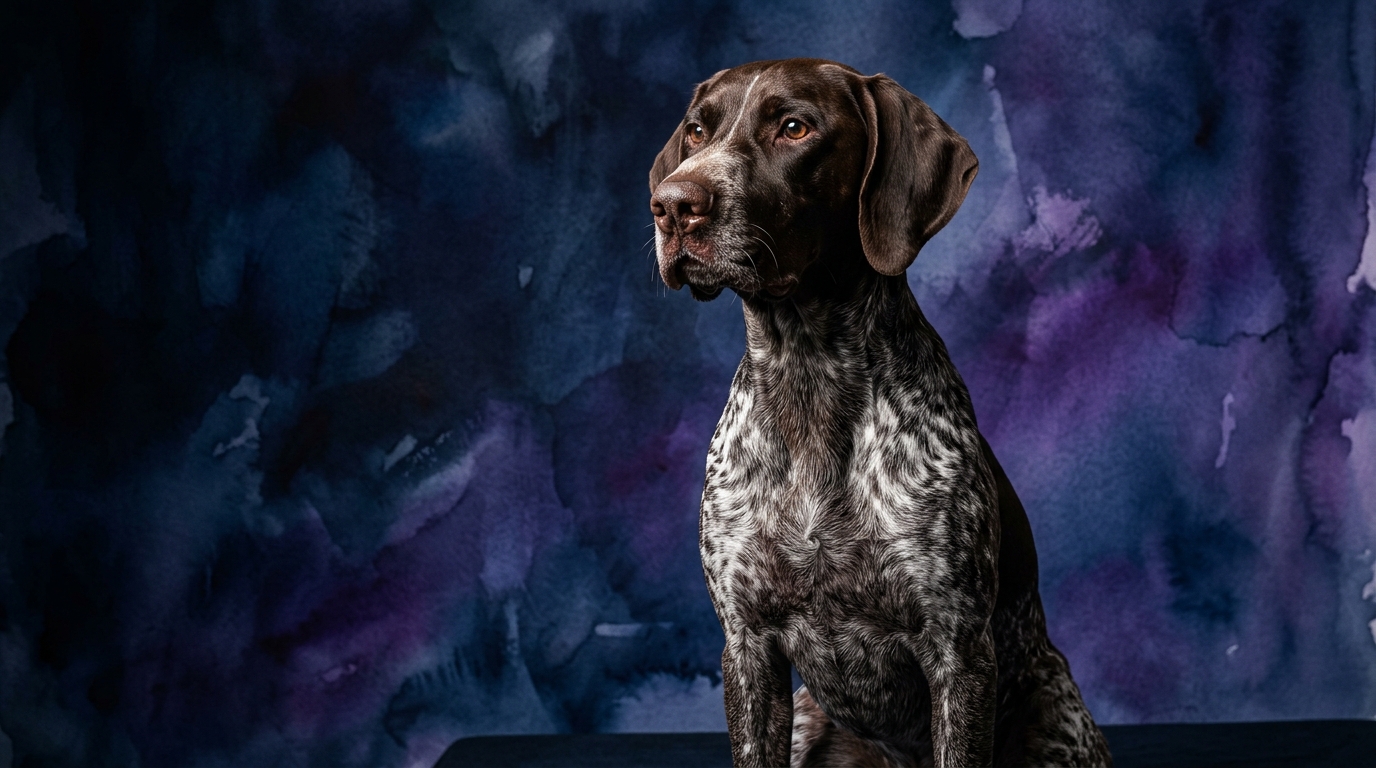
The German Shorthaired Pointer, ranking #17 on the Coren intelligence scale, demonstrates a formidable cognitive toolkit. Its Problem Solving is rated 5/5, reflecting an exceptional ability to strategize and adapt in complex field scenarios, quickly figuring out how to overcome obstacles to retrieve game or track scents. Training Speed is 4/5, indicating rapid learning and impressive quickness in picking up new commands and routines, often requiring fewer repetitions. Social Intelligence stands at 4/5, as they are adept at reading human cues and intentions, forming strong bonds and responding well to handler direction, though their intense prey drive can occasionally override social considerations in stimulating environments. Instinctive Drive is a perfect 5/5, a powerful, unwavering motivation for hunting, tracking, and retrieving, consistently propelling them to pursue tasks related to their sporting heritage. Finally, Memory is 4/5, showcasing strong recall for learned commands, routines, and the location of objects or scents, making them reliable in repetitive tasks and skilled at remembering complex sequences.
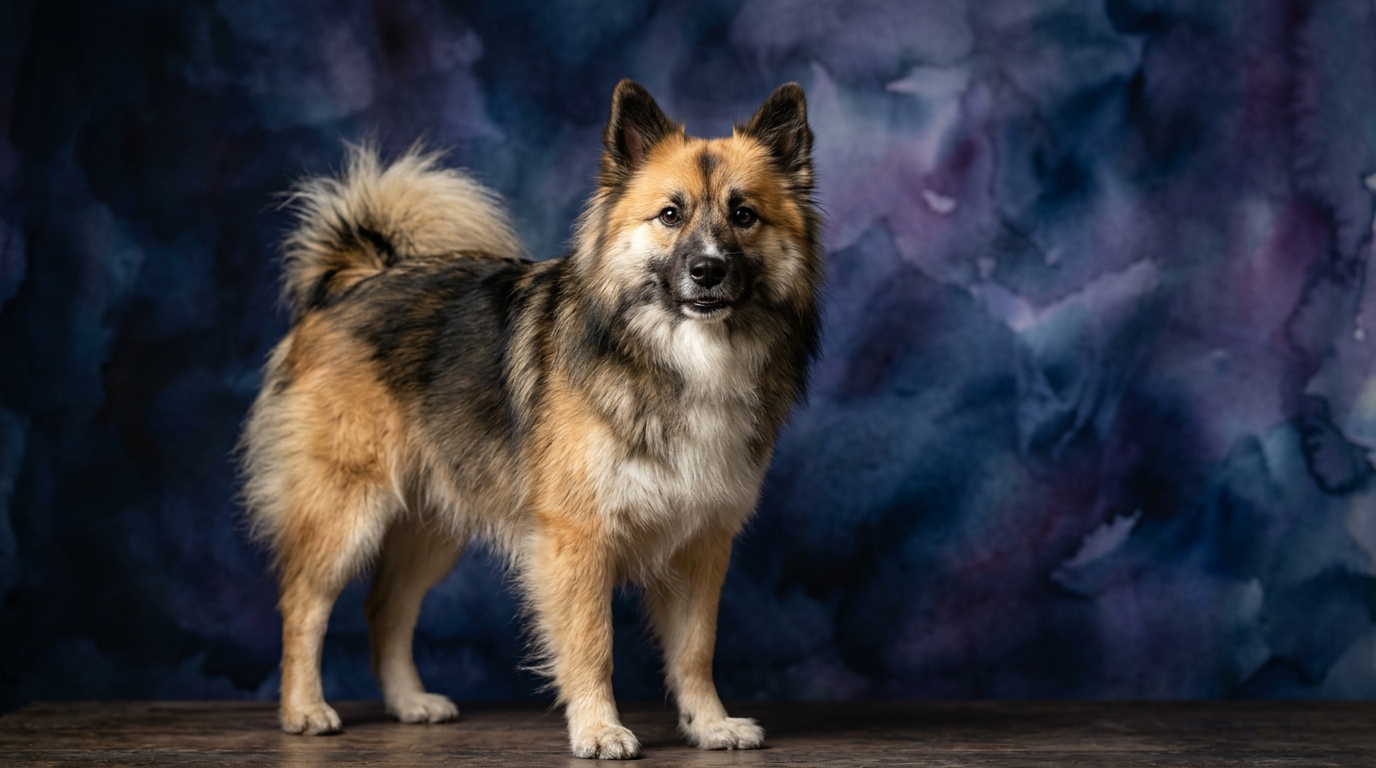
The Icelandic Sheepdog, a Herding breed not ranked on the Coren scale, presents a different cognitive signature. Its Problem Solving is 3/5, meaning it's capable of navigating moderately complex situations, particularly those involving livestock management, but may require more trial-and-error or human guidance for novel challenges. Training Speed is 3/5, indicating they learn at a steady pace, requiring consistent and patient repetition, yet they are generally willing to engage and absorb new information over time. Social Intelligence is 3/5; they possess good awareness of their human companions and flock, exhibiting a desire to please and engage, though sometimes their herding instincts can lead to independent decision-making. Instinctive Drive is also 3/5, characterized by a moderate, persistent herding drive, expressed through patrolling, gathering, and barking to manage livestock, rather than an intense predatory focus. Memory is rated 3/5, showing fair recall for familiar commands and routines, benefiting from regular reinforcement to solidify learned behaviors and maintain consistency.
Where the German Shorthaired Pointer Excels Cognitively
The GSP's cognitive strengths are deeply rooted in its purpose as an elite hunting companion. Its 5/5 Problem Solving and 4/5 Training Speed combine to enable faster acquisition of complex sequences, such as multi-stage retrieve commands or intricate tracking patterns, compared to the Icelandic Sheepdog. This breed exhibits more sophisticated strategic thinking in dynamic environments, like anticipating game movement or navigating varied terrain efficiently.
Their superior Instinctive Drive (5/5) means they are exceptionally adept at filtering distractions when intensely focused on a task, maintaining unwavering concentration on a scent trail or a retrieved object. This tenacity, combined with their sharp memory, allows for outstanding scent discrimination and sustained tracking efforts over long periods. Owners will observe a GSP's quick grasp of new concepts and its driven persistence in mastering tasks that align with its natural working inclinations, making it a powerhouse for performance-oriented activities.
Where the Icelandic Sheepdog Demonstrates Unique Cognitive Strengths
While not possessing the GSP's rapid learning curve, the Icelandic Sheepdog offers distinct cognitive advantages honed by its herding legacy. Its 3/5 Social Intelligence, combined with its instinctive drive, contributes to a more nuanced understanding of group dynamics, particularly within a flock. They are skilled at reading the subtle cues of livestock and their human handlers, often making independent decisions that benefit the group's safety.
The Icelandic Sheepdog's cognitive profile also suggests a greater tolerance for adverse conditions and sustained effort without immediate, high-value rewards, a trait crucial for long days spent managing sheep in challenging weather. They possess an innate ability to manage multiple moving entities (sheep) simultaneously with less direct human command, relying on their own assessment and judgment. Furthermore, their environmental awareness is often more finely tuned to detecting subtle changes in their surroundings relevant to livestock safety or potential threats, a different kind of vigilance than a GSP's predatory focus.
Trainability: GSP's Drive vs. Icelandic Sheepdog's Steadiness
When it comes to ease of training, the German Shorthaired Pointer generally holds an advantage due to its higher Training Speed (4/5) and intense Instinctive Drive (5/5). GSPs thrive on structured work and quickly internalize commands, especially when activities are tied to their natural drives for retrieving, tracking, or pointing. Their strong desire to please and their focused intensity mean they typically require fewer repetitions to grasp new concepts, making them appear to learn faster. However, their high energy and powerful instinctive drive also mean that training must be consistently engaging and challenging to prevent boredom and self-directed, potentially destructive, activities.
The Icelandic Sheepdog, with its 3/5 Training Speed, requires a more patient and consistent approach. They learn steadily but not as rapidly as a GSP. Their herding instinct, while present, is less about intense pursuit and more about management and control, which means they might not be as 'driven' by a single, high-intensity goal. Their independent decision-making in herding scenarios can also translate into a tendency to question commands or prioritize their own assessment of a situation, demanding a trainer who understands how to build trust and motivation through positive reinforcement rather than pure command.
Matching Canine Cognition to Owner Lifestyles
The cognitive profiles of these two breeds offer clear guidance for potential owners. The German Shorthaired Pointer is unequivocally suited for highly active owners. Their 5/5 instinctive drive, combined with superior problem-solving and rapid learning, demands constant mental and physical engagement. They excel in dog sports like agility, flyball, or advanced obedience, and are ideal companions for serious hunters or very active individuals who can provide hours of structured exercise, training, and outdoor adventures daily. A GSP without sufficient outlets for its mental and physical energy can become restless and exhibit undesirable behaviors.
In contrast, the Icelandic Sheepdog is a better fit for moderately active owners. While they are working dogs, their activity needs are centered more around consistent, purposeful engagement rather than explosive, high-intensity bursts. They enjoy long walks, interactive play, and moderate mental challenges, thriving on being an integral part of family activities and having a 'job,' even if it's monitoring the household or participating in lower-impact dog sports like rally obedience. They appreciate routine and being close to their human companions, making them wonderful partners for those who enjoy consistent, but not extreme, daily activity and mental stimulation.
The Verdict
If you are an experienced, active owner seeking a dog for demanding sports, hunting, or a highly structured working role, and can commit to extensive training and vigorous exercise, the GSP's rapid learning and intense drive will be a perfect match.
If you appreciate a thoughtful, watchful companion with a steady learning pace, enjoy consistent but not extreme activity, and seek a dog that thrives on family inclusion and moderate mental tasks, the Icelandic Sheepdog offers a delightful partnership.
🧠 Find Your Pet's IQ Score
Our Pet IQ Lab assessment covers 25+ tests across 5 cognitive dimensions — personalized to your breed.
Take the Full IQ Test →Frequently Asked Questions
Do GSPs get bored easily?
Yes, their high problem-solving capacity and intense instinctive drive mean GSPs require significant mental and physical stimulation to prevent boredom and destructive behaviors. They need engaging activities and consistent training to channel their energy productively.
Are Icelandic Sheepdogs good with children?
Icelandic Sheepdogs generally possess good social intelligence and a gentle nature, making them suitable companions for families with children. Their herding instincts might lead to gentle 'nipping' at heels, which can be managed with early training and supervision.
How much exercise do these breeds need?
A German Shorthaired Pointer needs at least 1-2 hours of vigorous exercise daily, often more, including running, retrieving, or structured training. An Icelandic Sheepdog requires 30-60 minutes of daily activity, such as walks, playtime, or engaging mental games, to stay content.