Side-by-side IQ profile
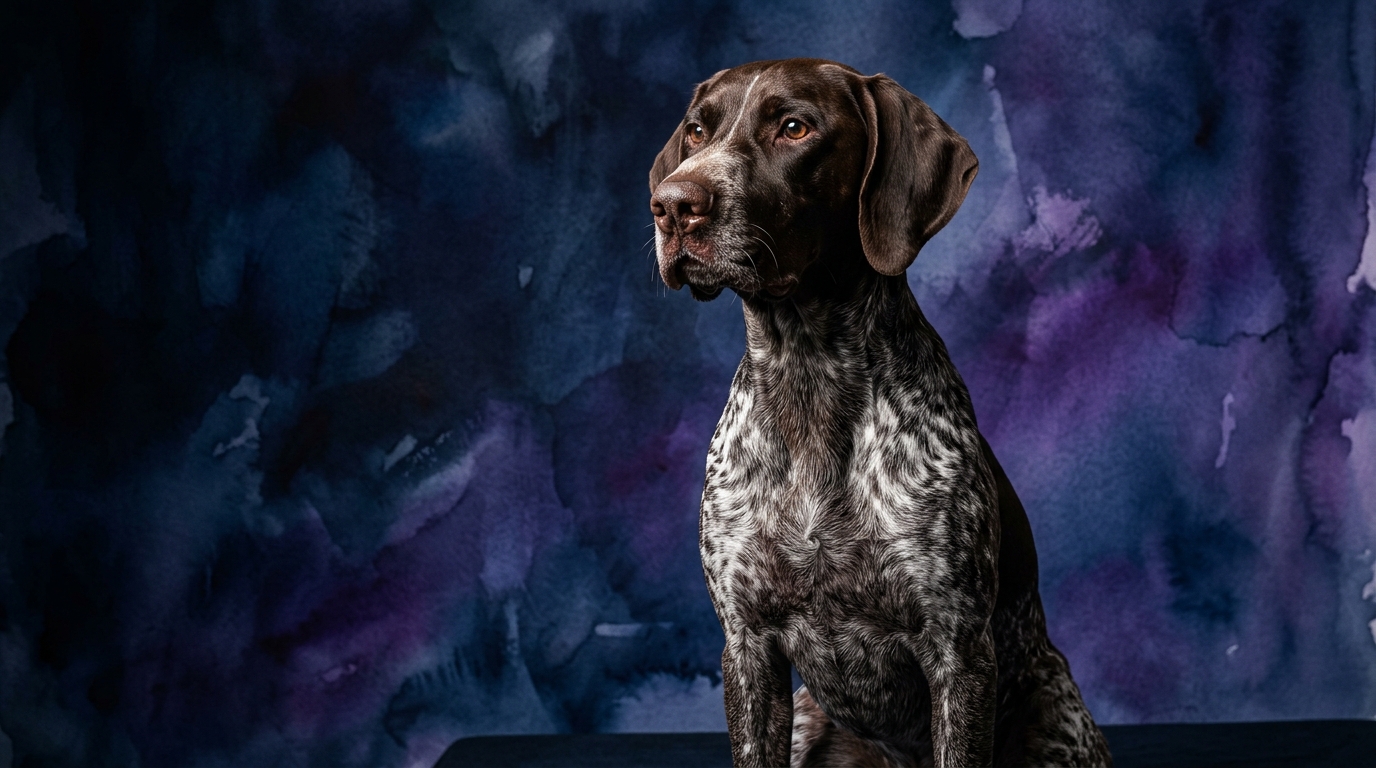
The German Shorthaired Pointer exhibits a formidable cognitive profile, reflecting its heritage as a versatile hunting dog. Their Problem Solving is rated 5/5, indicating an exceptional capacity for strategic thinking and adapting to novel situations, whether tracking game or navigating complex agility courses. Training Speed is 4/5; these dogs typically grasp new commands and concepts with impressive alacrity, often showing a keen desire to please and cooperate. Social Intelligence, at 4/5, means they generally read human cues well, integrate smoothly into family units, and understand pack dynamics. Their Instinctive Drive is a powerful 5/5, manifesting as an intense focus on scent, prey, and the pursuit of tasks, an intrinsic motivation that underpins much of their behavior. Finally, their Memory is 4/5, allowing them to retain complex sequences of commands, learned routines, and the locations of various objects or scents with considerable accuracy over time.
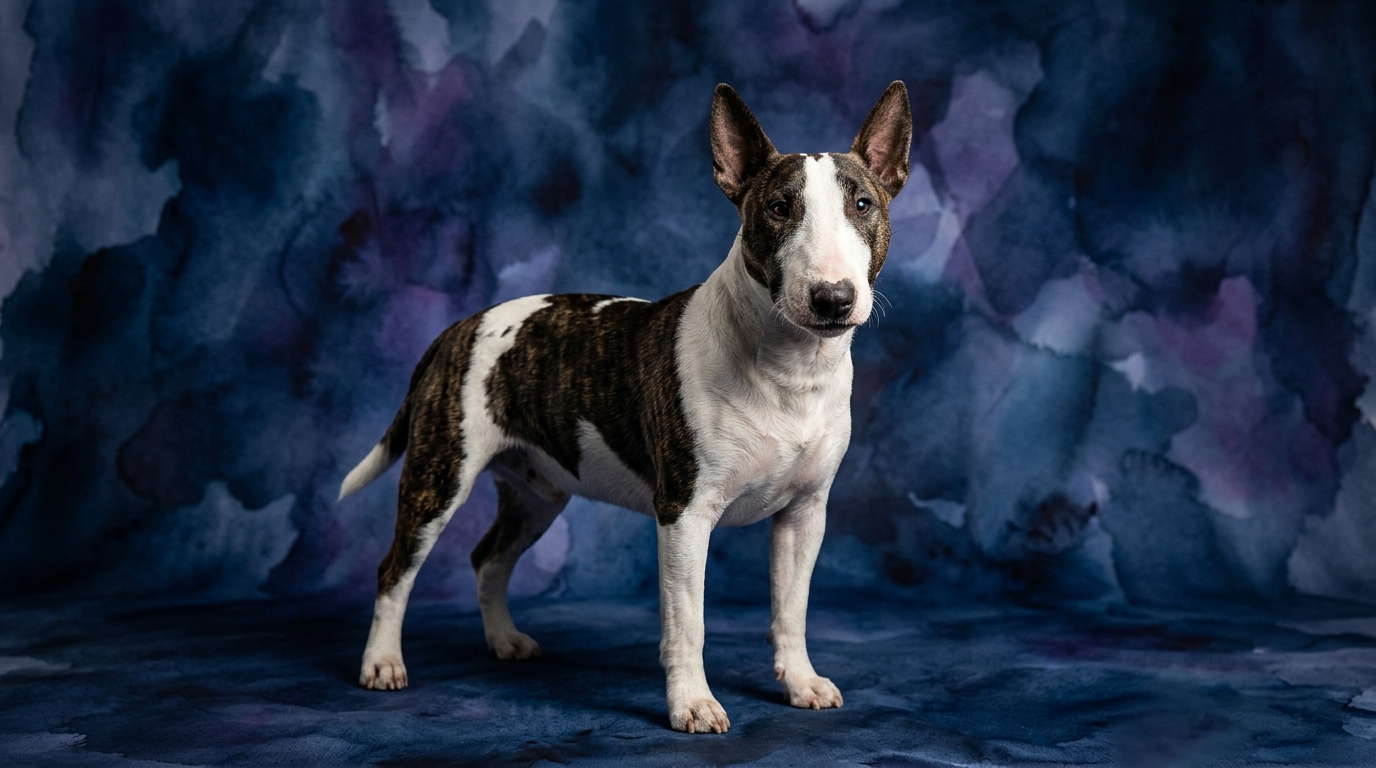
In contrast, the Miniature Bull Terrier presents a different, yet equally engaging, set of cognitive strengths. Their Problem Solving is rated 3/5, suggesting they are capable of figuring out direct challenges, but may not always be inclined towards elaborate, multi-step strategic thinking unless highly motivated. Training Speed is 3/5; while they can certainly learn, the process often requires more patience, consistency, and creative motivation due to their independent and sometimes mischievous nature. Social Intelligence also stands at 3/5; MBTs form deep, often exclusive bonds with their immediate families, but can be more discerning or less overtly expressive in broader social contexts, requiring careful introductions to new people or animals. Their Instinctive Drive is 3/5, meaning they possess a moderate drive that can manifest as playful chasing or digging, but generally lacks the intense, single-minded focus seen in dedicated working breeds. Memory, at 3/5, supports learning and retaining basic commands and routines, though they might not hold onto intricate sequences or less-reinforced lessons as firmly as some other breeds.
Where German Shorthaired Pointer wins cognitively
The German Shorthaired Pointer's cognitive superiority is most evident in scenarios demanding high levels of adaptability, sustained focus, and intricate task execution. Their 5/5 Problem Solving score means they excel at deciphering complex environments, whether it's figuring out how to retrieve a challenging object or navigating an obstacle course with minimal direction. This breed demonstrates a remarkable ability to string together multiple steps to achieve a goal, a trait invaluable in advanced dog sports or real-world working applications. Furthermore, their superior Social Intelligence (4/5) combined with their Training Speed (4/5) allows them to pick up on subtle human cues and adjust their behavior accordingly, making them highly responsive partners in training and daily life. They consistently demonstrate a longer attention span for tasks they deem rewarding or instinctually relevant, allowing for more advanced and nuanced learning without frequent breaks or loss of engagement. Their robust memory (4/5) also ensures that once a lesson is learned, it is deeply ingrained, requiring less refresher training for established behaviors.
Where Miniature Bull Terrier wins cognitively
While the Miniature Bull Terrier's cognitive scores are generally lower, their unique blend of traits offers distinct advantages for specific lifestyles and owner preferences. Their 3/5 Problem Solving, though not as high as the GSP, is often coupled with a tenacious spirit and a unique brand of resourcefulness. When an MBT sets its mind to something, it can display remarkable perseverance in achieving its self-appointed goal, even if the method is unconventional. This isn't about complex strategy, but about determined, singular focus on a desired outcome, often characterized by a 'can-do' attitude. Their moderate Instinctive Drive (3/5) means they are less likely to be overwhelmed by environmental triggers, offering a more manageable level of prey drive for urban or suburban living where intense hunting instincts could be a liability. This breed also possesses a robust mental resilience; they tend to bounce back from minor setbacks or frustrations with less emotional distress than more sensitive breeds. Their Social Intelligence (3/5), while not broadly expansive, often translates into an incredibly deep, loyal, and singular bond with their chosen family, providing an unwavering companionship that some owners deeply cherish.
Which is easier to train and why
Without a doubt, the German Shorthaired Pointer is generally easier to train, a direct consequence of their higher scores across multiple cognitive dimensions. Their 4/5 Training Speed means they absorb new commands rapidly, often requiring fewer repetitions than the average dog. This quick uptake is bolstered by their 5/5 Problem Solving, allowing them to quickly understand the cause-and-effect relationships of training exercises and generalize learned behaviors to new situations. GSPs possess a strong innate desire to cooperate and work alongside their human companions, a facet of their 4/5 Social Intelligence, making them highly receptive to positive reinforcement and eager to please. In contrast, the Miniature Bull Terrier's 3/5 Training Speed indicates that while they are capable learners, the process demands greater patience and consistency. Their independent streak and occasional stubbornness, often tied to their terrier heritage, mean that trainers must be creative and highly motivating to maintain their engagement. MBTs may question the necessity of a command or prefer to do things their own way, requiring more strategic approaches to training that emphasize fun and novelty to overcome potential boredom or resistance.
Which suits active owners vs relaxed owners
The German Shorthaired Pointer is an ideal match for active owners who seek a canine partner for demanding physical and mental pursuits. Their 5/5 Instinctive Drive fuels a high energy level and a profound need for purpose, making them perfect companions for activities like hunting, competitive obedience, agility, hiking, or extensive running. These dogs thrive when given a 'job' and require consistent engagement to prevent boredom, which can manifest as undesirable behaviors. Their cognitive capacity means they genuinely enjoy learning new skills and solving challenges alongside their human. Conversely, the Miniature Bull Terrier, while certainly energetic, is better suited for owners who appreciate a dog with a distinct personality and are prepared for consistent, yet perhaps less intensely structured, engagement. They can adapt to a more relaxed home environment provided they receive adequate daily exercise and mental stimulation that caters to their specific terrier traits, such as digging, chasing, and puzzle toys. While they enjoy activity, their needs aren't as relentlessly focused on a 'working' partnership; they are content being a quirky, devoted family member who enjoys bursts of play and companionship, rather than constant, high-level task performance.
The Verdict
Choose a German Shorthaired Pointer if you are an active, experienced owner seeking a highly trainable, versatile working partner for sports, hunting, or complex obedience, and you can provide ample physical and mental stimulation.
Opt for a Miniature Bull Terrier if you appreciate a spirited, independent companion with a unique personality, are committed to patient and consistent training, and value a deep, loyal bond over constant task-oriented cooperation.
🧠 Find Your Pet's IQ Score
Our Pet IQ Lab assessment covers 25+ tests across 5 cognitive dimensions — personalized to your breed.
Take the Full IQ Test →Frequently Asked Questions
Are Miniature Bull Terriers difficult to train?
Miniature Bull Terriers are not inherently difficult, but their independent nature and moderate training speed (3/5) mean they require more consistent, patient, and engaging training methods. They thrive with positive reinforcement and varied routines to keep them motivated and prevent boredom.
How much mental exercise does a German Shorthaired Pointer need daily?
German Shorthaired Pointers, with their 5/5 problem-solving and 5/5 instinctive drive, require significant daily mental exercise, often 30-60 minutes beyond physical activity. This can include advanced obedience, puzzle toys, scent work, or participation in dog sports to keep their keen minds engaged.
Do Miniature Bull Terriers get along with other pets?
Miniature Bull Terriers, with their 3/5 social intelligence and moderate instinctive drive, can coexist peacefully with other pets, especially if introduced early and socialized appropriately. However, their strong personalities and potential for selective bonding mean careful supervision and gradual introductions are often necessary.