
Side-by-Side Cognitive Profiles
The German Shorthaired Pointer (GSP) is a canine athlete with a mind built for precision and action, reflected in its Coren rank of #17. The Cosmic Pet Pet IQ Lab's assessment grants the GSP a perfect 5/5 for problem-solving, indicating a superior capacity for independent thought and strategic action in complex situations. Its training speed earns a commendable 4/5, suggesting a rapid grasp of new commands and routines. Social intelligence, rated at 4/5, shows a strong ability to understand and respond to human cues, while an instinctive drive of 5/5 underscores its powerful hunting and retrieving instincts. Memory, at 4/5, ensures learned skills and experiences are retained effectively.
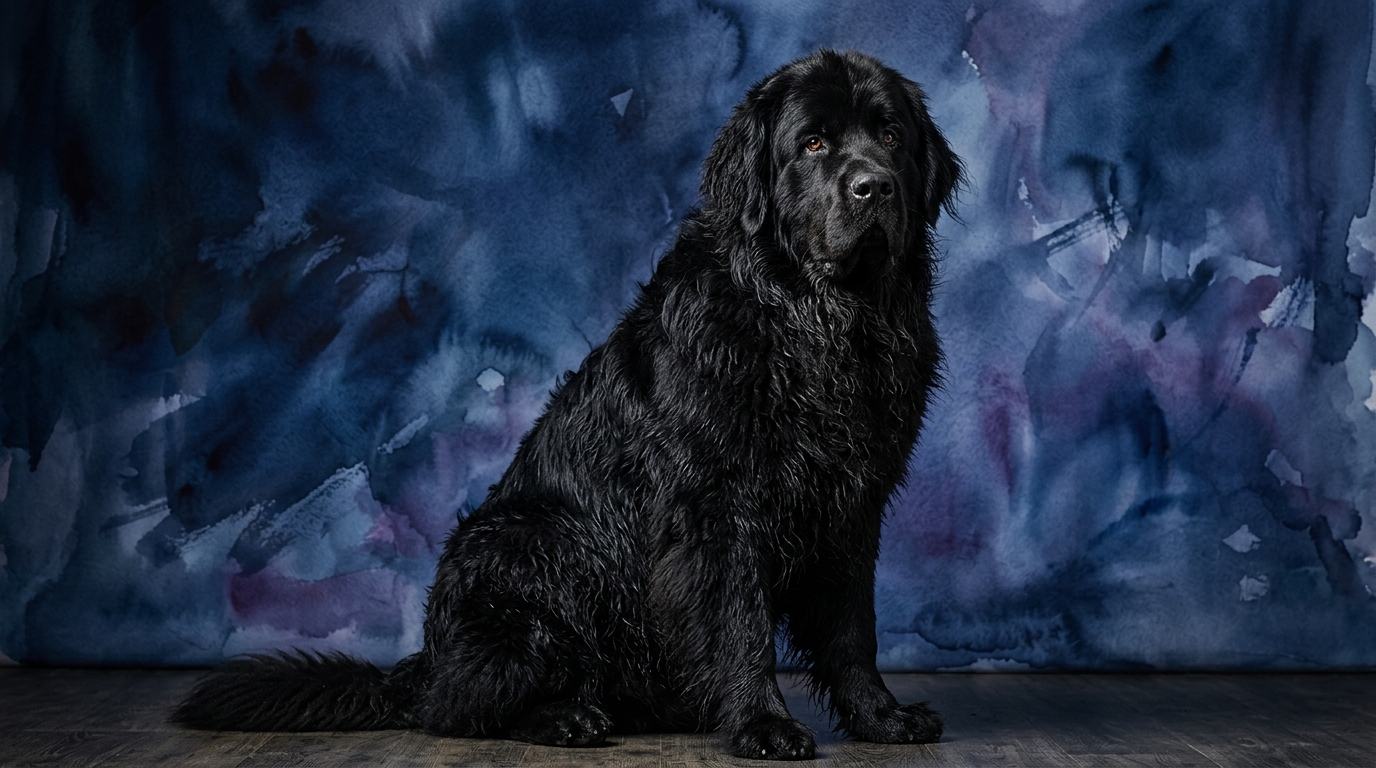
In contrast, the Newfoundland, ranking #34 on the Coren scale, presents a different cognitive emphasis. Its problem-solving ability is rated 3/5, indicating a more methodical approach rather than rapid, independent innovation. Similar to the GSP, its training speed is 4/5, demonstrating a solid capacity for learning, albeit perhaps with a slightly different motivation profile. Where the Newfoundland truly shines is in social intelligence, earning a perfect 5/5, highlighting its exceptional empathy and nuanced understanding of human emotion and intent. Its instinctive drive also scores 5/5, but this is typically channeled towards water rescue and protective guardianship rather than prey drive. Memory, like the GSP, is rated 4/5, ensuring a reliable recall of experiences and learned behaviors.
Where the German Shorthaired Pointer Excels Cognitively
The German Shorthaired Pointer's cognitive superiority largely stems from its exceptional problem-solving score of 5/5. This breed is engineered for situations demanding quick, independent decisions in dynamic environments, such as locating game, navigating dense cover, or executing complex retrieval patterns. This high cognitive flexibility allows GSPs to adapt rapidly to changing circumstances and devise novel solutions, making them adept at tasks requiring foresight and strategic thinking.
While both breeds share a 4/5 training speed, the GSP's higher Coren rank and superior problem-solving often translate into a more efficient learning process for complex obedience or sport commands. They tend to grasp the 'why' behind a command faster, not just the 'how,' making them highly receptive to advanced training. Their intense focus and desire to work in partnership with their handler further enhance their cognitive advantage in structured learning environments.
Where the Newfoundland Excels Cognitively
The Newfoundland's profound strength lies in its perfect 5/5 social intelligence. This score reflects an extraordinary capacity for empathy, understanding human emotional states, and responding with appropriate comfort or support. Newfoundlands possess an innate ability to connect deeply with their human companions, making them exceptionally attuned therapy animals and family protectors. Their social cognition allows for subtle communication and a profound sense of responsibility towards their 'flock.'
Furthermore, the Newfoundland's 5/5 instinctive drive, while different from the GSP's, is equally powerful. This drive is rooted in their heritage as working dogs, particularly in water rescue and as watchful guardians. This isn't just a physical drive but a cognitive one, compelling them to act selflessly in protective roles and exhibiting remarkable judgment in assessing perceived threats or distress. Their instinct to nurture and protect is a core cognitive function that guides much of their behavior.
Training Ease: GSP vs. Newfoundland
Despite both breeds scoring 4/5 in training speed, the German Shorthaired Pointer is generally perceived as easier to train for a broad range of obedience and advanced tasks. This isn't solely about how quickly they learn a single command, but their overall cognitive package: their 5/5 problem-solving helps them generalize concepts and apply learned behaviors to new situations. A GSP's inherent drive to work alongside its human, coupled with its mental agility, means it often requires fewer repetitions to solidify complex behaviors and is more likely to offer creative solutions when faced with a novel training challenge.
Newfoundlands, while eager to please due to their high social intelligence, might require more patient and consistent motivation, particularly for tasks that don't immediately align with their inherent drives. Their 3/5 problem-solving suggests they may not independently 'figure out' a new exercise as quickly as a GSP. Training a Newfoundland often leverages their desire for social connection and their strong bond with their owner, making positive reinforcement and a gentle approach highly effective. They excel when tasks are presented clearly and consistently, relying on their memory and social understanding rather than rapid cognitive improvisation.
Suitability for Active vs. Relaxed Owners
For active owners seeking a dynamic partner, the German Shorthaired Pointer is an ideal match. Their 5/5 instinctive drive for activity, combined with their exceptional problem-solving and training speed, means they thrive on consistent physical and mental engagement. Owners who enjoy running, hiking, hunting, or participating in dog sports like agility, obedience, or field trials will find a GSP to be an enthusiastic and capable companion. Their cognitive makeup demands an outlet for their mental energy, preventing boredom and potential behavioral issues.
Conversely, the Newfoundland is better suited for more relaxed owners who appreciate a calm, empathetic presence in their home, while still acknowledging their need for purposeful activity. While large, Newfoundlands are not typically high-energy endurance athletes like GSPs. Their cognitive strengths lie in their social connection and protective instincts. They enjoy leisurely walks, swimming sessions that engage their water rescue drive, and ample time interacting with their family. Owners who value a gentle giant capable of profound emotional connection, and who can provide a calm, structured environment, will find a Newfoundland to be a deeply rewarding companion.
The Verdict
Choose a German Shorthaired Pointer if you are an active individual or family seeking a highly trainable, problem-solving partner for dog sports, outdoor adventures, or hunting, who can provide ample mental and physical stimulation.
Opt for a Newfoundland if you desire a gentle, empathetic, and protective companion who excels in social intelligence and deep bonds, suited for a more relaxed lifestyle that still includes regular, purposeful exercise like swimming.
🧠 Find Your Pet's IQ Score
Our Pet IQ Lab assessment covers 25+ tests across 5 cognitive dimensions — personalized to your breed.
Take the Full IQ Test →Frequently Asked Questions
Are German Shorthaired Pointers good family dogs?
Yes, German Shorthaired Pointers can be excellent family dogs, especially for active families. Their 4/5 social intelligence means they bond well with people, but their high energy and instinctive drive (5/5) require consistent exercise and mental engagement to ensure they are well-behaved and happy companions.
Do Newfoundlands require a lot of exercise?
Newfoundlands require moderate, consistent exercise to maintain their health and engage their instinctive drives. While not needing the high-intensity workouts of a GSP, regular walks, supervised swimming sessions, and playtime are essential to prevent boredom and keep their large bodies in condition. Their 5/5 instinctive drive for water work makes swimming particularly beneficial.
How do their Coren ranks reflect their daily behavior?
The GSP's Coren rank of #17 indicates a higher general trainability and ability to follow commands, often translating to a more responsive and adaptable daily companion. The Newfoundland's Coren rank of #34 suggests they are still capable learners but might require more patience and motivation, often excelling when tasks align with their strong social intelligence and protective instincts rather than complex problem-solving.