Side-by-Side Cognitive Profile
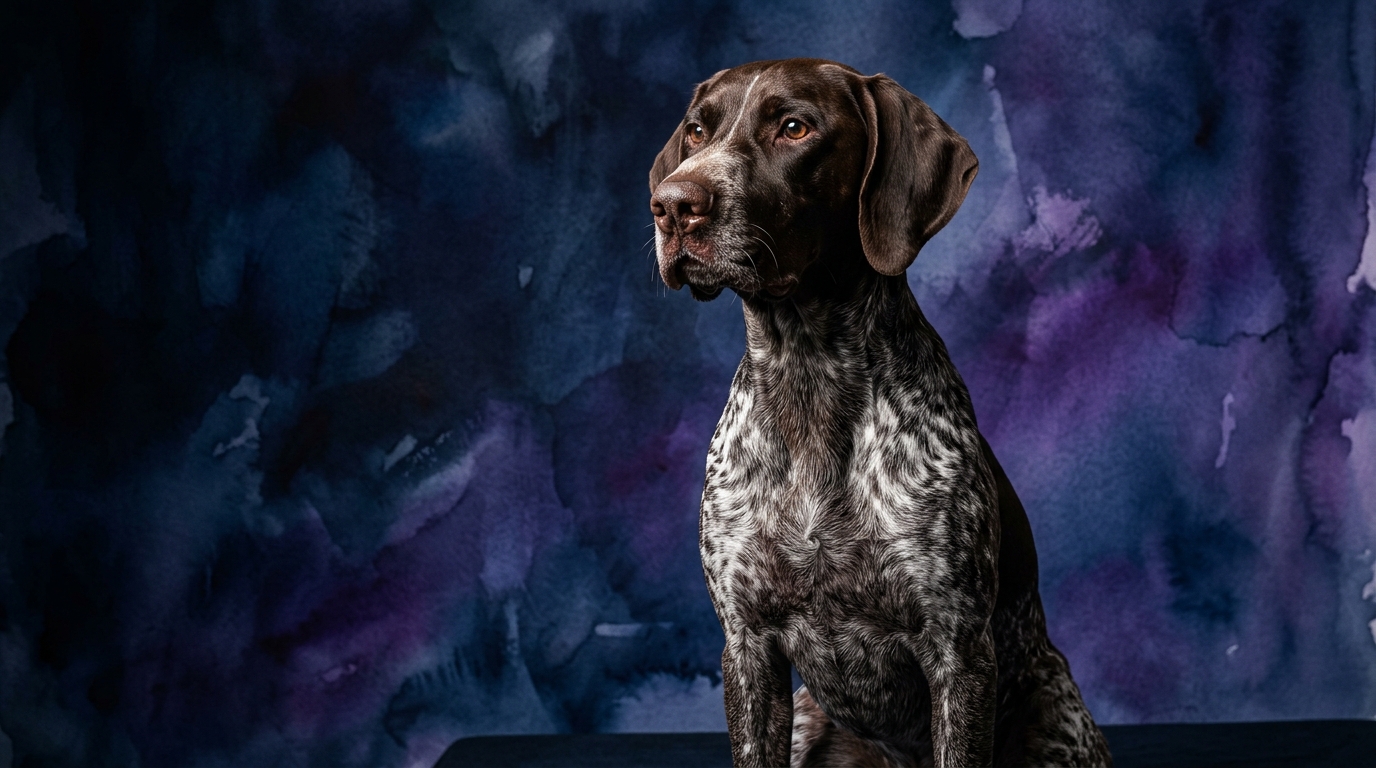
The German Shorthaired Pointer (GSP), ranked #17 by Coren for working and obedience intelligence, presents a robust cognitive profile tailored for dynamic tasks. Their Problem Solving rates 5/5, indicating a strong capacity for analyzing situations and devising effective solutions, particularly in hunting scenarios. Training Speed is 4/5, reflecting their quick grasp of commands and willingness to learn. Social Intelligence stands at 4/5, showcasing their ability to interpret human cues and form cooperative partnerships. An Instinctive Drive of 5/5 highlights an intense, inherent motivation for their breed-specific roles, while Memory at 4/5 suggests a solid ability to recall complex sequences and past experiences.
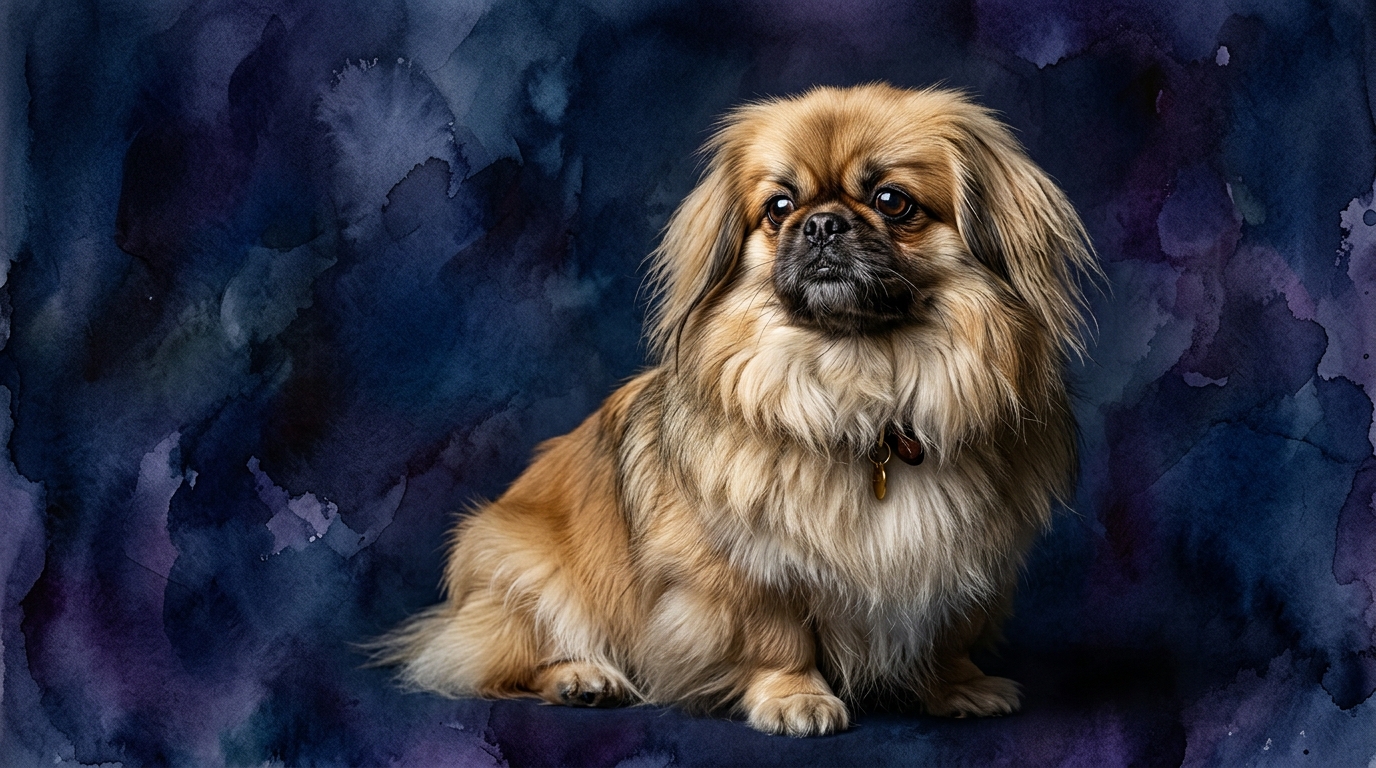
In contrast, the Pekingese, with a Coren rank of #77, offers a cognitive makeup oriented towards companionship and independent thought. Their Problem Solving is 3/5, demonstrating an aptitude for navigating their immediate domestic environment rather than abstract challenges. Training Speed is 3/5, meaning they require more patience and consistent methods to internalize new behaviors. Social Intelligence is also 3/5, indicating strong bonds formed on their own terms, often with a discerning approach to strangers. Their Instinctive Drive, at 3/5, is less about external tasks and more about self-preservation, comfort, and a subtle guarding nature. Memory, rated 3/5, is sufficient for routines and recognizing their preferred humans, but less focused on intricate command recall.
Where the German Shorthaired Pointer Excels Cognitively
The German Shorthaired Pointer's cognitive strengths are undeniably geared towards active engagement and complex work. Their 5/5 rating in Problem Solving enables them to excel at tasks requiring strategic thought, such as locating hidden game, navigating varied terrain, or performing multi-step retrieves. This isn't just about following instructions; it's about making independent decisions within a given framework, adapting to changing conditions, and learning from outcomes. Their problem-solving prowess is deeply intertwined with their powerful 5/5 Instinctive Drive, channeling their innate desire to hunt into focused, productive activity.
Furthermore, the GSP’s 4/5 Training Speed means they absorb new commands with relative ease, making them highly receptive to advanced training in obedience, agility, or field work. This rapid learning is supported by their 4/5 Social Intelligence, which fosters a strong desire to collaborate and understand their human partners, creating an efficient learning dynamic. Their 4/5 Memory allows them to retain extensive repertoires of commands, scent patterns, and environmental cues, which is crucial for consistency and performance in demanding roles. A GSP can remember intricate routes, the location of specific objects, or a series of complex actions required to complete a task, demonstrating a formidable capacity for working memory and long-term recall.
Where the Pekingese Demonstrates Distinct Cognitive Strengths
While not built for field work, the Pekingese exhibits a unique set of cognitive strengths perfectly suited for their role as a devoted companion. Their 3/5 Problem Solving, though lower than the GSP's, is acutely attuned to their immediate environment. This allows them to skillfully navigate complex home layouts, find the sunniest spot, or subtly manipulate situations to achieve comfort or attention – a practical application of intelligence within their world. They are adept at understanding personal routines and preferences, using this knowledge to their advantage in daily interactions.
The Pekingese's 3/5 Social Intelligence manifests as a discerning ability to read the moods and intentions of their primary human. They form deep, personal bonds, often communicating their needs and desires through nuanced body language and vocalizations that only a close companion can fully interpret. Their 3/5 Instinctive Drive, rather than being focused on external tasks, often translates into a keen sense of self-preservation and a watchful, sometimes aloof, demeanor towards strangers, acting as a subtle guardian of their personal space and chosen family. Their 3/5 Memory is robust for remembering favored people, routines, and experiences, ensuring they recognize and respond to familiar situations and individuals with consistent affection or wariness, underscoring their capacity for stable, long-term relationships within a domestic setting.
Which Is Easier to Train and Why
Based on their cognitive profiles, the German Shorthaired Pointer is generally easier to train for obedience and task-oriented commands. Their 4/5 Training Speed means they quickly associate actions with rewards and consequences, requiring fewer repetitions to internalize new behaviors. This is amplified by their 4/5 Social Intelligence, which predisposes them to cooperative learning; they actively seek to engage with and understand their human's directives. Furthermore, their 5/5 Instinctive Drive can be powerfully channeled into training, providing a strong internal motivation to perform and excel, whether it's retrieving, tracking, or complex agility sequences.
The Pekingese, with a 3/5 Training Speed, requires a different approach. Their independent nature and lower drive for external tasks mean that training demands more patience, positive reinforcement, and a strong understanding of their motivations – typically comfort, food, or affection. They may not inherently seek to please in the same way a GSP does, making consistency and making training fun and rewarding crucial. While they can certainly be trained for basic obedience and house manners, their learning curve for complex, multi-step commands will generally be longer, and the motivation needs to be intrinsic to their comfort or immediate gratification, rather than a strong desire for collaborative work.
Which Suits Active Owners vs. Relaxed Owners
The German Shorthaired Pointer is an ideal match for active owners who relish outdoor adventures and seek a canine partner for demanding activities. Their high Problem Solving, Instinctive Drive, and robust physical capabilities mean they thrive with consistent mental and physical stimulation. Owners who enjoy running, hiking, hunting, or dog sports like agility and dock diving will find a GSP to be an eager and capable companion. They require an outlet for their abundant energy and sharp minds, making them suitable for individuals or families committed to incorporating their dog into a dynamic lifestyle.
Conversely, the Pekingese is a perfect fit for more relaxed owners who appreciate a companion focused on domestic comfort and quiet interaction. Their lower demand for strenuous physical activity and complex task-oriented work makes them well-suited for apartment living or homes with less emphasis on outdoor excursions. Owners who enjoy quiet evenings, gentle strolls, and a dog whose primary role is affectionate companionship will find the Pekingese's independent yet devoted nature aligns perfectly with their lifestyle. They offer a calm, discerning presence, thriving on close bonds within a comfortable, predictable environment.
The Verdict
Choose a German Shorthaired Pointer if you seek a diligent, adaptable working partner with a keen mind for complex tasks and a strong desire for collaborative activity and physical engagement.
Opt for a Pekingese if you desire a devoted, independent companion who excels at domestic life, subtle communication, and offers calm, affectionate presence without demanding extensive physical or mental exertion.
🧠 Find Your Pet's IQ Score
Our Pet IQ Lab assessment covers 25+ tests across 5 cognitive dimensions — personalized to your breed.
Take the Full IQ Test →Frequently Asked Questions
Are Pekingese difficult to train?
Pekingese are not inherently difficult to train, but they require different methods than a German Shorthaired Pointer. Their independent nature and lower drive for external tasks mean training benefits from patience, consistent positive reinforcement, and making the process enjoyable and rewarding, focusing on their intrinsic motivations like comfort or food.
Do German Shorthaired Pointers require a 'job'?
While not strictly a 'job' in the human sense, German Shorthaired Pointers certainly benefit from consistent mental and physical challenges. Their high instinctive drive, problem-solving capacities, and energy levels thrive when channeled into activities like hunting, obedience training, agility, or long, engaging hikes, preventing boredom and promoting well-being.
How does Coren rank relate to these IQ scores?
Coren's rank primarily reflects a breed's 'working and obedience intelligence,' which aligns closely with a dog's training speed, problem-solving ability in structured tasks, and social intelligence regarding human directives. The GSP's higher Coren rank and IQ scores reflect their aptitude for these tasks, while the Pekingese's rank reflects their different breed purpose, where these specific types of intelligence are less emphasized.