Side-by-Side IQ Profile: GSP vs. Pug
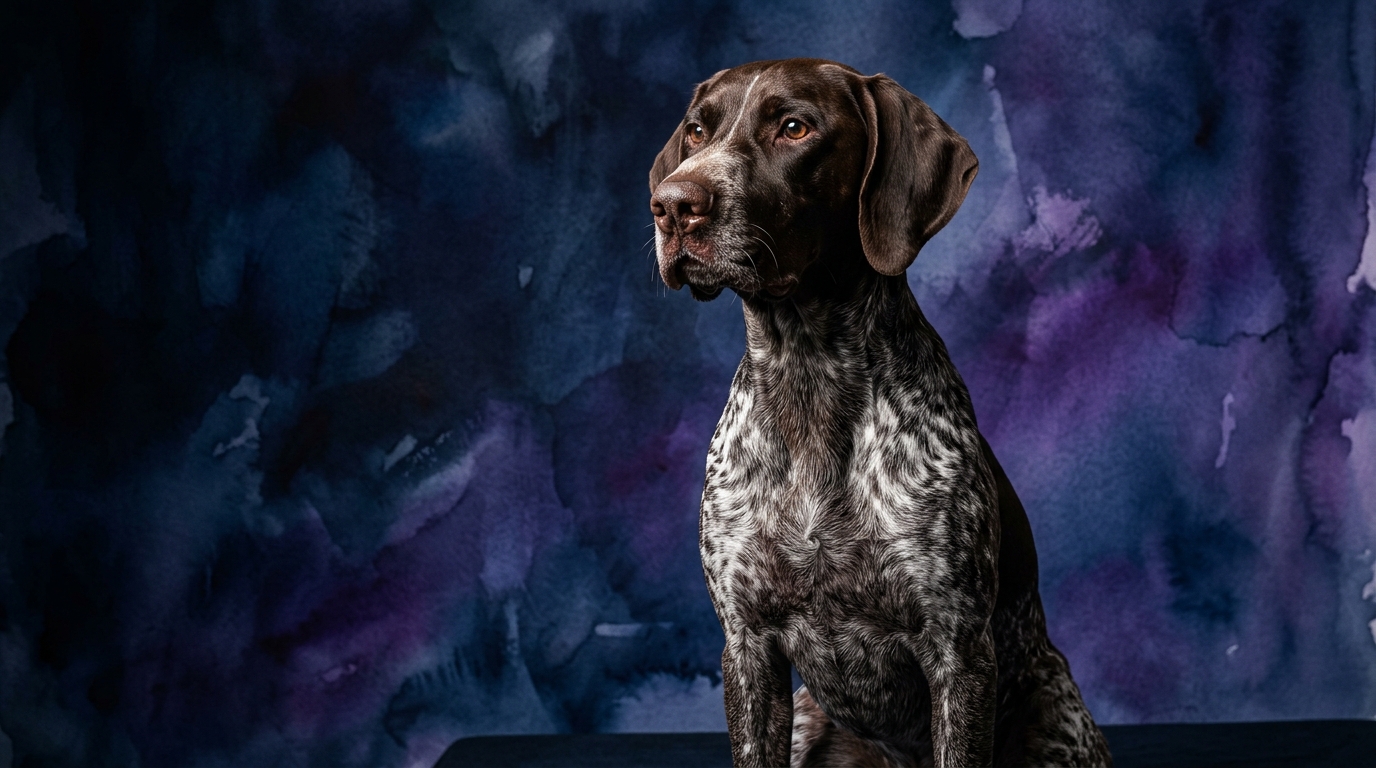
The Cosmic Pet Pet IQ Lab provides a comprehensive framework to understand canine intelligence across five critical dimensions. For the German Shorthaired Pointer (GSP), ranked #17 by Coren, its profile reflects a mind built for purpose and action. It scores 5/5 in Problem Solving, demonstrating an exceptional capacity to navigate complex situations and devise solutions. Its Training Speed is 4/5, indicating a quick grasp of new commands, often requiring fewer repetitions. Social Intelligence stands at 4/5, showing competence in reading human cues, though perhaps less overtly people-focused than some breeds. A powerful Instinctive Drive earns it 5/5, reflecting a strong inherent motivation for hunting, tracking, and physical activity. Finally, its Memory is 4/5, signifying efficient retention of learned information and experiences.
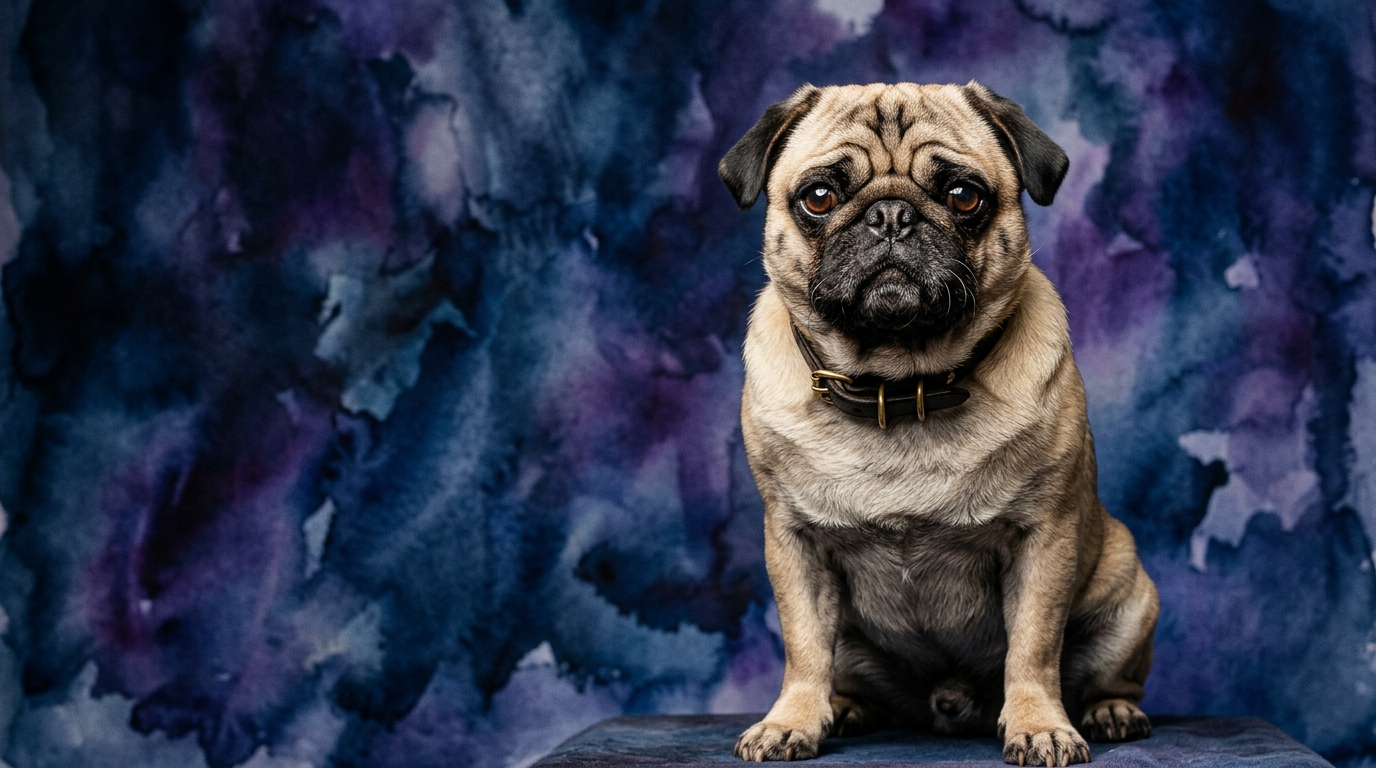
In contrast, the Pug, ranked #57 by Coren, presents a cognitive profile geared towards companionship and interaction. Its Problem Solving ability is rated 2/5, suggesting a tendency to rely more on established routines or human intervention rather than independent strategic thinking. Training Speed is also 2/5, meaning it may require more patience and repetition to solidify new commands, exhibiting a more deliberate learning pace. However, the Pug truly shines in Social Intelligence, scoring a perfect 5/5, excelling at understanding and responding to human emotional states and social cues, often seeking close interaction. Its Instinctive Drive is a modest 2/5, primarily oriented towards companionship rather than independent tasks like hunting or herding. Its Memory is 3/5, indicating an adequate ability to recall learned information, though perhaps not with the same precision or longevity as breeds with higher scores.
Where the German Shorthaired Pointer Excels Cognitively
The German Shorthaired Pointer's cognitive strengths are deeply rooted in its heritage as a versatile hunting dog. Its 5/5 Problem Solving isn't merely about abstract puzzles; it's about practical application in dynamic environments, such as navigating varied terrain, tracking elusive scents, or adapting hunting strategies on the fly. This translates into a remarkable ability to make quick, effective decisions in novel or challenging situations, demonstrating an independent and adaptive mind.
Complementing this, the GSP's 5/5 Instinctive Drive is more than just physical energy; it’s a profound cognitive engagement with its surroundings. This drive fuels a constant scanning, processing of sensory input, and anticipation of environmental changes, leading to intense focus and persistence in tasks. The 4/5 Training Speed means GSPs form associations rapidly, making complex, multi-step commands achievable, while their 4/5 Memory ensures these skills are retained efficiently, even after extended periods without practice. For instance, a GSP learning an intricate agility course or complex field commands will typically progress much faster and with greater precision than many other breeds.
Where the Pug Excels Cognitively
The Pug's cognitive prowess lies squarely in its exceptional Social Intelligence, scoring a perfect 5/5. This isn't simply 'being friendly'; it's a sophisticated ability to interpret subtle human cues—facial expressions, body language, and tone of voice—often anticipating an owner's moods or desires without explicit commands. Pugs are masters of human-canine communication, excelling at fostering emotional bonds and maintaining social harmony within a household.
While they may not be solving complex environmental problems, Pugs effectively 'solve' social problems by offering comfort, seeking interaction, and adapting their behavior to elicit positive human responses. Their cognitive strength is in their attunement to their human companions, making them profoundly empathetic and responsive. For example, a Pug might intuitively comfort a crying owner or subtly nudge for attention when sensing a lull in interaction, demonstrating an advanced capacity for social awareness and emotional connection that defines their unique intelligence.
Ease of Training: GSP vs. Pug
When it comes to formal training, the German Shorthaired Pointer generally presents as the more trainable breed for complex tasks due to its superior Problem Solving (5/5), Training Speed (4/5), and powerful Instinctive Drive (5/5). GSPs are highly motivated by purpose and learn with remarkable efficiency. Their natural eagerness to work and physical stamina mean they grasp concepts quickly and retain them, making them excellent candidates for advanced obedience, dog sports, or specific working roles where precision and consistency are key. They thrive on challenges and find satisfaction in mastering new skills, channeling their inherent drive into productive learning.
The Pug, with its lower Problem Solving (2/5) and Training Speed (2/5), can be more challenging for traditional obedience training. They may require more repetition, shorter training sessions, and a consistent, highly positive reinforcement approach. Their primary motivation often stems from companionship and comfort rather than task completion or an intrinsic drive to perform. While their high Social Intelligence (5/5) means they generally want to please their human, this desire can sometimes be overshadowed by a lack of intrinsic drive for the *task itself* or a lower tolerance for repetitive drills. Therefore, training a Pug often requires more patience, creativity, and a focus on making learning a fun, socially rewarding experience.
Matching Breeds to Lifestyles: Active vs. Relaxed Owners
The German Shorthaired Pointer is an ideal match for active owners whose lifestyles include extensive outdoor activities, dog sports, or hunting. Their 5/5 Instinctive Drive and 5/5 Problem Solving mean they require significant mental and physical engagement to thrive. Owners who enjoy long hikes, running, cycling, agility, field trials, or even just consistent, vigorous play sessions will find a GSP to be an enthusiastic and tireless companion. Without sufficient outlets for their cognitive and physical energy, a GSP may become bored, potentially manifesting in undesirable behaviors; therefore, an owner must be prepared to provide consistent stimulation.
Conversely, the Pug, with its 5/5 Social Intelligence and 2/5 Instinctive Drive, is perfectly suited for more relaxed owners seeking a devoted companion whose primary needs are social interaction and moderate, leisurely exercise. Pugs thrive in a home environment where their social needs are met through cuddles, quiet companionship, and short, gentle strolls around the neighborhood. Their cognitive profile aligns with a less demanding, more emotionally focused lifestyle, making them excellent companions for individuals or families who value close proximity and emotional connection over strenuous physical activity or complex training regimens.
The Verdict
Select a German Shorthaired Pointer if you seek a highly engaged, purpose-driven canine partner for outdoor adventures, complex training, and demanding activities. Their sharp problem-solving and powerful instinctive drive require an owner ready to provide consistent mental and physical challenges.
Opt for a Pug if your lifestyle prioritizes close companionship, emotional connection, and a more relaxed pace, valuing a dog whose cognitive strength lies in social attunement. They flourish with owners who appreciate their charming nature and lower exercise requirements.
🧠 Find Your Pet's IQ Score
Our Pet IQ Lab assessment covers 25+ tests across 5 cognitive dimensions — personalized to your breed.
Take the Full IQ Test →Frequently Asked Questions
Is a German Shorthaired Pointer difficult to live with if not given enough mental stimulation?
Yes, a GSP's 5/5 problem-solving and 5/5 instinctive drive mean they require significant mental engagement. Without adequate outlets, they may invent their own 'problems' to solve, potentially leading to undesirable behaviors like excessive chewing or digging. Consistent training and stimulating activities are crucial for their well-being.
Do Pugs learn tricks easily despite their lower training speed score?
While Pugs have a 2/5 training speed, their 5/5 social intelligence means they are often motivated by pleasing their human companions. They can certainly learn tricks, but it may require more patience, shorter training sessions, and consistent positive reinforcement tailored to their desire for interaction rather than task mastery.
How does Coren rank relate to these specific IQ dimensions?
Stanley Coren's ranking primarily assesses 'working and obedience intelligence,' which correlates strongly with 'training speed' and 'problem-solving' in our IQ Lab dimensions. A higher Coren rank, like the GSP's #17, indicates a breed that generally grasps commands faster and executes them more reliably, reflecting a blend of those cognitive strengths. The Pug's #57 rank suggests a more deliberate learning pace for obedience tasks.