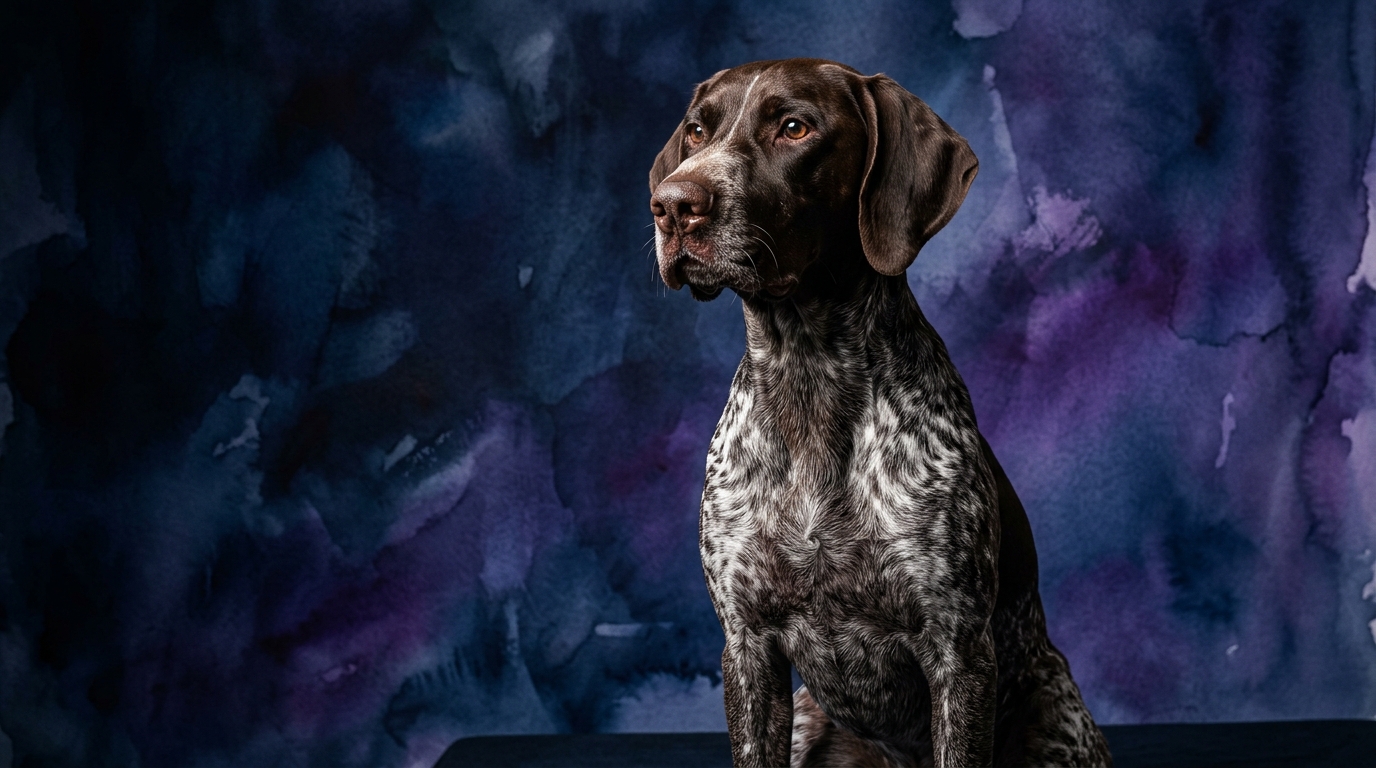
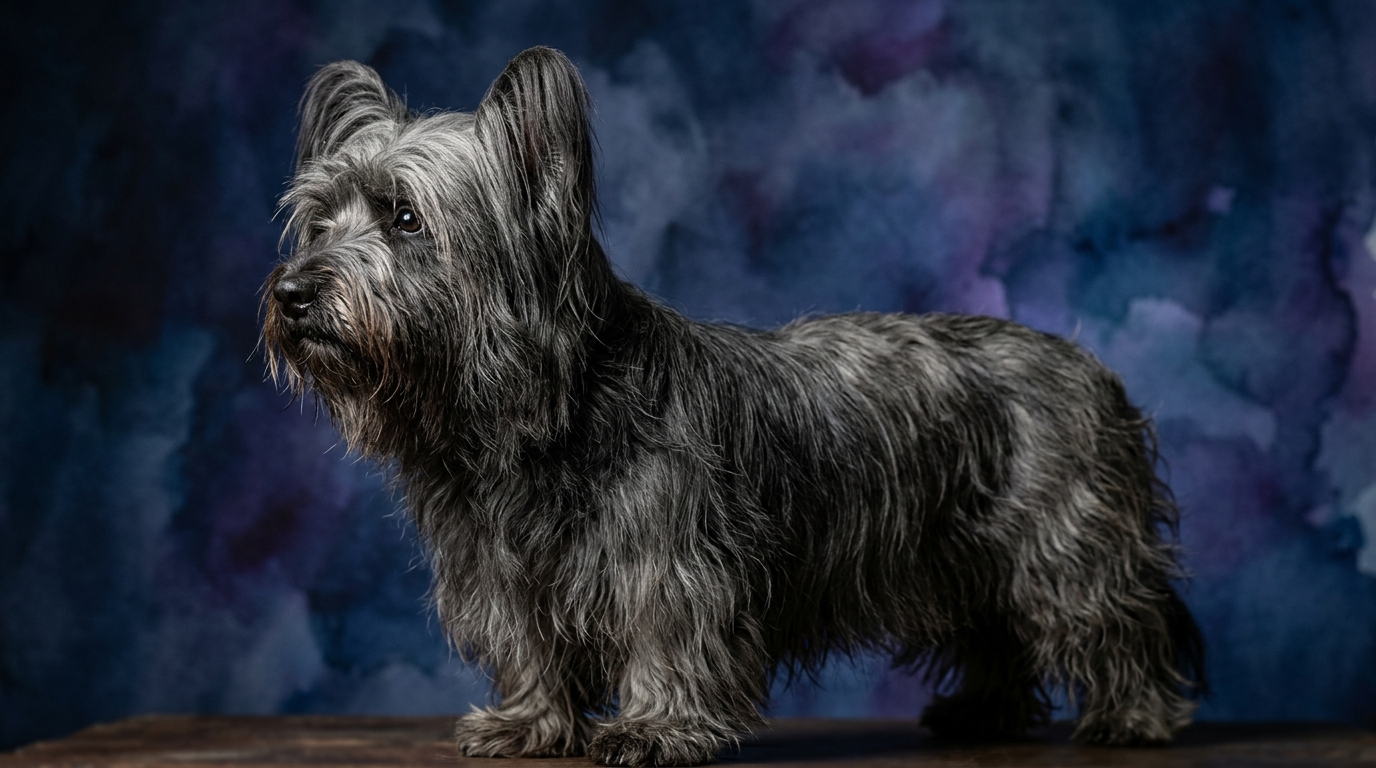
Side-by-Side Cognitive Profiles
The German Shorthaired Pointer (GSP), a quintessential sporting breed, exhibits a cognitive architecture finely tuned for collaborative hunting. Its Problem Solving at 5/5 reflects an exceptional capacity to navigate complex terrains, track elusive game, and strategize retrieval, often adapting to unpredictable environmental cues. A Training Speed of 4/5 indicates a quick grasp of new commands and sequences, crucial for field work where rapid learning and obedience are paramount. Social Intelligence, also rated at 4/5, underscores its strong inclination to work in tandem with a human handler, interpreting subtle cues and responding cooperatively. The GSP's Instinctive Drive is a powerful 5/5, manifesting as an unyielding desire to hunt, point, and retrieve, driven by innate predatory behaviors. Finally, a Memory score of 4/5 suggests a robust ability to recall training, specific commands, and even the locations of fallen game, contributing to its reliability in the field.
In contrast, the Skye Terrier, a breed shaped by its history of independent vermin control, presents a distinct cognitive profile. Its Problem Solving at 3/5 suggests a practical, often persistent approach to challenges, particularly those involving navigating tight spaces or outsmarting small prey rather than complex, multi-variable tasks. A Training Speed of 3/5 indicates a capacity for learning, though perhaps at a more deliberate pace, often requiring consistent and patient reinforcement due to its inherent self-reliance. Social Intelligence, also at 3/5, reflects a tendency towards independent decision-making; while affectionate, the Skye may be less inclined to seek constant human direction compared to a highly cooperative working dog. Its Instinctive Drive of 3/5 is focused and intense, primarily directed at quarry, exhibiting less generalized 'work ethic' and more specific determination. A Memory score of 3/5 implies competence in retaining learned information, though perhaps not with the same breadth or immediate recall as breeds designed for extensive command repertoires.
Where the German Shorthaired Pointer Excels Cognitively
The German Shorthaired Pointer's cognitive strengths lie in its exceptional ability to process and act upon complex, dynamic information, making it a master of adaptable problem-solving. Its 5/5 Problem Solving score isn't just about figuring things out; it's about rapidly assessing changing environmental conditions—like shifting wind patterns affecting scent trails or the movement of game—and adjusting its strategy on the fly. This breed excels at intricate tasks requiring sequential steps and decision trees, such as executing a blind retrieve across varied terrain after a series of hand signals and verbal commands. The GSP's high social intelligence further amplifies this, allowing it to seamlessly integrate handler input into its problem-solving process, resulting in a collaborative efficiency that few breeds match. Its superior memory, paired with its drive, means it learns elaborate routines quickly and retains them, making it exceptionally reliable for advanced obedience, agility, or field trials where precision and recall are paramount.
Where the Skye Terrier Shows Its Unique Cognitive Strengths
While the Skye Terrier's scores might appear lower across the board, its cognitive profile is exquisitely adapted for its specific historical purpose, showcasing a different kind of operational excellence. The Skye's 3/5 Problem Solving isn't a deficit in intelligence but a specialization in tenacious, independent resolution of focused tasks, particularly those involving persistence and determination. These dogs excel at single-minded pursuits, such as systematically clearing a confined space of vermin or navigating a complex burrow system, where brute force problem-solving and unyielding drive are more valuable than collaborative strategy. Their moderate instinctive drive, when focused, translates into a profound, unwavering commitment to a task, often ignoring distractions that might deter a more socially-driven dog. The Skye Terrier's cognitive strength lies in its resolute self-sufficiency; it's a dog that thinks for itself within its domain, exhibiting a focused memory for areas of interest and a determination to see a self-assigned mission through to its conclusion, without requiring constant human affirmation or guidance.
Ease of Training: Behavioral Differences
When it comes to ease of training, the German Shorthaired Pointer undeniably holds an advantage due to its inherent cognitive makeup designed for human partnership. Its 4/5 Training Speed means it absorbs new commands and concepts with remarkable quickness, often picking up complex routines in fewer repetitions than many other breeds. This speed is complemented by its 4/5 Social Intelligence, which fosters a natural desire to cooperate and please its handler, making it highly receptive to positive reinforcement and eager to engage in training sessions. GSPs are typically keen to work alongside humans, viewing training as a collaborative activity and a chance to utilize their considerable physical and mental energy. Their strong memory further aids in retaining a vast repertoire of commands and cues, leading to a highly responsive and adaptable companion. Conversely, the Skye Terrier presents a more nuanced training experience. Its 3/5 Training Speed suggests a learning curve that requires more patience and consistency. The Skye's 3/5 Social Intelligence and independent nature mean it might not inherently seek to please its handler in the same way a GSP does; instead, it often requires a stronger incentive or a clear understanding of 'what's in it for me.' This breed can exhibit a characteristic terrier stubbornness, rooted in its history of independent decision-making during hunts. Successful training with a Skye often involves creative motivation, short, engaging sessions, and a firm yet gentle hand to build trust and respect, rather than relying on an innate desire for cooperative work.
Matching Breeds to Owner Lifestyles: Active vs. Relaxed
The choice between a GSP and a Skye Terrier largely hinges on an owner's lifestyle and their capacity for canine engagement. The German Shorthaired Pointer is unequivocally suited for active owners. Its 5/5 Instinctive Drive translates into a profound need for regular, vigorous exercise and mental stimulation that taps into its hunting heritage. These dogs thrive when given a 'job,' whether it's daily long runs, field training, hunting, agility, or other demanding canine sports. Owners who enjoy spending significant time outdoors, who are committed to extensive training, and who can provide consistent outlets for physical and mental energy will find the GSP to be an unparalleled companion. A GSP without sufficient activity will likely channel its energy into undesirable behaviors, reflecting its high drive and problem-solving skills being misdirected. The Skye Terrier, while not a couch potato, generally suits owners with a more relaxed pace, provided they understand and cater to its specific needs. Its moderate instinctive drive (3/5) means it doesn't demand the same marathon-level exercise as a GSP, but it still requires consistent daily walks and opportunities for focused mental engagement. Relaxed owners who appreciate a dignified, less overtly demanding companion will find the Skye appealing. However, 'relaxed' for a Skye owner doesn't mean neglecting mental stimulation; they need structured play, puzzle toys, and consistent, fair training to keep their keen terrier minds occupied and to manage their independent streak. They are not content to be ignored but prefer quality interaction over constant high-octane activity.
The Verdict
Choose a German Shorthaired Pointer if you seek a highly cooperative, energetic partner for demanding outdoor activities, advanced training, and a strong desire for human interaction in a collaborative role. This breed thrives with owners who can provide consistent mental and physical challenges, channeling its exceptional problem-solving and instinctive drives.
Opt for a Skye Terrier if you appreciate a steadfast, independent companion with a dignified demeanor, and are prepared to engage in patient, consistent training that respects its self-reliant nature. The Skye is best suited for owners who can provide focused mental stimulation and moderate physical activity, valuing a loyal presence over constant high-energy demands.
🧠 Find Your Pet's IQ Score
Our Pet IQ Lab assessment covers 25+ tests across 5 cognitive dimensions — personalized to your breed.
Take the Full IQ Test →Frequently Asked Questions
Is a German Shorthaired Pointer good for first-time dog owners?
A GSP can be suitable for first-time owners who are committed to providing extensive training, socialization, and a significant outlet for their high energy and drive. Their eagerness to please and trainability are assets, but their demanding nature requires dedication to prevent behavioral issues.
Do Skye Terriers shed a lot?
Skye Terriers are considered moderate to low-shedders, but they do require regular grooming to maintain their long, flowing double coat and prevent matting. Weekly brushing is essential, along with occasional professional grooming, to keep their distinctive appearance in top condition.
What kind of mental stimulation do Skye Terriers need?
Skye Terriers benefit from mental stimulation that engages their problem-solving skills and satisfies their terrier instincts, such as puzzle toys, scent work games, and consistent, varied obedience training. Engaging them in activities that allow them to "think" and use their focused drive, even in a home environment, is crucial.