Side-by-Side Cognitive Profiles: GSP vs. Standard Schnauzer
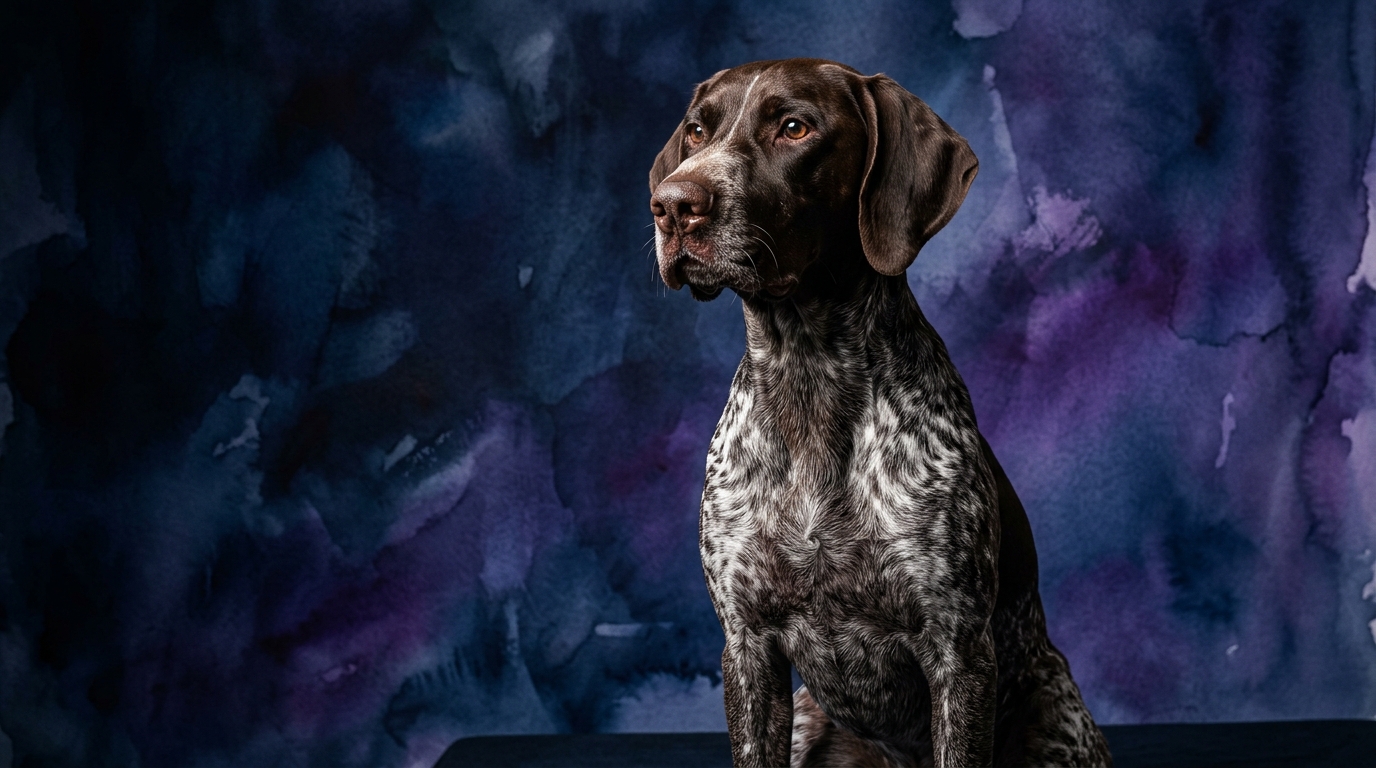
The German Shorthaired Pointer (GSP), a Sporting group member with a Coren rank of #17, exhibits a cognitive profile tailored for dynamic field work. Its Problem Solving is rated an exceptional 5/5, indicating a strong capacity for innovative thought and adapting to complex situations. Training Speed stands at 4/5, suggesting a quick grasp of new commands, though their high drive requires focused direction. Social Intelligence is 4/5, reflecting an ability to read and respond to human cues, fostering strong partnerships. An Instinctive Drive of 5/5 underscores their boundless energy and innate desire to hunt and work, while Memory at 4/5 ensures retention of complex routes and learned behaviors.
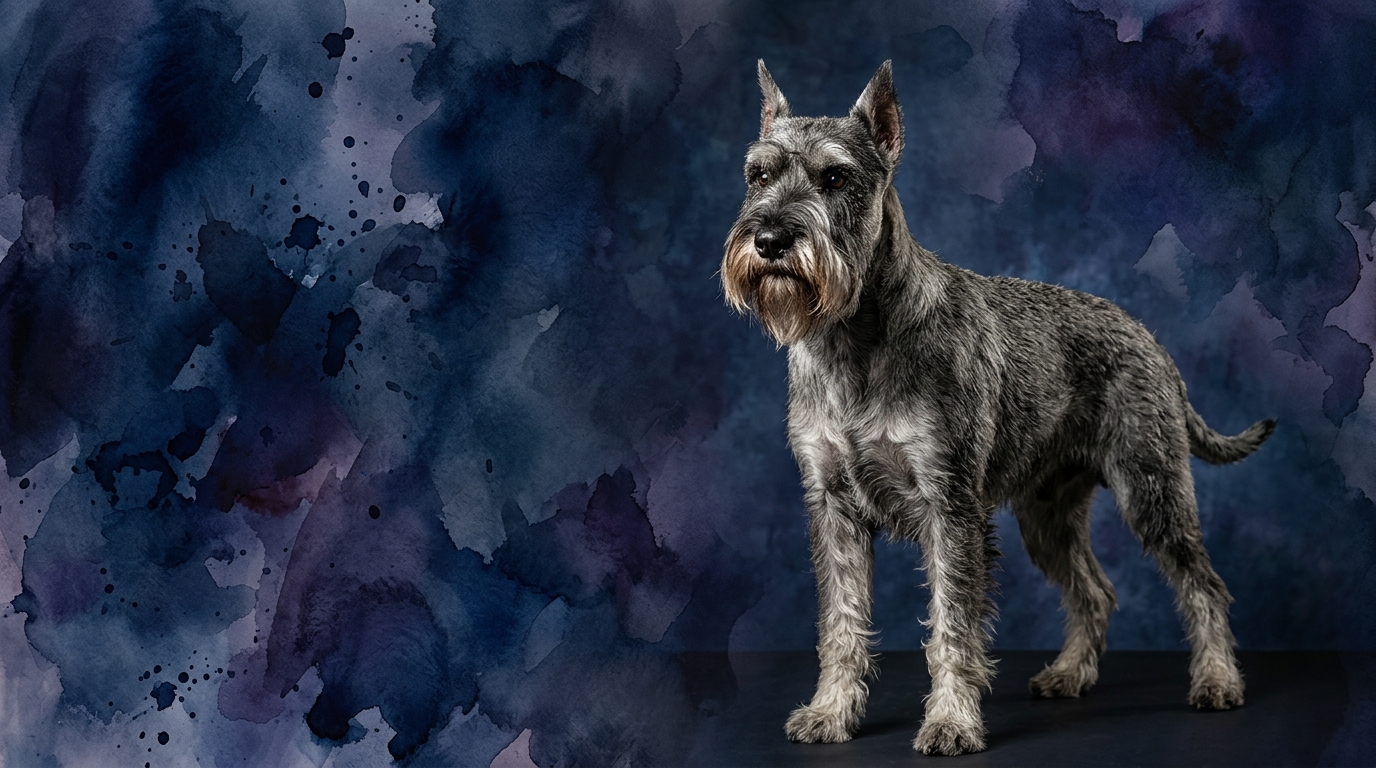
In contrast, the Standard Schnauzer, hailing from the Working group and ranked #22 by Coren, presents a robust yet distinct intellectual makeup. Its Problem Solving is rated 4/5, indicating resourcefulness and practical intelligence, albeit with a potentially less spontaneous approach than the GSP. Training Speed matches the GSP at 4/5, showing they are responsive learners, though their independent streak may require more consistent reinforcement. Social Intelligence is 3/5, suggesting a more reserved or selective nature in their interactions, valuing strong bonds but potentially less overtly expressive. Their Instinctive Drive is 3/5, focusing on protective and guarding behaviors rather than high-speed pursuit, and Memory is also 4/5, enabling them to retain training and experiences effectively for their duties.
Where the German Shorthaired Pointer Excels Cognitively
The GSP's cognitive strengths shine particularly in scenarios demanding rapid, adaptive thinking and intense physical engagement. Their 5/5 Problem Solving means they are adept at devising novel solutions to environmental puzzles, navigating challenging terrain, or strategizing during a hunt, often with minimal handler input once a task is understood. This superior cognitive flexibility allows them to excel in complex field trials or agility courses where quick, independent decisions are paramount.
Furthermore, the GSP's combined 4/5 Social Intelligence and 5/5 Instinctive Drive create a powerful synergy. Their ability to keenly observe and interpret human body language and vocal cues (social intelligence) means they are highly attuned partners, capable of working collaboratively in demanding environments. This social acuity, coupled with an almost inexhaustible drive, makes them exceptionally responsive to direction while simultaneously possessing the inherent motivation to pursue tasks with relentless enthusiasm, making them masters of endurance-based, cooperative work.
Where the Standard Schnauzer Excels Cognitively
The Standard Schnauzer's cognitive strengths are rooted in their working heritage, emphasizing reliability, persistence, and a discerning nature. While their Problem Solving is 4/5 compared to the GSP's 5/5, their approach is often characterized by sturdy, practical solutions rather than spontaneous innovation. This translates to an ability to methodically work through challenges, especially those requiring consistency and vigilance, such as patrolling a property or mastering intricate obedience routines over time. Their memory, also 4/5, supports this by ensuring deep retention of learned sequences and expectations.
The Schnauzer's 3/5 Social Intelligence, while lower than the GSP, contributes to a more independent and focused demeanor. They are less swayed by external distractions and form deep, selective bonds, making them highly reliable guardians who prioritize their immediate family. Their 3/5 Instinctive Drive, while not as explosive as the GSP's, is channeled into persistent watchfulness and protective behaviors, allowing them to maintain focus on their duties without the same level of intense, continuous physical output required by a high-prey-drive breed. This focused persistence makes them excellent at tasks requiring endurance and self-reliance, such as guarding or sustained tracking.
Training Dynamics: Which Breed is Easier?
Both breeds boast a 4/5 Training Speed, indicating a general readiness to learn. However, their distinct social intelligence and instinctive drives create different training experiences. The German Shorthaired Pointer, with its 4/5 Social Intelligence and 5/5 Instinctive Drive, often appears to be an easier trainee due to an overt eagerness to please and an inherent desire for activity. They are quick to pick up commands and thrive on positive reinforcement that incorporates movement and purpose. Their high social attunement means they are often very responsive to subtle cues from their handler, making them excellent candidates for advanced dog sports. However, their intense instinctive drive means that training must consistently channel their energy and focus, or they can easily become distracted by environmental stimuli like scent or movement, leading to self-rewarding behaviors such as chasing.
The Standard Schnauzer, also with a 4/5 Training Speed, combined with a 3/5 Social Intelligence and 3/5 Instinctive Drive, requires a different training approach. They are intelligent and capable learners, but their independence can sometimes be perceived as stubbornness. They may not display the same overt enthusiasm as a GSP and often need a handler who can clearly articulate the 'why' behind a command or task. Consistency, clear rules, and patience are paramount to building trust and cooperation. Once they understand and respect their handler, they are incredibly loyal and reliable, retaining their training with impressive consistency due to their 4/5 memory. They might take slightly longer to achieve precision in certain exercises if they don't immediately see the value, but once learned, their performance is typically steadfast.
Matching Breeds to Lifestyles: Active Pursuits vs. Steadfast Companionship
For owners seeking an intensely active, collaborative partner for high-energy pursuits, the German Shorthaired Pointer is an exceptional match. Their 5/5 Instinctive Drive and 5/5 Problem Solving make them ideal for activities such as hunting, competitive agility, long-distance running, or skijoring. These dogs thrive when given a 'job' that engages both their physical prowess and their sharp intellect daily. An owner who enjoys spending hours outdoors, exploring new terrains, and actively participating in dog sports will find the GSP to be an unparalleled companion, always ready for the next adventure and eager to work alongside their human.
While neither breed is suited for truly 'relaxed' owners in the sedentary sense, the Standard Schnauzer might be a more fitting choice for those seeking a robust, loyal companion with a strong work ethic but perhaps a less continuously explosive energy output than the GSP. Their 3/5 Instinctive Drive means they still require regular, structured exercise and mental stimulation – consistent walks, obedience training, and engaging puzzle toys are essential. However, their energy is often more manageable in a domestic setting, and they excel in roles requiring vigilance and protective instincts. Owners who appreciate a dog with a discerning personality, who forms deep bonds and offers steadfast companionship, and who can provide consistent structure and engaging activities, will find the Standard Schnauzer a rewarding and devoted partner.
The Verdict
Choose the German Shorthaired Pointer if you seek a highly collaborative, physically tireless partner for demanding outdoor adventures and complex dog sports, valuing their innovative problem-solving and intense drive.
Opt for the Standard Schnauzer if you desire a steadfast, discerning companion with a strong protective instinct, valuing their practical intelligence and enduring loyalty for consistent, structured activities.
🧠 Find Your Pet's IQ Score
Our Pet IQ Lab assessment covers 25+ tests across 5 cognitive dimensions — personalized to your breed.
Take the Full IQ Test →Frequently Asked Questions
Which breed is better for first-time dog owners?
Neither the GSP nor the Standard Schnauzer is typically recommended for inexperienced first-time owners due to their strong working drives and need for consistent training and socialization. However, an owner committed to learning and providing structured engagement might find the GSP's eagerness to please slightly more forgiving, while the Schnauzer requires a confident, consistent leader to navigate their independent streak.
Do German Shorthaired Pointers and Standard Schnauzers get along with other pets?
German Shorthaired Pointers, with their high prey drive, can sometimes pose a challenge with smaller pets unless thoroughly socialized from a young age. Standard Schnauzers can generally coexist with other pets if introduced properly and raised together, though their protective nature might lead to some initial wariness, especially with unfamiliar dogs.
What kind of mental stimulation do these breeds need daily?
Both breeds require substantial daily mental stimulation. GSPs thrive on activities like scent work, advanced obedience, and puzzle toys, engaging their high problem-solving skills and instinctive drive. Standard Schnauzers benefit from consistent training sessions, trick learning, and interactive toys that challenge their practical intelligence and provide purpose, reinforcing their steadfast nature.