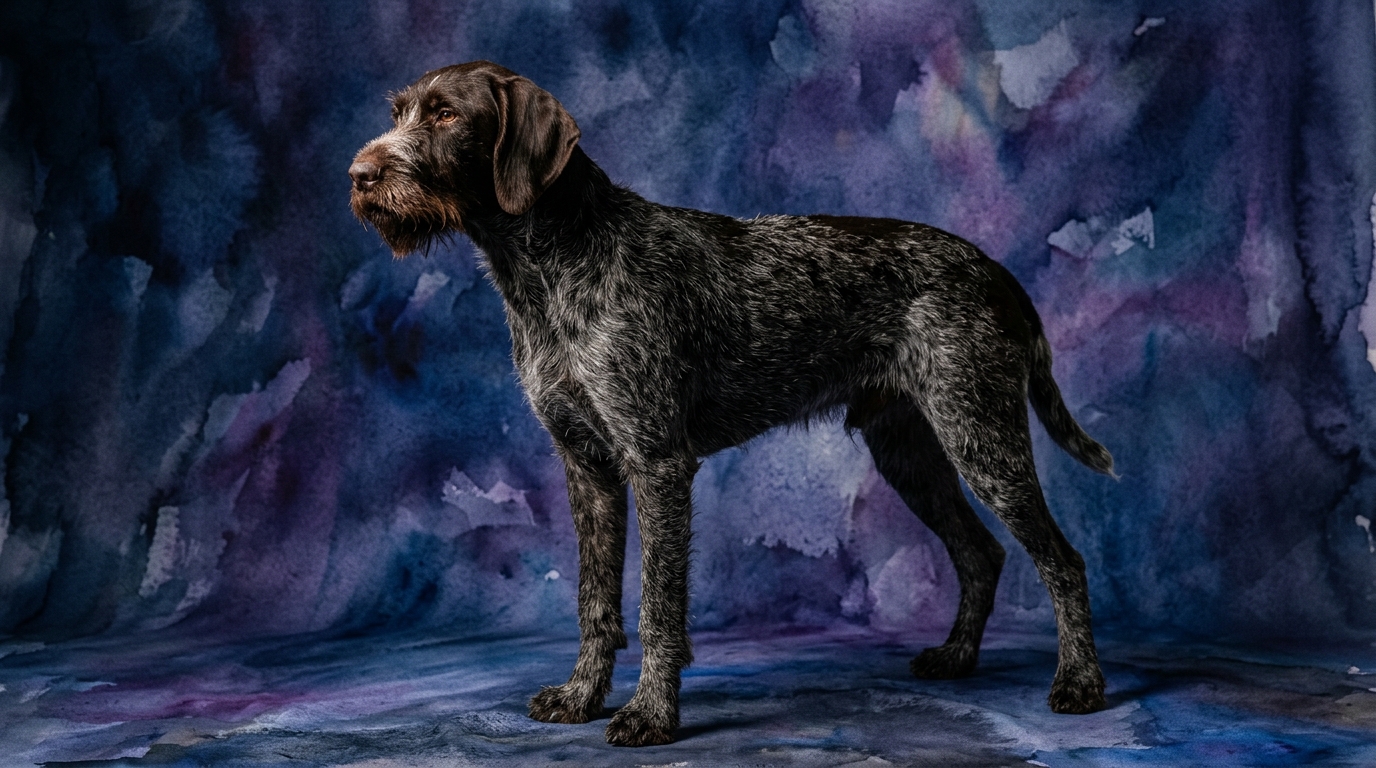
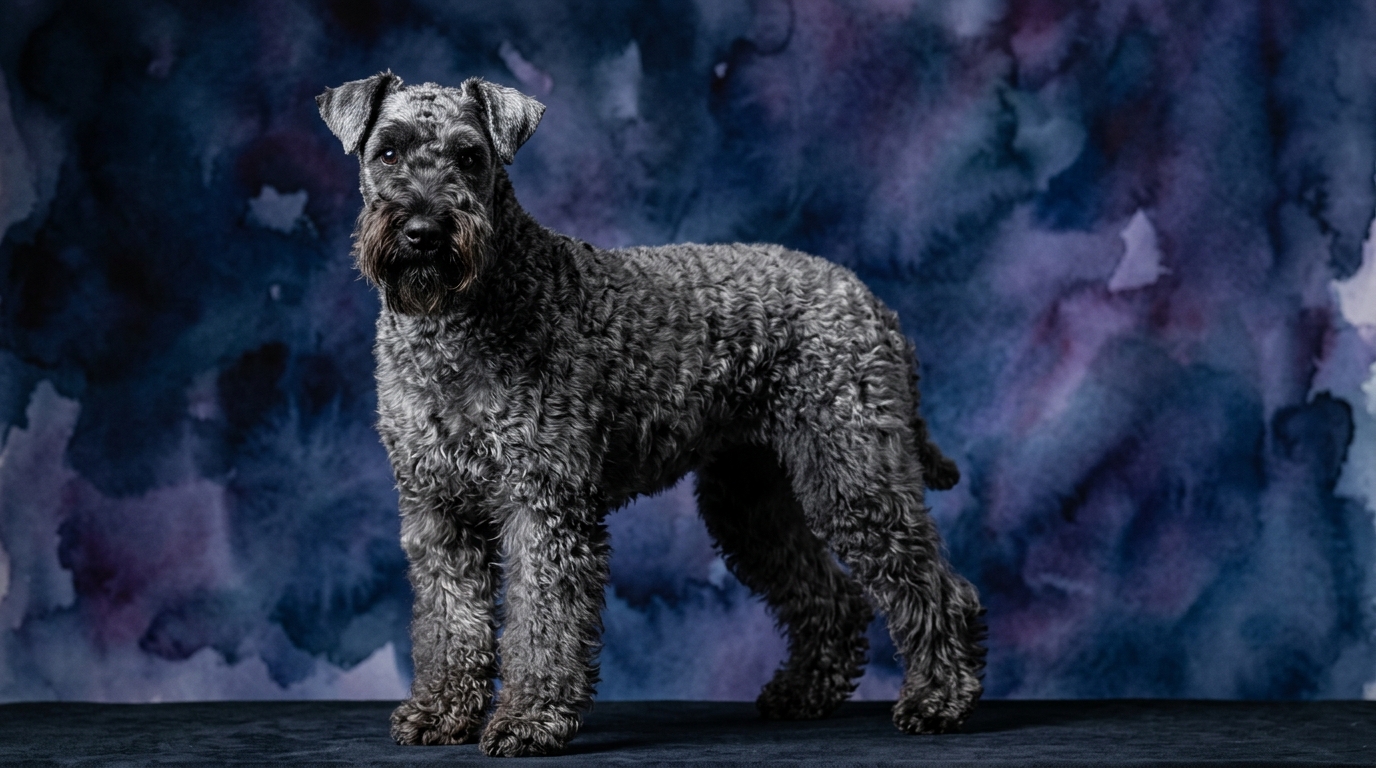
Side-by-Side IQ Profile: GWP vs. KBT
The Cosmic Pet Pet IQ Lab employs a five-dimensional framework to assess canine intelligence, moving beyond simplistic notions of 'smartness' to evaluate specific cognitive strengths. For the German Wirehaired Pointer, its profile includes a robust Problem Solving score of 4/5, indicating a strong capacity for independent thought and figuring out novel situations, crucial for its hunting roles where quick decisions are needed in varied terrain and often far from handler direction. Its Training Speed, also at 4/5, suggests a dog eager to learn and quick to grasp new commands and routines, making it generally highly responsive to instruction and capable of mastering complex tasks efficiently. The GWP's Social Intelligence sits at 3/5, a balanced score meaning it understands and responds to human cues adequately, but might not be as overtly people-focused or sensitive to subtle social dynamics as some other breeds, preferring a more task-oriented interaction. Its Instinctive Drive, rated at 3/5, indicates a purpose-driven nature rooted in its hunting heritage, which is present and influential but perhaps not as overwhelming or singularly focused as breeds with a 5/5 drive, making it manageable with appropriate outlets. Finally, a Memory score of 4/5 points to a solid ability to recall past experiences, learned commands, and locations, which is invaluable for consistent performance in complex field work and long-term retention of training.
In contrast, the Kerry Blue Terrier presents a uniformly strong yet distinct cognitive profile. Its Problem Solving score of 3/5 suggests a capable problem-solver, able to navigate challenges and figure things out, but perhaps not with the same rapid ingenuity or strategic depth as a GWP; they might take a more direct or trial-and-error approach when faced with a novel puzzle. Similarly, its Training Speed at 3/5 indicates an average pace of learning, meaning they can be trained effectively and learn a wide range of commands, but might require more repetition or varied approaches than a faster-learning breed, with consistency being paramount. The KBT's Social Intelligence, also at 3/5, mirrors the GWP in suggesting a reasonable understanding of social cues, but they may prioritize their own agenda or have a more independent social style typical of terriers, forming deep bonds but often on their own terms. Its Instinctive Drive, rated 3/5, reflects their terrier heritage for hunting vermin, manifesting as determination, tenacity, and a strong prey drive, which is a significant force but not an uncontrollable one when properly managed. Lastly, a Memory score of 3/5 suggests a functional ability to recall commands and routines, but perhaps not the exceptional recall for complex sequences or subtle details seen in breeds with higher scores, meaning regular refreshers can be beneficial for maintaining peak performance.
Where the German Wirehaired Pointer Wins Cognitively
The German Wirehaired Pointer's cognitive advantages are evident in several key areas. Its superior Problem Solving score of 4/5, compared to the Kerry Blue Terrier's 3/5, means the GWP can adapt to new hunting scenarios, strategize retrieving tasks, and troubleshoot environmental obstacles with greater alacrity and less direct human intervention. This makes them more likely to independently figure out how to open a gate, retrieve a toy from a difficult spot, or navigate a complex scent trail without excessive prompting. Furthermore, the GWP's faster Training Speed of 4/5 against the KBT's 3/5 signifies a quicker uptake of commands and concepts. This translates into less repetition needed during training sessions, allowing them to master a broader repertoire of complex tasks, from advanced obedience to intricate field trial maneuvers, more efficiently. Their strong memory (4/5 versus 3/5) further solidifies this advantage, enabling them to retain complex sequences of commands, remember specific bird locations over time, and recall training cues even after long breaks, contributing significantly to their reliability and consistent performance in demanding situations.
Where the Kerry Blue Terrier Wins Cognitively
While the Kerry Blue Terrier's individual cognitive scores are generally not higher than the GWP's, its unique combination of 3/5 in Problem Solving, Training Speed, and Instinctive Drive fosters a distinctive independent streak and tenacious spirit that can be a 'win' for owners who appreciate a dog with strong self-reliance. Their moderate Instinctive Drive, while not as high as some working breeds, is channeled into a persistent, determined focus on tasks that engage their terrier instincts, such as digging, chasing, or guarding. This focused persistence, even if not always aligned with human goals, demonstrates a specific type of cognitive strength: unwavering commitment to a self-appointed task. This can translate into a dogged determination to solve a puzzle or achieve a goal, even if it takes more time. Moreover, their 3/5 Social Intelligence means they are perfectly capable of forming strong bonds and understanding human cues while maintaining a certain dignified independence. This balance can be a cognitive advantage for owners who value a companion that is present and connected, yet also self-possessed and not overly demanding of constant interaction or validation, offering a partnership built on mutual respect for each other's space and individuality.
Which is Easier to Train and Why
When assessing ease of training, the German Wirehaired Pointer generally presents as the more straightforward student. Its 4/5 Training Speed indicates an inherent eagerness to work collaboratively and a quicker grasp of new concepts, meaning GWP's are often more responsive to conventional training methods and pick up commands with fewer repetitions. Their superior memory (4/5) further ensures that once learned, commands are retained reliably, making for a consistent and dependable learner. This breed typically thrives on positive reinforcement and clear directives, quickly understanding what is expected of them and performing tasks with enthusiasm.
In contrast, the Kerry Blue Terrier's 3/5 in both Training Speed and Problem Solving indicates a capable but often more deliberate and independent learner. While certainly trainable, their terrier independence can sometimes translate into a 'what's in it for me?' attitude, requiring more patience, creativity, and motivational reinforcement from the trainer. KBTs may process information at a slightly slower pace and might be more inclined to offer their own interpretations of a command if not precisely motivated or if they perceive a more interesting alternative. Their training often benefits from varied approaches, short engaging sessions, and a deep understanding of their terrier tenacity, channeling it rather than trying to suppress it. Success with a KBT hinges on establishing a strong, trusting relationship and making training feel like a fun, rewarding game.
Which Suits Active Owners vs. Relaxed Owners
The German Wirehaired Pointer, with its sporting background, moderate instinctive drive (3/5), and strong cognitive abilities (4/5 Problem Solving, 4/5 Training Speed), is unequivocally better suited for active owners. These dogs thrive on structured activity that engages both their bodies and minds, such as hunting, hiking, agility, scent work, or competitive obedience. Their mental agility means they can quickly become bored and potentially destructive without sufficient intellectual stimulation and vigorous physical exercise. A relaxed owner might find their energy and persistent need for engagement overwhelming, leading to frustration for both dog and human. GWPs are partners in adventure and require an owner who can consistently meet their demands for purposeful activity.
The Kerry Blue Terrier, while possessing a moderate instinctive drive (3/5) typical of its terrier lineage and respectable cognitive scores (3/5 across the board), can adapt to a slightly less demanding routine compared to the GWP, though still requires regular engagement. Their independent nature means they might be content with a good daily walk, puzzle toys, and consistent mental challenges rather than requiring constant, high-octane physical exertion. They are not couch potatoes; their intensity is often channeled into bursts of activity and focused engagement rather than continuous, high-energy output. This makes them suitable for active owners who appreciate a dog with character and drive, but also for those who value a companion that can settle down after a good session of mental and physical exercise, without the same relentless demand for 'work' as a GWP. They enjoy being involved but are often satisfied with quality engagement over sheer quantity.
The Verdict
Select the German Wirehaired Pointer if you are an active individual or family seeking a highly trainable, intelligent partner for outdoor adventures, dog sports, or dedicated field work, valuing a dog that quickly grasps complex tasks and enjoys collaborative engagement.
Opt for the Kerry Blue Terrier if you appreciate a dog with a determined, independent spirit, capable of learning and problem-solving, and are prepared to engage their unique terrier drive with consistent, creative training, seeking a loyal companion that also enjoys its own space.
🧠 Find Your Pet's IQ Score
Our Pet IQ Lab assessment covers 25+ tests across 5 cognitive dimensions — personalized to your breed.
Take the Full IQ Test →Frequently Asked Questions
Is the German Wirehaired Pointer easier to live with for first-time dog owners?
The GWP's higher training speed and problem-solving scores often make it more responsive to instruction, which can be beneficial for novice owners willing to provide ample physical and mental stimulation. However, their strong drive requires consistent management and an understanding of their energy needs, making them best suited for committed first-time owners.
Do Kerry Blue Terriers require less exercise than German Wirehaired Pointers?
While both breeds need regular exercise, the Kerry Blue Terrier's activity might be characterized by bursts of intense play and focused engagement rather than the sustained, high-endurance demands of a GWP. A KBT can often be satisfied with vigorous daily walks and dedicated play sessions, whereas a GWP typically needs more extensive, structured activity to remain content.
How does the 'social intelligence' score impact interaction with family and strangers for these breeds?
Both breeds score 3/5 in social intelligence, suggesting they understand and respond to human cues adequately, forming strong bonds with their families while maintaining a degree of independence. They are generally not overly effusive with strangers, often preferring a more reserved or watchful approach, which is typical for their respective working backgrounds and independent natures.