A Detailed Look at Their Cognitive Dimensions
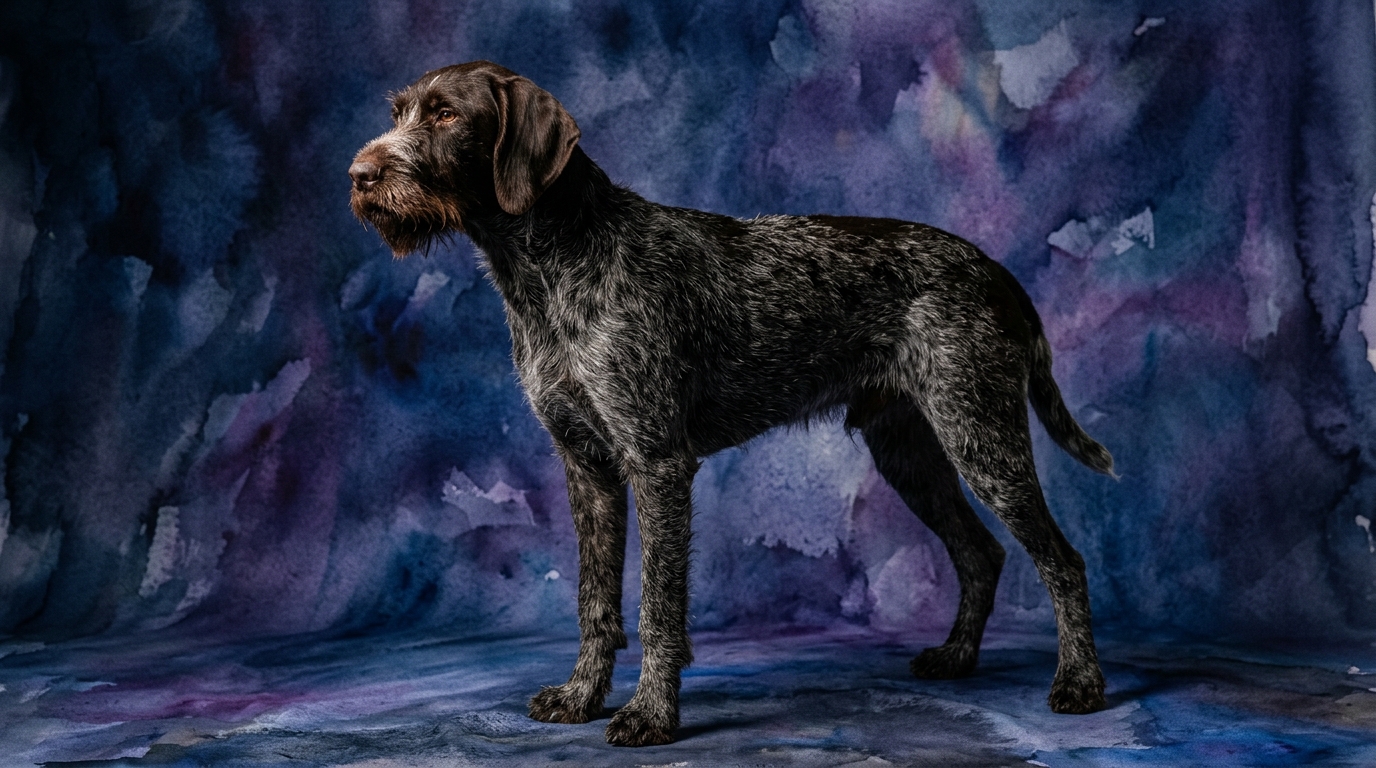
The Cosmic Pet Pet IQ Lab assesses canine intelligence across five key dimensions, providing a nuanced view beyond simple obedience. For the German Wirehaired Pointer, a Sporting Group member Coren-ranked at #28, their profile includes Problem Solving 4/5, Training Speed 4/5, Social Intelligence 3/5, Instinctive Drive 3/5, and Memory 4/5. This suggests a dog capable of complex thought, quick learning, and good retention of information, alongside a balanced social aptitude and moderate natural drive for its intended work.
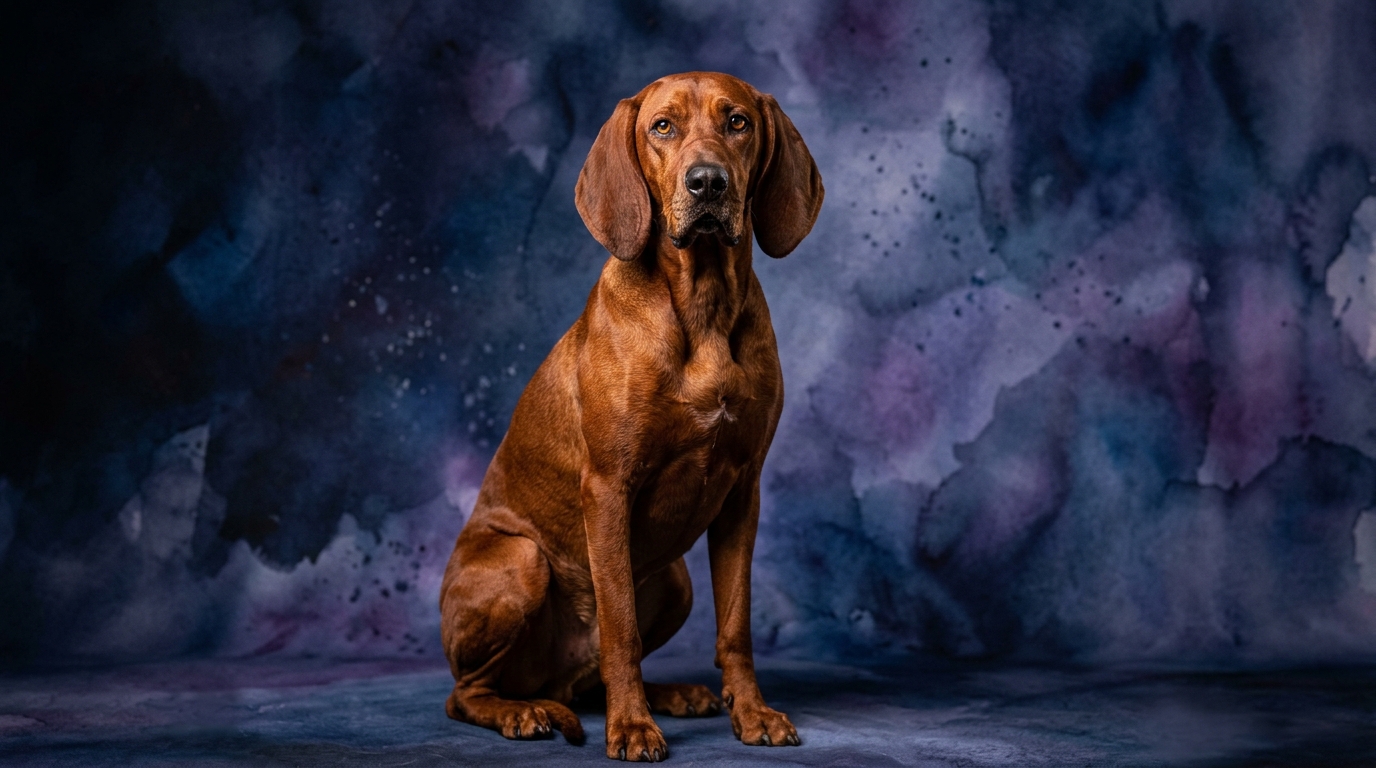
In contrast, the Redbone Coonhound, a member of the Hound Group and not Coren-ranked, presents a profile of Problem Solving 3/5, Training Speed 3/5, Social Intelligence 3/5, Instinctive Drive 3/5, and Memory 3/5. This indicates a dog with practical problem-solving skills for specific tasks, a steady learning pace, and a similar level of social engagement and instinctive drive to the GWP, though perhaps applied differently. The consistent 3/5 scores suggest a reliable, capable intellect optimized for their specialized role, rather than broad versatility.
German Wirehaired Pointer: The Versatile Strategist
The German Wirehaired Pointer's cognitive strengths shine in areas demanding adaptable thinking and rapid learning. Their 4/5 Problem Solving score means they excel at figuring out novel situations, whether it's navigating complex terrain during a hunt or understanding multi-step tasks in training. This breed isn't just following commands; they're often anticipating next steps and making independent decisions that contribute to the task's success, demonstrating a strategic depth.
Coupled with their 4/5 Training Speed, GWPs absorb new information and commands quickly, making them highly responsive to instruction and capable of mastering a wide repertoire of behaviors. Their 4/5 Memory score reinforces this, allowing them to retain learned skills and information over long periods, reducing the need for constant review. This combination of quick comprehension, strategic thinking, and strong recall positions the GWP as a highly effective partner in varied, dynamic activities, from advanced obedience to intricate field trials.
Redbone Coonhound: The Tenacious Tracker's Mind
While the Redbone Coonhound's scores are consistently 3/5, their cognitive profile is perfectly tuned for their specialized purpose, representing a distinct kind of mental fortitude. Their strength lies not in broad versatility but in the unwavering application of their faculties to a singular, demanding goal: tracking. Their 3/5 Problem Solving, while not as high as the GWP's, is acutely focused on the practical challenges of following a scent trail through varied environments, requiring persistent environmental navigation and decision-making.
The Redbone's 3/5 Instinctive Drive is paramount here; it's a relentless, singular focus on scent that overrides many distractions. This isn't merely an instinct but a cognitive commitment, where their memory (3/5) plays a crucial role in recalling scent patterns and previous trail segments, and their social intelligence (3/5) allows for cooperative work within a pack or with a handler during long, arduous hunts. Their cognitive 'win' is in the profound depth and unwavering application of their specific intellect to the art of tracking, demonstrating exceptional endurance and dedication to their primary task.
Training Dynamics: GWP's Responsiveness vs. Redbone's Resolve
Based on their IQ profiles, the German Wirehaired Pointer is generally easier to train for a broad range of commands and activities. Their 4/5 Training Speed means they form associations between commands and actions rapidly, often requiring fewer repetitions to grasp new concepts. This is further enhanced by their 4/5 Memory, ensuring that once a lesson is learned, it's retained effectively. GWPs typically exhibit a strong desire to cooperate and please their handlers, making them highly receptive students in structured training environments.
The Redbone Coonhound, with a 3/5 Training Speed and 3/5 Memory, requires more patience and consistency in training. Their training challenges often stem from their powerful 3/5 Instinctive Drive, which, while crucial for their tracking work, can make them less focused on handler-directed tasks when a compelling scent is present. Their problem-solving (3/5) is geared towards independent tracking, not necessarily quick compliance with abstract human requests. Training a Redbone means working with their natural inclinations, requiring creative methods to make obedience as rewarding as following a trail, and understanding that their independent nature often means they'll prioritize their nose over your voice in certain contexts.
Owner Suitability: Matching Energy and Engagement Levels
Both breeds are undeniably active and require significant physical exertion, but the type of owner engagement they thrive on differs. The German Wirehaired Pointer, with its higher problem-solving and training speed scores, suits owners who enjoy varied, structured activities and mental challenges. These dogs flourish with owners committed to consistent training, dog sports like agility or dock diving, or intensive field work that taps into their strategic hunting instincts. They need an owner who can provide both physical exercise and complex mental stimulation to prevent boredom and channel their energy productively.
The Redbone Coonhound, while equally demanding physically, often suits owners who appreciate sustained, independent outdoor activity focused on their scenting prowess. They need extensive opportunities for long hikes, walks, or secure off-leash exploration where they can follow their nose. While they benefit from training, their primary fulfillment comes from engaging their powerful instinctive drive for tracking. An ideal owner for a Redbone is patient, enjoys the great outdoors, and understands that their dog's mental stimulation largely revolves around the intricate world of scent, rather than mastering complex obedience routines or intricate puzzles.
The Verdict
Choose the German Wirehaired Pointer if you seek a highly trainable, versatile companion eager for diverse mental and physical challenges, from advanced obedience to strategic field work.
Opt for the Redbone Coonhound if you value a tenacious, independent scent hound for extensive outdoor adventures, appreciating their focused drive and unwavering commitment to tracking.
🧠 Find Your Pet's IQ Score
Our Pet IQ Lab assessment covers 25+ tests across 5 cognitive dimensions — personalized to your breed.
Take the Full IQ Test →Frequently Asked Questions
Are Redbone Coonhounds difficult to train?
Redbone Coonhounds are not inherently difficult, but their 3/5 Training Speed and strong instinctive drive mean they require more patience and consistency than some other breeds. Training must be highly engaging and rewarding to compete with their powerful scenting instincts.
Do German Wirehaired Pointers need a lot of exercise?
Absolutely. With a high problem-solving capacity and a balanced instinctive drive, German Wirehaired Pointers need substantial daily exercise, including both physical activity and mental stimulation through training or varied tasks, to thrive and prevent boredom.
Which breed makes a better family pet?
Both breeds possess a 3/5 Social Intelligence, indicating they can be good family pets with proper socialization. The GWP might integrate more readily into varied family activities due to their versatility, while the Redbone Coonhound often forms deep bonds but might be more singularly focused on outdoor pursuits, requiring families to accommodate their strong drive.