Side-by-Side Cognitive Profiles: Decoding Canine Minds
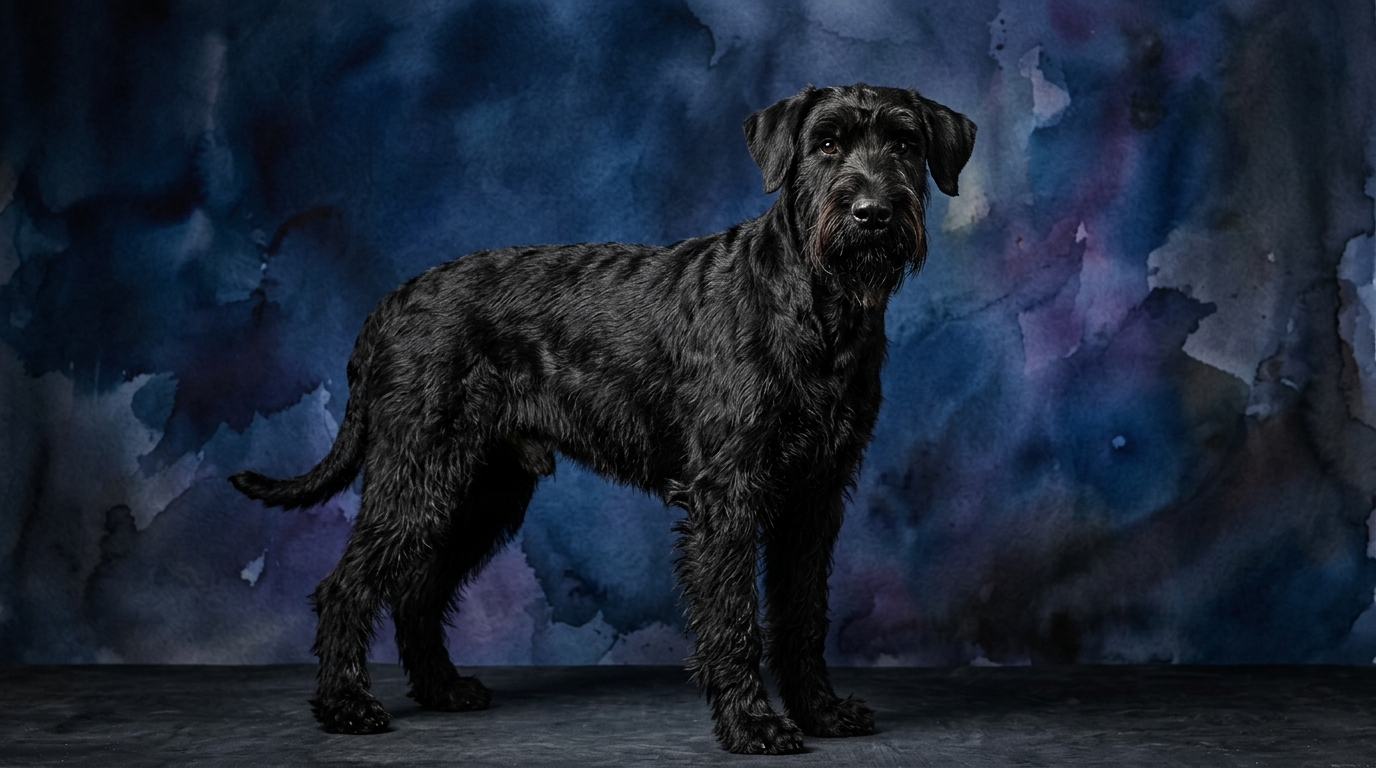
The Cosmic Pet Pet IQ Lab employs a five-dimensional framework to assess canine intelligence, offering a nuanced view of how breeds process information and interact with their world. For the Giant Schnauzer, a Coren-ranked breed at #28, their Problem Solving score of 4/5 indicates a strong capacity for independent thought and overcoming novel challenges, often showing resourcefulness in unfamiliar situations. Their Training Speed, also 4/5, suggests they pick up new commands and routines with relative ease, requiring fewer repetitions to master tasks. Social Intelligence at 3/5 means they are generally responsive to human cues and bond well, but might not possess the extreme people-focus of some companion breeds. An Instinctive Drive of 3/5 reflects a balanced blend of inherent working traits, without being overwhelmingly fixated on a single task, while a Memory score of 4/5 implies excellent recall for learned behaviors and routines, aiding in their overall trainability.
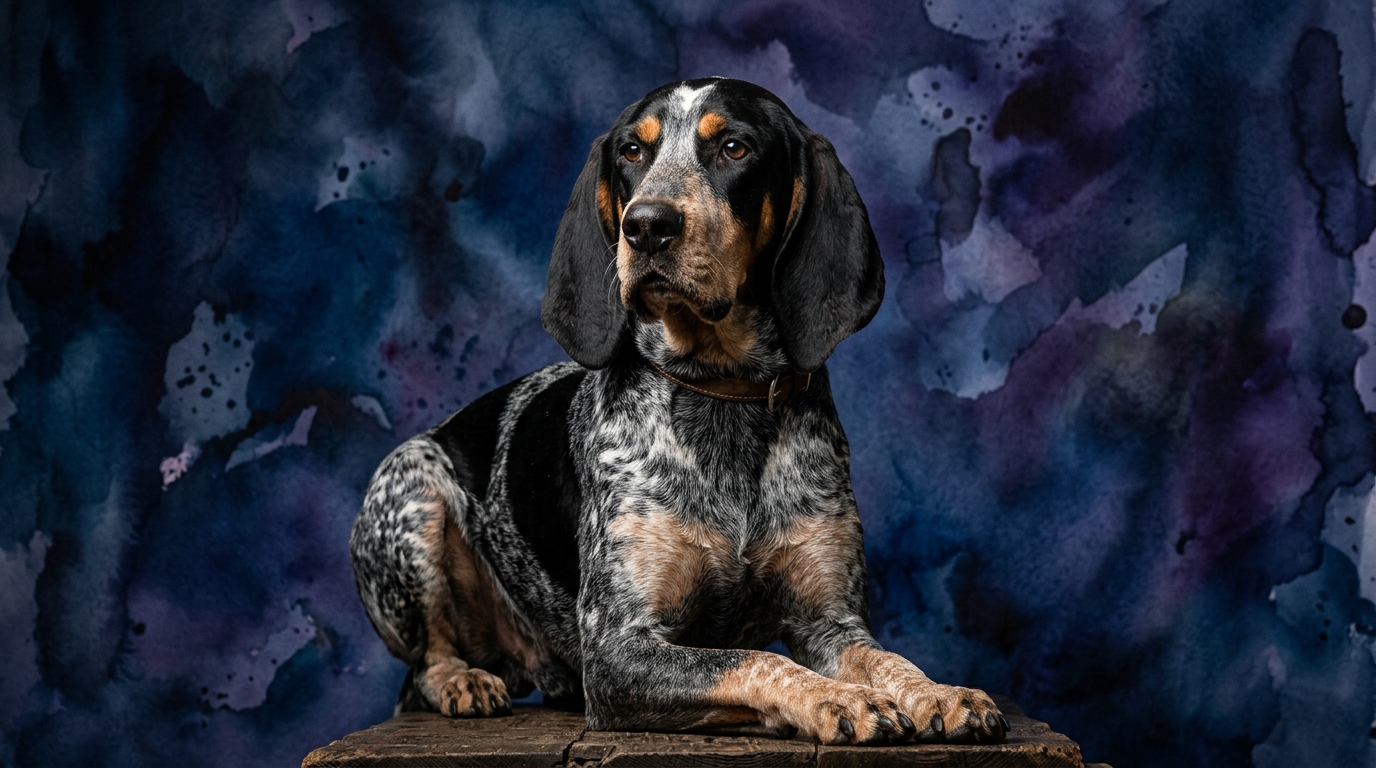
In contrast, the Bluetick Coonhound, an unranked Hound breed, shows a distinct profile. Their Problem Solving is rated 3/5, suggesting they can navigate challenges but often rely on their primary senses rather than abstract reasoning. A Training Speed of 3/5 indicates they learn at a moderate pace, often requiring consistent, patient reinforcement. Their Social Intelligence, also 3/5, points to a sociable nature that enjoys companionship, though their independence can sometimes override social compliance when a compelling scent is present. The Bluetick’s Instinctive Drive, scored 3/5, is profoundly channeled into scent work, manifesting as an almost unwavering focus on a trail once engaged. Finally, a Memory score of 3/5 means they retain information adequately, particularly regarding familiar environments and scent patterns, but might not match the Giant Schnauzer's capacity for complex sequential recall.
Where the Giant Schnauzer's Mind Triumphs Cognitively
The Giant Schnauzer's cognitive strengths are particularly evident in areas requiring flexible thought and rapid learning. Their superior Problem Solving (4/5) allows them to adapt quickly to new tasks or environmental changes, often figuring out solutions to puzzles or navigating obstacles with minimal guidance. This isn't just about brute force; it involves a cognitive flexibility to assess situations and apply learned principles. Coupled with a 4/5 Training Speed, they are adept at processing and executing multi-step commands, making them excellent candidates for advanced obedience, protection work, or dog sports that demand precision and quick reactions. Their robust Memory (4/5) ensures that once a lesson is learned, it is retained effectively over time, reducing the need for constant reteaching and building a solid foundation of reliable behaviors. This combination of quick uptake, strong retention, and adaptive problem-solving defines the Giant Schnauzer's cognitive edge, making them highly capable partners in structured activities.
Where the Bluetick Coonhound's Cognition Shines Brightest
While the Giant Schnauzer excels in general cognitive flexibility, the Bluetick Coonhound demonstrates a specialized form of intelligence rooted in its primary function: scent work. Their 3/5 instinctive drive, though numerically equivalent, manifests as an unparalleled dedication to tracking. This isn't merely physical stamina; it involves complex cognitive processes like discriminating between countless odors, interpreting faint trails over varying terrains, and maintaining a mental map of a pursuit. Their memory, while rated 3/5 generally, is exceptional for scent retention, allowing them to recall specific odors and track over long distances, sometimes hours after a trail has gone cold. This focused, persistent problem-solving within the domain of scent is where the Bluetick's cognitive strengths truly shine, requiring a different kind of mental tenacity and sensory processing that is unique to the hound's specialized cognitive architecture. Their ability to shut out distractions and follow a single, subtle thread of odor is a testament to their refined sensory intelligence.
Training Aptitude: Giant Schnauzer vs. Bluetick Coonhound
When it comes to formal training, the Giant Schnauzer generally presents a more straightforward experience for owners. Their 4/5 Training Speed and 4/5 Problem Solving mean they grasp concepts quickly and are keen to engage in structured learning. They respond well to consistent, positive reinforcement and thrive on having a 'job' to do, which often translates into eagerness to please and perform. This makes them suitable for a wide range of activities from basic obedience to competitive dog sports. In contrast, the Bluetick Coonhound's 3/5 Training Speed and 3/5 Problem Solving, combined with their potent instinctive drive, mean training requires a different approach. While capable of learning, they can be more independent and easily distracted by environmental scents, which their cognitive makeup prioritizes. Their drive to follow a trail can override commands, making off-leash reliability a significant challenge in unfenced areas. Training a Bluetick demands immense patience, creativity, and an understanding of their deep-seated motivation for scent work, often requiring owners to integrate their natural instincts into training rather than suppress them entirely.
Matching Temperaments: Active Owners vs. Specialized Needs
Neither the Giant Schnauzer nor the Bluetick Coonhound are suited for truly relaxed owners, but they demand different types of engagement. The Giant Schnauzer, with its balanced instinctive drive (3/5) and higher problem-solving capacity, thrives with active owners who enjoy providing consistent mental stimulation through training, puzzle toys, and structured exercise like agility or hiking. Their social intelligence (3/5) ensures they form strong bonds and appreciate being included in family activities, but they also benefit from clear leadership and boundaries. They are robust companions for those seeking a dog to actively partner with in various endeavors. The Bluetick Coonhound, on the other hand, requires a specific type of active owner who understands and can accommodate their profound scent-driven instincts. Their need for physical exercise is immense, ideally involving opportunities to engage their nose in safe, expansive environments. Their independence, stemming from their hunting heritage, means they might not constantly seek human interaction in the same way a Giant Schnauzer might; instead, they are content to pursue a scent trail. Owners must be prepared for their vocal nature and their tendency to follow their nose, making secure containment and dedicated scent work outlets crucial.
The Verdict
Opt for a Giant Schnauzer if you desire a highly trainable, versatile partner eager for structured learning and mental challenges, ideal for dog sports or a protective family companion.
Select a Bluetick Coonhound if you are an active individual dedicated to providing extensive exercise and a specialized outlet for their powerful scenting instincts, appreciating their independent, focused nature.
🧠 Find Your Pet's IQ Score
Our Pet IQ Lab assessment covers 25+ tests across 5 cognitive dimensions — personalized to your breed.
Take the Full IQ Test →Frequently Asked Questions
Is the Giant Schnauzer good with other pets given its social intelligence score?
The Giant Schnauzer's 3/5 social intelligence means they can coexist well with other pets, especially if socialized early and raised together. However, their working drive might mean they are less tolerant of boisterous play from unfamiliar animals, so introductions should be managed carefully. Their strong bond with their human family usually extends to other household members, animal or otherwise.
How does the Bluetick Coonhound's instinctive drive impact its behavior at home?
The Bluetick Coonhound's powerful 3/5 instinctive drive for scent work means they can be persistent and single-minded when a compelling odor is present, often leading them to 'hound out' and ignore commands. At home, this manifests as a need for secure fencing and diligent supervision outdoors, as well as a tendency to be vocal, using their bay to express excitement or alert to scents. Providing ample mental and physical exercise, ideally involving scent games, is crucial to managing this drive positively indoors.
Does a lower Coren rank or unranked status imply a dog is 'less smart'?
Not at all; Coren's ranking primarily assesses obedience-based intelligence and working memory in a structured training context. Breeds like the Bluetick Coonhound, which are unranked, or those with lower ranks, possess specialized forms of intelligence crucial for their historical roles, such as exceptional sensory discrimination, navigation, or endurance for specific tasks. Their cognitive strengths simply manifest differently than those valued in standard obedience trials.