Side-by-Side IQ Profile: Unpacking Breed Cognition
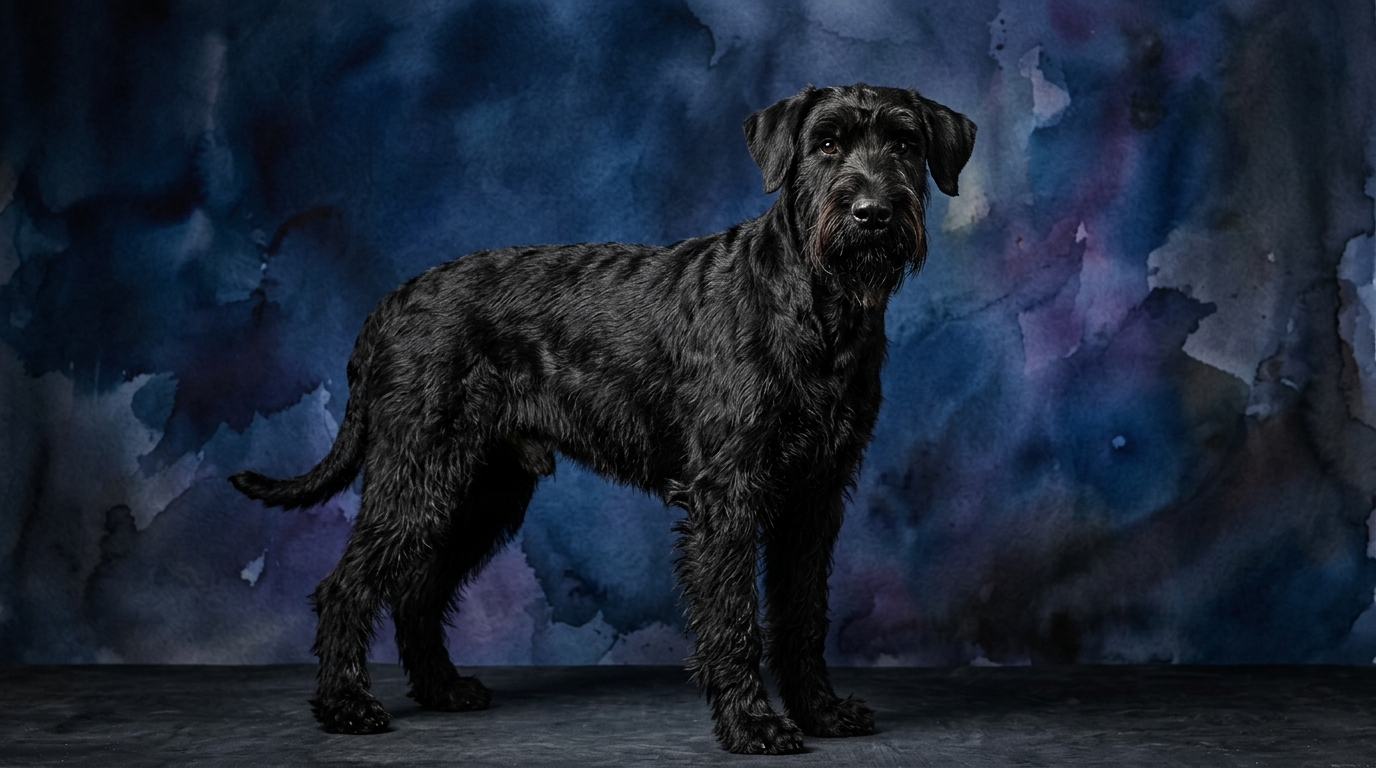
The Cosmic Pet Pet IQ Lab offers a structured framework to evaluate canine cognitive abilities across five key dimensions. For the Giant Schnauzer, a Working Group breed ranked #28 by Coren, this profile paints a picture of a capable and focused intellect. Its Problem Solving score of 4/5 reflects a notable capacity for complex thought and independent decision-making, skills honed through its historical roles in guarding and herding. Training Speed, also at 4/5, indicates a quick grasp of new commands and routines, often thriving on consistent, structured learning environments. While its Social Intelligence at 3/5 suggests competence in understanding human cues and pack dynamics, it might display a discerning nature, not always seeking broad social engagement. An Instinctive Drive of 3/5 points to a balanced but present working impetus, fueling its desire for purpose. Finally, a Memory score of 4/5 underscores its ability to retain learned behaviors and past experiences, contributing to its reliability in tasks.
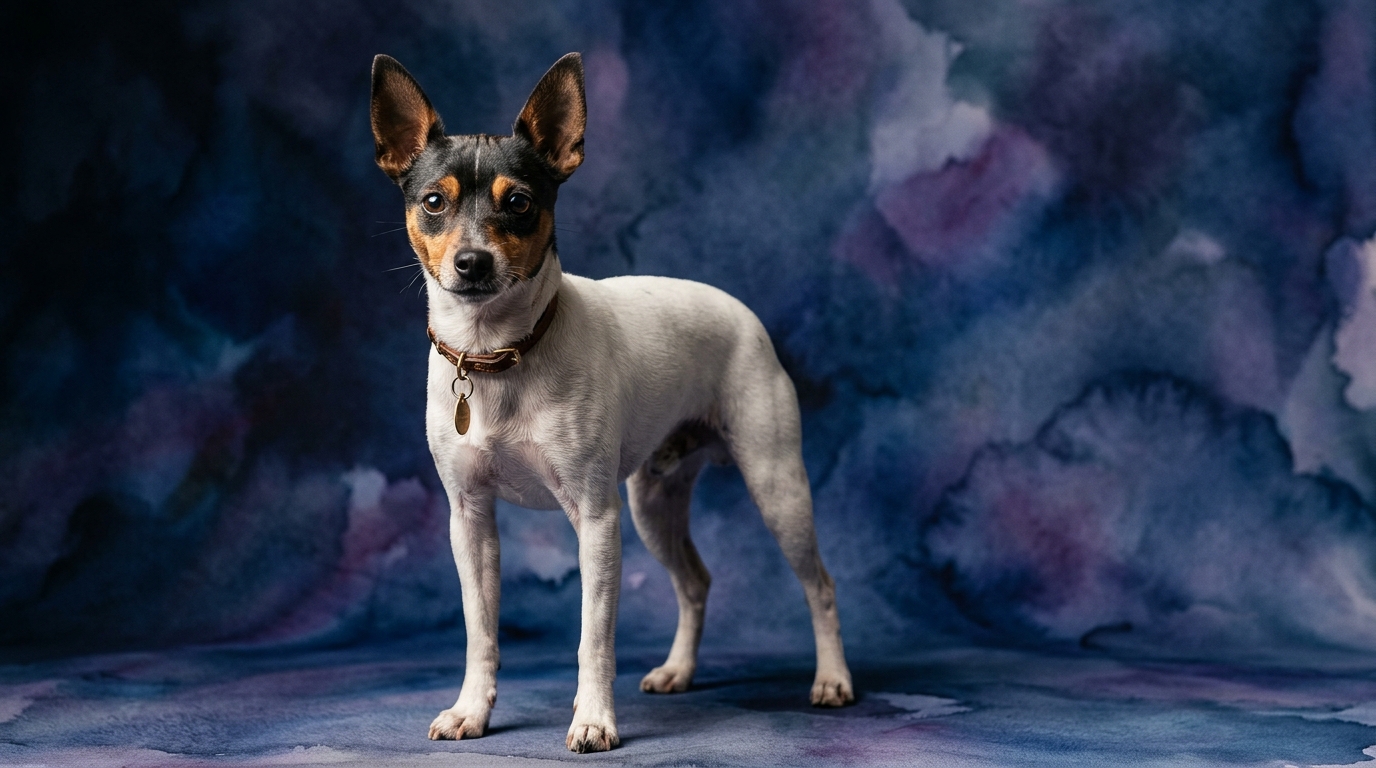
In contrast, the Toy Fox Terrier, a spirited Toy Group breed not appearing on Coren's traditional ranking, presents a distinct cognitive landscape. Its Problem Solving score of 3/5 indicates an ability to navigate challenges, often with a clever, opportunistic flair typical of terriers, rather than brute force. A Training Speed of 3/5 suggests it can learn new commands, though perhaps with a need for more varied reinforcement to maintain engagement, reflecting its independent spirit. Social Intelligence, matching the Schnauzer at 3/5, speaks to its capacity for forming strong bonds with its chosen family, often exhibiting a keen awareness of household dynamics despite its small stature. An Instinctive Drive of 3/5, common across terrier breeds, highlights its inherent prey drive and tenacity, often channeled into spirited play or focused attention on small movements. Its Memory score of 3/5 means it retains information adequately, but might benefit from regular refreshers or varied scenarios to solidify learning.
Where the Giant Schnauzer Commands a Cognitive Lead
The Giant Schnauzer's cognitive strengths distinctly emerge in areas demanding sustained focus, complex sequencing, and robust recall. Its superior Problem Solving (4/5) means it is often better equipped to tackle multi-step tasks or novel situations requiring analytical thought, such as figuring out how to open a complex crate latch or navigating an intricate agility course with minimal guidance. This isn't just about raw processing power; it's about the ability to maintain composure and work through a challenge systematically. The higher Training Speed (4/5) translates into fewer repetitions needed to master a new command, making it an efficient learner in formal obedience or protection work. Owners often observe a quicker uptake of sophisticated cues, allowing for rapid progression through training levels. Furthermore, its Memory (4/5) provides a significant advantage in retaining a vast repertoire of commands and experiences over time, ensuring reliability in learned behaviors even after periods of inactivity. This breed can recall specific instructions given months prior, making it a consistent performer in roles requiring dependable execution. These attributes are foundational to its success in demanding working roles, where precision and retention are paramount.
The Nimble Wit of the Toy Fox Terrier
While the Toy Fox Terrier's numerical scores might appear modest compared to the Giant Schnauzer, its cognitive profile shines in specific contexts, leveraging its terrier spirit and physical attributes. Its Problem Solving (3/5) often manifests as quick, agile thinking, particularly when it involves navigating its environment or outsmarting a perceived “prey” (like a squeaky toy or a dust bunny). This isn't about brute intellectual force but rather a clever, often opportunistic approach to challenges, using its small size and quick reflexes to its advantage. Its Instinctive Drive (3/5) fuels a persistent curiosity and a spirited engagement with the world, translating into excellent adaptability for a variety of companion activities, even if it's not a formal working role. For instance, a Toy Fox Terrier might excel at quickly finding a hidden treat in a complex puzzle toy by exploring every angle with tenacity, or learning a rapid sequence of tricks due to its inherent desire for engagement and reward, even if the initial learning speed isn't as high. Its Social Intelligence (3/5), while numerically matching the Schnauzer, often manifests as a keen awareness of family dynamics and an ability to charm its way into preferred situations, using its expressive nature to communicate needs and desires effectively within its intimate human circle. This breed's “wins” are often in its spirited adaptability and tenacious pursuit of its goals, whether that's getting attention or securing a dropped crumb.
Training Dynamics: Giant Schnauzer vs. Toy Fox Terrier
When it comes to ease of training, the Giant Schnauzer generally presents a more straightforward path for the dedicated owner, primarily due to its higher Training Speed (4/5) and robust Memory (4/5). This breed thrives on structure, consistency, and a clear sense of purpose, quickly grasping new commands and retaining them with impressive fidelity. Their working background means they are often eager to please and find satisfaction in performing tasks correctly, making them responsive to positive reinforcement and clear guidance. For example, teaching a Giant Schnauzer a complex retrieve sequence or advanced obedience commands often sees rapid progress, as they absorb and recall the steps efficiently. In contrast, the Toy Fox Terrier, with a Training Speed and Memory of 3/5, while certainly trainable, requires a different approach. Their inherent terrier independence and spirited nature mean they can be more easily distracted or decide that a particular command isn't worth their effort at that moment. Training a Toy Fox Terrier often demands more creativity, variety, and a very strong motivation (like a high-value treat or an engaging game) to maintain focus. They might learn a command quickly one day but “forget” it the next if the session isn't engaging enough. Their smaller size and quick movements can also lead to them being more challenging to physically guide, relying more heavily on verbal cues and lure-based training. Real behavioral differences include the Giant Schnauzer’s intrinsic desire for a job and their stoic focus, contrasting with the Toy Fox Terrier’s sometimes impish, “what's in it for me?” attitude.
Matching Breed Intellect to Lifestyle
The cognitive profiles of these two breeds offer clear guidance for potential owners regarding lifestyle compatibility. The Giant Schnauzer, with its superior problem-solving, training speed, and memory, thrives with active owners who can provide consistent mental stimulation and physical outlets. Their need for purpose means they excel in environments where they have a “job,” whether that's advanced obedience, agility, protection sports, or simply being a vigilant, engaged family member with daily structured activities. A relaxed owner who cannot commit to significant daily engagement might find a Giant Schnauzer becoming bored and potentially destructive or overly vocal, as their cognitive capacity seeks an outlet. Their social intelligence, while competent, often means they are discerning, preferring deep bonds with their family over casual interactions, making them suitable for owners who appreciate a devoted, focused companion. Conversely, the Toy Fox Terrier, with its nimble wit and adaptable problem-solving, can suit both active and moderately relaxed owners, provided their innate terrier drive is acknowledged. While they enjoy vigorous play and quick bursts of activity, their smaller size means their physical exercise requirements can be met more readily within a smaller space or shorter walks. They are excellent for owners who enjoy interactive games, trick training, and appreciate a quick-witted, often amusing companion who is deeply attuned to their family's presence. Their social intelligence, combined with their compact size, makes them adaptable to various living situations, from apartments to houses, as long as they receive consistent attention and engagement. They are less about sustained, heavy-duty work and more about spirited, sporadic interaction.
The Verdict
Choose the Giant Schnauzer if you are an experienced owner seeking a highly capable, focused canine partner for demanding activities, valuing a dog that learns quickly and thrives on complex tasks. This breed excels with consistent, structured guidance and ample mental and physical engagement.
Opt for the Toy Fox Terrier if you desire a spirited, quick-witted companion that brings tenacious charm and adaptable intelligence to a family setting, enjoying interactive play and close companionship. This breed thrives with owners who appreciate its independent streak and provide engaging, varied mental stimulation.
🧠 Find Your Pet's IQ Score
Our Pet IQ Lab assessment covers 25+ tests across 5 cognitive dimensions — personalized to your breed.
Take the Full IQ Test →Frequently Asked Questions
Is the Giant Schnauzer prone to stubbornness given its intelligence?
The Giant Schnauzer's confidence and problem-solving ability can sometimes be perceived as stubbornness if its needs for mental engagement and clear direction aren't met. It prefers to understand the “why” behind commands and thrives on a consistent, fair training approach rather than arbitrary rules.
How does the Toy Fox Terrier's instinctive drive manifest in daily life?
The Toy Fox Terrier's instinctive drive often manifests as a keen interest in small, moving objects, a love for chasing and digging, and a spirited, tenacious approach to play. This can be channeled positively through toys, puzzle games, and secure outdoor spaces, but requires supervision to prevent chasing small animals.
Can a Toy Fox Terrier excel in dog sports despite not being Coren-ranked?
Absolutely. Despite not being Coren-ranked for general intelligence, Toy Fox Terriers often excel in dog sports like agility, obedience, and rally due to their agility, quick reflexes, and desire for engagement. Their tenacity and quick learning in specific contexts make them formidable competitors, especially when motivated by play and partnership.