A Side-by-Side Look at Cognitive Profiles
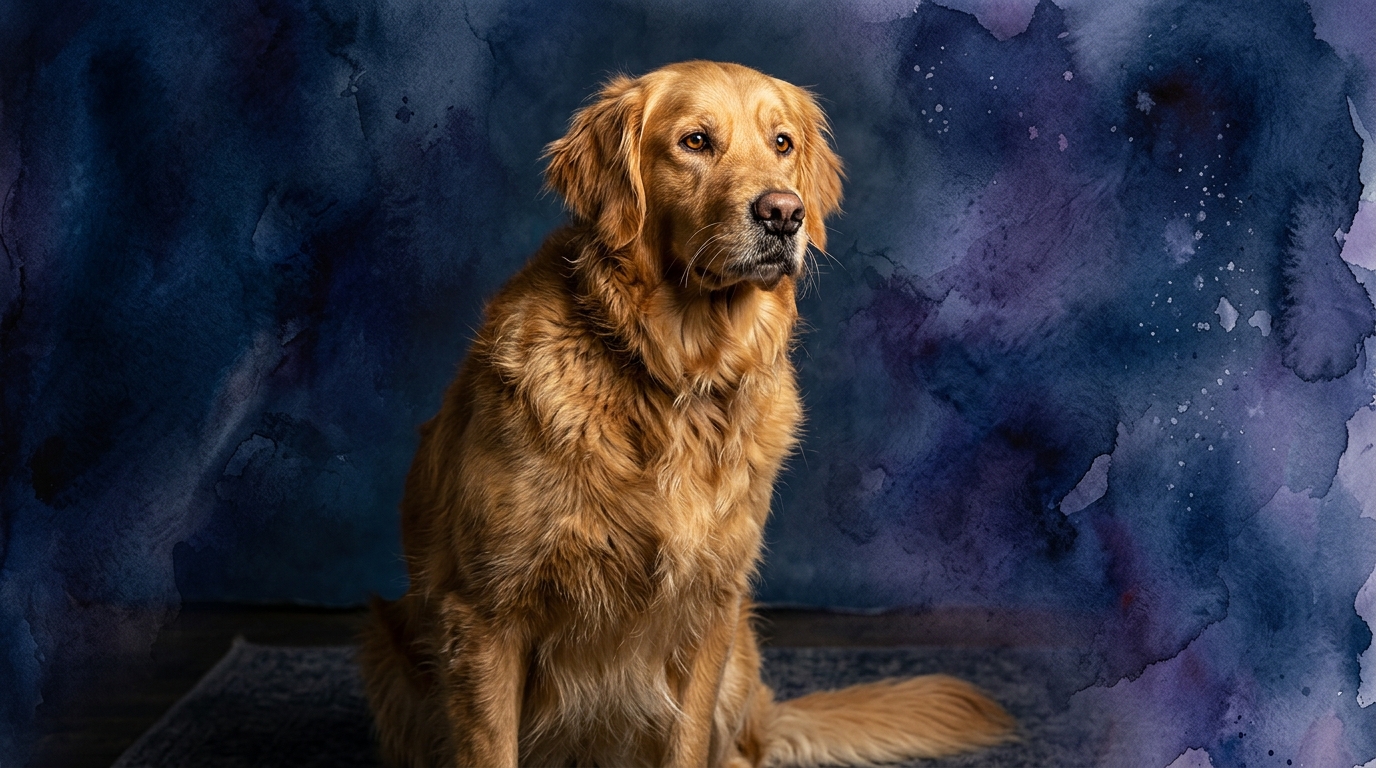
The Golden Retriever (Coren Rank #4) showcases a formidable cognitive toolkit, perfectly honed for its retrieving and companionship roles. Their Problem Solving (4/5) ability manifests as a keen aptitude for understanding complex tasks, often through observation and active engagement with their human partners; they are adept at figuring out how to manipulate objects or navigate novel situations when motivated by cooperation. Training Speed (5/5) is a hallmark, reflecting their exceptional capacity for rapid command acquisition and retention, driven by an inherent desire to please. Their Social Intelligence (5/5) is unparalleled; they excel at reading human body language, tone, and emotions, fostering deep, intuitive bonds. The Instinctive Drive (4/5) is primarily a cooperative retrieving instinct, focused on working alongside humans. Finally, their Memory (4/5) is robust, allowing them to recall a vast repertoire of commands, routines, and experiences with remarkable accuracy.
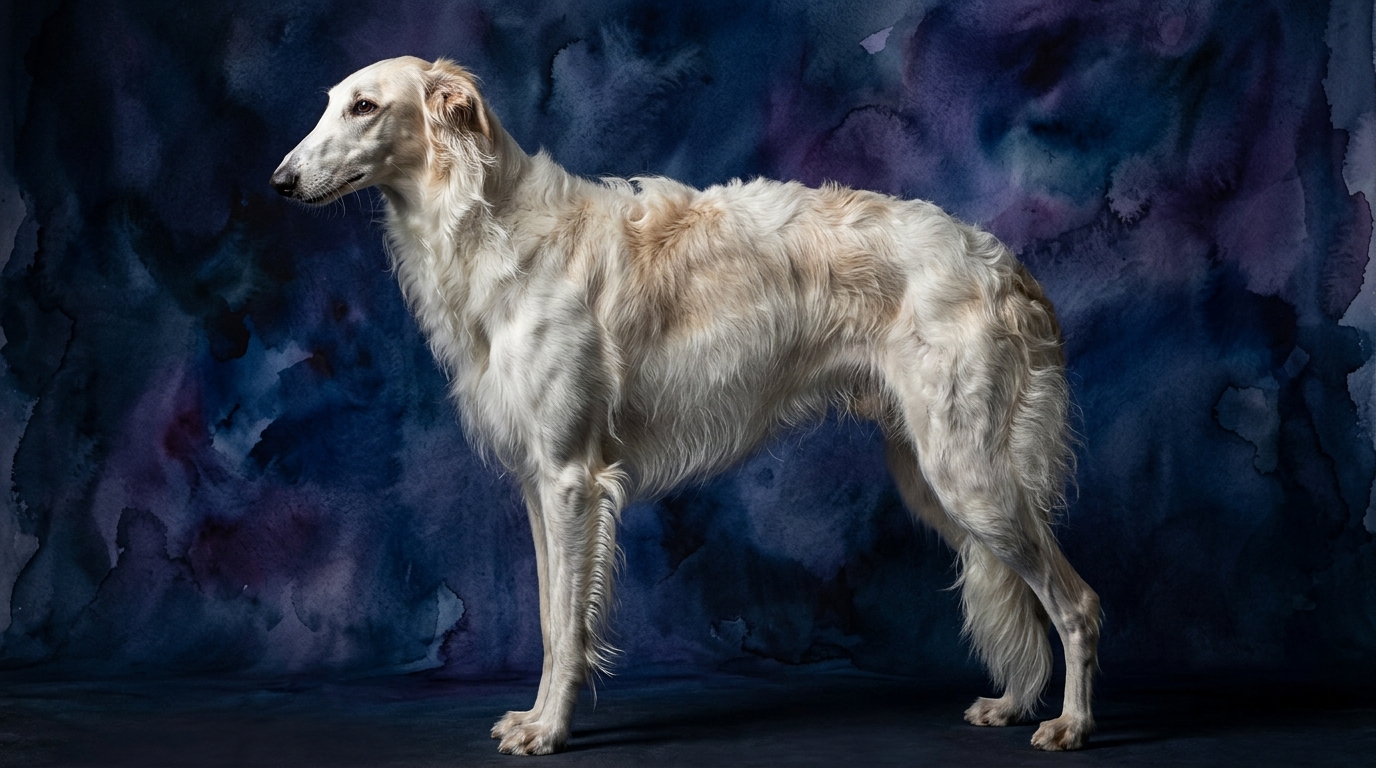
The Borzoi (Coren Rank #75) presents a distinct cognitive profile, shaped by centuries of independent sighthound work. Their Problem Solving (3/5) leans towards self-sufficiency; they are proficient at making rapid, autonomous decisions in dynamic environments, particularly when pursuing prey, but may show less interest in solving human-designed puzzles that require cooperative effort. Training Speed (3/5) reflects a need for consistent, positive reinforcement and an understanding of their independent spirit; they learn, but often on their own terms, and may require more repetition or compelling motivation than a Golden. Their Social Intelligence (3/5) is characterized by a quiet dignity; they form deep attachments with their families but are often reserved with strangers, less overtly demonstrative, and might not constantly seek human interaction or validation. The Instinctive Drive (3/5) is powerfully focused on sight hunting, a solo pursuit demanding exceptional speed and visual acuity. Their Memory (3/5) is effective for retaining crucial spatial information and effective hunting strategies, though perhaps less focused on rote obedience commands.
Where the Golden Retriever's Cognition Shines
The Golden Retriever truly excels in areas requiring cooperative thought and human-centric problem-solving. Their high social intelligence means they are constantly processing human communication, from subtle body language shifts to vocal inflections, allowing them to anticipate needs and respond appropriately. This makes them exceptional candidates for service work, therapy roles, and complex obedience trials where understanding nuanced cues is paramount. Their superior training speed and memory enable them to master multi-step commands and intricate sequences with remarkable efficiency, often generalizing learned behaviors to new situations rapidly. For instance, a Golden Retriever will actively try to figure out how to open a gate by observing human actions and experimenting with levers, driven by a desire to join its human companion. This proactive, collaborative approach to challenges is a cognitive hallmark where they particularly shine.
Unpacking the Borzoi's Unique Cognitive Strengths
The Borzoi’s cognitive strengths lie in its independent decision-making and highly specialized problem-solving, particularly within its ancestral sighthound context. While they might not eagerly engage with a puzzle toy designed for cooperative play, their problem-solving ability is profound when applied to their natural instincts. They possess an exceptional capacity for spatial reasoning and calculating complex trajectories, essential for accurately intercepting fast-moving prey over varied and unpredictable terrain. This requires split-second judgment and an ability to adapt strategies on the fly, demonstrating a sophisticated form of situational awareness and rapid processing. Their "training speed" rating doesn't reflect an inability to learn, but rather a preference for self-directed action; they efficiently learn what *they* deem necessary, such as navigating a complex outdoor environment or understanding household routines, often with a quiet, observant intelligence that doesn't demand overt recognition.
Training Dynamics: Golden Retriever vs. Borzoi
Without question, the Golden Retriever is generally much easier to train for typical companion dog roles. Their high training speed (5/5) is coupled with a strong desire to please, making them highly receptive to positive reinforcement and eager to learn new commands. They thrive on structure and enjoy the interactive process of training, often picking up new behaviors in just a few repetitions. Their robust social intelligence (5/5) means they actively seek to understand and comply with human directives, viewing training as a cooperative game. In contrast, the Borzoi, with a training speed of 3/5, presents a different challenge. While capable of learning, their independent nature and lower inherent drive for cooperative compliance mean they often perceive commands as suggestions rather than absolute directives. Training a Borzoi requires immense patience, creativity, and a deep understanding of their sighthound motivations. Repetitive drills might bore them, leading to "tuning out." Success with a Borzoi hinges on making training engaging, brief, and highly rewarding, often leveraging their natural prey drive in controlled environments rather than expecting immediate, consistent obedience in all situations.
Matching Owners: Active Engagement vs. Calm Companionship
The Golden Retriever is an ideal match for active owners who seek a highly engaged and versatile canine partner. Their robust instinctive drive for cooperative tasks, combined with their eager-to-please social intelligence, means they thrive on consistent mental and physical stimulation. Owners who enjoy dog sports like agility, obedience, flyball, or even simply daily long walks and interactive play will find a Golden Retriever a willing and enthusiastic participant. They demand attention and involvement, making them perfect for families or individuals who want a dog deeply integrated into their daily activities. Conversely, the Borzoi can suit both active and more relaxed owners, but with a crucial distinction. While they require bursts of intense physical activity—such as running in a securely fenced area—their indoor demeanor is remarkably calm and dignified. They are not typically demanding of constant interaction or engagement, often preferring to observe quietly from a comfortable spot. Owners who appreciate an independent companion, content with quiet presence and requiring dedicated, safe outlets for their sighthound instincts (like lure coursing), will find a Borzoi to be a fitting, albeit unique, companion.
The Verdict
When prioritizing a highly trainable, effusively social, and versatile companion eager for cooperative activities and deeply involved family life, the Golden Retriever is the natural choice.
If you appreciate an independent, dignified, and calm housemate with bursts of incredible athletic prowess, and are prepared to understand and respect a more self-directed cognitive approach, then a Borzoi might be your ideal match.
🧠 Find Your Pet's IQ Score
Our Pet IQ Lab assessment covers 25+ tests across 5 cognitive dimensions — personalized to your breed.
Take the Full IQ Test →Frequently Asked Questions
Is a Borzoi difficult to train compared to a Golden Retriever?
Yes, Borzoi generally require more patience and a different training approach due to their independent nature and lower cooperative drive. Golden Retrievers typically learn new commands very quickly and are eager to please, making their training process often more straightforward for novice owners.
Do Borzoi lack problem-solving abilities?
No, Borzoi possess problem-solving skills, but they apply them differently than Golden Retrievers. Their cognitive strengths are geared towards independent decisions in pursuit, such as navigating complex terrain during a chase, rather than solving human-initiated puzzles for cooperative reward.
Which breed is better for a first-time dog owner?
A Golden Retriever is often recommended for first-time owners due to their high trainability, social intelligence, and adaptable nature. Borzoi, while affectionate, can be more challenging for new owners given their independent streak and specific sighthound instincts that require careful management.