Side-by-Side Cognitive Profile
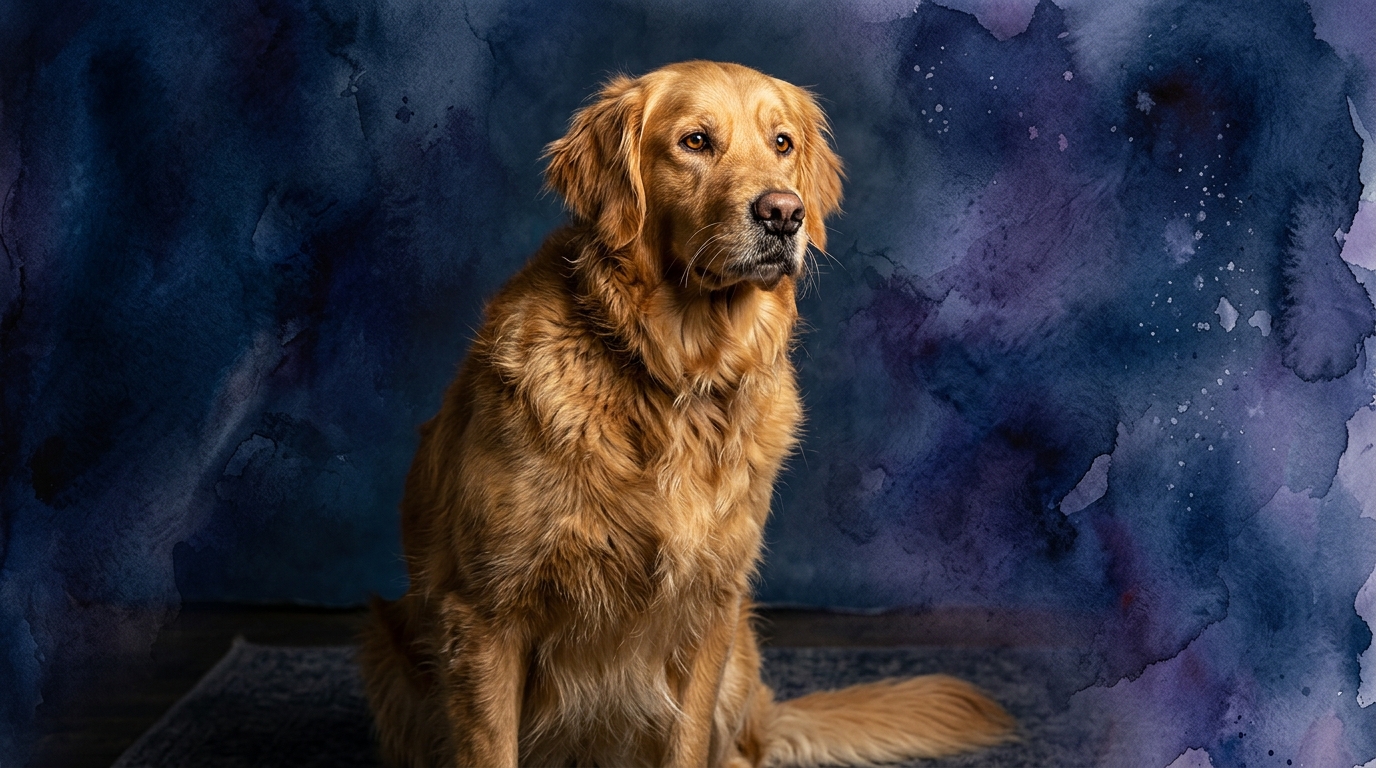
The Cosmic Pet Pet IQ Lab data provides a granular look at the cognitive strengths of each breed. The Golden Retriever, a Sporting breed ranked #4 by Coren, exhibits a robust cognitive profile: their Problem Solving is rated 4/5, indicating a strong capacity to navigate novel situations and figure out solutions efficiently. Training Speed is exceptional at 5/5, reflecting a keen eagerness to learn and retain commands quickly. Social Intelligence stands at 5/5, showcasing a profound understanding of human cues and complex social dynamics. An Instinctive Drive of 4/5 points to their inherent motivation for tasks like retrieving, while their Memory is a solid 4/5, allowing for consistent recall of learned behaviors and experiences.
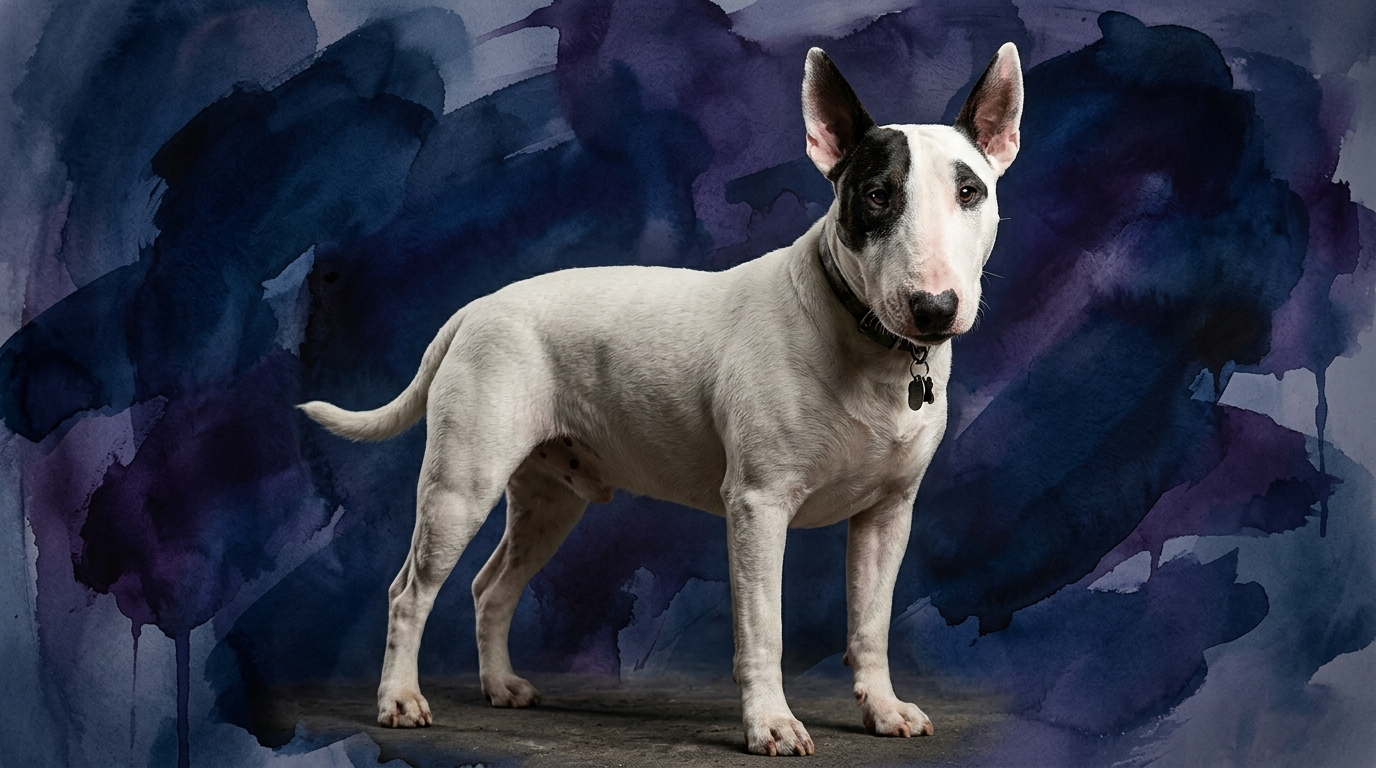
Conversely, the Bull Terrier, a Terrier breed positioned at Coren rank #66, presents a distinct set of cognitive characteristics. Their Problem Solving is rated 3/5, suggesting a moderate ability to tackle new challenges, often with a unique, perhaps less conventional, approach. Training Speed is 3/5, meaning they require more patience and consistency in instruction, taking longer to master new commands. Social Intelligence also scores 3/5, indicating they may interpret human signals differently or possess a more independent social outlook. An Instinctive Drive of 3/5 reflects a moderate, but often tenacious, drive for specific terrier-type activities, and their Memory is rated 3/5, implying a decent but not outstanding retention of information.
Where Golden Retriever Wins Cognitively
The Golden Retriever truly shines in areas demanding rapid cognitive processing and harmonious cooperation. Their superior Training Speed (5/5) means they form associations between commands and actions with remarkable quickness, making them highly receptive to instruction. This isn't just about obedience; it reflects a swift neurological pathway for learning new tasks, from complex agility sequences to intricate service dog duties. Furthermore, their exceptional Social Intelligence (5/5) allows them to interpret subtle human gestures, vocal tones, and emotional states with precision. This deep understanding fosters a profound communicative bond, enabling them to anticipate owner needs and respond appropriately in varied social contexts, a clear advantage in partnership roles. Their Problem Solving at 4/5, combined with their high social acumen, equips them to approach novel situations with a cooperative mindset, often seeking human guidance or approval as part of their solution strategy, rather than purely independent exploration. This blend of quick learning, social attunement, and cooperative problem-solving positions them as exceptional partners in structured environments.
Where Bull Terrier Wins Cognitively
While the Bull Terrier's cognitive profile differs significantly from the Golden Retriever's, it possesses unique strengths that are often underestimated. Their Problem Solving, rated 3/5, might not be about speed, but rather about a tenacious, often individualistic approach to overcoming obstacles. A Bull Terrier might not immediately seek human input for a puzzle, but instead, will persist with various strategies until a solution is found, demonstrating a robust mental resilience and a "never give up" attitude. This independent problem-solving can be a distinct advantage in situations requiring self-reliance and creative thinking, where a dog might need to figure things out without constant human prompting. Their Instinctive Drive (3/5), while moderate, often translates into a focused, unyielding determination when engaged in a task that aligns with their inherent terrier traits, such as digging or chasing. This focused persistence, though sometimes challenging to redirect, is a cognitive asset in specific scenarios where unwavering commitment is paramount. Their memory, while 3/5, is sufficient for retaining crucial information, particularly when reinforced through consistent and engaging methods that respect their independent nature.
Which is Easier to Train and Why
The distinction in trainability between these two breeds is pronounced, stemming directly from their core cognitive differences. The Golden Retriever, with a Training Speed of 5/5 and Social Intelligence of 5/5, is typically a much easier candidate for training. They possess an inherent desire to please their human companions and are highly attuned to social cues, making them eager participants in learning sessions. Their rapid association learning means they quickly grasp what is expected of them, and their strong memory ensures consistency in performance. This cooperative nature means fewer repetitions are often needed, and they readily adapt to various training methods, thriving on positive reinforcement and clear communication. In contrast, the Bull Terrier's 3/5 rating in both Training Speed and Social Intelligence indicates a more independent and sometimes stubborn learning style. They are less inherently driven to comply purely for human approval and may require more creative, engaging, and consistent motivation to learn and perform. Their problem-solving approach might lead them to experiment with different behaviors rather than immediately offering the desired one, demanding greater patience and a nuanced understanding from their trainer. Training a Bull Terrier often involves finding what truly motivates them and making the learning process a game, rather than a rote exercise.
Which Suits Active Owners vs Relaxed Owners
The activity level and training commitment required for each breed align differently with owner lifestyles. Golden Retrievers are highly adaptable and can suit a range of active owners. Their cooperative nature and enthusiasm for activities make them excellent companions for running, hiking, swimming, and dog sports. They thrive with owners who enjoy engaging them in consistent training, whether for obedience, agility, or therapy work. While they appreciate activity, their social intelligence means they are also content to settle down with their family after exercise, fitting well into moderately active households that prioritize companionship and mental stimulation. Relaxed owners, however, might find their energy levels and need for engagement a bit demanding without sufficient outlets.
Bull Terriers, conversely, often require a more specific type of active owner – one who appreciates their robust energy and independent spirit. They are not typically suited for truly relaxed owners who prefer minimal interaction or training. Their moderate instinctive drive means they need outlets for physical exertion and mental engagement to prevent boredom and destructive behaviors. Owners who enjoy unique personalities, are prepared for consistent and creative training challenges, and can channel their Bull Terrier's tenacity into structured play, long walks, or specific dog sports like earthdog trials or even weight pulling, will find a rewarding companion. Their independent problem-solving and lower social intelligence mean they are not always seeking constant human direction, making them suitable for owners who value a dog with a distinct personality and are comfortable providing clear boundaries without expecting constant deference.
The Verdict
Choose a Golden Retriever if you seek a highly cooperative, versatile companion eager to learn and deeply attuned to social interaction, excelling in family life, dog sports, or assistance roles.
Opt for a Bull Terrier if you appreciate an independent thinker with a tenacious spirit and a unique personality, and are prepared for consistent, creative training to channel their robust energy and self-reliant problem-solving into a rewarding partnership.
🧠 Find Your Pet's IQ Score
Our Pet IQ Lab assessment covers 25+ tests across 5 cognitive dimensions — personalized to your breed.
Take the Full IQ Test →Frequently Asked Questions
Are Golden Retrievers better family dogs due to their social intelligence?
Golden Retrievers' high social intelligence (5/5) and cooperative nature often make them excellent family companions, as they are adept at understanding and interacting positively with various family members and children. Their eagerness to please contributes to a harmonious household environment, though proper socialization is always key for any breed.
Does a Bull Terrier's lower training speed mean they cannot be well-behaved?
Not at all; a Bull Terrier's 3/5 training speed simply means they require more patience, consistency, and engaging methods during training compared to breeds that learn more rapidly. With dedicated and creative training, Bull Terriers can certainly be well-behaved and responsive, though their independent streak means they may always retain a unique approach to commands.
How does instinctive drive differ between these breeds?
The Golden Retriever's 4/5 instinctive drive is largely focused on retrieving, carrying, and working collaboratively, aligning with their sporting heritage. The Bull Terrier's 3/5 instinctive drive, while moderate, often manifests as a tenacious pursuit of prey-like objects, digging, or focused engagement in tasks that appeal to their terrier nature, requiring outlets for these specific urges.