
Side-by-Side IQ Profile: Golden Retriever vs. Jack Russell Terrier
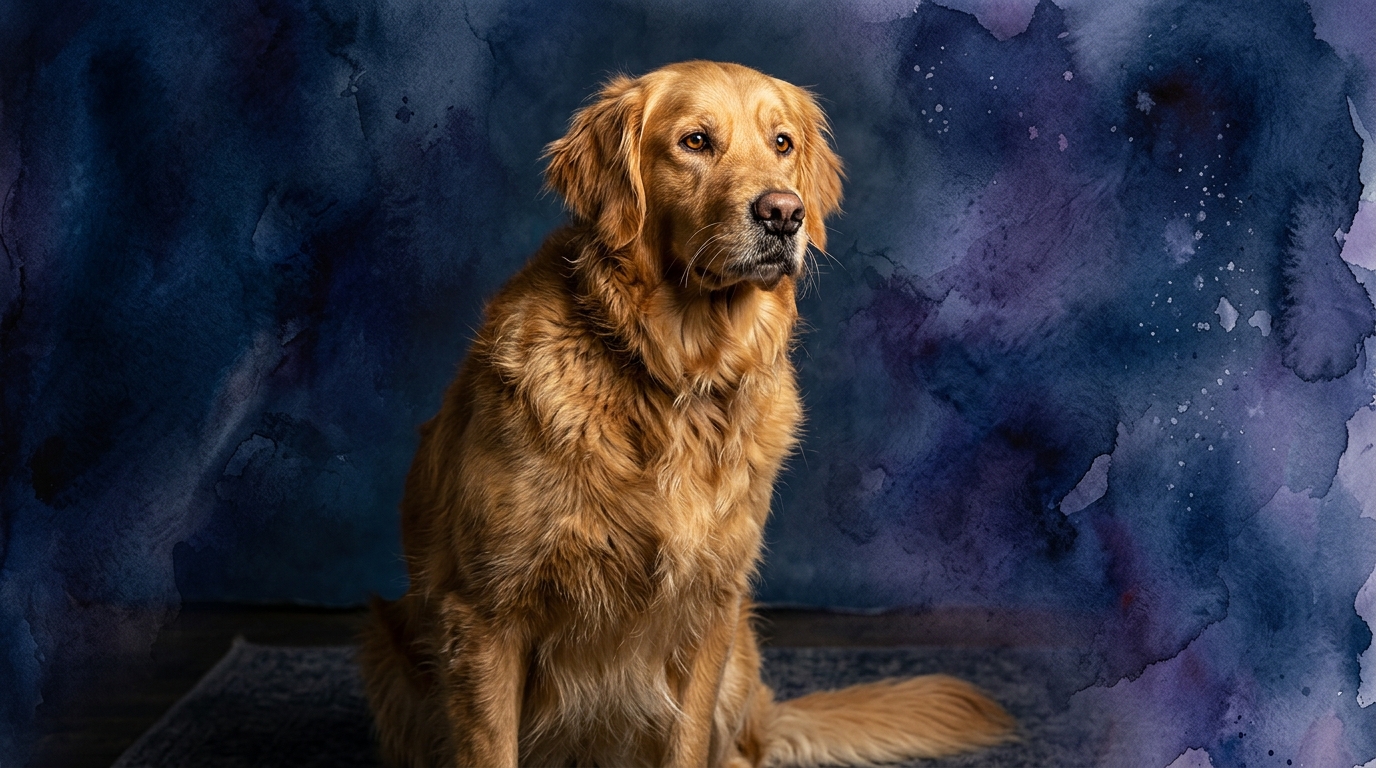
**Golden Retriever (Sporting Group, Coren Rank #4)**: This breed showcases a cognitive makeup geared towards cooperative learning and strong social bonds. Their **Problem Solving (4/5)** excels at understanding complex, multi-step commands and applying learned solutions efficiently, often relying on sequential thinking rather than pure improvisation. **Training Speed (5/5)** is exceptional; they grasp and retain new commands rapidly, often in just a few repetitions, driven by an eagerness to please. Their **Social Intelligence (5/5)** is profound, allowing them to adeptly read human emotions and adapt their behavior to social contexts, fostering deep connections. **Instinctive Drive (4/5)** manifests as strong retrieving instincts and a keen sense of smell, typically channeled into cooperative tasks like fetching or scent work. Finally, their **Memory (4/5)** is robust for commands, routines, and locations, aiding consistent performance over time.
**Jack Russell Terrier (Terrier Group, Not Coren-Ranked)**: The Jack Russell Terrier possesses a distinct cognitive profile emphasizing autonomy and tenacity. Their **Problem Solving (5/5)** is unparalleled; they independently assess and overcome environmental challenges with remarkable ingenuity, whether accessing forbidden treats or navigating complex terrains. **Training Speed (3/5)**, while capable, requires more repetition and consistent motivation due to their independent streak; they understand what is asked but may prioritize their own objectives. **Social Intelligence (3/5)** is observational but less inclined towards overt social appeasement; they form strong bonds but interpret social cues through a lens of self-interest, sometimes leading to perceived stubbornness. **Instinctive Drive (5/5)** is extremely powerful, encompassing prey drive, digging, and relentless pursuit, a core part of their cognitive makeup that often overrides other considerations. Their **Memory (4/5)** is strong for tasks, routines, and especially for successful strategies or interesting scents, aiding their tenacious problem-solving.
Where the Golden Retriever Wins Cognitively
The Golden Retriever’s cognitive strengths particularly shine in cooperative engagement and emotional attunement. Their superior training speed and exceptional social intelligence mean they rapidly process human directives, motivated by a desire to please. This leads to a remarkable ability to learn and perform complex command sequences for service work or obedience, often anticipating handler instructions. They excel at tasks requiring focused attention and consistent application of learned behaviors, adeptly navigating intricate environments under guidance. Their problem-solving, guided by human instruction, allows for precise and reliable application of learned solutions.
Where the Jack Russell Terrier Wins Cognitively
Conversely, the Jack Russell Terrier demonstrates a distinct cognitive advantage in independent problem-solving and relentless pursuit of objectives, fueled by powerful instinctive drive. Their 5/5 rating reflects an extraordinary capacity for autonomous thought and strategic action to overcome obstacles, often without human prompting—devising ways to escape or locate hidden items. Their potent instinctive drive (5/5) fuels this tenacity, making them intensely focused on tasks like tracking or digging, often overriding other stimuli. This equips them with an unparalleled ability to manipulate their environment to achieve self-determined goals, showcasing a raw, practical intellect.
Which is Easier to Train, and Why?
For ease of training, the Golden Retriever holds a clear advantage due to their stellar training speed (5/5) and profound social intelligence (5/5). They are naturally inclined towards cooperative relationships, driven by an inherent desire to understand and comply. Their high social intelligence means acute responsiveness to human feedback, translating into faster learning curves for obedience and complex tasks, as they actively seek to align actions with human expectations. This makes them highly malleable and receptive to traditional training methods, often requiring fewer repetitions and less intense motivation.
The Jack Russell Terrier, despite its problem-solving acumen, presents a greater training challenge. Their 3/5 training speed isn't a lack of intelligence, but because their independent nature and powerful instinctive drives (5/5) often prioritize their agenda over commands. They understand requests but weigh them against personal motivations like the thrill of a chase or the satisfaction of a dig. This demands consistent, creative, and highly motivating trainers to channel drives into desired behaviors, rather than expecting simple compliance. Their lower social intelligence (3/5) means they are less motivated by mere appeasement, requiring a more strategic engagement approach to maintain focus and cooperation.
Which Suits Active Owners vs. Relaxed Owners
The choice between these breeds hinges significantly on an owner's lifestyle. The Golden Retriever, with its balanced instinctive drive (4/5) and high social intelligence, fits owners enjoying regular, structured activities like walks or fetch, who also value a calm, cooperative presence indoors. They thrive on shared experiences and are content to relax after sufficient exercise, making them suitable for active families appreciating downtime. Their adaptability allows smooth integration into various household rhythms, provided their needs for mental and physical engagement are met.
The Jack Russell Terrier is best for highly active owners dedicating significant time and energy to channeling their intense instinctive drive (5/5) and independent problem-solving. These dogs require constant mental stimulation and vigorous physical exercise to prevent boredom. They are ideal for individuals engaging in agility, earthdog trials, or extensive hiking, where their natural talents are utilized. A relaxed owner, unable to meet their substantial needs, would find a Jack Russell overwhelming, as unspent energy and sharp minds will inevitably find their own outlets, often in undesirable ways.
The Verdict
Choose a Golden Retriever if you seek a highly cooperative, emotionally attuned companion eager to learn and integrate seamlessly into family life, excelling in structured training and shared activities.
Opt for a Jack Russell Terrier if you are an experienced, highly active individual who thrives on channeling intense independent problem-solving and instinctive drives into challenging, engaging pursuits.
🧠 Find Your Pet's IQ Score
Our Pet IQ Lab assessment covers 25+ tests across 5 cognitive dimensions — personalized to your breed.
Take the Full IQ Test →Frequently Asked Questions
Is a Golden Retriever or Jack Russell Terrier better for a first-time dog owner?
A Golden Retriever is generally more suitable for first-time owners due to their high training speed and social intelligence, making them easier to guide and live with. Jack Russell Terriers require more experience to manage their independent nature and intense drives effectively.
Do Jack Russell Terriers understand commands as well as Golden Retrievers?
Jack Russell Terriers generally understand commands, but their independent problem-solving and strong instinctive drives mean they may choose not to comply as readily as Golden Retrievers. Training them requires more persistence, creativity, and high-value motivation.
Which breed requires more mental stimulation?
Both breeds benefit from mental stimulation, but the Jack Russell Terrier's exceptional independent problem-solving and intense instinctive drive demand more constant and varied mental challenges to prevent boredom and potential destructive behaviors.