Side-by-Side IQ Profile: Golden Retriever vs. Kuvasz
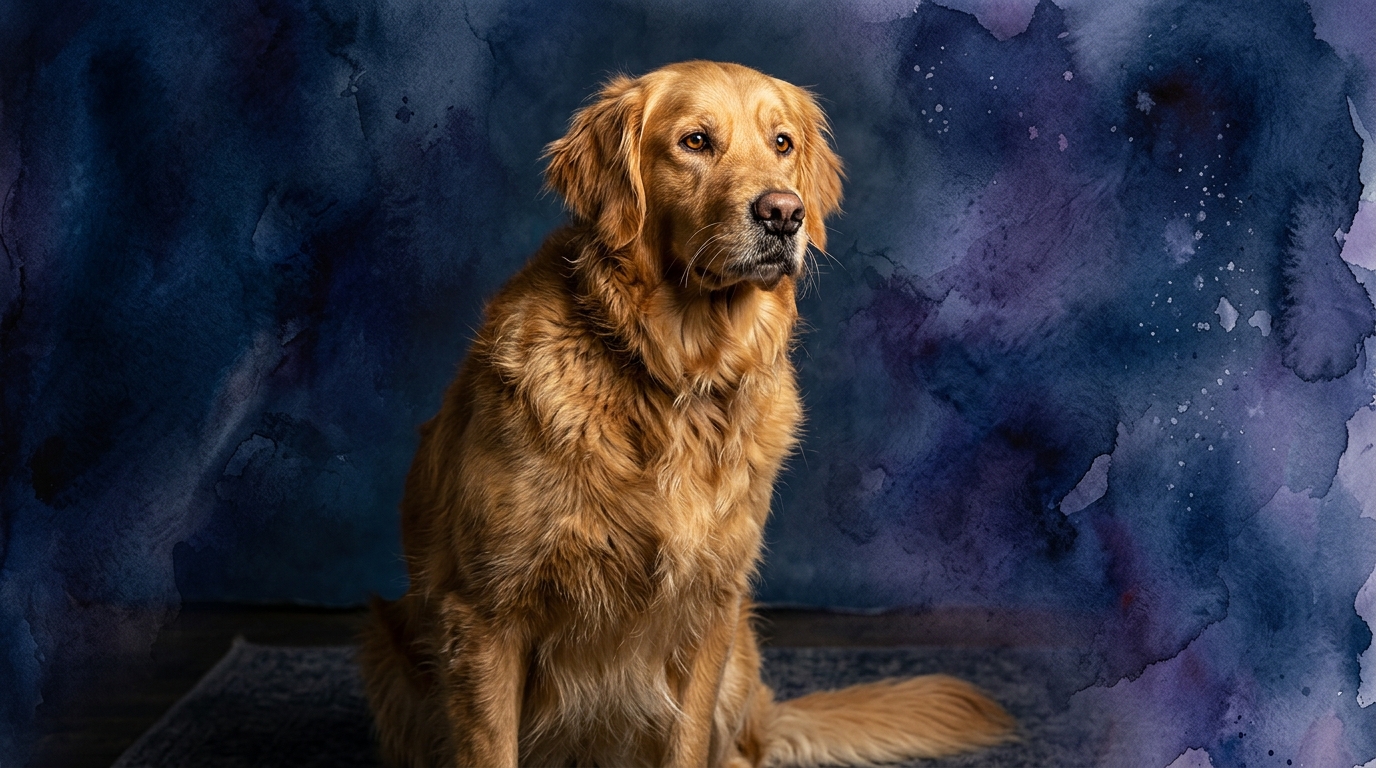
The Cosmic Pet Pet IQ Lab assesses canine intelligence across five key dimensions, revealing nuanced differences between breeds. The Golden Retriever, a Sporting group dog ranking #4 in Coren's scale, exhibits a cognitive profile geared towards cooperative partnership. Its Problem Solving is rated 4/5, indicating an aptitude for figuring out how to achieve human-directed goals, such as manipulating objects or navigating complex environments to retrieve. Training Speed is a standout 5/5, reflecting an exceptional capacity to quickly grasp and retain new commands and routines. Social Intelligence is also top-tier at 5/5, showcasing a profound attunement to human emotional states and social cues, fostering seamless collaboration. An Instinctive Drive of 4/5 points to a strong, manageable drive for retrieving and engaging in directed tasks. Finally, Memory stands at 4/5, demonstrating solid recall for learned information and past experiences.
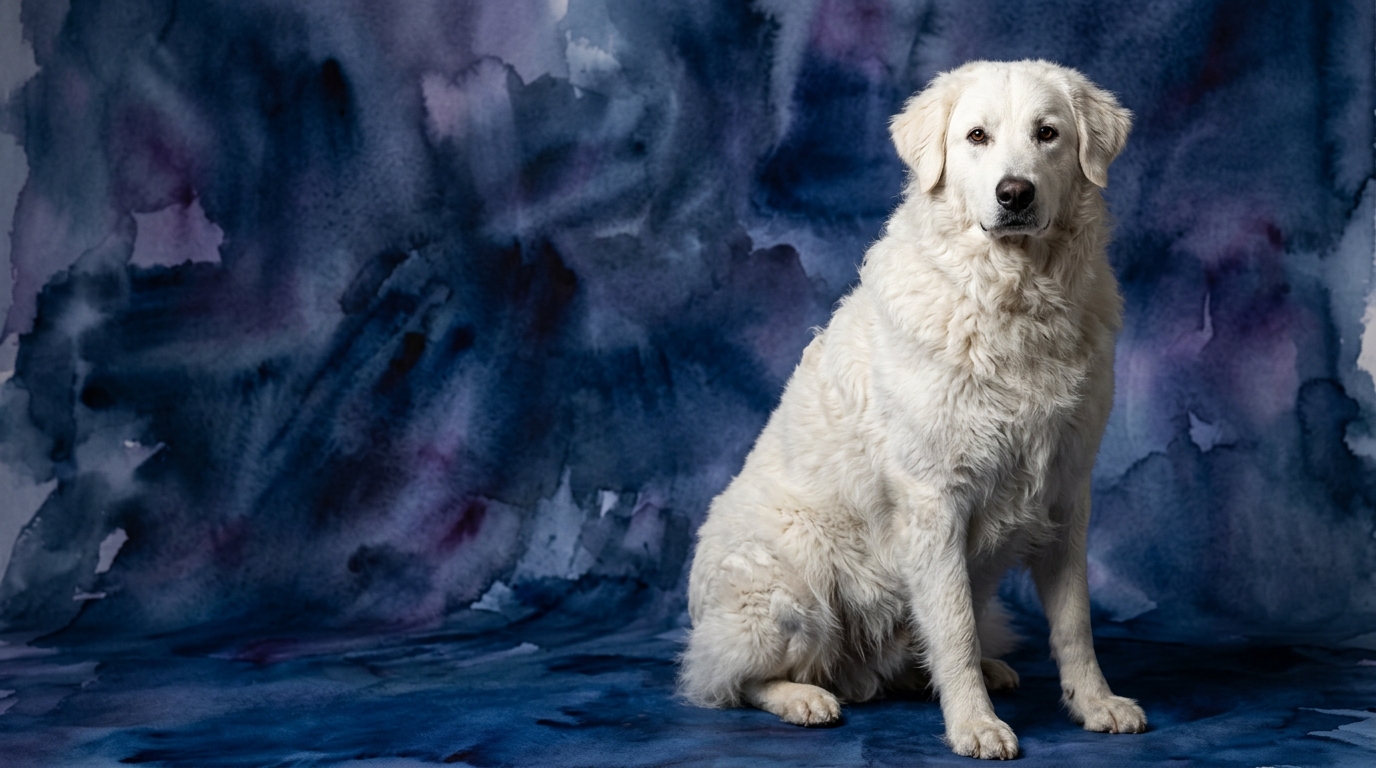
In contrast, the Kuvasz, a Working group dog ranking #42 in Coren's scale, possesses a cognitive architecture suited for independent guardianship. Its Problem Solving is rated 3/5, indicating a capacity for autonomous decision-making, especially in scenarios related to their protective duties, though their solutions may not always align with human expectations in cooperative games. Training Speed is 3/5, suggesting they learn at a moderate pace, often requiring more repetition and consistent reinforcement due to their independent nature. Social Intelligence is 3/5, meaning they are perceptive of their immediate family or flock but generally reserved with strangers, with their social understanding primarily focused on assessing potential threats. An Instinctive Drive of 3/5 reflects a powerful, internally driven guarding instinct that manifests as territorial protection and vigilance. Interestingly, their Memory matches the Golden Retriever's at 4/5, crucial for retaining information about their territory, charges, and distinguishing familiar individuals from potential intruders.
Where the Golden Retriever Excels Cognitively
The Golden Retriever’s cognitive strengths lie profoundly in its capacity for cooperative engagement and rapid learning within human-defined structures. Their exceptional Training Speed (5/5) means they can internalize complex sequences of commands with remarkable efficiency, making them adept at obedience, agility, and service work. This isn't just about rote memorization; it's about forming strong associations between cues, actions, and rewards quickly. Their Social Intelligence (5/5) further amplifies this, allowing them to interpret subtle human gestures, vocal inflections, and emotional states, fostering a deep understanding of what is expected of them in varied situations.
Furthermore, their Problem Solving (4/5) often manifests in a desire to work alongside humans to achieve shared objectives. A Golden Retriever might methodically figure out how to retrieve a specific toy from a pile or navigate an unfamiliar obstacle course, not merely for self-gratification, but with an awareness of the human partner's goal. This cognitive flexibility, combined with their instinctive drive for retrieving, makes them exceptionally versatile in roles requiring collaborative thinking and task completion, a distinct advantage over breeds whose problem-solving is primarily self-directed.
Where the Kuvasz Demonstrates Unique Cognitive Strengths
While the Kuvasz’s scores might appear lower in traditional training metrics, their cognitive advantages are rooted in their ancestral role as self-sufficient livestock guardians. Their Problem Solving (3/5), though not geared towards human-centric games, is highly effective in autonomous decision-making for protection. A Kuvasz can independently assess a perceived threat, determine the best course of action to deter it, and patrol a vast territory, making nuanced judgments without constant human direction. This involves complex cognitive mapping of their environment and real-time risk assessment, a sophisticated form of intelligence distinct from following sequential commands.
The Kuvasz’s Instinctive Drive (3/5) is an internal compass for vigilance and protection, allowing them to remain alert and self-reliant in their duties. This drive is not about retrieving or performing tricks on cue; it's about an unwavering dedication to their charges and territory, requiring minimal external motivation for their primary function. Their Memory (4/5), on par with the Golden, is crucial here; it enables them to reliably remember territory boundaries, identify every member of their flock (human or animal), and distinguish between familiar, safe individuals and potential intruders, a cognitive skill fundamental to their protective role.
Training Dynamics: Which is Easier and Why
The Golden Retriever is notably easier to train, a direct consequence of its superior Training Speed (5/5) and Social Intelligence (5/5). Their inherent eagerness to engage with humans, coupled with an acute ability to interpret directives, makes them highly responsive to positive reinforcement and clear communication. They form associations rapidly, often demonstrating a sustained focus on the trainer and a desire to please, which translates into quicker mastery of new skills and a more straightforward training journey for most owners. Their cooperative nature means they often anticipate cues and are keen to participate.
Conversely, the Kuvasz, with its moderate Training Speed (3/5) and Social Intelligence (3/5), presents a more significant training challenge. Their independent, self-thinking nature means they are less inclined to offer automatic compliance, often evaluating a command's necessity in relation to their own priorities or guarding instincts. Training a Kuvasz demands immense patience, unwavering consistency, and a deep respect for their guardian temperament. Success relies on building a strong foundation of trust and clear, consistent boundaries, rather than expecting eager, immediate obedience. They learn, but often through observation, repetition, and an understanding of their role, rather than enthusiastic compliance for its own sake.
Matching Owners: Active Partnership vs. Dedicated Guardianship
Golden Retrievers are ideal companions for active owners who seek a highly engaged and cooperative partner. Their energetic nature and profound desire for mental stimulation make them excellent candidates for dog sports such as agility, obedience, flyball, or extended outdoor adventures like hiking and swimming. They thrive on structured activities and consistent interaction, benefiting immensely from owners who actively participate in their training, exercise, and daily life. They are dogs that seek to be involved in everything their human family does, flourishing in environments that provide ample opportunities for shared experiences and collaborative tasks.
The Kuvasz, in contrast, is better suited for dedicated owners who appreciate an independent, watchful presence and can provide a clear role and ample space. While they require regular exercise to maintain physical health, their activity often involves patrolling their territory rather than high-octane human-directed sports. They are not dogs for "relaxed" owners in the sense of minimal engagement; rather, they demand owners who understand and respect their self-reliant guardian role, providing consistent leadership, firm (but fair) boundaries, and early, thorough socialization. They thrive with owners who value their protective instincts and can integrate them into a lifestyle that supports their inherent purpose, without expecting constant, effusive interaction or easy compliance in novel social situations.
The Verdict
Opt for a Golden Retriever if you seek an adaptable, eager-to-please companion for cooperative activities, family life, and a wide range of training endeavors.
Select a Kuvasz if you value an independent, dedicated guardian with a strong protective instinct, and are prepared for consistent, patient training tailored to their self-reliant nature.
🧠 Find Your Pet's IQ Score
Our Pet IQ Lab assessment covers 25+ tests across 5 cognitive dimensions — personalized to your breed.
Take the Full IQ Test →Frequently Asked Questions
Are Kuvasz difficult to live with?
Kuvasz are not inherently 'difficult,' but they require experienced owners who understand their independent, protective nature. They need early socialization and consistent, fair training to channel their guarding instincts appropriately, and thrive in environments with clear boundaries and a defined role within the family.
Can Golden Retrievers be good guard dogs?
While Golden Retrievers are alert and will often bark to signal visitors or unusual occurrences, their high social intelligence and friendly disposition mean they are more likely to greet than guard. They lack the inherent territorial and protective instincts characteristic of a true guardian breed like the Kuvasz, making them less suitable for dedicated protection roles.
Do both breeds require a lot of exercise?
Both breeds need regular exercise, but their needs differ significantly in nature. Golden Retrievers require daily engaging activities like fetching, swimming, or long, interactive walks to satisfy their energetic, cooperative drive. Kuvasz need space to patrol and regular walks to maintain physical condition, but their exercise is often tied more to their guarding role and less to high-intensity, human-directed play.