The Cosmic Pet IQ Profile: Golden Retriever vs. Miniature Schnauzer
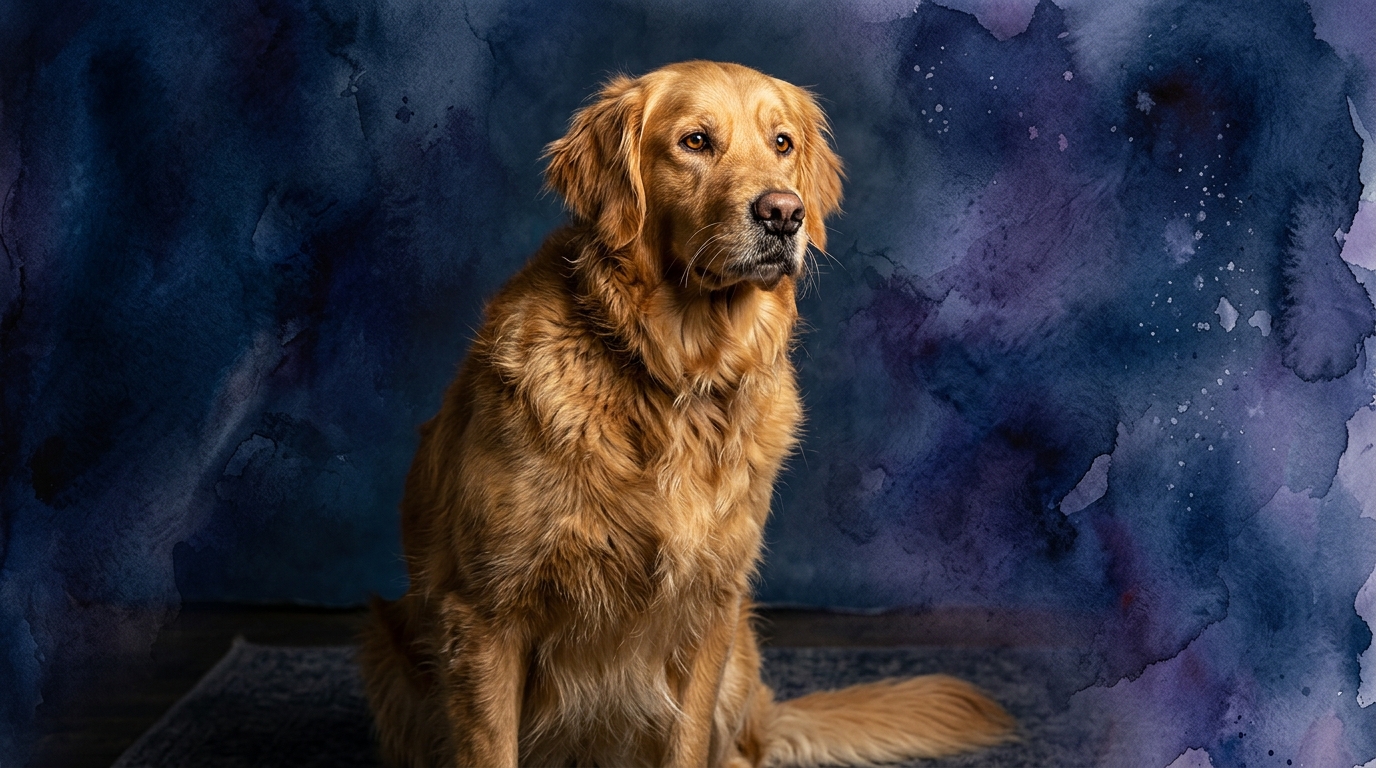
The Golden Retriever, a prominent member of the Sporting Group and holding a Coren rank of #4, showcases a balanced and highly cooperative intelligence. Their problem-solving acumen, rated at 4/5, often manifests in their ability to strategically retrieve objects, navigate varied terrains, or learn complex sequences for tasks, always with an eye towards collaboration. Training speed is exceptional at 5/5, reflecting their profound desire to please and rapid absorption of new commands and routines. Social intelligence, also a perfect 5/5, highlights their remarkable capacity to understand human emotions, respond empathetically, and integrate seamlessly into diverse social settings. An instinctive drive of 4/5 fuels their natural retrieving behaviors and their enjoyment of purposeful work alongside their human companions. Finally, their memory, rated 4/5, allows them to retain a vast repertoire of commands, remember specific people and places, and recall learned experiences effectively.
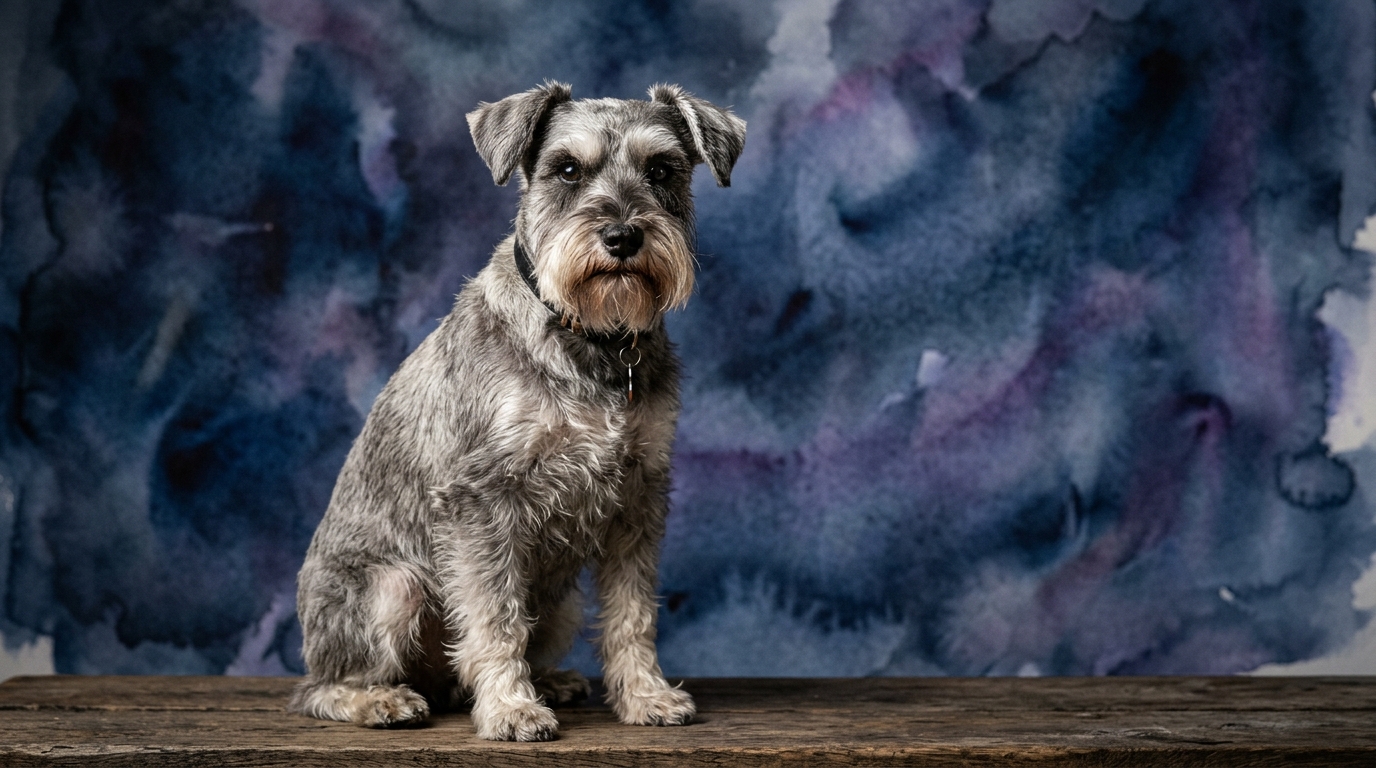
In contrast, the Miniature Schnauzer, a spirited Terrier with a Coren rank of #12, presents a different flavor of cognitive strength. Their problem-solving capability, also 4/5, is often characterized by a tenacious, independent streak, enabling them to ingeniously figure out how to access desired items or outwit small prey, reflecting their vermin-hunting heritage. Training speed matches the Golden at 5/5, indicating their quickness to grasp new concepts and commands, though this learning is sometimes tempered by their independent nature. Social intelligence, rated 4/5, demonstrates their keen observation of family dynamics and their ability to form deep, discerning bonds, often with a reserved approach to strangers. An instinctive drive of 4/5 powers their alert vigilance, their protective instincts, and their persistent pursuit of perceived 'work,' whether it's patrolling the yard or chasing a perceived intruder. Their memory, also 4/5, is robust, allowing them to recall training, routines, and experiences, contributing to their consistent character.
Where the Golden Retriever Excels Cognitively
The Golden Retriever's superior social intelligence (5/5) is a key differentiator, enabling them to excel in roles requiring nuanced understanding of human behavior and emotional states. They possess an innate ability to read subtle cues, anticipate needs, and offer comfort, making them exceptional therapy or assistance dogs. This high social capacity also translates into a remarkable adaptability within family structures, as they readily learn household rules and routines through observation and a desire to maintain harmony.
Their unparalleled training speed (5/5), combined with a strong cooperative drive, means Golden Retrievers not only learn quickly but also enthusiastically apply what they've learned in partnership with their handler. This makes them highly responsive to complex, multi-step commands and perfectly suited for advanced obedience, agility, or field work. Their cognitive strength lies in their willingness to engage in joint problem-solving, often looking to their human companion for guidance and approval, rather than solely relying on independent thought.
Where the Miniature Schnauzer Shines Cognitively
The Miniature Schnauzer's problem-solving (4/5) ability, though numerically similar to the Golden, manifests with a distinct terrier tenacity and independent spirit. Their cognitive strength is rooted in their historical role as vermin hunters, where quick, self-directed thinking was paramount. This means they are adept at figuring out how to get to a desired object, navigate confined spaces, or overcome perceived obstacles through sheer determination and cleverness, often without direct human instruction.
Their instinctive drive (4/5) fuels a keen observational intelligence and an impressive capacity for vigilance. Miniature Schnauzers are quick to notice changes in their environment, assess potential threats, and alert their families, requiring rapid cognitive processing of sensory input. This inherent drive for 'work,' whether it's guarding their territory or outsmarting a squirrel, showcases a resourceful mind that thrives on engagement and purposeful activity, even if that purpose is self-assigned.
Training Ease: A Tale of Two Temperaments
Both breeds boast an impressive training speed of 5/5, yet the practical experience of training them can differ significantly due to their underlying temperaments. A Golden Retriever's training journey is typically smooth, characterized by their eager-to-please nature and high biddability. They are often highly motivated by praise and positive reinforcement, making them seem to effortlessly absorb commands and integrate them into their behavior. Their focus tends to remain on their handler, minimizing environmental distractions.
Conversely, while a Miniature Schnauzer grasps concepts just as quickly, their terrier independence and spirited nature often require a more engaging and consistent approach. They can be prone to momentary stubbornness or a desire to follow their own agenda, especially if a more interesting scent or sight captures their attention. Training a Schnauzer demands creativity and patience from the owner to maintain their focus and demonstrate the value of cooperation. The learning is rapid, but the application requires a firm, fair, and fun methodology to channel their bright, sometimes self-directed, mind.
Matching Lifestyle: Active vs. Relaxed Owners
For active owners seeking a highly integrated and cooperative companion for outdoor adventures, the Golden Retriever is an exceptional choice. Their significant energy levels and instinctive drive for retrieving mean they thrive on long walks, runs, swimming, and engaging in dog sports like agility or dock diving. They flourish when involved in family activities and require consistent mental stimulation alongside physical exercise. Their social intelligence also means they generally adapt well to various social settings, from busy parks to quiet family gatherings, as long as they are with their people.
The Miniature Schnauzer, while also requiring regular exercise, can adapt to a slightly less demanding physical routine than a Golden, making them suitable for active owners who also appreciate periods of indoor calm. They enjoy brisk walks, interactive play sessions, and exploring their surroundings, often with a keen nose. Their vigilance and observational skills mean they are content to 'patrol' the house or yard, providing mental engagement. They are adaptable to apartment living provided their exercise and mental stimulation needs are consistently met, offering a spirited yet manageable companionship for owners who enjoy a dog with a distinct personality and independent streak.
The Verdict: When to Choose Each Breed
The Verdict
Choose a Golden Retriever if you desire a highly cooperative, empathetic companion who thrives on social interaction, excels in structured training, and wants to be an integral part of every family activity, especially those involving outdoor adventures.
Opt for a Miniature Schnauzer if you appreciate a spirited, independent thinker with strong problem-solving skills, a vigilant nature, and a loyal devotion to their family, offering adaptable companionship for active owners who enjoy engaging a dog with distinct personality.
🧠 Find Your Pet's IQ Score
Our Pet IQ Lab assessment covers 25+ tests across 5 cognitive dimensions — personalized to your breed.
Take the Full IQ Test →Frequently Asked Questions
Are Golden Retrievers generally better suited for first-time dog owners?
Generally, yes. Their high biddability, strong desire to please, and social intelligence make them highly responsive to training and more forgiving of novice mistakes, offering a rewarding experience for new owners.
Do Miniature Schnauzers require more grooming than Golden Retrievers?
Yes, Miniature Schnauzers typically require more intensive grooming. Their double coat needs regular brushing, and professional clipping or hand-stripping every 6-8 weeks is essential to maintain coat health and appearance, whereas Golden Retrievers primarily need regular brushing to manage shedding.
Which breed is more prone to barking as a form of communication?
Miniature Schnauzers tend to be more vocal than Golden Retrievers. Their innate vigilance and alert nature mean they are more inclined to bark to announce visitors, perceived threats, or changes in their environment, whereas Goldens are generally quieter unless specifically trained to bark for a purpose.