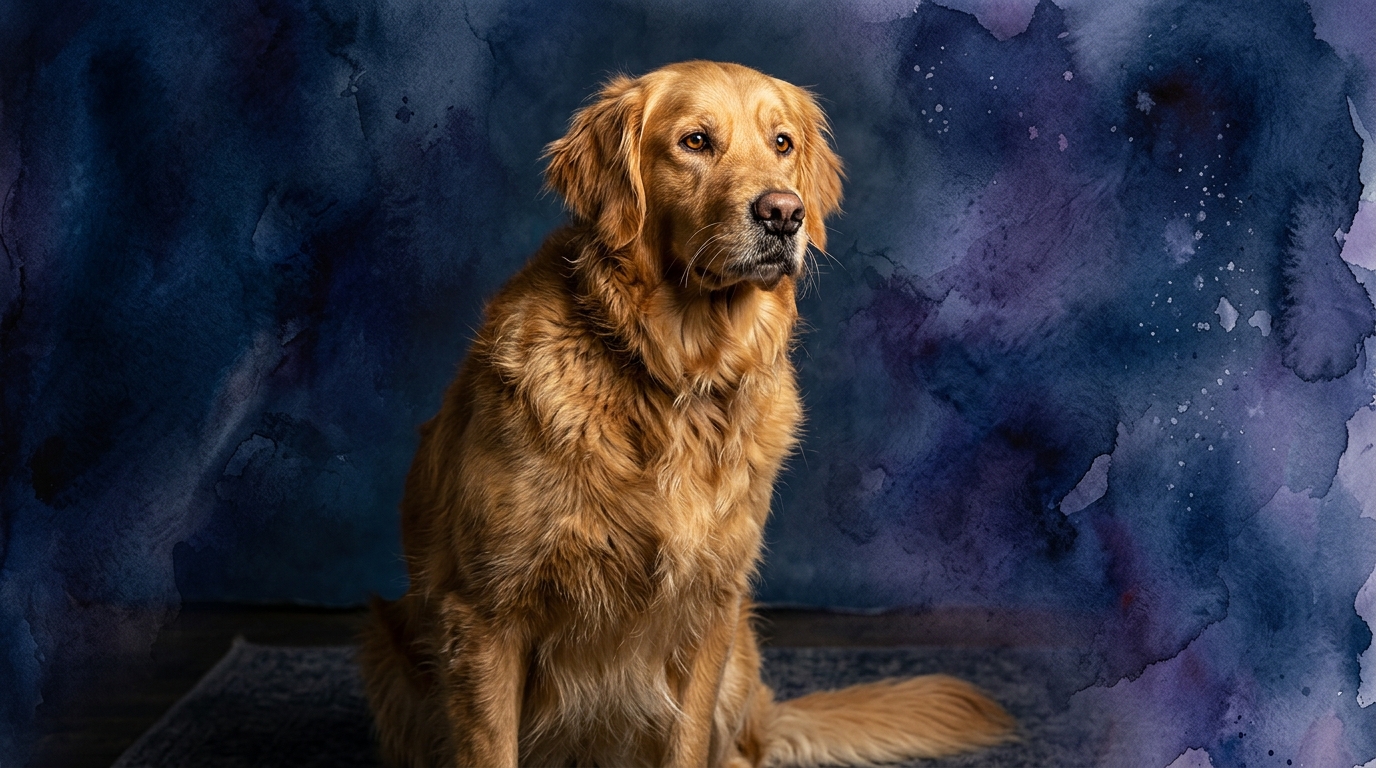
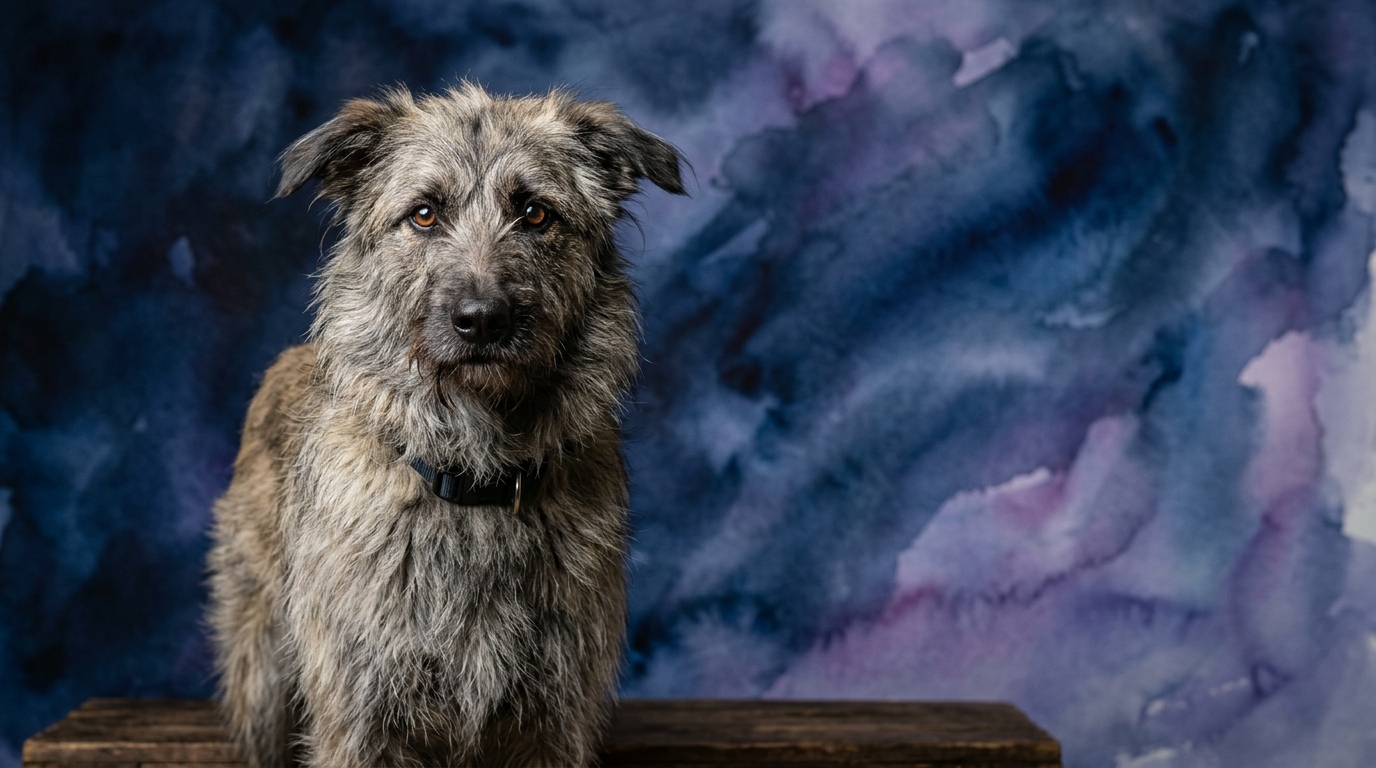
Side-by-Side Cognitive Profiles: Golden Retriever vs. Pyrenean Shepherd
The Cosmic Pet Pet IQ Lab employs a five-dimensional framework to assess canine cognition, providing a nuanced view beyond simple obedience. This allows us to dissect the specific strengths and tendencies of each breed, offering a clearer picture of their intrinsic mental makeup.
For the Golden Retriever, a prominent Sporting Group member and ranked #4 by Stanley Coren, their profile reflects a strong aptitude for human-centric tasks. Their Problem Solving is rated 4/5, indicating a solid capacity to navigate novel challenges. Training Speed stands at an exceptional 5/5, showcasing their rapid grasp of new commands and routines. Social Intelligence is also top-tier at 5/5, highlighting their deep understanding of human cues and emotional states. Their Instinctive Drive, primarily retrieving, scores 4/5, while Memory for learned behaviors and associations is a robust 4/5.
The Pyrenean Shepherd, a dynamic Herding Group dog, presents a different cognitive blueprint, reflecting its heritage as an independent flock manager. This breed is not Coren-ranked, which is common for breeds whose primary cognitive strengths lie in autonomous working roles rather than strict obedience. Across all five dimensions—Problem Solving, Training Speed, Social Intelligence, Instinctive Drive, and Memory—the Pyrenean Shepherd consistently scores 3/5. This suggests a dog with competent cognitive abilities, but perhaps expressed differently or requiring a more specialized approach than breeds with higher scores in typical companion dog metrics.
These scores are not absolute measures of a dog's worth but rather indicators of predisposition. A 3/5 for a Pyrenean Shepherd in Problem Solving, for example, means they are competent, not lacking. It signifies that their problem-solving might be more geared towards environmental challenges in a field rather than human-designed puzzles, and their learning might require more intrinsic motivation or a different teaching style.
Where the Golden Retriever Excels Cognitively
The Golden Retriever’s cognitive profile shines brightest in areas emphasizing cooperation, rapid learning, and social attunement. Their 5/5 score in Training Speed means they absorb new commands and behaviors with remarkable alacrity. This isn't just about repetition; it's about their eagerness to engage with their human trainers and their ability to quickly associate actions with outcomes, making them highly receptive to positive reinforcement methods.
Their superior Social Intelligence (5/5) is another significant cognitive strength. Golden Retrievers possess a profound capacity to read human body language, vocal tones, and emotional states, allowing them to adapt their behavior to suit social contexts. This makes them exceptional companions, therapy dogs, and service animals, as they are inherently attuned to the nuances of human interaction and strive to please.
Furthermore, the Golden Retriever's Problem Solving (4/5) and Memory (4/5) scores contribute to their adaptability. They can learn complex sequences of tasks, remember a wide array of commands, and apply previously learned solutions to new, similar challenges. This combination of traits makes them highly versatile, capable of excelling in diverse activities from advanced obedience to scent work and agility, always with an eye toward collaboration with their handler.
Their Instinctive Drive (4/5), primarily focused on retrieving, is channeled and refined through training, becoming a powerful motivator for work. This drive, coupled with their biddability, allows them to focus intensely on tasks involving finding and returning objects, a cognitive process requiring sustained attention and spatial memory.
Where the Pyrenean Shepherd's Cognition Stands Out
While the Pyrenean Shepherd’s scores of 3/5 across the board might seem modest compared to the Golden, these numbers reflect a different type of cognitive prowess, one honed for independent action and nuanced environmental interaction. Their Instinctive Drive (3/5), though numerically lower than the Golden's retrieving drive, is intensely focused on herding. This drive manifests as an innate ability to read and control livestock, requiring sophisticated spatial reasoning, predictive behavior analysis, and quick decision-making in dynamic situations, often without direct human command.
The Pyrenean Shepherd’s Problem Solving (3/5) is less about solving human-designed puzzles and more about practical, on-the-spot solutions in a working environment. This could involve figuring out how to re-gather a scattered flock, navigating challenging terrain to move animals, or outsmarting a stubborn sheep. Their problem-solving is often self-initiated and driven by the demands of their task, showcasing a practical, independent intelligence crucial for a herding dog.
Their Social Intelligence (3/5), while not as overtly people-focused as a Golden's, is deeply developed within the context of their work. This involves understanding the hierarchy of a flock, communicating with other herding dogs, and forming a deep, albeit sometimes reserved, bond with their primary handler. They are perceptive and sensitive to their human companion's subtle cues, though they may not seek constant affirmation.
The Pyrenean Shepherd’s Memory (3/5) allows them to retain complex herding patterns, remember the layout of fields, and recall specific animal behaviors. Their Training Speed (3/5) indicates they are capable learners, but they may require more patience and a different motivational approach, often responding best to tasks that align with their innate drives and allow for some autonomy. They are not necessarily slow, but they may process information or respond to commands with a more independent spirit.
Ease of Training: Golden Retriever vs. Pyrenean Shepherd
When it comes to ease of training for the average owner, the Golden Retriever generally presents a more straightforward experience. Their exceptional Training Speed (5/5) combined with their high Social Intelligence (5/5) means they are inherently eager to please and highly responsive to human direction. They thrive on positive reinforcement, quickly understanding what is expected of them and performing tasks with enthusiasm. Their biddability and focus on their handler make them a joy to teach, whether it's basic obedience, complex tricks, or specialized work.
The Pyrenean Shepherd, with a Training Speed of 3/5, requires a different approach and more experienced handling. Bred to work independently and make their own decisions in the field, they possess a strong will and can be more sensitive and less overtly compliant than a Golden. They might question commands or display a 'what's in it for me?' attitude. Training a Pyrenean Shepherd demands consistency, patience, and a deep understanding of their herding instincts. Their intelligence is geared towards independent problem-solving, not necessarily blind obedience, which can be perceived as stubbornness by novice trainers.
Real behavioral differences highlight this contrast: a Golden Retriever will typically look to its owner for guidance and approval in new situations, readily offering behaviors to earn praise or treats. A Pyrenean Shepherd, conversely, might assess the situation independently and act based on its own judgment or herding instincts, potentially requiring more effort to redirect or channel that innate drive into desired behaviors. Their herding tendencies can lead to nipping at heels or circling people if not appropriately managed and given an outlet.
Matching Canine Cognition to Owner Lifestyles
Understanding these distinct cognitive profiles is crucial for matching a dog to an owner's lifestyle. For active owners seeking a highly engaged and versatile companion, both breeds offer significant rewards, but their energy and mental needs diverge in nature. The Golden Retriever flourishes with varied physical activity—swimming, retrieving games, long walks—and mentally stimulating tasks that involve collaboration and social interaction. They are adaptable and can thrive in diverse family settings, provided their needs for exercise and companionship are met.
The Pyrenean Shepherd demands a different kind of active owner. Their energy is intense and purpose-driven, requiring not just physical exertion but also significant mental engagement, ideally through a 'job.' Activities like herding, advanced agility, flyball, or long, purposeful hikes are essential to satisfy their instinctive drives and prevent boredom-induced behaviors. A Pyrenean Shepherd needs an owner who understands and can channel their independent, watchful nature, providing consistent structure and outlets for their formidable working intelligence.
For owners leaning towards a more relaxed lifestyle, neither breed is truly suitable for a sedentary existence. However, a moderately active owner might find a Golden Retriever more adaptable, as their innate desire to please means they are generally more forgiving of minor inconsistencies in routine, as long as their core needs for exercise and social interaction are met. They are happy to participate in family activities and enjoy being at the center of attention.
A Pyrenean Shepherd would likely struggle immensely in a relaxed home without a dedicated outlet for their energy and mental drive. Their 3/5 instinctive drive, while not a 5/5, is still potent and requires an owner committed to providing consistent, challenging engagement. Without it, their independent problem-solving might turn to destructive behaviors, and their reserved social intelligence could lead to anxiety or reactivity. They are best suited for highly committed, active owners who appreciate and can manage a dog with a strong, independent working temperament.
The Verdict: When to Choose Each Breed
The choice between a Golden Retriever and a Pyrenean Shepherd hinges on an owner's lifestyle, experience, and what they seek in a canine companion. Each breed offers a unique set of cognitive strengths that align with different human expectations and environments.
Verdict: When to Choose Each
The Verdict
Choose a Golden Retriever if you seek an adaptable, eager-to-please companion who thrives on social interaction and structured learning, integrating seamlessly into a variety of family lifestyles with consistent activity. Their high social intelligence and training speed make them excellent choices for first-time owners or those desiring a highly biddable partner.
Opt for a Pyrenean Shepherd if you are an experienced dog owner, particularly interested in dog sports or a dedicated working partner, who can provide immense mental and physical stimulation, appreciates an independent spirit, and is prepared for a more intense, nuanced training commitment. Their unique problem-solving and instinctive drives require a specific, dedicated approach.
🧠 Find Your Pet's IQ Score
Our Pet IQ Lab assessment covers 25+ tests across 5 cognitive dimensions — personalized to your breed.
Take the Full IQ Test →Frequently Asked Questions
Are Pyrenean Shepherds good family dogs?
Pyrenean Shepherds can be wonderful family dogs for the right household, forming deep bonds with their immediate family. However, they are often reserved with strangers and require extensive socialization from a young age, along with consistent outlets for their high energy and working drives, to be well-adjusted companions.
Do Golden Retrievers need a lot of exercise?
Yes, Golden Retrievers are active dogs that require significant daily physical activity and mental engagement to prevent boredom and maintain their well-being. This includes daily walks, retrieving games, swimming, and opportunities for social interaction and learning new tasks to satisfy their intelligent and cooperative nature.
Which breed is better for first-time dog owners?
For first-time dog owners, the Golden Retriever is generally a more suitable choice due to their higher scores in training speed and social intelligence, making them more biddable and forgiving of novice training mistakes. The Pyrenean Shepherd's independent nature and specific working drives require more experience and a dedicated, consistent approach.