Side-by-Side IQ Profile
The Cosmic Pet Pet IQ Lab evaluates canine cognition across five crucial dimensions, offering a granular view of each breed’s intellectual architecture. Understanding these specific scores helps illuminate not just what a dog can do, but how they prefer to interact with their environment and human companions.
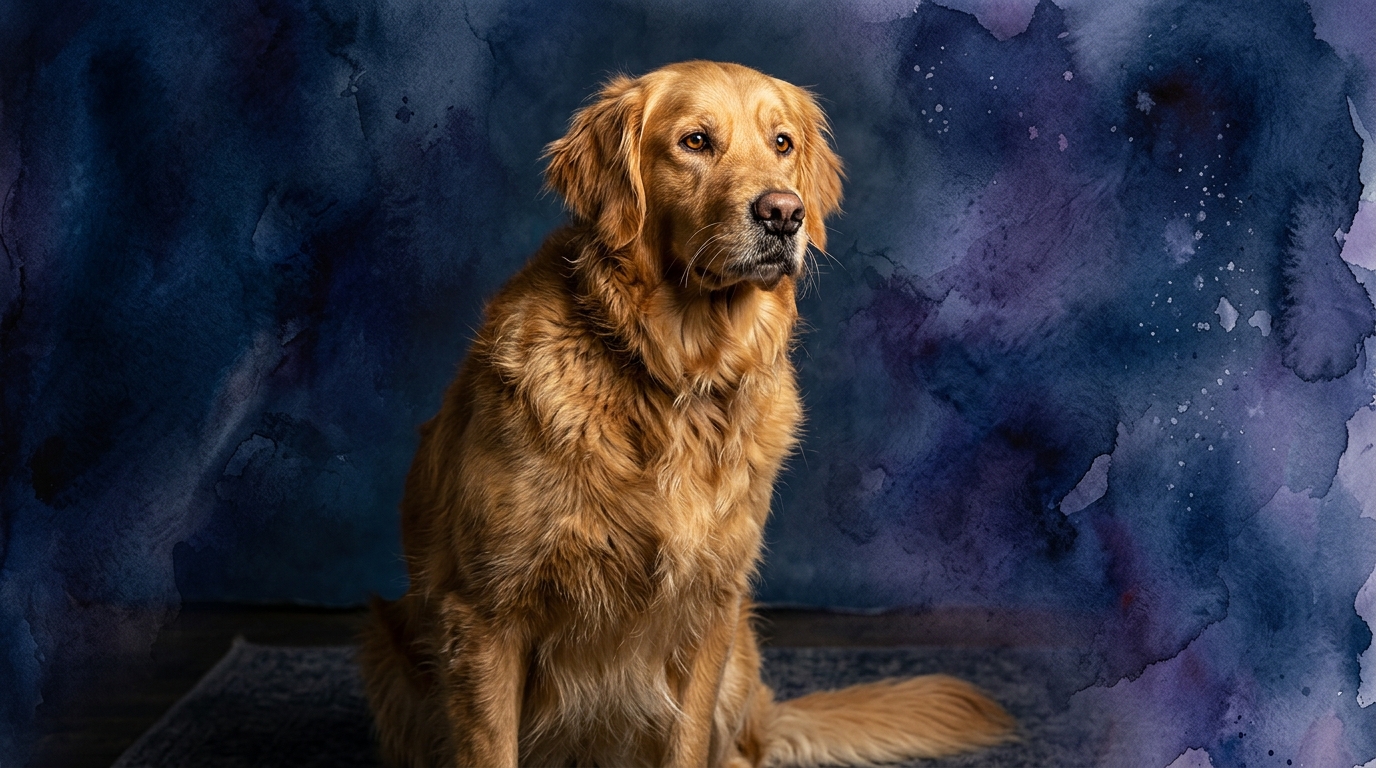
The **Golden Retriever**, a Sporting breed ranking #4 on Coren's scale, demonstrates a cognitive profile optimized for cooperative partnership and versatile performance. Their Problem Solving is rated 4/5, indicating a robust capacity for navigating novel situations and figuring out solutions, often relying on learned patterns and keen observation. Training Speed is a standout at 5/5, reflecting their impressive alacrity in absorbing new commands and routines, driven by an eagerness to please. Their Social Intelligence is also top-tier at 5/5, making them masters of reading human emotions and intentions. Instinctive Drive, rated 4/5, is strong and typically channeled into cooperative tasks like retrieving. Finally, their Memory at 4/5 ensures they retain commands, routines, and experiences over long periods, allowing for consistent performance.
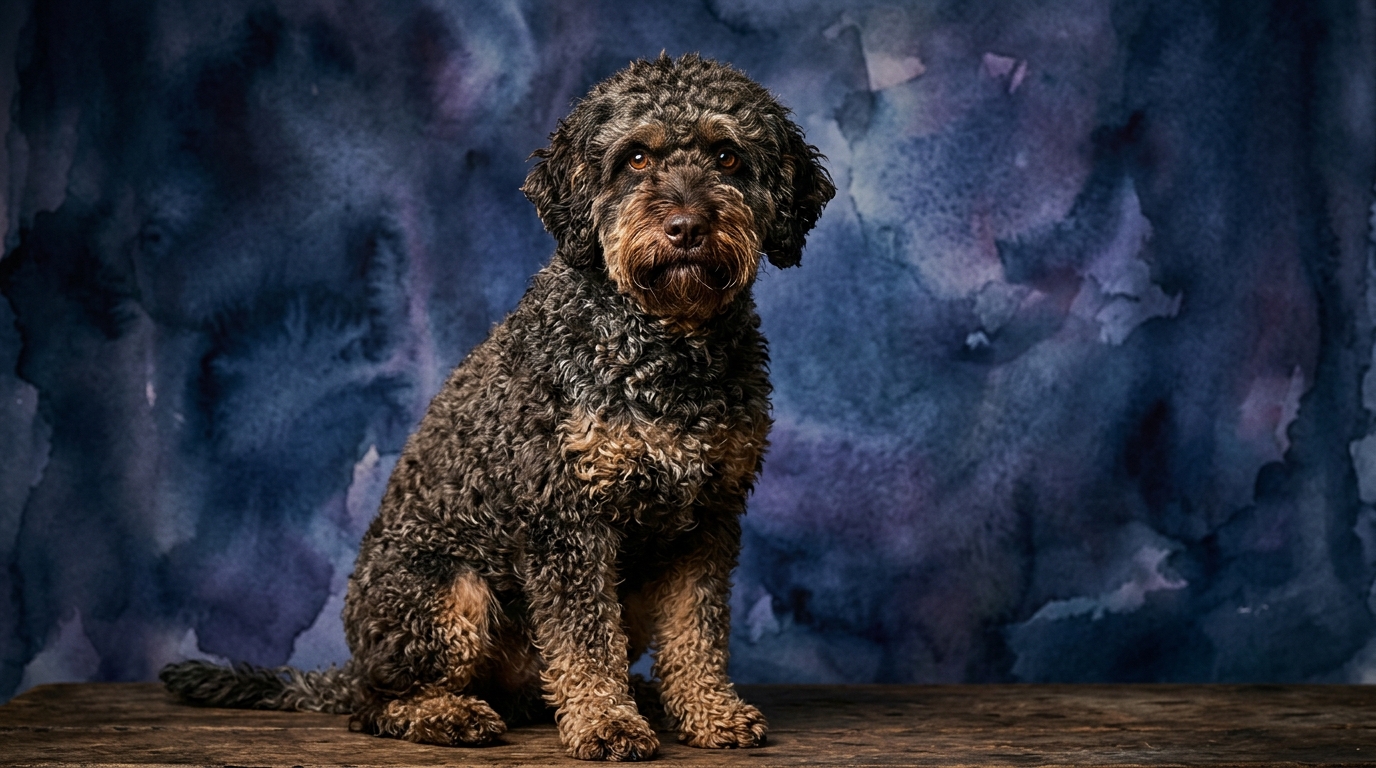
In contrast, the **Spanish Water Dog**, a Herding breed not ranked by Coren, presents a different cognitive emphasis. Their Problem Solving scores 3/5, suggesting a practical, often independent approach to challenges, focusing on resourcefulness within their working environment rather than human-designed puzzles. Training Speed is 3/5, meaning new commands require patience and consistent repetition, influenced by their independent nature. Social Intelligence also stands at 3/5; while capable of strong bonds, their interactions are often more functionally oriented than overtly demonstrative. Instinctive Drive is 3/5, a balanced intensity that allows them to perform duties without becoming overly obsessive, facilitating adaptability. Their Memory, rated 3/5, is functional and reliable for retaining important lessons and routines relevant to their tasks, though it may require more reinforcement.
Where Golden Retriever Excels Cognitively
The Golden Retriever’s cognitive profile showcases a breed engineered for harmonious partnership and versatile performance, particularly excelling in areas directly linked to human interaction and directed tasks. Their top-tier Training Speed (5/5) is a standout, meaning a Golden can grasp new commands and complex sequences with remarkable swiftness, often requiring fewer repetitions than many other breeds. This isn't just about efficiency; it's about a profound eagerness to engage and cooperate, making them highly receptive to instruction and feedback. This rapid learning curve is beautifully complemented by their exceptional Social Intelligence (5/5). Goldens are adept at reading human body language, vocal tones, and emotional states, allowing them to anticipate desires and react appropriately. They don't just follow commands; they understand the context and intent behind them, fostering an incredibly intuitive bond with their handlers. Furthermore, their Problem Solving (4/5) combined with Memory (4/5) enables them to not only learn solutions but also to recall and apply them consistently across various scenarios. A Golden Retriever faced with a gate latch or a dropped toy under furniture will often systematically work through options, drawing on past successes, rather than resorting to brute force or giving up. Their Instinctive Drive (4/5), while strong, is channelled into cooperative tasks like retrieving, providing a clear, directed purpose that aligns seamlessly with human goals, making them highly motivated partners in everything from obedience trials to assistance work.
Where Spanish Water Dog Excels Cognitively
While the Spanish Water Dog's IQ scores might appear numerically lower than the Golden Retriever's, it's crucial to understand these metrics within the context of their historical role, which fostered a distinct set of cognitive strengths. Their Problem Solving (3/5) isn't about rapid human-directed puzzle-solving, but rather about practical, on-the-spot resourcefulness essential for managing livestock across varied terrains. This often translates into independent decision-making – a dog assessing a situation and acting without constant human prompting, a trait highly valued in a herding partner. They learn through observation and experience within their environment, developing a robust, if not always swift, understanding of how to achieve practical outcomes. Similarly, their Instinctive Drive (3/5) is precisely calibrated for sustained, adaptable work. Unlike breeds with an overwhelming, singular drive, the Spanish Water Dog's moderate intensity allows them to shift focus, disengage from one task to address another, or work for extended periods without becoming overly fixated. This adaptability is a cognitive asset in dynamic herding situations where conditions constantly change. Their Memory (3/5) is functional and reliable for retaining crucial working patterns and routines, ensuring consistency in their duties. While they may not recall every incidental detail, they reliably remember the core tasks and boundaries essential for their job. The Spanish Water Dog's cognitive profile, therefore, points to a self-sufficient, adaptable working partner whose intelligence is expressed through practical application and independent thought, rather than through a strong desire for constant human direction or rapid acquisition of abstract commands.
Which is Easier to Train and Why
When considering ease of training, the Golden Retriever holds a distinct advantage, primarily due to their stellar Training Speed (5/5) and Social Intelligence (5/5). Goldens possess an innate desire to please their human companions, making them highly receptive to instruction and eager to perform. Their focus on human interaction means they are constantly looking to their handler for cues and feedback, accelerating the learning process. They quickly connect actions with rewards and consequences, requiring fewer repetitions to solidify new behaviors. This biddability makes complex obedience routines, tricks, and even specialized assistance tasks relatively straightforward to teach.
In contrast, the Spanish Water Dog, with a Training Speed of 3/5, presents a different training dynamic. While capable of learning, their independent herding background means they are often wired to make their own decisions in the field, rather than solely awaiting human instruction. This self-reliance can manifest as a perceived stubbornness or a slower response to commands, requiring more patience, consistency, and creative motivation from the trainer. They need to understand the 'why' behind a command, or at least be strongly convinced it's worth their effort. Their social intelligence, while present, is less geared towards constant human-centric cooperation, meaning a trainer must work harder to establish themselves as a valued leader and partner, rather than simply an instructor. Training a Spanish Water Dog often involves harnessing their natural drives and channeling their independent problem-solving into desired behaviors, rather than simply dictating actions.
Which Suits Active Owners vs Relaxed Owners
The cognitive profiles of these two breeds offer clear guidance on which might better suit different owner lifestyles. For highly active owners who thrive on structured activities and close partnership, the Golden Retriever is an exceptional fit. Their high Social Intelligence and Instinctive Drive (4/5, often directed towards cooperative retrieval) mean they flourish with engaging activities like advanced obedience, agility, fetch, and therapy work. They crave mental stimulation that involves human interaction and problem-solving within a shared context. A Golden Retriever with an under-stimulated mind can become bored, potentially leading to undesirable behaviors, but they are generally keen to channel their energy into positive, directed outlets with their family.
Conversely, while also requiring significant activity, the Spanish Water Dog's cognitive makeup aligns well with active owners who appreciate a more independent working partner and are prepared for consistent mental engagement that taps into their herding roots. Their moderate Problem Solving (3/5) and Instinctive Drive (3/5) still demand an outlet for their intelligence and physical energy. They thrive on tasks that allow them to use their brains and bodies, such as herding games, scent work, or long hikes where they can 'work' alongside their owner. They are less likely to demand constant human attention for their mental stimulation, often content to observe and patrol, but they do require a purpose. For truly relaxed owners who prefer minimal structured activity or intellectual engagement, neither breed is an ideal choice, as both possess a drive for activity and mental challenge. However, between the two, the Golden Retriever's cooperative nature might be more forgiving of slight lapses in mental stimulation, provided their social needs are met, whereas the Spanish Water Dog's independence could lead to more self-directed (and potentially unwanted) problem-solving if left without appropriate outlets.
The Verdict
Choose the Golden Retriever if you seek a highly cooperative, rapidly trainable companion eager to engage in diverse, human-centric activities and thrive on social connection.
Opt for the Spanish Water Dog if you appreciate an independent, resourceful partner for active pursuits that value self-reliance and practical problem-solving in dynamic environments.
🧠 Find Your Pet's IQ Score
Our Pet IQ Lab assessment covers 25+ tests across 5 cognitive dimensions — personalized to your breed.
Take the Full IQ Test →Frequently Asked Questions
Is the Golden Retriever always easier to live with than a Spanish Water Dog?
Not necessarily. While Goldens are generally more biddable and socially attuned, their high energy and need for constant engagement require significant owner commitment. A Spanish Water Dog, though more independent, can be a calm and devoted companion for owners who understand and cater to their specific working-breed needs and provide consistent outlets for their cognitive drives.
Do Spanish Water Dogs require less mental stimulation because their IQ scores are lower?
No, lower scores in specific IQ dimensions do not mean less need for mental stimulation. The Spanish Water Dog's cognitive profile indicates a different type of intelligence, one geared towards independent problem-solving and practical application. They still require consistent mental challenges, often through 'work' or activities that engage their herding instincts and resourcefulness, to prevent boredom and undesirable behaviors.
How does a dog's Coren ranking relate to The Cosmic Pet Pet IQ Lab scores?
Stanley Coren's rankings primarily assess 'working and obedience intelligence,' focusing on trainability and command comprehension. The Cosmic Pet Pet IQ Lab offers a broader, multi-dimensional view, breaking down intelligence into problem-solving, training speed, social intelligence, instinctive drive, and memory, providing a more granular understanding of a breed's cognitive strengths beyond just obedience.