Side-by-Side Cognitive Profiles: Gordon Setter vs. Border Terrier
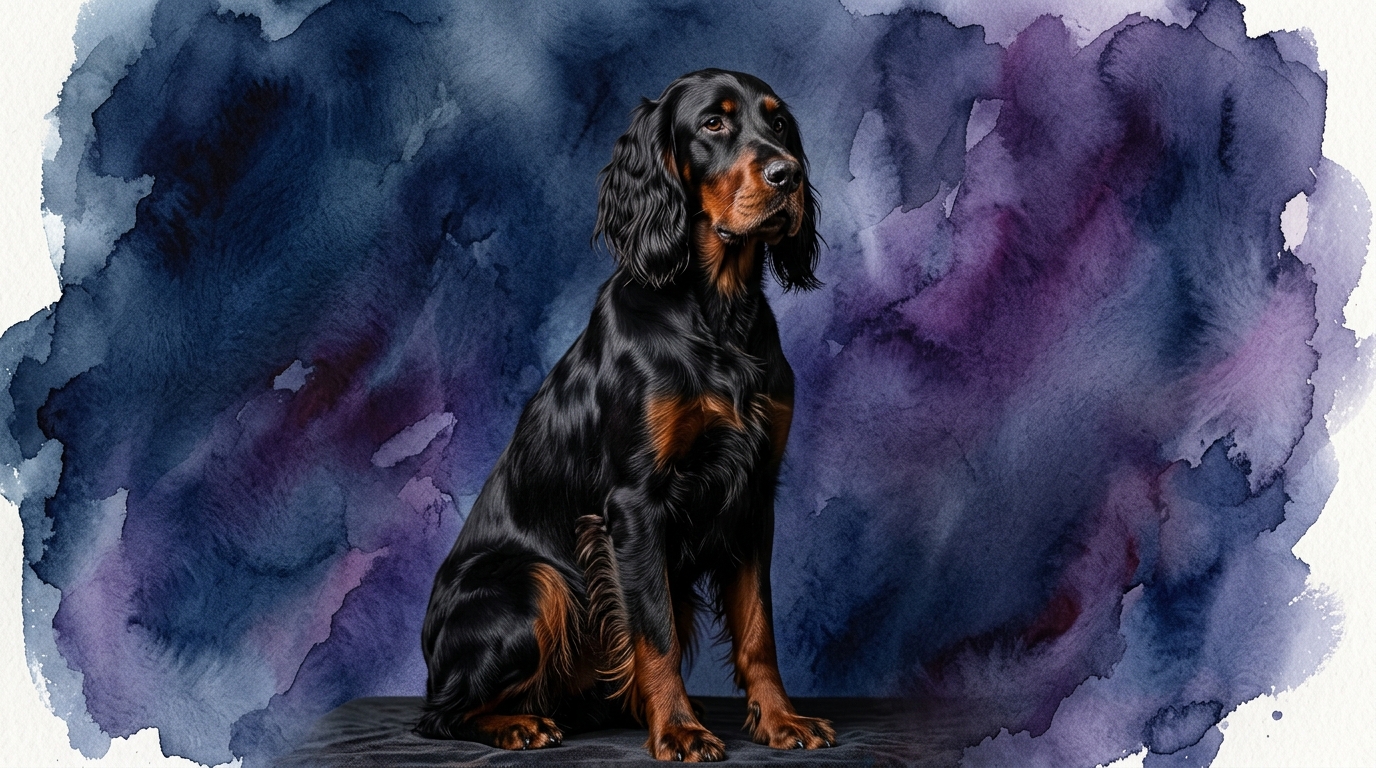
The Gordon Setter, with a Coren rank of #39, presents a robust intellectual framework. Its 4/5 problem-solving score reflects a methodical intelligence, often applied to complex environmental navigation and strategic decision-making in the field. This breed excels at figuring out how to systematically cover ground, locate hidden objects using scent, and interpret subtle cues from its surroundings to achieve a goal, demonstrating a patient and analytical approach to challenges.
A 4/5 training speed signifies their commendable ability to absorb and retain new commands and routines with efficiency, often requiring fewer repetitions than many breeds to solidify a behavior. Their 3/5 social intelligence indicates a capacity for strong bonds and reading human intent, though they retain an independent streak. The 3/5 instinctive drive is distinctly geared towards cooperative bird hunting, translating into focused pursuit and exploration that can be effectively channeled. Finally, a 4/5 memory ensures they retain learned behaviors, intricate scent patterns, and spatial layouts over extended periods, making their training cumulative and reliable.
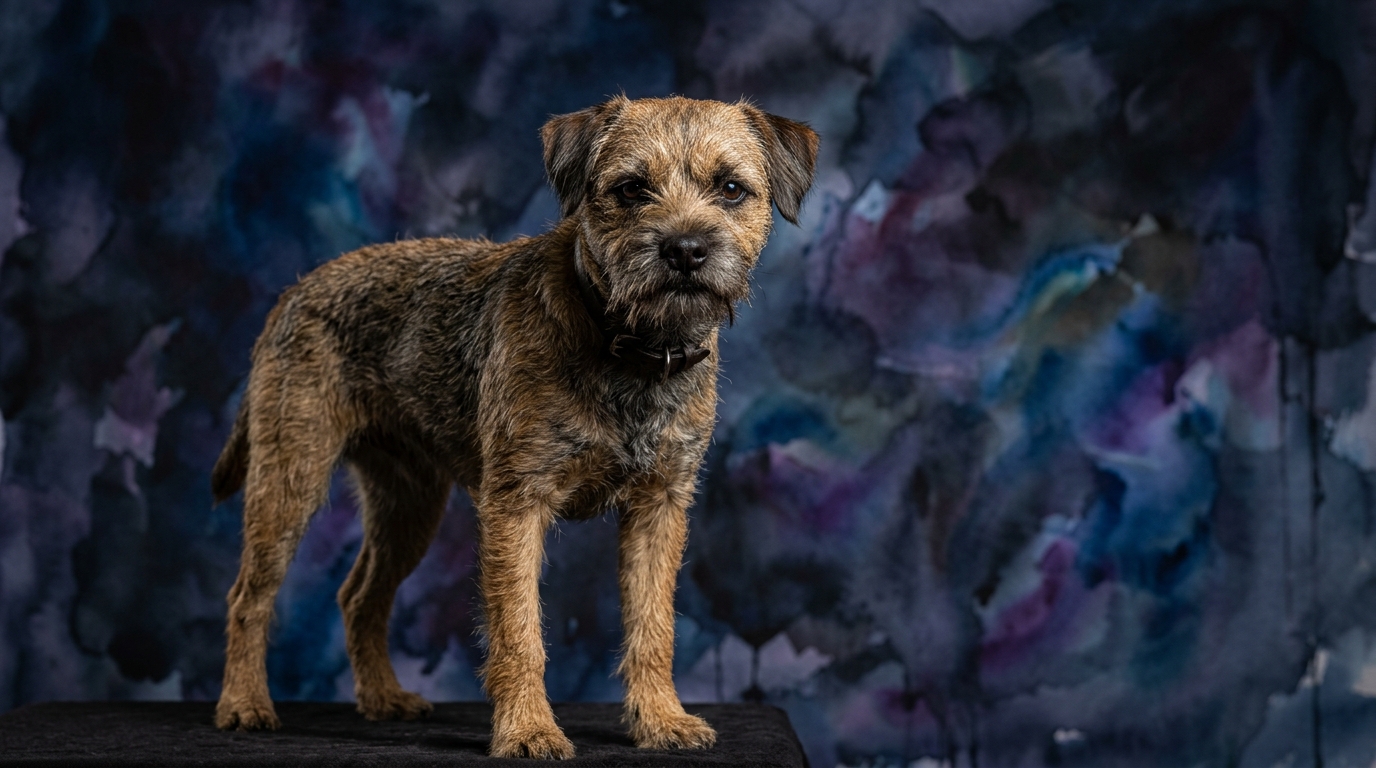
The Border Terrier, holding a Coren rank of #30, showcases a sharp, tenacious intellect. Its 4/5 problem-solving acumen is characterized by ingenuity and a rapid, often trial-and-error approach to overcoming obstacles, particularly in tight or challenging situations. They are adept at devising clever solutions to gain access to desired items or locations, exhibiting a persistent drive to figure things out.
Matching the Setter, their 4/5 training speed highlights a solid aptitude for quickly learning new tasks and commands, responding well to engaging, reward-based methods. Their 3/5 social intelligence allows them to interact effectively with their environment and companions, though their assertive terrier nature ensures they make their presence known. The 3/5 instinctive drive is powerfully rooted in vermin hunting, manifesting as a persistent digging impulse, a strong chase instinct for small animals, and an unwavering approach to tasks. Like the Setter, their 4/5 memory ensures excellent long-term recall for commands, routines, and successful strategies, reinforcing their adaptable and resourceful nature.
Where the Gordon Setter Shines Cognitively
The Gordon Setter’s 4/5 problem-solving skill, while numerically identical to the Border Terrier’s, often manifests as a more patient, methodical approach to complex, multi-stage tasks, especially those involving large open areas. For instance, when tasked with locating a hidden dummy in a vast field, a Gordon Setter might systematically quarter the area, using its superior scenting ability and spatial memory to efficiently cover ground, demonstrating a strategic rather than purely opportunistic problem-solving style. Its 4/5 memory is particularly adept at recalling intricate scent trails, specific cover patterns, and the precise locations of past finds, allowing it to retrace steps or remember productive hunting spots with remarkable accuracy over long periods. This sustained cognitive focus, coupled with a 3/5 instinctive drive specifically geared towards cooperative hunting, means the Gordon Setter excels at tasks requiring prolonged engagement and collaboration with a human partner, such as complex tracking or advanced obedience routines that demand continuous attention and a steady work ethic.
Where the Border Terrier Holds a Cognitive Edge
Conversely, the Border Terrier’s 4/5 problem-solving acumen shines brightest in scenarios demanding quick, independent thinking and cleverness, particularly within confined or challenging environments. Faced with a complex puzzle toy or a seemingly inaccessible treat, a Border Terrier might rapidly experiment with various manipulation techniques, demonstrating a tenacious trial-and-error approach that often leads to swift success, showcasing ingenuity rather than systematic patience. Its 4/5 training speed, combined with a 3/5 instinctive drive that emphasizes independent pursuit, means it learns quickly but applies that learning with a distinct self-reliance. This makes the Border Terrier exceptionally good at tasks requiring a degree of initiative and adaptability, such as navigating a complex agility course with minimal handler input or quickly figuring out how to bypass a minor obstacle in its path. Their excellent 4/5 memory supports this resourcefulness, allowing them to recall successful strategies for outsmarting challenges and adapting learned behaviors to new, similar situations with impressive speed.
Trainability: Which Breed is Easier and Why?
While both breeds boast an impressive 4/5 in training speed, the *experience* of training them can differ significantly due to their distinct instinctive drives and historical roles. The Gordon Setter, as a Sporting breed, has generations of selective breeding for cooperative work with human hunters. This translates into a generally more biddable and eager-to-please temperament. Their 3/5 instinctive drive, while strong, is fundamentally geared towards partnership in the field, making them typically more compliant and responsive to commands. They often thrive on positive reinforcement and find deep satisfaction in performing tasks alongside their human companion, making structured training sessions a rewarding bonding experience and generally leading to more consistent obedience.
The Border Terrier, on the other hand, while equally capable of grasping new concepts rapidly, possesses a more independent and tenacious spirit, inherent to its vermin-hunting terrier heritage. Its 3/5 instinctive drive means it has a powerful internal motivation to pursue its own objectives, whether that's digging, chasing small animals, or exploring. This independence can occasionally make training a test of wills, as a Border Terrier might prioritize an interesting scent or a perceived "job" over a handler's command. While they learn quickly, achieving reliable recall or obedience in the face of distractions often requires more creative, persistent, and engaging motivation from the owner. Success with a Border Terrier often hinges on making training incredibly fun and relevant to their natural drives, rather than relying solely on traditional compliance.
Matching Breeds to Lifestyles: Active vs. Engaged Owners
Neither the Gordon Setter nor the Border Terrier could truly be described as suited for a "relaxed" owner in the sense of minimal engagement; both demand significant physical and mental stimulation. However, the *type* of activity they require differs. The Gordon Setter, a breed built for endurance and extensive ground coverage, is an ideal match for owners who embrace sustained, vigorous outdoor activities. They thrive on long hikes, trail running, extensive off-leash exploration in secure areas, and participation in dog sports like field trials or advanced obedience that leverage their scenting abilities and stamina. Their need for expansive exercise is not easily met with short strolls; they require purposeful activity that allows them to stretch their legs and engage their minds over considerable distances.
The Border Terrier, while energetic, offers more versatility in how its activity needs are met. They certainly enjoy and excel at intense bursts of activity, such as brisk jogs, engaging games of fetch, or participation in agility and earthdog trials, which satisfy their natural drives for speed and problem-solving in confined spaces. Their smaller size and adaptability mean they can thrive with owners who might prefer shorter, more frequent bursts of exercise combined with significant mental stimulation through puzzle toys, training games, and consistent interaction within a home environment. While they can certainly keep up with a very active owner, they are also better suited for those who might live in an urban setting or prefer varied, mentally challenging play over hours of continuous, wide-ranging exercise.
The Verdict
Choose a Gordon Setter if you seek a cooperative, elegant companion for sustained outdoor adventures and enjoy engaging in training that builds a strong partnership in open, expansive environments.
Opt for a Border Terrier if you appreciate a clever, tenacious, and independent spirit that thrives on varied activities, quick problem-solving, and can adapt to both urban and rural active lifestyles.
🧠 Find Your Pet's IQ Score
Our Pet IQ Lab assessment covers 25+ tests across 5 cognitive dimensions — personalized to your breed.
Take the Full IQ Test →Frequently Asked Questions
Do Gordon Setters or Border Terriers shed much?
Gordon Setters have a dense double coat that sheds moderately year-round and more heavily seasonally, requiring regular brushing. Border Terriers have a wiry double coat that sheds minimally but requires hand-stripping a few times a year to maintain its texture and health.
Are these breeds good with children?
Both breeds can be good with children, particularly if raised with them and properly socialized. Gordon Setters are generally gentle and patient, while Border Terriers are sturdy and playful, though their terrier tenacity means careful supervision is always wise with very young children.
Which breed is more vocal?
Border Terriers tend to be more vocal, prone to barking at perceived threats or to alert their owners, a trait stemming from their alerting and hunting roles. Gordon Setters are generally less prone to excessive barking unless bored or left alone for extended periods.