Side-by-Side Cognitive Profile
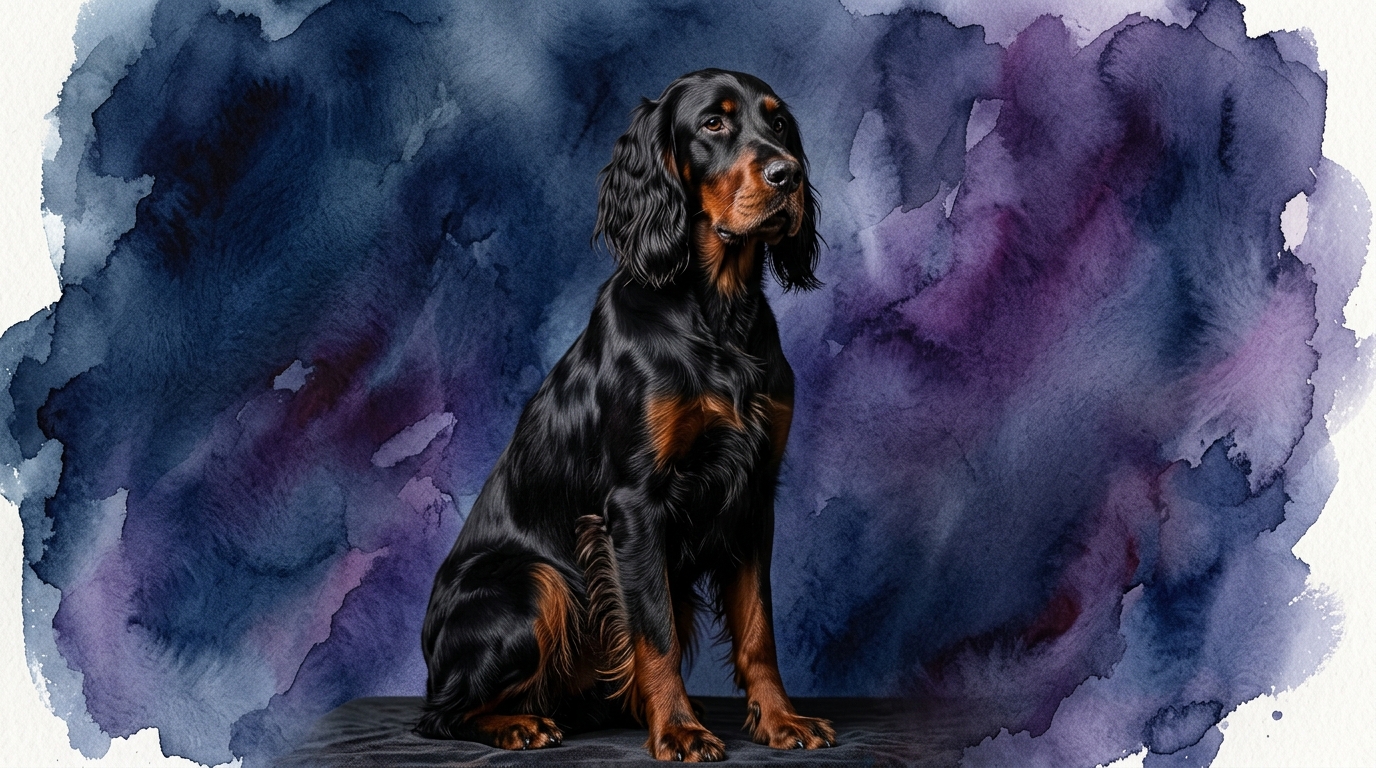
The Gordon Setter, ranked #39 by Coren, demonstrates impressive cognitive abilities stemming from its role as a versatile gun dog. Its problem-solving skills, rated at 4/5, reflect an innate capacity for strategic thought, crucial for navigating complex terrain and locating game with precision. Training speed is also high at 4/5, indicating a quick grasp of new commands and a strong willingness to learn within a structured environment. Social intelligence, at 3/5, suggests they connect well with their immediate human family but might be more reserved with strangers, prioritizing their bond with their handler. An instinctive drive of 3/5 underscores their hunting heritage, while a memory score of 4/5 ensures they retain complex sequences and learned behaviors over time, vital for consistent field performance.
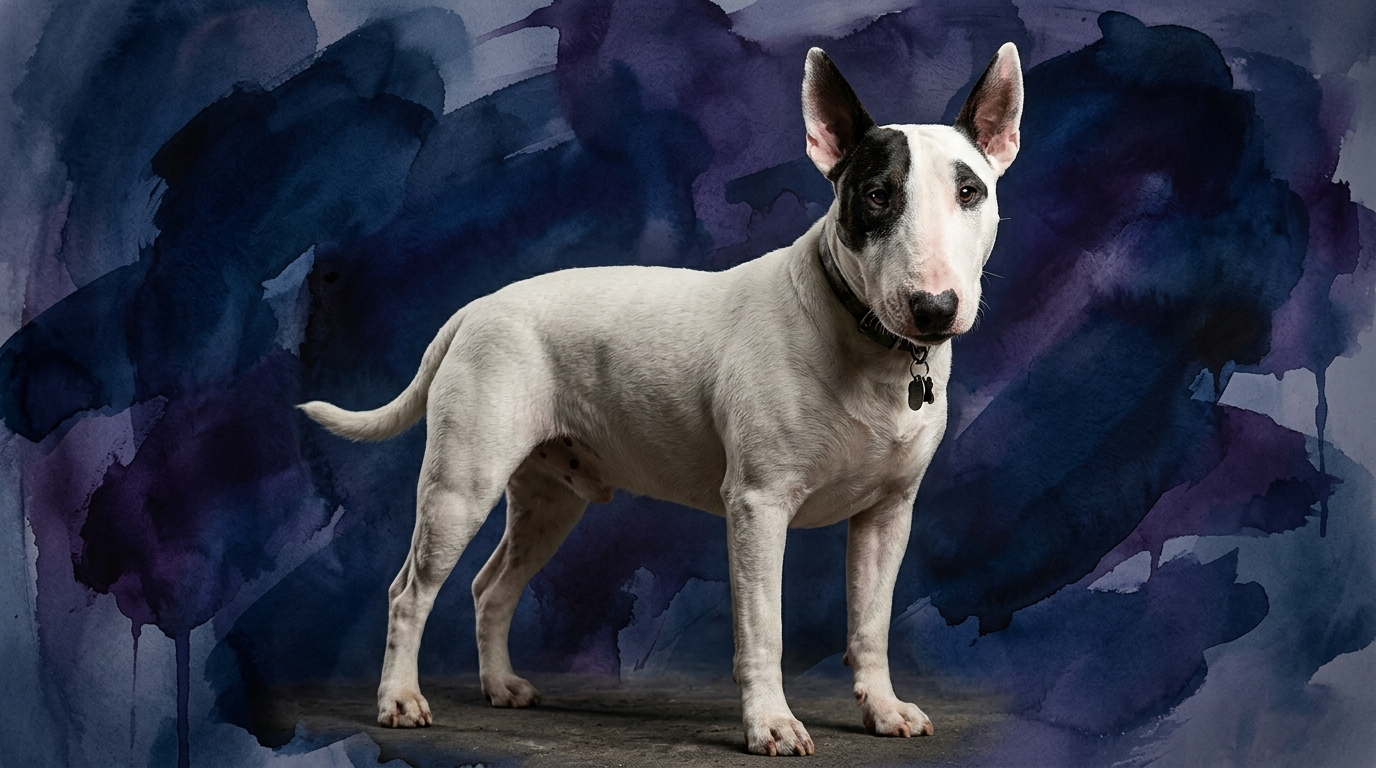
The Bull Terrier, Coren-ranked #66, presents a distinct cognitive profile characterized by tenacity and independent thought. Their problem-solving ability, rated 3/5, often manifests as persistent effort to achieve a desired outcome, sometimes through trial and error rather than immediate strategic planning. Training speed is a moderate 3/5, reflecting a capacity to learn but also a characteristic terrier independence that can require more patience and creative motivation from their trainer. Social intelligence, also 3/5, highlights their deep loyalty to their chosen family, though they can be reserved or even assertive with unfamiliar individuals. An instinctive drive of 3/5 speaks to their historical roots in hunting and dog sports, driving their curiosity and sometimes stubborn pursuits. Their memory, at 3/5, is sufficient for retaining routines and commands, but perhaps less detailed than a breed specifically bred for complex sequential tasks.
Where the Gordon Setter Wins Cognitively
The Gordon Setter exhibits a clear cognitive advantage in areas demanding sophisticated analysis and rapid learning, particularly evident in their problem-solving and training speed. Their 4/5 problem-solving score means they excel at dissecting novel situations, such as navigating a complex scent trail or strategizing how to flush game, demonstrating a proactive mental approach rather than simply reacting. This contrasts with a more trial-and-error method often seen in breeds scoring lower in this dimension.
Furthermore, their 4/5 training speed highlights an inherent biddability and attentiveness that allows them to absorb and integrate new commands with remarkable efficiency. This isn't just about repetition; it's about making strong cognitive associations quickly and understanding the handler's intent, a trait deeply ingrained by generations of collaborative work in the field. This capability makes them exceptionally responsive to nuanced direction and advanced obedience training.
The Gordon Setter's superior memory, also rated 4/5, underpins much of its cognitive prowess. They retain complex sequences of commands, remember specific locations, and recall past experiences with precision. This robust recall is invaluable for maintaining consistent performance in intricate tasks and building upon previous learning, making them highly reliable companions for multi-stage activities or remembering extensive training repertoires.
Where the Bull Terrier Wins Cognitively
While the Bull Terrier's formal IQ scores are generally lower than the Gordon Setter's, their cognitive strengths lie in their unique blend of tenacity and independent thought, which manifests differently. Their 3/5 problem-solving, while not about rapid strategic analysis, is powerfully driven by an unwavering persistence. A Bull Terrier faced with an obstacle will often try multiple, sometimes unconventional, approaches until they achieve their goal, demonstrating a relentless cognitive resilience that can overcome challenges through sheer will rather than just intellectual foresight.
This breed also showcases a distinct form of social intelligence, despite sharing a 3/5 rating with the Setter. The Bull Terrier develops an intensely loyal and discerning bond with its chosen family, often exhibiting a keen perception of their humans' moods and routines. This social acumen is less about broad gregariousness and more about deep, focused attachment, making them exceptionally attuned to the dynamics within their immediate pack, and acting as a devoted, if sometimes stubborn, companion.
Moreover, the Bull Terrier's independent drive, rated 3/5, translates into a cognitive strength of self-reliance. They are not dogs that constantly look for human direction; instead, they possess an innate ability to make decisions on their own initiative, particularly when their instincts are engaged. This independent thinking, while presenting training challenges, means they are adept at entertaining themselves or pursuing their own interests, a valuable trait for owners who appreciate a dog with strong character and self-sufficiency.
Training Ease: Gordon Setter vs. Bull Terrier
Without a doubt, the Gordon Setter proves to be the easier breed to train. Their 4/5 training speed signifies a natural eagerness to learn and a quick understanding of desired behaviors, allowing them to pick up new commands and routines with remarkable efficiency. This is coupled with their strong memory (4/5), ensuring that once a lesson is learned, it is retained consistently over time, making advanced training and proofing behaviors much smoother.
Their historical role as a cooperative hunting partner has instilled a strong desire to work in tandem with a human handler, leading to a more biddable and focused demeanor during training sessions. They respond well to positive reinforcement and clear direction, thriving on the mental engagement of learning and the satisfaction of a job well done. This inherent drive for collaborative effort makes the training journey with a Gordon Setter generally more rewarding and less fraught with resistance.
The Bull Terrier, on the other hand, presents a more significant training challenge due to its 3/5 training speed and strong independent streak. While capable of learning, their inherent tenacity and self-willed nature mean they often require more repetition, greater patience, and highly motivating rewards to comply consistently. They might understand a command but choose not to execute it if their attention is elsewhere or if they don't perceive an immediate benefit.
Their training demands a firm yet fair approach, focusing on consistency and making training sessions engaging and fun to capture their often-distracted attention. Owners must be prepared to navigate their stubbornness and channel their powerful instincts rather than suppress them, which requires a deeper understanding of terrier psychology and a more persistent training philosophy.
Matching Breeds to Lifestyles
The Gordon Setter is unequivocally suited for active owners who can meet their substantial physical and mental exercise requirements. Their sporting heritage dictates a need for vigorous activity, including long runs, hikes, and engaging outdoor pursuits that stimulate their natural instincts for scent work and retrieval. A relaxed owner who cannot provide at least an hour or two of daily purposeful exercise and mental challenges would likely find themselves with a bored and potentially destructive companion, as their unmet needs could manifest as unwanted behaviors.
These dogs thrive when given a "job" to do, whether it's participating in dog sports like agility or obedience, or simply joining their owner on extended adventures. Their cooperative nature makes them excellent partners for endurance activities, and they genuinely enjoy being an active participant in their owner's life, rather than just a passive observer.
The Bull Terrier can fit with active-to-moderately active owners, presenting a different energy profile. While they certainly enjoy bursts of energetic play and require regular walks to maintain physical health and mental well-being, their sustained exercise needs are typically less demanding than a Gordon Setter's. They can be content with a solid daily walk and some vigorous play sessions in a securely fenced yard, followed by periods of calm relaxation indoors.
However, "relaxed" doesn't mean hands-off. Bull Terriers, despite their moderate physical needs, require significant mental engagement and consistent interaction to prevent boredom and manage their strong personalities. Owners must be prepared to provide structure, training, and attention, as their independent streak can lead to mischief if left unstimulated. They are suitable for owners who enjoy a dog with distinct character and are willing to engage with them mentally, even if not always physically running marathons.
The Verdict
Choose a Gordon Setter if you are an active individual seeking a highly trainable, cooperative companion for demanding outdoor activities, who values a dog with robust memory and strategic problem-solving skills for structured tasks.
Opt for a Bull Terrier if you appreciate a dog with a tenacious, independent spirit and a unique personality, prepared to invest in patient, consistent training to channel their strong will and enjoy a devoted, discerning family member.
🧠 Find Your Pet's IQ Score
Our Pet IQ Lab assessment covers 25+ tests across 5 cognitive dimensions — personalized to your breed.
Take the Full IQ Test →Frequently Asked Questions
Are Gordon Setters good for first-time owners?
Gordon Setters can be suitable for first-time owners who are prepared for their energy levels and training needs. They are cooperative and eager to please, making training rewarding, but require consistent exercise and mental stimulation to thrive, so commitment to their active lifestyle is key.
Do Bull Terriers get along with other pets?
Bull Terriers can coexist with other pets, especially if introduced early and socialized properly. However, their strong prey drive and potential for dog-on-dog aggression, particularly with same-sex dogs, mean careful management and supervision are often necessary, and individual temperament varies.
What kind of mental stimulation do these breeds need?
Gordon Setters thrive on scent work, puzzle toys, and advanced obedience or agility training that engages their problem-solving and memory. Bull Terriers benefit from interactive games, chew toys, and consistent training that challenges their independent thinking and provides structure, channeling their tenacity positively.